
Many new homeowners are surprised by the true cost of owning a home — and the first six months are often the most financially stressful. Savings get drained by the down payment and closing costs, and then a range of unexpected expenses can appear, from repairs to higher escrow charges and insurance gaps.
“I also think many buyers underestimate how emotionally exhausting homeownership can be,” says real estate expert Ben Mizes. “Renters are accustomed to paying the same amount each month. In contrast, homeowners are responsible for all of the issues, and there’s no landlord to contact.”
We asked experts for practical advice about common financial pitfalls new homeowners face and how to plan for them. Here’s a clear summary of what they recommend.
Ever-Increasing Escrow
If your property taxes and insurance are included in your monthly mortgage payment, that payment will likely rise as those costs increase. Each year, lenders recalculate escrow accounts and may raise monthly payments to cover shortages — sometimes by $200 to $400, according to mortgage expert Cody Schuiteboer.
“Most buyers call in a panic, asking why their payment suddenly increased,” says Schuiteboer. “But budgeting for the house also entails considering changing payments, so don’t expect the same payment after year one.”
Pro tip: Request the annual escrow statement from your lender so you understand what your escrow account contains and why any changes occurred.
Property Tax Reassessment
In many areas, a home’s value is reassessed after a sale, and that often increases property taxes. “If the previous owner had the house for twenty years while paying much lower taxes, the new owner will likely face higher property taxes, even up to four times higher,” Schuiteboer warns. A tax bill that was $2,800 could become $7,500 after reassessment.
Pro tip: Ask your real estate agent or attorney what the expected reassessed value and resulting tax bill might be in your jurisdiction.
Move-In Costs
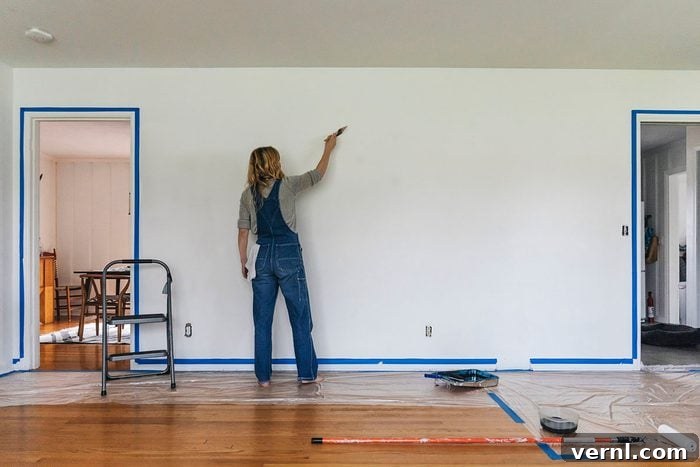
Small move-in expenses quickly add up: utility deposits, minor repairs, window coverings, and supplies. “First-time homebuyers are often shocked at the total costs of the first six months of homeownership,” says real estate professional Jonathan Ayala.
Pro tip: Create a separate savings account for move-in expenses and keep it distinct from your emergency fund. “Not keeping sufficient emergency funds for three months of expenses is dangerous for your finances,” Schuiteboer adds.
First-Year Costs
Moving into a new neighborhood often means more entertaining, dining out, and hiring services for lawn care or housekeeping. It’s also tempting to start renovations or buy appliances and furniture right away.
“I’ve noticed homeowners spend tens of thousands in their first year on things like smart home tech, new appliances and furniture,” says Mizes. “Many put these purchases on lines of credit or personal loans because their savings were depleted by the down payment and closing costs.”
Pro tip: Live in the house for a year before making major upgrades. That gives you time to see seasonal impacts and prioritize projects based on actual needs.
Maintenance Costs
Financial planners commonly recommend setting aside 1% to 2% of a home’s purchase price each year for maintenance and repairs — for items like water heaters, HVAC systems, and the roof. “But few new homebuyers do that,” says real estate professional Sain Rhodes. “Instead, they often charge repairs to credit cards, which increases costs over time and can damage credit scores.”
Pro tip: Open a separate high-yield savings account at closing for maintenance and set up automatic monthly contributions to build the fund consistently.
Insurance Gaps
Standard homeowner’s insurance typically does not cover flood damage. Many homeowners are required to buy flood insurance, and others choose to do so voluntarily. “Flood insurance seems unnecessary at first, until it becomes the only protection from financial disaster,” Rhodes says. Even one inch of flooding can cause $25,000 in damage, and two feet can total a home.
Pro tip: About 40% of flood claims come from properties outside FEMA-designated high-risk zones. Consider a flood policy even if your lender doesn’t require it, and evaluate additional coverage for risks like hurricanes, landslides, sewer backup, and liability where relevant.
Misunderstanding Home Warranties

Many buyers purchase home warranty plans to protect systems for several years, but warranties have limitations. “Home warranties cover system malfunctions, but not preexisting defects, improper installation and cosmetic damage,” Schuiteboer explains.
Using a warranty usually means the company’s contractors will handle repairs rather than contractors you choose. In less populated areas, that can mean long wait times for service.
HOA Reserve Fund
If your property is part of a homeowners association (HOA), review the HOA’s reserve fund documents carefully. An underfunded reserve can lead to special assessments when major repairs or improvements are needed. “I have personally witnessed buyers face an HOA special assessment of over $10,000 within their first year because they didn’t check the HOA’s finances,” Ayala says.
Pro tip: Request the latest reserve fund report before closing. Realtors recommend caution if reserves are below roughly 70%, as that can indicate potential funding shortfalls.
About the Experts
- Cody Schuiteboer is president and CEO of Best Interest Financial, which offers home financing and personalized mortgage solutions.
- Sain Rhodes is a real estate professional with Clever Offers and has worked on hundreds of closings.
- Ben Mizes is a real estate agent, president of Clever Real Estate, and an active investor on 22 rental units.
- Jonathan Ayala is a real estate agent and founder of Real Estate Photography, a platform that connects real estate professionals with photographers.
RELATED:
- 7 Signs You’re Over-Decorating
- 18 Cheap Decor Ideas That Look Expensive
- 14 Traditional-Style Home Decor Ideas That Are Still Cool