
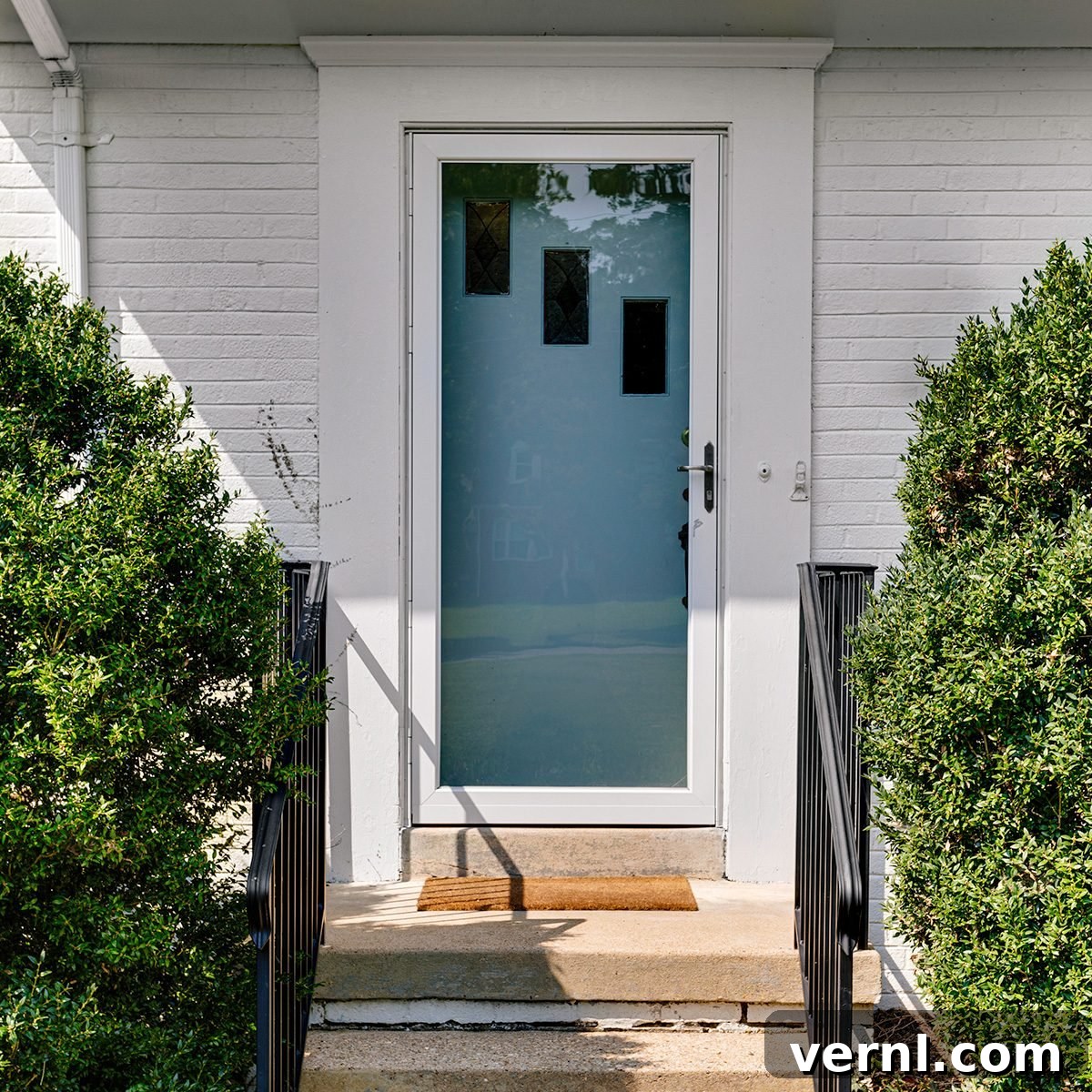
Welcome to Family Handyman’s Guide to Winterization, your ultimate resource for preparing your home for the challenging cold season. Discover expert advice and actionable strategies to safeguard your property against winter’s harsh realities. This comprehensive guide ensures that common winter woes, such as frozen pipes and exorbitant heating bills, do not become your inevitable reality. Embrace a winter of warmth, comfort, and significant savings by proactively optimizing your home’s defenses.
Enhancing your home’s energy efficiency is a continuous endeavor, especially when striving to reduce escalating utility bills. My personal journey led me to invest in a thermal camera, a revelation in pinpointing exactly where precious hot and cold air was escaping my home. The findings were clear and, for many homeowners, strikingly familiar: doors are often the primary culprits. These critical entry points frequently represent some of the most significant sources of drafts, allowing cold air to seep in during winter and cool air to escape in summer. This constant exchange directly impacts your home’s internal climate and your wallet.
Installing high-quality storm doors offers a robust solution, effectively sealing these vulnerable areas and creating an essential barrier against the elements. Furthermore, optimizing these storm doors with additional insulation elevates their protective capabilities, propelling your energy savings to unprecedented levels. This article delves into the mechanics of storm doors, exploring how they function, effective strategies for maximizing their energy efficiency, and detailed methods for adding crucial insulation to both your front entry and cellar storm doors. Prepare to transform your home into a more comfortable, energy-efficient sanctuary.
Understanding Storm Doors: Your Home’s First Line of Defense
Storm doors are ingeniously designed to provide an additional layer of protection for your home, serving multiple critical functions. While commonly associated with front and back entryways, they also extend to less visible but equally important areas like cellar access points. Primarily, these doors act as a formidable shield against severe weather conditions and significant heat loss, maintaining a more stable indoor temperature. Beyond their thermal benefits, storm doors also play a vital role in extending the lifespan of your primary entry doors by protecting them from direct exposure to rain, snow, and harsh winds. Moreover, they act as an effective deterrent against unwanted pests, including rodents and insects, preventing them from infiltrating your living spaces.
“When people think of storm doors, they often picture the elegant full-view glass varieties typically installed over a main entry,” explains Danny Niemela, a seasoned home remodeler and contractor. “However, this is just one style. The market offers a diverse range, including mid-rail storm doors equipped with screens for ventilation, and even less ornate rear-entry types that might not perfectly match your existing trim but are equally effective in their protective function.”
An often-overlooked yet critical type is the cellar storm door. These doors specifically cover cellar stairs and basement access points, commonly designed to open outward. They are notorious for being a major, unaddressed source of heat loss. Given their direct exposure to wind and their typical lack of insulation, an uninsulated cellar door can significantly compromise your home’s overall energy efficiency, making them a prime candidate for immediate attention.
The Profound Impact of Storm Doors on Your Home’s Temperature Regulation
The effectiveness of storm doors in moderating your home’s internal temperature stems from a fundamental principle: the creation of an insulating air pocket. When installed, a storm door forms a sealed, static layer of air between itself and your inner primary door. This trapped air acts as a powerful insulator, dramatically slowing the transfer of heat or cold between your home’s interior and the external environment. Furthermore, storm doors are exceptionally effective at mitigating drafts, which are a leading cause of discomfort and energy waste. By sealing gaps and cracks that allow air infiltration, they prevent cold gusts from entering during winter and precious conditioned air from escaping in summer.
“The impact of storm doors on a home’s temperature is far more significant than many homeowners realize,” notes Niemela. “Without this crucial buffer layer, your main entry door is directly exposed to the full force of wind, moisture, and extreme temperatures. This forces the inner door to bear the entire burden of maintaining thermal integrity, a task it is not designed to handle alone. Moreover, neglecting an old, uninsulated steel cellar door in winter is akin to leaving a freezer running wide open directly beneath your house, siphoning warmth from your entire home.” This direct exposure leads to increased thermal bridging and greater energy expenditure, making storm doors an indispensable component for year-round temperature stability and reduced heating and cooling demands.
Why Insulating Your Storm Doors Is a Smart Investment
While storm doors offer significant benefits on their own, enhancing them with additional insulation elevates their performance to an entirely new level, turning a good investment into an exceptional one. Insulating your storm doors makes them even more adept at regulating interior temperatures, directly translating into tangible money and energy savings throughout the year. The initial investment in insulation materials is quickly recouped through reduced utility bills, making it a highly cost-effective home improvement.
“Beyond the financial benefits, insulating storm doors also plays a crucial role in eliminating cold spots near entryways,” states home inspector Reuben Saltzman. “This makes these areas far more comfortable for both human occupants and pets, transforming drafty zones into inviting spaces.”
It’s true that some contemporary storm doors come with integrated insulation. However, as Niemela points out, “The ‘insulation’ often touted by hardware store versions typically refers to little more than thin glass panes and a few basic vinyl strips. While better than nothing, a little extra effort or a smarter upgrade in insulation can squeeze out several additional degrees of temperature stability, helping you avoid the unpleasant shock of a high utility bill.” Proactively enhancing your storm door’s insulation can significantly improve its R-value, a measure of its resistance to heat flow, thereby maximizing its energy-saving potential and contributing to a more sustainable, comfortable home environment. This additional layer of protection not only saves money but also contributes to a lower carbon footprint.
Comprehensive Strategies: How To Insulate Your Front Storm Door
Optimizing your front storm door’s insulation involves several key techniques, each contributing to a more robust thermal barrier.
Weatherstripping: Sealing the Perimeter
For newer storm doors, the process of enhancing insulation should begin with meticulously filling any perimeter gaps using self-adhesive foam weatherstripping. A standard 30-foot roll is generally sufficient to cover the entire perimeter of a common 36″ x 80″ door. If you’re dealing with older doors, particularly those with frames that have warped over time, Niemela suggests a more robust approach: stacking high-density foam tape or incorporating a magnetic vinyl strip. These methods provide a superior, more resilient seal.
“The goal is straightforward: achieve solid contact between the door and its frame, without needing anything overly complicated,” he advises. “A crucial professional tip: the fastest way to compromise a storm door’s efficiency is to skip the vital step of thoroughly cleaning and degreasing the frame before applying any adhesive. If that tape loses its grip and lifts, the air barrier is broken, and drafts will return immediately.” For a more enduring and robust seal, Saltzman recommends using rubber or vinyl strips. When applying these, always ensure the surface is clean and dry, and avoid stretching the material during installation, as it tends to shrink over time, which can compromise the seal.
Shrink-Film Insulation: An Affordable Thermal Boost
For storm doors featuring glass inserts, transparent shrink-film insulation offers an excellent, cost-effective method to add another vital thermal layer. This material is remarkably inexpensive and can be installed efficiently, often in as little as 20 minutes, with the aid of a common hair dryer. “Utilizing window film kits can transform a glass storm door, making its thermal performance nearly comparable to that of a triple-pane window, at least for a season or two,” explains Niemela. This film creates an additional, small dead-air space between the glass and the film, significantly reducing heat transfer through the glass, which is often a major source of heat loss. It’s an ideal temporary or semi-permanent solution for enhancing comfort and saving energy during the colder months.
Door Sweeps and Exterior Caulking: Blocking Ground-Level Drafts
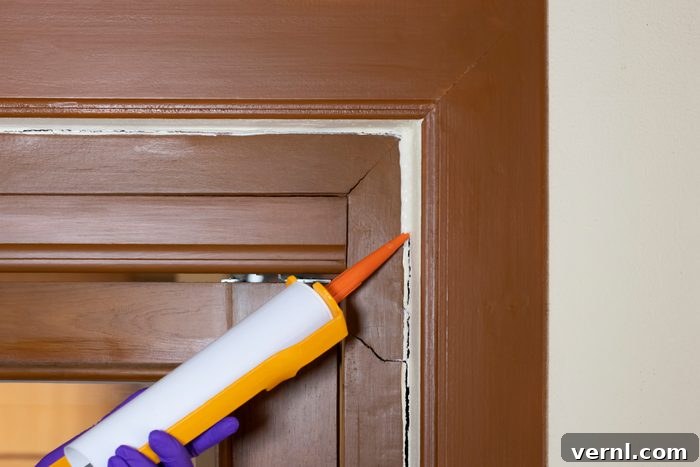
In the majority of scenarios, installing a durable door sweep at the bottom of your storm door is a highly effective strategy for blocking persistent drafts that often infiltrate from below. “Adjustable aluminum sweeps equipped with a robust rubber seal offer superior durability and effectiveness compared to their stick-on counterparts,” Saltzman advises. “Always measure twice before making any cuts to ensure a precise fit.” Beyond the door sweep, thoroughly inspect the areas where your storm door frame meets the exterior siding of your home. Any visible gaps in these locations should be meticulously sealed with an exterior-grade caulk. For optimal adhesion and longevity, perform this task on a dry day when the temperature is consistently above 40°F (4°C). This meticulous sealing prevents air and moisture infiltration, enhancing the overall integrity of your home’s thermal envelope.
Foam Batting: A Simple Solution for Unused Doors
For storm doors that are rarely, if ever, opened – such as those covering a defunct side entrance – builder Jonathan Palley suggests an exceptionally simple yet effective insulation method. The most straightforward solution is to carefully place a layer of foam batting insulation between the storm door and the primary inner door. This creates a thick, insulated barrier that significantly reduces thermal transfer through an otherwise neglected opening. While perhaps less aesthetically refined than other methods, its ease of application and immediate impact on energy retention make it an excellent choice for optimizing energy efficiency in truly dormant entryways. Ensure that any materials used comply with local fire safety codes if this is intended as a permanent solution.
Specialized Solutions: How To Insulate Your Cellar Storm Door
Cellar storm doors present unique insulation challenges due to their direct exposure to ground elements and typical construction. Addressing these effectively can yield substantial energy savings.
Adding Panels Or a Secondary Interior Door
An excellent long-term solution involves attaching rigid foam insulation panels to the inside surface of your existing cellar storm door. Materials like extruded polystyrene (XPS) or polyisocyanurate (polyiso) boards offer high R-values and are resistant to moisture. Alternatively, you can construct a simple, custom-insulated panel by wrapping a 2-inch foam board in plywood for added durability and a cleaner finish.
If your interior cellar features stairs leading up to the access point, installing a secondary interior door is often the most effective option, according to Niemela. “Even a basic, solid wood slab securely mounted inside the frame can effectively reduce airflow by as much as half,” he explains. This creates another critical air barrier, similar to how a front storm door functions, but specifically tailored to the unique conditions of a cellar entryway. This approach not only prevents heat loss but also helps in managing moisture and preventing pests from entering the main living areas.
Targeted Weatherstripping for Cellar Doors
Just as with front entry doors, applying foam weatherstripping around the perimeter lip of your cellar storm door can significantly help seal troublesome gaps. However, Niemela cautions, “Always be vigilant for signs of water pooling. If you have a Bilco-style metal double door, these structures are particularly prone to becoming ‘ice chutes’ in winter, channeling cold air and moisture directly into your basement if not properly sealed and maintained.” Regular inspection and replacement of weatherstripping, particularly in moisture-prone areas, are crucial for sustained performance.
Considering a Door Replacement for Maximum Efficiency
If your existing cellar storm door rattles excessively, has severely compromised hardware, or shows signs of significant deterioration, a full replacement with a modern, insulated unit might be the most beneficial long-term solution. This task can often be managed as a DIY project for experienced homeowners, or you can opt to hire a qualified contractor for professional installation. “Sometimes, a complete replacement is simply the most sensible path forward,” states Niemela. “While decent insulated cellar doors start around $250, it represents money exceptionally well spent, especially if your original door dates back to pre-1990 and offers little more than the thermal resistance of tinfoil. Modern insulated doors provide vastly superior thermal performance, durability, and security.”
Implementing a Temporary Winter Fix
For situations demanding an immediate, quick, and temporary solution, simply hanging a thick blanket, such as a moving blanket or a heavy quilt, over the cellar entryway can provide crucial short-term protection. “If you find yourself in a bind, an old quilt draped over a cellar entrance during a few weeks of severe freeze can be surprisingly effective,” Niemela advises. “It can prevent pipes from bursting and block enough cold air to make a noticeable difference. There’s absolutely no shame in utilizing a low-tech fix when it proves effective in a pinch.” This type of makeshift insulation can be a lifesaver in emergency situations or while you plan for a more permanent upgrade.
Beyond Storm Doors: Ongoing Maintenance and Complementary Winterization Tips
While insulating storm doors is a powerful step, a holistic approach to home winterization ensures maximum comfort and savings. Regularly inspect your storm doors for any signs of wear and tear, such as cracked weatherstripping, loose hardware, or damaged glass panes. Promptly address these issues to maintain optimal performance.
Complementary winterization efforts include:
- Window Sealing: Just like doors, windows are significant sources of heat loss. Inspect seals, caulk gaps, and consider secondary glazing or thermal curtains.
- Attic Insulation: Ensure your attic has adequate insulation. Heat rises, and a well-insulated attic is crucial for retaining warmth.
- Pipe Insulation: Protect exposed pipes in unheated areas (basements, crawl spaces) with foam pipe insulation to prevent freezing.
- Furnace Maintenance: Schedule annual furnace tune-ups to ensure efficient operation and change air filters regularly.
- Seal Air Leaks: Beyond doors and windows, check for leaks around electrical outlets, light fixtures, and where pipes or wires enter the house.
By combining effective storm door insulation with these broader winterization strategies, you can significantly enhance your home’s energy efficiency, reduce heating costs, and create a more comfortable living environment throughout the colder months.
About Our Expert Contributors
- Danny Niemela is a highly respected professional home remodeler, contractor, and holds the position of Vice President and CFO at ArDan Construction, a leading luxury home remodeling company based in Scottsdale, Arizona. His extensive experience in the industry is further recognized through his role as Chairman of the Board for the Greater Phoenix Chapter of the National Association of the Remodeling Industry (NARI).
- Reuben Saltzman serves as the CEO and a principal home inspector at Structure Tech Home Inspections, located in Minnesota. With more than 25 years of hands-on experience in both the trades and the inspection industry, he brings a wealth of practical knowledge to home maintenance and safety.
- Jonathan Palley is the CEO of Clever Tiny Homes. Through his innovative company, he leverages new technologies to design and construct high-quality, affordable tiny homes, actively contributing to efforts aimed at alleviating the current housing crisis.