
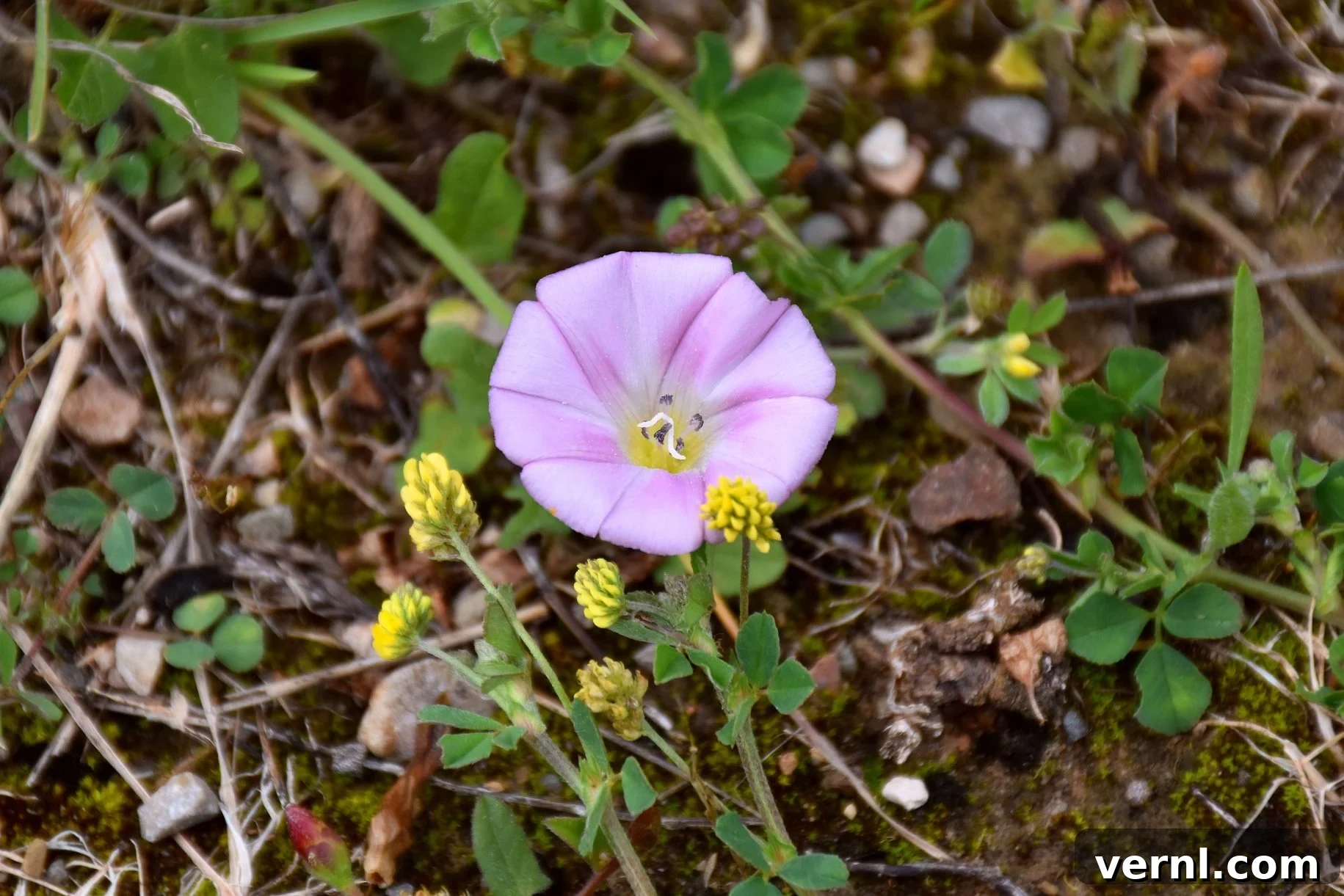
A Comprehensive Guide to Managing Bindweed: Identification, Prevention, and Eradication Strategies
Even if the name “bindweed” doesn’t ring a bell, chances are you’ve encountered this persistent invader countless times, perhaps even in your own backyard. Known scientifically as Convolvulus arvensis, bindweed is a remarkably prolific and troublesome weed, originally native to Europe. Today, it has spread its tenacious roots across much of the United States and indeed, around the globe, according to insights from the Washington State Noxious Weed Control Board. Its pervasive nature makes it a significant challenge for gardeners and landscapers alike.
In the U.S., bindweed is virtually ubiquitous, with only the Southeast and specific arid regions of Texas, Arizona, and New Mexico typically spared its presence. This geographical distribution makes perfect sense, as bindweed thrives in conditions where moisture is readily available, allowing its extensive root system to flourish.
“It thrives (almost) everywhere and is incredibly difficult to manage,” states Andy Hulting, an associate professor and extension weed management specialist in the Department of Crop and Soil Science at Oregon State University. Hulting emphasizes bindweed’s notorious reputation, ranking it among the top 10 most troublesome weeds worldwide. This classification highlights the severe impact it can have on agricultural lands, home gardens, and natural ecosystems.
Despite its formidable reputation, gardeners needn’t despair. While complete eradication is a long-term battle, there are effective strategies you can employ to significantly minimize bindweed’s impact and reclaim your yard or garden. This guide will walk you through identifying bindweed, understanding its growth habits, and outlining your most effective options for control and ultimate removal.
What Exactly Is Bindweed?
Bindweed is an invasive, climbing weed characterized by its aggressive growth and ability to rapidly colonize new areas. It spreads primarily through two mechanisms: prolific seed production and, more critically, an unrelenting underground root structure. This intricate network of rhizomes can delve an astonishing 20 feet deep into the soil and spread horizontally for many feet, making it exceptionally resilient. Each fragment of this root system has the potential to sprout a new plant, compounding the challenge of control.
Left unchecked, bindweed exhibits a vigorous vining habit, twining itself around fences, trellises, garden plants, and even up trees. It can quickly smother desirable vegetation, competing for essential sunlight, water, and nutrients. Andy Hulting warns that an established bindweed system can effortlessly overtake and completely dominate a cultivated landscape, turning a vibrant garden into a tangled mess of its distinctive foliage and flowers.
For home gardeners, field bindweed (Convolvulus arvensis) presents the most common and significant concern. Another related variety, hedge bindweed (Calystegia sepium), is also problematic, though it typically prefers disturbed areas like roadsides, fence rows, and the banks of streams or ditches, rather than directly invading a manicured backyard. While both are invasive climbers, field bindweed is generally smaller in scale but equally tenacious in garden settings, whereas hedge bindweed features larger leaves and flowers and often grows even more robustly.
Unfortunately, bindweed’s deceptive appearance belies its destructive nature. Its leaves are distinctively heart- or arrow-shaped, ranging in size but consistently exhibiting this characteristic form. The trumpet-shaped flowers, which can be white, pink, or a pale purple-ish hue, are often described as quite delicate and aesthetically pleasing. This attractive facade often leads to confusion. As Hulting notes, people sometimes mistake bindweed for its ornamental cousin, morning glory (Ipomoea purpurea). While technically related, true morning glory is generally not invasive in the same aggressive manner and is frequently cultivated in flower gardens for its beauty. Key differences include bindweed’s smaller flowers and leaves, and its much deeper, more persistent root system compared to morning glory, which typically has larger flowers and a fibrous root system that is easier to manage.
Understanding Bindweed’s Growth Cycle: When Does It Flourish?
Bindweed’s growth cycle is a key factor in its persistence. The distinctive trumpet-shaped flowers typically begin to bloom in the spring, signaling the plant’s active growth phase. This flowering period continues relentlessly throughout the summer and into the fall, only ceasing when the weather takes a decisive turn towards frost. This prolonged flowering means a lengthy period for seed production, further contributing to its spread.
As a perennial weed, bindweed doesn’t truly die off with the cold. Instead, its extensive and deep root system transitions into a dormant state during the winter months. While the above-ground foliage may wither and seemingly disappear, the roots beneath the surface remain very much alive, continuing to store energy and, crucially, to spread horizontally. This underground activity ensures that when spring returns, those familiar little flowers and vines will invariably reappear, often in new, previously clear areas, having extended their reach throughout the dormant season. This cycle of active growth and winter dormancy, fueled by a robust root system, is precisely why bindweed is so challenging to eradicate permanently.
Is Bindweed Safe? Impact on Gardens, Humans, and Animals
From a horticultural perspective, bindweed poses a significant threat to your flower and vegetable gardens. Its rapid, creeping vines aggressively entwine around desirable plants, effectively strangling them and outcompeting them for vital resources such as sunlight, water, and soil nutrients. This relentless competition can stunt plant growth, reduce yields, and ultimately lead to the demise of your cultivated species. The sheer density of bindweed can also create a canopy that shades out smaller plants, further exacerbating the problem.
Fortunately, from a human and typical household pet safety standpoint, bindweed is generally considered benign. Andy Hulting confirms that direct contact with bindweed is not harmful to humans or pets. The stems do contain a milky sap, which is a common characteristic of many plants in the morning glory family, but this sap will not cause irritation or harm if touched. So, while it’s a nuisance to your plants, it’s not a direct health hazard to you or your furry companions.
However, the safety profile shifts when it comes to certain types of livestock. According to research from the University of Nevada’s Institute of Natural and Agriculture Resources, bindweed “contains alkaloids that are mildly toxic to certain types of livestock.” These alkaloids can cause adverse reactions, particularly when ingested in significant quantities.
Horses, in particular, are susceptible to experiencing gastrointestinal distress, including colic, diarrhea, and weight loss, if they consume bindweed. While Hulting notes that most horses instinctively avoid grazing on bindweed, especially when other forage is available, hungry or curious animals might ingest enough to cause problems. Owners of livestock, particularly horses, should be vigilant about bindweed presence in pastures and hay. Other farm animals, such as sheep, cattle, goats, hogs, and chickens, are generally less affected and may even consume bindweed leaves and stems without suffering ill effects, sometimes even using it as a supplemental food source. Nevertheless, for any animal, large quantities of any single plant outside their typical diet should be monitored.
Proactive Measures: How to Keep Bindweed From Invading Your Space
Regardless of whether you own livestock, the wisest course of action is to employ every possible strategy to prevent bindweed from establishing itself on your property. Given the formidable challenge of complete eradication once it’s entrenched, Andy Hulting strongly advocates for prevention as the primary and most effective line of defense. A proactive approach can save years of arduous battle.
Vigilance and Inspection
The first step in prevention is constant vigilance. Regularly inspect your garden beds, borders, and any newly acquired plants. Early detection of bindweed seedlings or small root fragments is crucial. Removing them before they can establish a deep, pervasive root system is far simpler and more effective than tackling a mature infestation.
Source Your Materials Wisely
“Be very careful about bringing seeds, compost, and composted manure onto your property,” Hulting advises. Bindweed seeds are notoriously long-lived and can remain viable in the soil for decades. They can easily hitch a ride in contaminated soil, uncertified compost, or manure that hasn’t been properly processed. The dilemma, of course, is that these materials are essential for enriching garden soil and promoting healthy plant growth. The solution lies in sourcing your supplies from reputable, trustworthy providers. While this isn’t a foolproof guarantee, purchasing certified weed-free compost or thoroughly composted manure (where temperatures high enough to kill weed seeds have been maintained) significantly reduces the risk of introducing bindweed seeds unknowingly.
Barrier Methods and Mulching
For new garden beds or areas where bindweed is a known threat, consider implementing physical barriers. Laying down landscape fabric, thick layers of cardboard, or several sheets of newspaper beneath mulch can create an effective physical barrier against emerging bindweed shoots. While bindweed can eventually find its way through any weakness, these barriers can suppress growth and make manual removal easier for emerging shoots. Regular mulching (2-4 inches deep) with wood chips, straw, or other organic materials can also help suppress seed germination and weaken emerging seedlings.
Clean Gardening Practices
Bindweed can also spread through root fragments carried on gardening tools. After working in an infested area, thoroughly clean your shovels, hoes, and tillers to prevent inadvertently spreading root pieces to clean sections of your garden. Similarly, if you’re bringing in new plants, inspect their root balls carefully for any signs of bindweed rhizomes.
Effective Strategies: How to Get Rid of Bindweed
More often than not, gardeners find themselves dealing with an existing bindweed infestation rather than just preventing one. In this scenario, a combination of persistence and strategic action is paramount. Here are the most effective options for tackling established bindweed:
1. Mechanical and Manual Control: The Persistent Approach
Tilling or Repeated Weeding: This is Andy Hulting’s preferred method for non-chemical, organic weed-killing, and it’s highly effective when executed with unwavering consistency. The principle behind this method is to deplete the extensive energy reserves stored in the bindweed’s deep root system. Each time the plant’s top growth is removed, it draws upon these reserves to regrow. If you repeatedly remove the foliage before it can photosynthesize enough to replenish those reserves, the root system will eventually weaken and die. This process requires significant dedication: you’ll need to weed or till the affected area thoroughly every couple of weeks for at least two to five years, potentially longer. Crucially, any small piece of root left behind can regenerate, so meticulous removal is key. This method is labor-intensive but avoids chemical use entirely.
Smothering and Solarization: For larger, heavily infested areas, smothering can be a viable organic option. This involves covering the bindweed with thick layers of opaque materials like cardboard, several layers of newspaper, or black plastic, topped with mulch. This blocks sunlight, depriving the plants of the energy needed for photosynthesis. It can take one to two growing seasons for complete effectiveness. Solarization, using clear plastic sheets during the hottest months of summer, traps solar energy and cooks the soil, killing bindweed seeds and weakening roots. This method requires sustained high temperatures and can be effective over several months.
2. Chemical Control: Targeted Application
When manual methods are impractical or an infestation is particularly severe, chemical herbicides can offer a more rapid solution. It’s crucial to select the right product and apply it correctly to maximize effectiveness and minimize environmental impact.
Systemic Herbicides (e.g., Dicamba or Glyphosate): Use a product that contains systemic herbicides like dicamba, often found in broadleaf weed killers such as Spectracide Weed & Grass Killer or glyphosate-based products. Systemic herbicides are absorbed by the plant’s foliage and translocated throughout its vascular system, reaching down into the deep root system. For bindweed, timing is critical: apply herbicides when the plant is actively growing and has enough foliage to absorb the chemical, typically in late spring or early fall when the plant is moving sugars to its roots. Multiple applications may be necessary over several seasons due to the root’s ability to store energy. Always read and strictly follow the manufacturer’s instructions regarding application rates, safety precautions, and environmental considerations.
Caution with Mowing: Wondering whether you can simply skip all these intensive methods and mow over the bindweed with your lawn tractor? Andy Hulting advises against it. Mowing bindweed, like many perennial weeds, is largely ineffective as a control method. While it removes the top growth temporarily, it stimulates the plant to send up new shoots from its extensive root system, essentially pruning it and encouraging more vigorous regrowth. It will just grow back, often stronger, making it a frustrating and futile exercise for eradication.
An Integrated Pest Management (IPM) approach, combining prevention, manual removal, and judicious chemical application when necessary, often yields the best long-term results for bindweed control.
Frequently Asked Questions About Bindweed
Does bindweed die in winter?
While bindweed’s above-ground vegetation, including its leaves and vines, will die back and appear to vanish in winter due to frost, its extensive and deep root system does not die. Instead, it goes dormant, storing energy and continuing to spread underground. This robust root network enables the plant to regenerate vigorously with the return of warmer temperatures in spring.
Is bindweed toxic to pets or humans?
Bindweed is generally not considered toxic to humans; contact with the plant or incidental ingestion is unlikely to cause harm. For common household pets like dogs and cats, it’s also relatively safe, though ingesting large quantities could potentially cause mild gastrointestinal distress. However, bindweed can be mildly toxic to certain types of livestock, particularly horses. It contains alkaloids that can lead to gastrointestinal issues such as colic or diarrhea if consumed in significant amounts by grazing animals. Vigilance is advised for livestock owners.
What does bindweed look like? How can I identify it?
Bindweed is characterized by its heart- or arrow-shaped leaves and small, trumpet-shaped flowers, which typically appear in white, pink, or pale purple hues. It grows as a twining vine that can climb and smother other plants. It is often confused with morning glory, but bindweed generally has smaller leaves and flowers and a much more aggressive, deep-rooted growth habit.
Can bindweed kill other plants in my garden?
Yes, bindweed can severely harm and even kill other plants. Its aggressive vining growth allows it to physically entwine and strangle desirable plants, blocking their access to sunlight. Furthermore, its extensive root system fiercely competes for vital water and nutrients in the soil, effectively starving out nearby vegetation and significantly reducing garden productivity and plant health.
Is bindweed a sign of poor soil?
Not necessarily. While bindweed is incredibly adaptable and can tolerate a wide range of soil conditions, it often thrives in disturbed soils, including those that are rich and well-cultivated. Its presence is more indicative of its opportunistic nature and ability to spread rapidly rather than a direct reflection of poor soil quality. In fact, its deep roots allow it to access nutrients and water that other plants might struggle to reach, making it competitive even in good soil.
What is the best time to treat bindweed with herbicides?
For chemical control, the most effective time to treat bindweed with systemic herbicides is during its active growth phases, particularly in late spring when it has robust foliage but before it sets seed, and again in early fall. During these periods, the plant is actively photosynthesizing and transporting nutrients (and thus the herbicide) down to its root system, making the treatment more effective at targeting the deep roots.
About the Expert
Andy Hulting is an Associate Professor and Extension weed management specialist in the Department of Crop and Soil Science at Oregon State University. His expertise provides invaluable insights into effective and sustainable weed control strategies.