
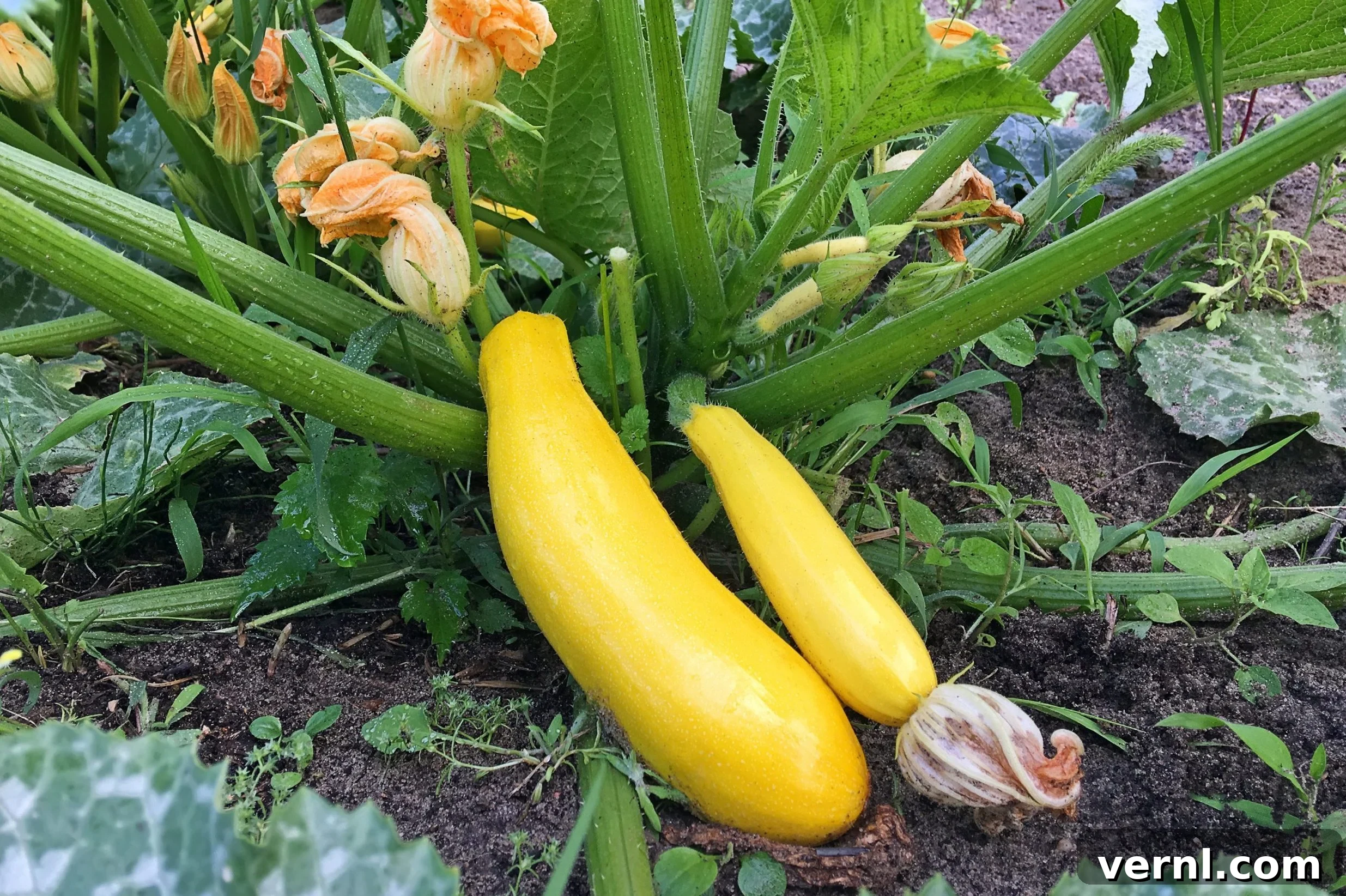
Every summer, my kitchen counter transforms into a vibrant display of green and yellow, overflowing with the fruits of my labor – an abundance of zucchini and other summer squashes from my garden. This delightful (and sometimes overwhelming) bounty always reminds me of the simple, yet profound, joy of homegrown produce. It also highlights a gardener’s perennial optimism, as I invariably plant more squash than strictly necessary, forgetting each spring just how incredibly prolific a single squash plant can be!
Fortunately, I have a cherished heirloom to guide me: a small cookbook inherited from my mother, packed with creative zucchini recipes. It’s a lifesaver when faced with a mountain of fresh squash. Whether you’re a seasoned gardener like me or just starting your green-thumb journey, mastering the art of growing squash can be incredibly rewarding. This comprehensive guide will walk you through everything you need to know, from selecting the right variety to dealing with common garden challenges and enjoying a generous harvest.
Understanding the World of Squash: Summer vs. Winter Varieties
Before you even think about planting, it’s helpful to understand the two primary categories of squash that flourish in most home vegetable gardens. Each type has distinct characteristics in terms of growth habit, culinary use, and storage potential.
Summer Squash: Quick Rewards and Endless Versatility
Summer squash varieties are cherished for their rapid growth and tender texture. These include the beloved dark green zucchini squash, the bright and cheerful yellow crookneck squash, and many other varieties like pattypan and straightneck. The defining characteristic of summer squash is its soft, edible skin and delicate flesh. They are meant to be harvested and enjoyed when immature, offering a mild, slightly sweet flavor. Because of their tender nature, they do not store well for extended periods and are best eaten fresh within a few days of picking. Their versatility in the kitchen is unmatched – perfect for grilling, sautéing, baking, or adding to salads and quick breads.
Winter Squash: Hearty Flavors and Long-Term Storage
In contrast, winter squash varieties are grown to full maturity, developing tough, hard skins that allow them to be stored for months. These hearty gourds include popular choices such as butternut, acorn, and spaghetti squashes. They are typically harvested later in the season, often as temperatures begin to drop in late summer or early fall. Their robust skins protect a dense, flavorful flesh that sweetens further in storage. Winter squash is ideal for roasting, pureeing into soups, or baking, providing nourishing meals throughout the cooler months.
Preparing for Success: Essential Steps Before Planting Squash
A successful squash harvest begins long before the first seed is sown. Proper planning and preparation lay the groundwork for healthy, productive plants.
Choosing the Ideal Location
Squash plants are sun-worshippers. Select a spot in your garden that receives at least six to eight hours of direct sunlight daily. Good air circulation is also beneficial to prevent fungal diseases. Ensure the area has well-drained soil, as squash roots are susceptible to rot in waterlogged conditions. If your soil tends to be heavy clay, consider raised beds or amending extensively to improve drainage.
Soil Preparation: The Foundation of Growth
Squash are heavy feeders and thrive in rich, fertile soil. Before planting, significantly amend your garden beds by adding a generous amount of compost or other organic matter. This not only enriches the soil with vital nutrients but also improves its structure, drainage, and water retention capabilities. You can also incorporate a balanced organic vegetable fertilizer, especially if a soil test indicates deficiencies in nitrogen, phosphorus, or potassium – the three primary nutrients essential for plant growth (N-P-K). Aim for a soil pH between 6.0 and 7.0 for optimal squash growth.
How To Plant Squash for a Bountiful Harvest
Squash can be grown from seeds sown directly in the garden or from purchased or homegrown seedlings (transplants). The key to successful planting is timing and proper technique.
- Timing is Everything: Squash are sensitive to cold. Wait until your garden is completely frost-free and the soil temperature has warmed to at least 65°F (18°C) before planting. For most regions, this means late spring or early summer.
- Create Planting Mounds: To ensure excellent drainage and help warm the soil, form small, flattened mounds (often called “hills”) of soil, approximately 12 inches in diameter and 4-6 inches high, where you intend to plant your squash.
- Direct Sowing Seeds: If growing from seeds, sow four or five seeds a few inches apart in each mound. Plant seeds about one inch deep. This redundancy ensures good germination rates. Once seedlings emerge and develop their first true leaves (typically 1-2 weeks), carefully thin them by pinching or snipping off the weaker ones, leaving the two strongest seedlings per mound to continue growing.
- Planting Transplants: If using seedlings, plant two healthy seedlings a few inches apart in each mound. Handle the seedlings gently to avoid disturbing their root systems.
- Adequate Spacing: Squash plants, especially vining varieties, require significant space. Space each hill three to six feet apart, depending on the specific variety you are growing. Always check the seed packet or plant label for precise spacing information, as some bush varieties can be planted closer.
- Initial Watering: Immediately after planting seeds or seedlings, give them a thorough watering to help settle the soil and encourage root establishment.
How To Grow and Care for Squash Plants
Once planted, ongoing care is crucial for healthy squash plants and a prolific harvest. Consistent attention to watering, weeding, and feeding will yield the best results.
Watering: The Lifeblood of Your Squash
Squash plants have large leaves and grow rapidly, requiring consistent moisture. They thrive with at least one inch of water per week, either from rainfall or supplemental irrigation. It’s best to water deeply and regularly, especially during dry spells and when fruits are forming. Water the soil directly at the base of the plant to keep foliage dry, which helps prevent fungal diseases. Drip irrigation or soaker hoses are excellent choices for efficient watering.
A common sight with squash plants is wilted leaves in the afternoon, even when the soil is moist. This is often due to their large leaves transpiring a lot of water throughout the day. Overnight, the leaves will draw up water from the ground and usually look turgid again by morning. If your squash plants are still wilted in the morning, it’s a clear sign they need watering.
Weeding: Giving Your Squash Room to Grow
While the large leaves of mature squash plants will eventually shade out many weeds, it’s important to keep the area around young plants weed-free. Weeds compete with squash for water, nutrients, and sunlight. Gently remove any weeds by hand or with a shallow hoe to avoid damaging the squash’s roots. Applying a layer of organic mulch (like straw or shredded leaves) around your plants can help suppress weeds, retain soil moisture, and regulate soil temperature.
Fertilizing: Nourishing Your Plants
If you’ve prepared your garden soil with ample compost, you might not need much additional fertilizer for squash grown directly in the ground. However, if your plants show signs of nutrient deficiency (e.g., yellowing leaves), or if you’re growing squash in large containers (where nutrients leach out faster), regular fertilization may be necessary. Use a balanced organic liquid fertilizer or a granular slow-release option. For container-grown plants, apply a product like Miracle-Gro Performance Organics regularly, following the package instructions.
Trellising and Support: Maximizing Space and Health
Many vining squash varieties can quickly take over a garden bed. Providing a trellis, cage, or sturdy support structure can help manage their growth, save space, and improve air circulation around the plants, reducing disease risk. Training vines upwards also keeps fruits off the ground, preventing rot and making harvesting easier. Even some bush varieties can benefit from support to keep their heavy fruits elevated.
How To Treat Common Problems of Squash Plants Organically
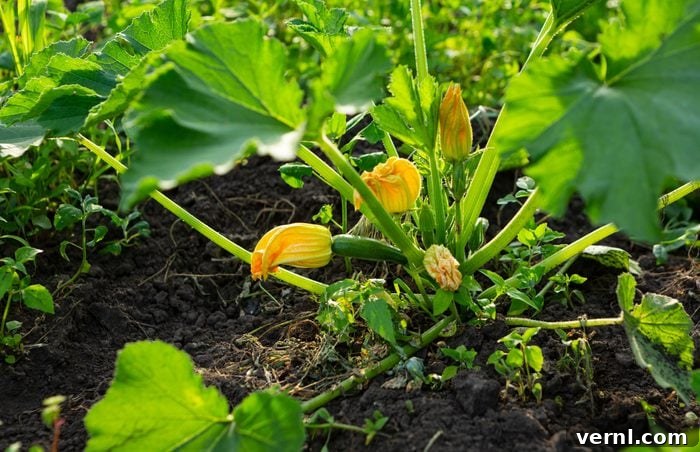
Vigilance is your best tool for managing pests and diseases in the garden. Paying careful attention to your plants helps you spot problems early, allowing you to address them effectively without resorting to harsh chemical pesticides.
Common Insect Pests and Organic Solutions
The most common insect pests for squash are squash bugs and squash vine borers. Early detection and consistent management are key.
- Squash Bugs: These gray-brown insects can cause extensive damage. Check the undersides of leaves regularly for their bronze-colored, oval eggs laid in clusters. If you see them, scrape them off and crush them. Hand-picking adult squash bugs and nymphs is effective. For larger infestations, consider applying neem oil or insecticidal soap, especially to young nymphs.
- Squash Vine Borers: These larvae tunnel into the stems of squash plants, causing sudden wilting. Watch for one stem that wilts while the rest of the plant looks fine, and look for frass (sawdust-like excrement) near the base of the stem. If detected, you can try to cut open the stem longitudinally, remove the borer, and then bury the stem section to encourage rooting. Otherwise, cut off the affected stem and dispose of it far from the garden to prevent further spread.
- Preventive Measures:
- Floating Row Covers: Cover young squash plants with a floating row cover immediately after planting to create a physical barrier against early season pests. Be sure to remove the row cover once the plants begin to flower to allow bees to pollinate them.
- Crop Rotation: Plant squash in different areas of the garden each year. These insects often overwinter in soil where squash was grown the previous year.
- Garden Hygiene: Remove and destroy any infected plant debris at the end of the season.
Managing Squash Diseases Organically
While squash plants are generally robust, they can occasionally suffer from diseases. The most common is powdery mildew.
- Powdery Mildew: This fungal disease shows up as white, powdery patches on the leaves. In most cases, powdery mildew won’t kill the plant outright but can weaken it, reduce photosynthesis, and significantly decrease the amount of squash it produces.
- Prevention: Ensure adequate spacing between plants to improve air circulation, grow squash in full sun, and practice crop rotation. Avoid overhead watering, which can spread spores.
- Treatment: For mild cases, a diluted milk spray (1 part milk to 9 parts water) or neem oil can help. Remove severely infected leaves.
- Other Diseases: Less common but still possible are downy mildew and bacterial wilt. Good garden hygiene, resistant varieties, and proper spacing are the best defense against most diseases.
Why Your Squash Might Not Be Forming
A common frustration for new gardeners is seeing plenty of flowers but no squash. This is usually a pollination problem. Squash plants produce separate male and female flowers. The male flowers appear first, typically on long, thin stalks, while female flowers have a tiny, swollen ‘fruit’ (the future squash) at their base. Bees and other pollinators are the vital go-betweens, transferring pollen from male to female flowers.
- Lack of Pollinators: If you notice the small squashes at the base of the female flowers aren’t growing and eventually shrivel, it’s likely because the flowers weren’t pollinated.
- Encourage Bees: Attract bees to your garden by planting a diverse range of pollinator-friendly flowers nearby, such as zinnias, sunflowers, calendula, or borage.
- Hand Pollination: If natural pollination is insufficient, you can hand-pollinate. In the morning, pick a freshly opened male flower, remove its petals, and gently rub the pollen-dusted anther onto the stigma of a freshly opened female flower.
How To Harvest and Store Your Squash Bounty

The moment of harvest is the gardener’s ultimate reward. Knowing when and how to pick your squash ensures the best flavor and extends their shelf life.
Harvesting Summer Squash: Pick Early, Pick Often
Summer squash is best when picked young and tender. Harvest summer squash when it’s typically two to eight inches long, depending on the variety. Zucchini, for instance, is most flavorful at 6-8 inches. Picking frequently, every few days, encourages the plant to produce more. Use a sharp knife or pruning shears to cut the squash from the vine, leaving a short stem attached. This clean cut avoids damaging the rest of the plant. Don’t let summer squash get too large; overgrown squash becomes seedy and less flavorful. Even if you don’t plan to eat an overgrown squash, remove it to prevent the plant from putting all its energy into one giant fruit, which can slow down overall production.
Harvesting and Storing Winter Squash: For Months of Enjoyment
Winter squash is harvested much later in the season, when the fruits have fully matured and the outer skin is hard – so hard that you can’t easily penetrate it with your fingernail. The colors should be deep and rich, indicating full ripeness. Cut the squash from the vine, again using a sharp knife and leaving at least an inch or two of the stem attached. Do not carry winter squash by the stem, as breaking it off can drastically reduce storage time.
Winter squash can be eaten immediately after harvesting, but for optimal flavor and extended storage, it needs to be “cured.” To cure winter squash, gently wipe off any dirt, then place it in a warm, well-ventilated location (75°F to 85°F / 24°C to 29°C) with moderate humidity for 10 to 14 days. This curing process toughens the skin and allows any minor cuts or nicks to heal over, which is crucial for preventing rot in storage and improving flavor. After curing, store winter squashes in a cool, dry location with good air circulation, ideally between 50°F and 55°F (10°C to 13°C), until you’re ready to eat them. Check the seed packet for more specific storage instructions for particular varieties, as some may vary slightly. Regularly inspect stored squash and remove any that show signs of spoilage to prevent it from spreading.
Enjoying Your Squash Harvest: Culinary Delights
With a successful harvest, the possibilities are endless! Summer squash shines in quick dishes like grilled zucchini planks, spiralized “zoodles,” or grated into muffins and breads. Its mild flavor makes it incredibly versatile. Winter squash, with its rich, sweet, and nutty notes, is perfect for hearty roasted vegetable dishes, creamy soups, savory purees, or even as a healthy substitute in baked goods.
Growing squash can be one of the most rewarding experiences in your garden. With the right care and attention, you can enjoy a continuous supply of this versatile vegetable, from the tender first fruits of summer to the robust, comforting flavors of winter. Happy gardening!