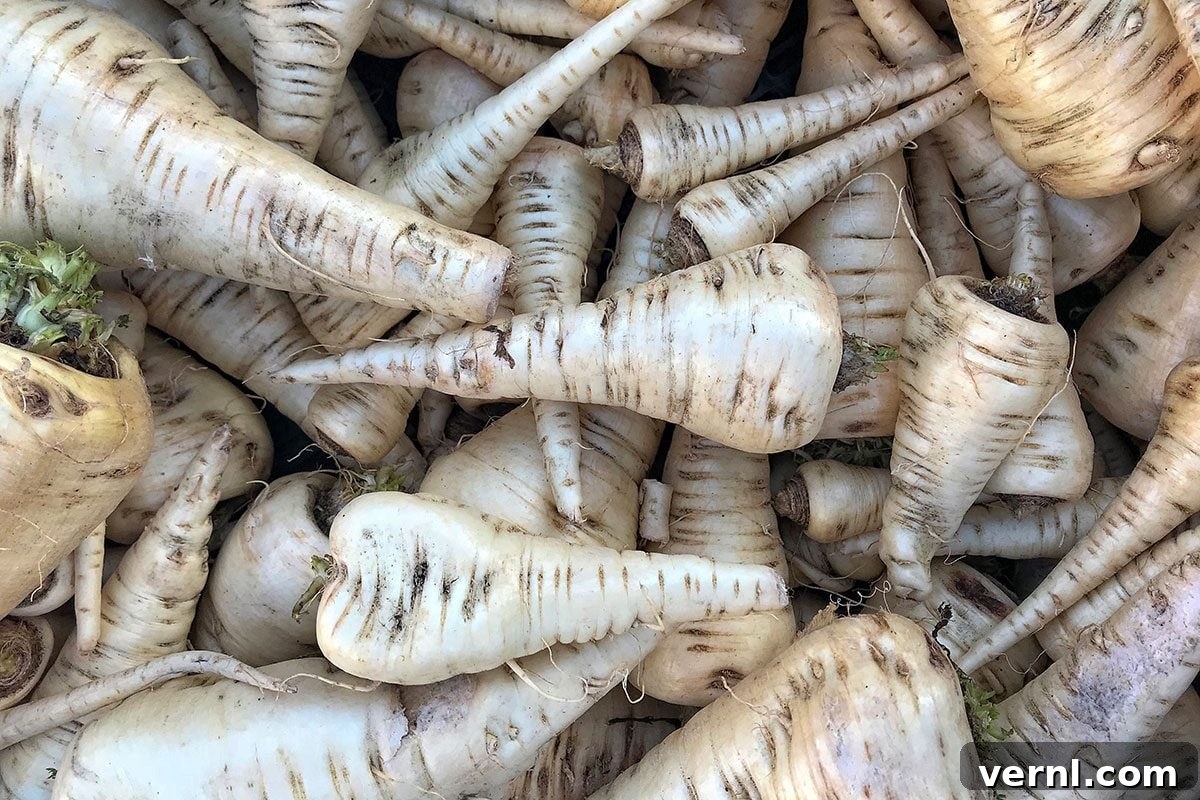
Harnessing the full potential of horseradish, whether for its vibrant, pungent flavor in culinary creations or its impressive array of health benefits, hinges on mastering the art of its harvest. This robust and often fiery root vegetable, scientifically known as Armoracia rusticana, boasts remarkable antioxidant, anti-inflammatory, and even anti-carcinogenic properties, making proper cultivation and extraction crucial. Understanding the optimal timing and techniques for harvesting ensures you maximize both its distinctive taste and its potent therapeutic qualities.
In this comprehensive guide, we delve into expert insights from leading horticulture specialists, revealing the best windows for harvesting horseradish, detailing effective practices, and highlighting common pitfalls to meticulously avoid. Prepare to elevate your gardening prowess and unlock the finest characteristics of this incredible root.
When to Harvest Horseradish for Peak Flavor and Potency
Timing is paramount when it comes to harvesting horseradish. To fully capitalize on its unique flavor profile and health benefits, ensuring the roots have reached their peak maturity and accumulated sufficient starches and sugars is essential. Carol Waters, an esteemed commercial fruit and vegetable production extension educator at the University of Nebraska-Lincoln, strongly advocates for an annual harvesting cycle to maintain plant vigor and root quality.
“The ideal period for harvesting horseradish begins anytime after the first significant hard frost has occurred, but crucially, before the ground freezes solid,” explains Dr. Elizabeth Ann Wahle, an extension specialist in commercial agriculture at the University of Illinois Urbana-Champaign. She elaborates, “This specific window allows the horseradish plant ample time to maximize its root growth and initiate the crucial process of storing starches and sugars in response to the cooler temperatures. This natural physiological response is what contributes significantly to the root’s characteristic flavor and heat.”
Attempting to harvest prematurely, Dr. Wahle cautions, carries the risk of yielding undersized roots. More importantly, early harvesting prevents the root vegetable from developing its full, intense flavor and heat, resulting in a less potent and satisfying product. Conversely, delaying the harvest too long into deeply frozen ground can make digging incredibly difficult and potentially damage the roots.
Therefore, the autumn months, particularly after the first hard frost but prior to the soil becoming impenetrable, generally present the most opportune time for harvesting horseradish across many temperate regions. While specific visual cues for maturity are not as pronounced as with some other vegetables, Waters notes that while there aren’t many obvious external indicators, Charlotte Welliver, an expert in horticulture, suggests that you can generally anticipate your horseradish plants will be ready for a successful harvest approximately one year after their initial planting. This annual cycle ensures a continuous supply of tender, potent roots and prevents older roots from becoming woody and less palatable.
Comprehensive Guide: How to Successfully Harvest Horseradish Roots
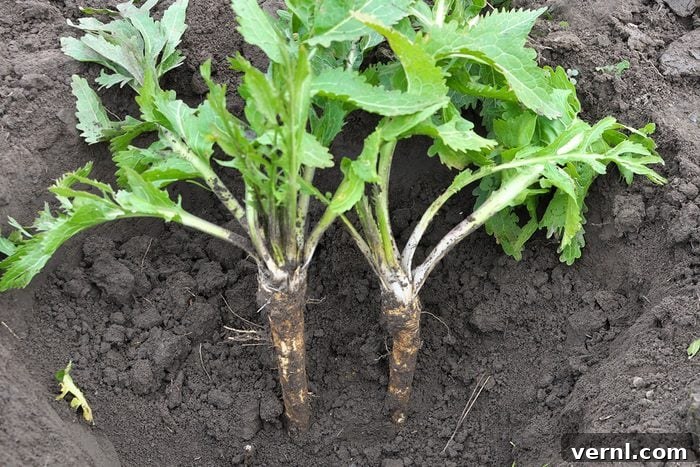
Unlike many common garden vegetables that propagate from seeds, horseradish uniquely grows from a portion of its main root, known as a “set.” This distinct characteristic profoundly influences the approach to harvesting. Depending on the scale of cultivation, horseradish can be harvested through various manual and mechanical techniques. “For home gardeners or small-scale producers, manual digging is the preferred method, offering precision and care. In contrast, large-scale commercial operations typically rely on mechanical digging equipment for efficiency,” states Linda Langelo, an esteemed extension horticulture specialist at Colorado State University.
For the average home gardener, harvesting manually with a sturdy garden fork is overwhelmingly recommended and often proves to be the most effective and least damaging approach to preserving root quality.
Preparing for the Harvest
Before you even begin to dig, a little preparation can make a significant difference. Horseradish thrives in loose, well-drained soil, which makes the roots easier to extract. If your soil is heavy clay, consider working in some compost or organic matter in advance of planting to improve its structure. A day or two before you plan to harvest, Dr. Wahle advises thoroughly irrigating the area. This pre-watering helps to moisten and loosen the soil, making it more pliable and significantly reducing the risk of delicate roots fracturing or breaking during the extraction process. Always wear gardening gloves, as handling horseradish roots can irritate sensitive skin due to their pungent compounds.
The Digging Process: Step-by-Step
Dr. Wahle recommends beginning the harvest by gently loosening the soil in a wide circle, approximately one foot (30 cm) away from the plant’s base. This wider perimeter ensures you’re less likely to strike the main root directly and instead can ease it out of the ground. Carefully insert your garden fork deep into the loosened soil, working your way around the plant. Gradually pry the soil upward, using leverage to lift the entire plant and its root system from the ground. The key is to avoid any sudden, forceful pulling or wrenching motions that could fracture the delicate root pieces.
Once the plant is lifted, gently shake off any excess soil clinging to the roots. You will observe a central, larger root—this is your primary horseradish harvest. Attached to it will be various offshoot roots, some thick, some thin. It’s a good practice to cut off these offshoot roots, carefully selecting which ones to save for future planting. Waters and Wahle collectively emphasize the value of saving healthy, robust roots that are at least eight inches (approximately 20 cm) long, and ideally up to twelve inches, for replanting next season. These are known as “sets” and will form the basis of your next horseradish crop.
The University of Minnesota Extension team, in their insightful article “Growing Horseradish in Home Gardens,” provides a crucial tip for preparing these saved roots: “When cutting the roots for replanting, make sure to cut them squarely across at the top (the end that was closer to the plant’s crown) and slope the cut towards the bottom (the end that was further from the crown). This specific angled cut will make it significantly easier to remember which end should be set upright when it comes time for planting.” This simple technique prevents confusion and ensures proper growth.
Post-Harvest Care and Storage
After harvesting, the immediate care of your horseradish roots determines their longevity and quality. If you intend to consume your horseradish within a few days or weeks, it’s crucial to wash the roots thoroughly under cold running water to remove all soil. Allow them to air dry completely before placing them into a sealed plastic bag or airtight container. These should then be refrigerated immediately. Stored in this manner, fresh horseradish can typically last for several weeks in the crisper drawer of your refrigerator.
For long-term storage, especially if you have a bountiful harvest, Wahle offers several excellent options. One traditional method involves storing the roots in a root cellar. An ideal root cellar environment provides cool (just above freezing, 32-40°F or 0-4°C) and humid conditions. The horseradish roots should be nestled in moist sand, sawdust, or peat moss to prevent them from drying out. Alternatively, for those without a root cellar, a similar method can be employed in the refrigerator. Place the unwashed, untrimmed roots into a large plastic bag filled with slightly moist sand or peat moss. Ensure the bag is loosely tied to allow for some air circulation while maintaining humidity. This method can preserve horseradish roots for several months, often through the entire winter. Before using stored roots, simply wash, peel, and prepare them as desired.
Additionally, horseradish can be processed for storage. Grating or chopping the roots and preserving them in vinegar is a popular method to create ready-to-use horseradish sauce. This process not only extends shelf life but also prepares the root for direct culinary application.
Essential Harvesting Horseradish: Dos and Don’ts for Optimal Results
Achieving the best possible horseradish harvest, rich in flavor and free from damage, requires adherence to proven strategies. Below, horticulture experts share their critical tips:
- Do Harvest Following a Frost Event: Dr. Wahle strongly emphasizes the importance of patience. Waiting to harvest horseradish until after the first hard frost allows the plant to fully develop its starches and sugars, significantly enhancing both the flavor intensity and the desired root size. This waiting period is crucial for optimal pungency.
- Don’t Use a Shovel for Digging: “Shovels are designed to cut through soil, making them prone to slicing directly through horseradish roots,” Dr. Wahle explains. “This not only damages the harvested root but also leaves small root pieces behind in the soil, which can readily germinate and become persistent, weedy volunteer plants in your garden.” A garden fork is far superior for gently lifting.
- Do Harvest Yearly: “It is absolutely vital to harvest horseradish on an annual basis,” advises Carol Waters. “If the roots are left in the ground for a second season or longer, they will inevitably become woody, stringy, and lose much of their desirable sharp flavor, rendering them significantly less palatable.” Regular harvesting encourages new, tender growth.
- Do Water Before Harvesting: Dr. Wahle explicitly recommends irrigating the harvesting area thoroughly a day or two before you plan to dig. This simple step moistens the surrounding soil, making it softer and more forgiving, thereby helping to prevent the roots from snapping or breaking during extraction.
- Do Refrigerate Immediately After Harvest: To preserve the quality, flavor, and pungent heat of your freshly harvested horseradish, Dr. Wahle instructs gardeners to refrigerate the roots as soon as possible after they have been cleaned. Prompt refrigeration slows down enzymatic breakdown and maintains freshness.
- Don’t Forget to Loosen the Soil Extensively: “A common mistake is not loosening enough soil around the entire root system before attempting to lift the plant,” warns Dr. Wahle. “Failing to do so places undue stress on the roots, increasing the likelihood of breakage and leaving valuable pieces behind.” Take the time to dig a wide circle around the plant.
- Don’t Rush to Harvest Your Horseradish: Impatience can lead to an inferior product. “Always wait for the full root and flavor development that naturally occurs with the onset of cooler, post-frost temperatures,” advises Dr. Wahle. Rushing the harvest means sacrificing both size and potency.
- Do Wear Protective Gloves: The volatile oils responsible for horseradish’s pungency can irritate skin and eyes. Always wear sturdy gardening gloves when handling the roots, especially during cleaning and processing, to prevent discomfort.
- Don’t Leave Small Root Fragments in the Soil: While complete removal can be challenging, strive to gather as many root pieces as possible. Any small fragment left behind has the potential to sprout into a new plant, potentially making horseradish an invasive presence in your garden if not managed.
- Do Inspect Roots for Quality: Before storing or processing, examine your harvested roots. Discard any roots that show signs of disease, extensive insect damage, or rot, as these can contaminate healthy roots during storage.
By diligently following these expert recommendations, you can ensure a successful and rewarding horseradish harvest year after year, guaranteeing a consistent supply of this versatile and beneficial root.
About the Experts
-
Linda Langelo is an extension horticulture specialist at Colorado State University and the insightful producer of The Relentless Gardener podcast, sharing invaluable gardening knowledge.
-
Carol Waters serves as a dedicated commercial fruit and vegetable production extension educator at the University of Nebraska-Lincoln, guiding growers towards successful harvests.
-
Elizabeth Ann Wahle, Ph.D., is a highly regarded extension specialist focusing on commercial agriculture at the University of Illinois Urbana-Champaign, contributing vital research and advice.
Sources
-
Lancaster.unl.edu: “Horseradish”
-
Extension.umn.edu: “Growing horseradish in home gardens”
-
Extension.psu.edu: “Growing Horseradish”
Related Reading
- 7 Reasons Why Your Houseplants Might Stink
- 8 Must-Know Tips to Drought-Proof Your Lawn
- Tired of Raking Leaves? Plant These Trees Instead
[cf]skyword_tracking_tag[/cf]