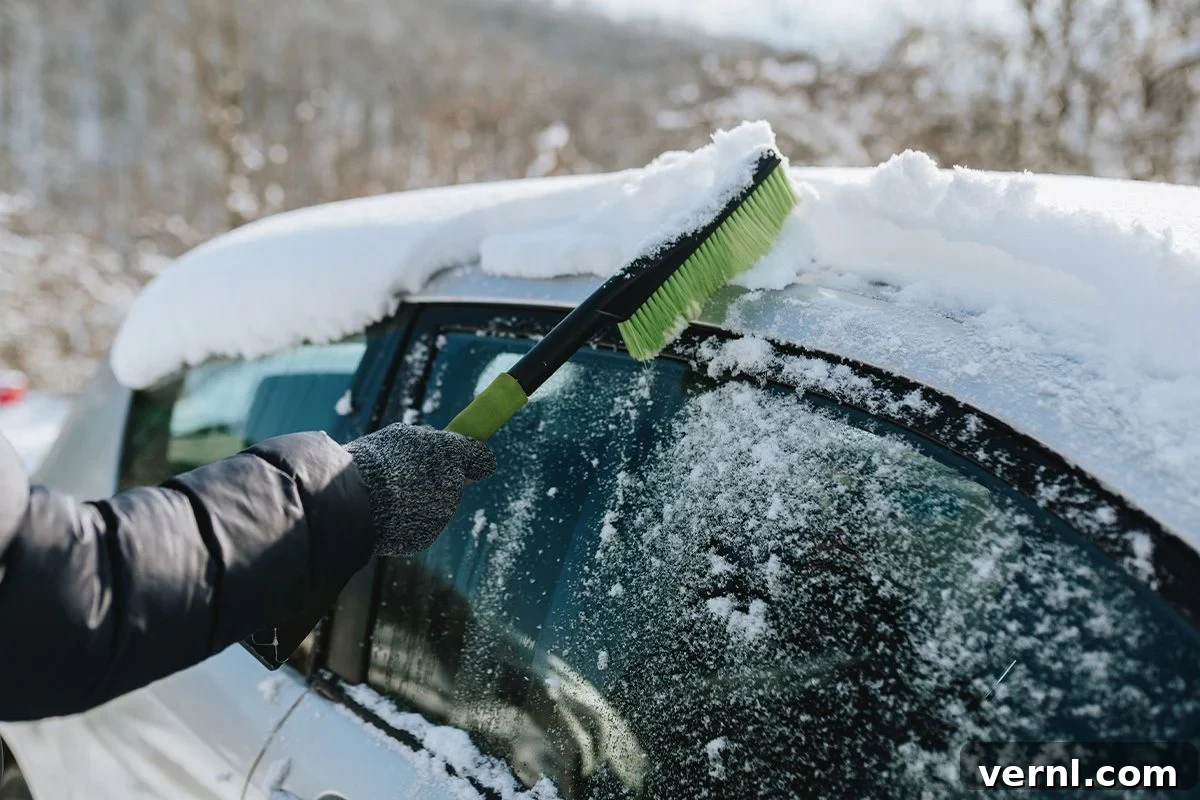
Essential Winter Car Care Tips to Protect Your Vehicle
While Californians enjoy milder winters that are generally easier on vehicles, those living in colder climates face a constant battle against snow, ice, and, most importantly, road salt. The harsh reality is that winter conditions can significantly accelerate wear and tear, leading to rust, corrosion, and costly repairs. This guide provides comprehensive advice from automotive experts on how to protect your car from the damaging effects of winter, ensuring its longevity and your safety on the road.
Unlike the West Coast, where snow is a rare sight, the North, Midwest, and Northeast experience frequent snow and ice storms. This necessitates the use of road salt and de-icing chemicals, which, while effective in keeping roads safe, pose a significant threat to your vehicle’s integrity.
According to Toronto-based car detailer Parham Koukia, “The real problem isn’t the snow itself, but the aftermath. Road salt, sand, and slush cling to every surface of the car after a snow or ice storm. This creates a corrosive environment that speeds up paint damage and rust formation, especially in vulnerable areas like the undercarriage, brake lines, and suspension components.”
Ignoring winter car care can lead to severe consequences. Imagine driving a car with a rusted-out floorboard – a testament to the destructive power of neglect. Fortunately, with the right knowledge and preventative measures, you can safeguard your vehicle from the ravages of winter.
The Importance of Regular Car Washing During Winter
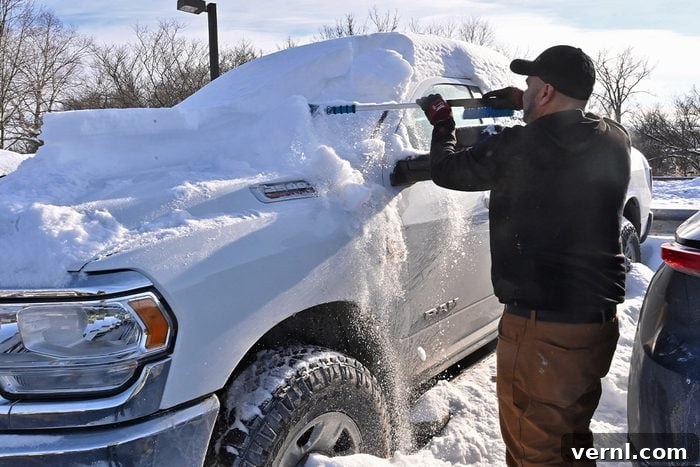
Washing your car regularly during winter isn’t just about aesthetics; it’s about preventing long-term damage. Luke Oswald, an expert in evaluating end-of-life vehicles, emphasizes this point: “Salt and de-icing chemicals stick to the car, particularly underneath and around the wheels. They don’t simply disappear once the roads dry. This residue traps moisture against the metal, initiating corrosion.”
He further explains, “This corrosion often starts in hidden areas like brake lines, suspension parts, and mounting points. By the time you notice visible rust, the damage may have already compromised crucial safety components and significantly reduced your car’s value.” Regular washing removes these corrosive elements, mitigating the risk of rust and maintaining your car’s structural integrity.
It’s crucial to establish a proactive washing routine throughout the winter season, rather than simply washing after a storm. Continuous exposure to road salt requires ongoing vigilance.
Optimal Timing for Winter Car Washing
The ideal time to wash your car is generally one to three days after a snowstorm. This allows for the roads to be cleared and temperatures to rise above freezing, making the washing process more effective and preventing water from freezing on the vehicle.
Oswald advises, “It’s not necessary to rush to the car wash immediately after a storm. Waiting until the roads are cleared and daytime temperatures are above freezing is often the best approach.” However, he cautions against waiting too long, as de-icing chemicals can quickly begin their corrosive work.
When to Delay Washing Your Car
There are situations where delaying a car wash is advisable. Koukia recommends holding off if temperatures remain below freezing for several consecutive days and a commercial car wash isn’t readily available. “Washing in extreme cold can lead to water becoming trapped in crevices, which can then freeze and cause problems like stuck doors, frozen locks, or even stress cracks in the paint.”
Focus Areas for Winter Car Washing
Certain parts of your car are more susceptible to damage from road salt and require extra attention during washing:
- Undercarriage: This is the most critical area, as it’s directly exposed to road salt and grime. Brake lines, suspension parts, exhaust components, and mounting points are particularly vulnerable. Oswald notes, “Rust in these areas is a common reason for cars being devalued or deemed unsafe. The cost of repairing rust damage to the undercarriage often exceeds the vehicle’s value.”
- Wheel Arches: These areas are constantly bombarded by salt and grit kicked up by the tires. Over time, this buildup can spread to adjacent panels and seams.
- Wheels: Brake dust and salt can combine to damage wheel finishes, especially on alloy wheels.
Practical Tips for Preventing Winter Car Damage
These winter car care tips can help extend the life of your car and ensure a safer driving experience:
- Regular Washing: Don’t limit washing to post-storm cleanups. Winter roads often have lingering de-icing chemicals. Frequent washing prevents these chemicals from accumulating and causing damage.
- Short Trip Considerations: “Cars used primarily for short winter journeys don’t get warm enough for moisture to evaporate, especially underneath,” explains Oswald. Increase washing frequency for cars used primarily for shorter drives.
- Focus on Seams and Edges: Pay close attention to seams and edges where body panels meet, around bolt heads, and along door seams. These areas trap salty water and are slow to dry.
- Clean Wheel Arches and Suspension: Remove packed snow and ice from wheel arches and suspension parts. This prevents moisture from being trapped against the metal for extended periods.
Oswald emphasizes the importance of addressing any unusual symptoms: “If you notice something sticking, squeaking, or feeling different after winter driving, don’t ignore it. These are often early signs of salt buildup. Addressing them promptly can prevent corrosion from spreading and leading to costly repairs.”
Frequently Asked Questions About Winter Car Care
How often should I wash my car in winter?
Koukia recommends washing your car approximately once a week if you regularly drive on salted roads. If you drive less frequently or experience milder winters, you can reduce the frequency to once every one or two weeks.
Will washing my car in winter cause rust?
Both Oswald and Koukia agree that this is a myth. Washing your car actually helps prevent rust by removing corrosive salt. The risk of rust arises when moisture is allowed to freeze in mechanical areas due to inadequate drying.
About the Experts
- Luke Oswald is an automotive specialist at Wheels Away, an online car-buying service specializing in scrap, junk, and end-of-life vehicles. His experience provides him with valuable insights into the common mechanical, safety, and roadworthiness issues that lead to cars being deemed unsafe or uneconomical to repair.
- Parham Koukia has worked in the auto detailing industry for nearly 15 years. He is the Lead Detailer and Operations Manager at Panda Hub, a Toronto-based detailing company.
Further Resources
For additional information on car care and maintenance, consider exploring these resources:
- Winter Tire Guide: Choosing the Right Tires for Your Vehicle
- DIY Car Detailing: A Step-by-Step Guide
- Protecting Your Car’s Paint: Tips and Tricks