Comprehensive Guide: How to Effectively Get Rid of Gnats Indoors and Outdoors
Gnats are a ubiquitous nuisance, and their presence can quickly transform a comfortable living space into an irritating environment. These tiny, flying insects, often mistaken for miniature mosquitoes or fruit flies, tend to appear almost out of nowhere, multiplying rapidly before you even realize an infestation is underway. While they are generally harmless to humans, their sheer numbers can be incredibly annoying, buzzing around your face, contaminating food, and becoming a persistent distraction. This comprehensive guide will equip you with a range of effective strategies, from simple DIY solutions to more robust control methods, to help you eliminate gnats and reclaim your home and garden, ensuring a more peaceful and gnat-free existence.
Understanding the Different Types of Gnats
Before you can effectively combat a gnat problem, it’s crucial to identify which type of gnat you’re dealing with, as their breeding habits and attractions vary significantly. The term “gnat” is often used loosely to describe several small flying insects. The most common culprits found in homes and gardens include:
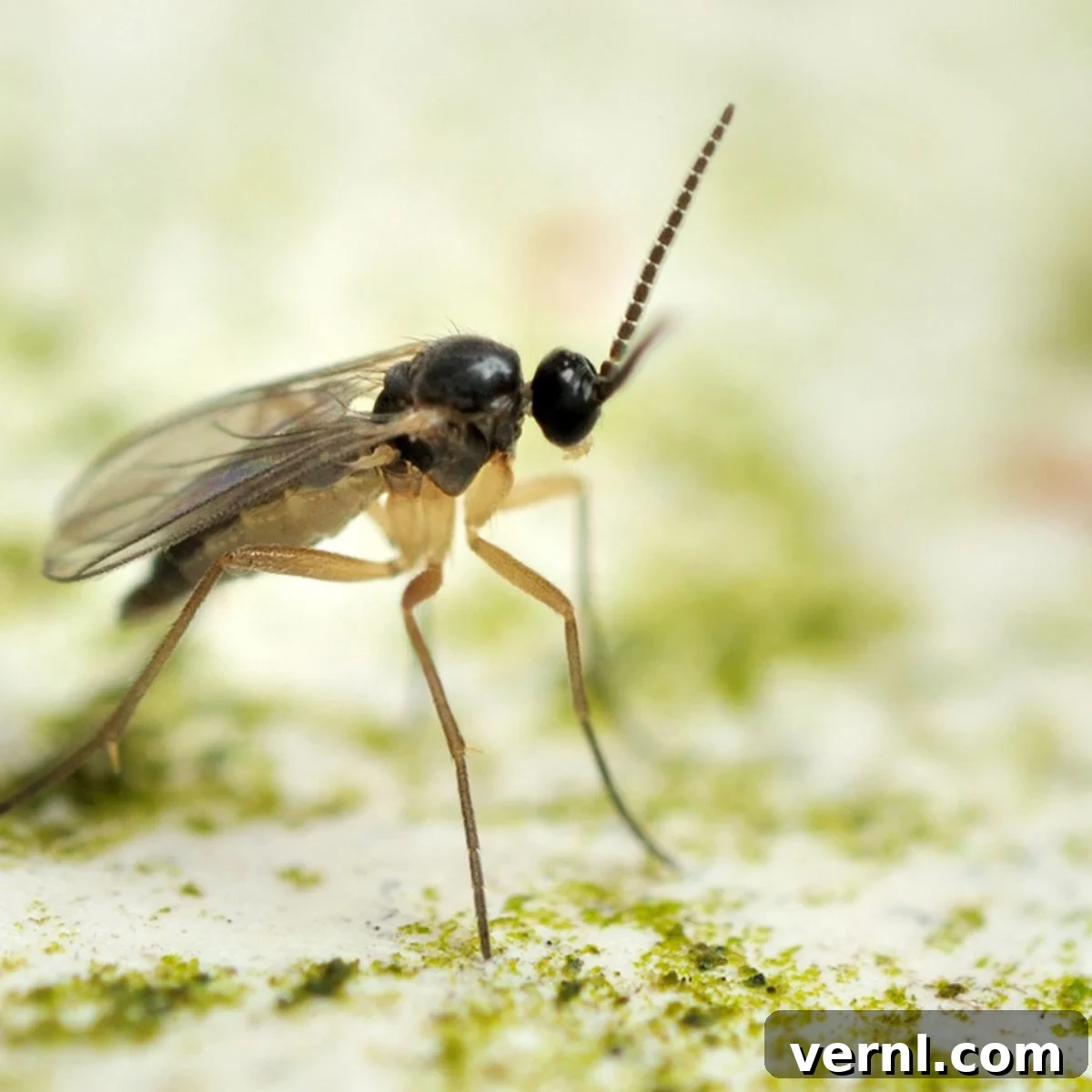
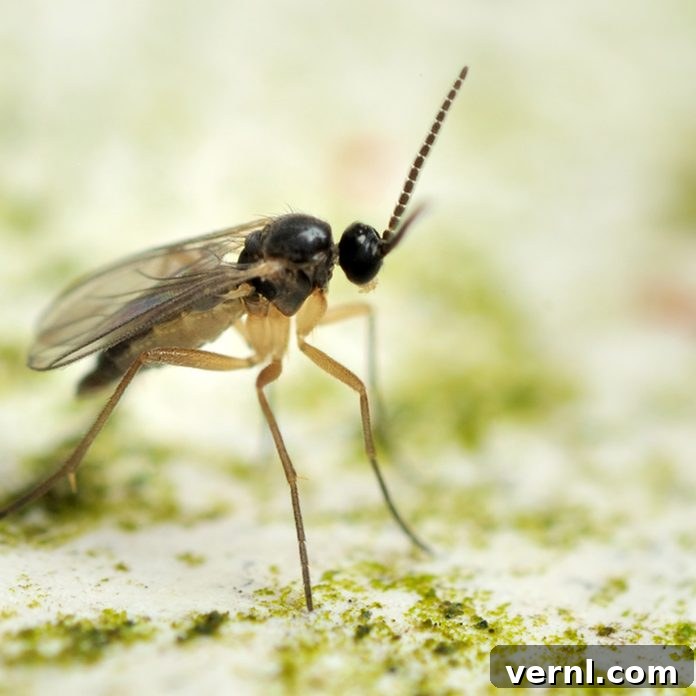
- Fungus Gnats: These are arguably the most common indoor gnats. They are tiny, dark-bodied flies, about 1/8-inch long, often seen flying erratically around houseplants or windows. Fungus gnats are attracted to moist soil, where they lay their eggs. Their larvae feed on fungi and decaying organic matter in the soil, and sometimes even on plant roots, which can be detrimental to sensitive seedlings or overwatered plants.
- Drain Flies (Moth Flies): Slightly larger and fuzzier than fungus gnats, drain flies have a distinctive V-shaped wing posture when at rest. As their name suggests, they breed in the gelatinous sludge that accumulates in drains, sewers, and other damp, decaying organic matter. You’ll often find them in bathrooms, kitchens, and utility rooms, especially near sinks, tubs, and floor drains.
- Fruit Flies: While not technically gnats, fruit flies are frequently confused with them due to their similar size and indoor presence. They are typically light brown or tan with distinctive red eyes and are strongly attracted to ripe, fermenting, or decaying fruits and vegetables, as well as spills of sugary liquids. They can multiply rapidly, laying eggs on the surface of overripe produce.
- Biting Gnats (No-See-Ums): Primarily an outdoor nuisance, these tiny biting midges are incredibly small, making them hard to see, hence the “no-see-um” moniker. They deliver a disproportionately painful bite and are most active during dawn and dusk, especially in humid environments near standing water.
Understanding these distinctions will allow you to tailor your approach and target the source of the infestation more accurately.
Effective Strategies for Indoor Gnat Control
Indoor gnat problems, particularly those caused by fungus gnats and drain flies, can be persistent but are entirely manageable with the right approach. The key lies in identifying and eliminating their breeding grounds and attraction sources.
1. Deploying Commercial Gnat Traps
For a straightforward and often highly effective solution, consider investing in commercial gnat traps. These products are specifically designed to target gnats without resorting to widespread pesticide use inside your home. They come in various forms, each with its own mechanism of action:
- Sticky Traps (Yellow Sticky Traps): These are incredibly popular for fungus gnats. The bright yellow color is highly attractive to gnats, which then land on the non-toxic, super-sticky surface and become permanently adhered. Place these traps directly into potted plants, near windows, or wherever you observe gnats congregating. They offer a visual indicator of your gnat population and are excellent for monitoring and reducing adult numbers. You can find effective, non-toxic gnat traps specifically designed for houseplants online at affordable prices.
- UV Light Traps: Some indoor insect traps utilize UV light to attract various flying insects, including gnats, into an electrified grid or a sticky trap. These can be effective in larger rooms or areas where you want broad pest control, but may not specifically target fungus gnats in plant soil as effectively as yellow sticky traps.
- Pheromone Traps: Less common for general gnat control but available for specific insect types, these traps use insect pheromones to lure and trap pests. Always check the specific pest they target.
Regularly check and replace these traps as they become full to ensure continuous control and monitor the effectiveness of your efforts.
2. Crafting Homemade Gnat Traps
If you prefer a DIY approach or need an immediate solution, homemade gnat traps can be remarkably effective and utilize common household ingredients. These traps often rely on an attractive bait combined with a mechanism to prevent the gnats from escaping.
- Apple Cider Vinegar (ACV) Trap: This is a classic and highly effective trap for fungus gnats and fruit flies. Pour about an inch of apple cider vinegar into a shallow dish or small bowl. Add a few drops of dish soap (this breaks the surface tension of the vinegar, causing gnats to sink and drown). Cover the dish tightly with plastic wrap and poke several small holes in the top with a toothpick. Gnats will be drawn in by the vinegar’s scent but will struggle to escape once inside.
- Red Wine Trap: Similar to the ACV trap, red wine or leftover beer can also attract gnats due to their fermenting sugars and alcohol. Use the same setup as the ACV trap: a shallow dish, a few drops of dish soap, and plastic wrap with small holes.
- Old Fruit Trap: For fruit flies specifically, a piece of overripe fruit (like a banana peel or a chunk of apple) placed in a jar with a funnel made from paper can be very effective. The fruit lures them in, and the funnel makes it difficult for them to fly back out.
Place these homemade traps near the source of the gnat problem, such as near fruit bowls, sinks, or infested houseplants. Remember to refresh the bait every few days for maximum effectiveness.
3. Addressing Houseplants: The Fungus Gnat Hub
Fungus gnats are almost exclusively linked to houseplants. Their presence is a strong indicator of overly moist soil, which encourages fungal growth—their primary food source. Tackling this source is paramount:
- Mastering Watering Habits: The most critical step is to allow the top 1-2 inches of soil to dry out completely between waterings. Fungus gnats thrive in constantly damp soil. Consider bottom-watering your plants, where you place the pot in a saucer of water and let the plant absorb moisture from below. This keeps the top layer of soil drier.
- Improve Drainage: Ensure your plant pots have adequate drainage holes. If not, repotting into a pot with better drainage, or adding a layer of gravel at the bottom (though this is debated for effectiveness), can help. Avoid letting pots sit in standing water.
- Soil Amendments:
- Sand or Gravel Topping: A 1/2 to 1-inch layer of decorative sand, fine gravel, or even horticultural grit on top of the soil can create a dry barrier that prevents adult gnats from laying eggs and existing larvae from emerging.
- Diatomaceous Earth (DE): Food-grade diatomaceous earth is a natural, non-toxic powder made from fossilized diatoms. When sprinkled on the soil surface, its microscopic sharp edges cut and dehydrate insect larvae and adults that come into contact with it.
- Neem Oil: A natural insecticide, diluted neem oil can be used as a soil drench to kill gnat larvae and also sprayed on foliage to deter adult gnats.
- Repotting and Sterilizing Soil: If an infestation is severe, consider repotting your plant with fresh, sterile potting mix. Before using, some people even bake their potting soil (at low temperatures, for a short period) to kill any existing eggs or larvae, though this should be done carefully and with good ventilation.
- Inspect New Plants: Always inspect new plants for signs of gnats or larvae before bringing them into your home. It’s also wise to isolate new plants for a week or two to ensure they are pest-free.
4. Eliminating Drain Flies: A Battle Against Sludge
Drain flies indicate a buildup of organic sludge in your plumbing. Targeting this source is essential for eradication:
- Boiling Water Flush: Carefully pour several pots of boiling water down problematic drains. This can kill adult flies and larvae and help break down some of the sludge. Exercise extreme caution to avoid splashes.
- Baking Soda and Vinegar Treatment: A more eco-friendly approach involves pouring 1/2 cup of baking soda down the drain, followed by 1/2 cup of white vinegar. Let it sit for at least an hour (or even overnight) to allow the chemical reaction to break down the grime. Follow with a flush of boiling water.
- Drain Brushes and Cleaning Tools: For persistent clogs, a flexible drain brush can physically scrub away the sludge from the inside of the pipes. This is often more effective than chemical solutions alone.
- Enzyme Drain Cleaners: Unlike harsh chemical drain cleaners, enzyme cleaners use beneficial bacteria to digest organic matter in your drains, eliminating the drain flies’ food source and breeding ground. These are safer for your plumbing and the environment.
- Regular Maintenance: Prevent future infestations by regularly flushing drains with hot water, especially after heavy use, and occasionally using baking soda and vinegar or enzyme cleaners as a preventative measure.
5. General Indoor Prevention and Hygiene
Beyond targeted treatments, maintaining a clean and dry indoor environment is crucial for preventing all types of gnat infestations.
- Proper Food Storage: Store all ripe fruits and vegetables in the refrigerator or in airtight containers. Avoid leaving produce on counters for extended periods, especially if it’s overripe or damaged.
- Waste Management: Keep all trash cans tightly closed, especially those in the kitchen. Use trash bags that are free of holes and tie them securely before disposal. Take out the trash frequently, ideally daily if it contains food waste.
- Clean Up Spills Immediately: Any spilled sugary drinks, juice, or other food particles can attract gnats. Wipe them up promptly and thoroughly.
- Address Moisture Issues: Repair leaky pipes, faucets, or appliances immediately. Ensure bathrooms and kitchens are well-ventilated to reduce humidity. Damp areas are prime breeding grounds for many flying insects.
- Seal Entry Points: Check windows and doors for gaps or damaged screens. Repair or replace them to prevent gnats and other insects from entering your home.
Outdoor Gnat Control Strategies
Gnats can also be a significant problem outdoors, particularly in garden areas, around patios, or near water features. Addressing outdoor gnats often requires a different set of strategies, focusing on broader area control and source reduction.
1. Employing Insect Foggers for Large Areas
For very bad outdoor infestations around your deck, patio, or backyard, especially those involving biting gnats or swarms of non-biting gnats, an insect fogger can provide temporary relief. These devices are designed to disperse a fine mist or cloud of insecticide over a large area, effectively killing flying pests on contact.
- Types of Foggers:
- Thermal Foggers: These use heat to vaporize a liquid insecticide, creating a dense fog. They are often propane-powered and effective for covering larger areas quickly. You might consider buying an insect fogger for effective mosquito and gnat control around outdoor living spaces.
- Cold Foggers (ULV Foggers): These use a high-pressure pump to atomize the insecticide into a fine mist without heat. They are generally quieter and can be more precise.
- Safety Precautions: When using any insecticide fogger, always follow the manufacturer’s instructions meticulously. Wear appropriate personal protective equipment (PPE), such as gloves, masks, and eye protection. Ensure children and pets are indoors and away from the treated area during and immediately after application. Avoid using foggers near water bodies to protect aquatic life.
- Consider Alternatives: While effective, foggers use pesticides. For a more eco-friendly approach, consider other methods first or use foggers sparingly and responsibly.
2. Managing Your Yard and Garden to Deter Gnats
Many outdoor gnat problems stem from environmental factors in your garden or yard. By modifying these, you can significantly reduce gnat populations.
- Eliminate Standing Water: Gnats, like mosquitoes, often breed in standing water. Regularly empty bird baths, pet water bowls, clogged gutters, old tires, and any containers that collect water. Ensure proper drainage in your yard to prevent puddles.
- Compost Pile Management: If you have a compost pile, ensure it’s turned regularly and kept moist but not soggy. Keep it covered to deter gnats and other pests. Avoid adding overly wet or decaying food scraps directly to the top.
- Proper Lawn and Garden Care: Avoid overwatering your lawn. Ensure good air circulation around plants by pruning dense foliage. Remove decaying plant matter, fallen leaves, and fruit from your garden promptly, as these can become breeding sites.
- Outdoor Lighting: While gnats aren’t as strongly attracted to light as some other insects, bright outdoor lights can draw various pests. Consider using yellow “bug lights” or motion-sensor lights to minimize prolonged illumination.
- Natural Repellents and Plants: Plant gnat-repelling plants like citronella grass, marigolds, lavender, rosemary, or mint around your patio or garden. Essential oil diffusers with citronella, peppermint, or eucalyptus can also offer some localized relief.
- Beneficial Nematodes: For fungus gnats in outdoor potted plants or garden beds, introduce beneficial nematodes (Steinernema feltiae). These microscopic worms are natural predators of gnat larvae and are harmless to plants, pets, and humans.
Preventing Future Gnat Infestations: A Proactive Approach
The most effective long-term strategy for gnat control is prevention. By adopting proactive habits and maintaining a vigilant approach, you can significantly reduce the likelihood of future infestations.
- Consistent Sanitation: Regularly clean your kitchen, bathrooms, and utility areas. Promptly clean up food spills, crumbs, and dispose of garbage. Don’t leave dirty dishes in the sink for extended periods.
- Mindful Watering: Practice good watering habits for all indoor and outdoor plants. Allow soil to dry out between waterings. Ensure proper drainage in all pots and garden beds.
- Immediate Leak Repair: Fix any leaky pipes, faucets, or irrigation systems as soon as they are detected. Eliminating unnecessary moisture sources is critical.
- Regular Drain Maintenance: Make it a habit to flush your drains regularly with hot water or a baking soda/vinegar solution to prevent sludge buildup.
- Inspect New Additions: Always inspect new houseplants, soil, and even fresh produce for signs of pests before bringing them into your home.
- Seal and Screen: Ensure all windows and doors have well-fitting screens. Seal any cracks or openings in foundations, around pipes, and vents that could serve as entry points.
- Compost with Care: If you compost, manage your pile responsibly to prevent it from becoming a gnat magnet.
When to Call a Professional
While most gnat infestations can be managed with diligent DIY methods, there are situations where professional pest control assistance might be necessary:
- Persistent Infestations: If, despite consistent effort and trying various methods, the gnat problem persists or reoccurs quickly, it might indicate a deeply entrenched breeding source that is difficult to locate or treat without professional tools and expertise.
- Large-Scale Problems: For widespread outdoor infestations affecting large areas of your property, especially if biting gnats are involved, a professional can offer more comprehensive treatment plans.
- Identification Challenges: If you’re unsure what type of gnat or flying insect you’re dealing with, a pest control expert can accurately identify the pest and recommend the most effective targeted treatment.
- Structural Issues: Sometimes, drain flies or other moisture-loving pests can indicate hidden leaks or plumbing issues within walls or under floors. Professionals have the tools to identify and address these underlying problems.
Conclusion
Dealing with gnats requires patience, consistency, and a multi-faceted approach. By understanding the specific type of gnat you’re facing, employing a combination of commercial and homemade traps, diligently addressing breeding sites (especially in houseplants and drains), and maintaining impeccable sanitation, you can effectively eliminate existing infestations. Furthermore, adopting proactive prevention strategies will be your strongest defense against future gnat problems, ensuring your home and outdoor spaces remain comfortable, clean, and entirely gnat-free. Remember, vigilance is key, and a consistent effort will ultimately lead to a more peaceful environment for you and your family.