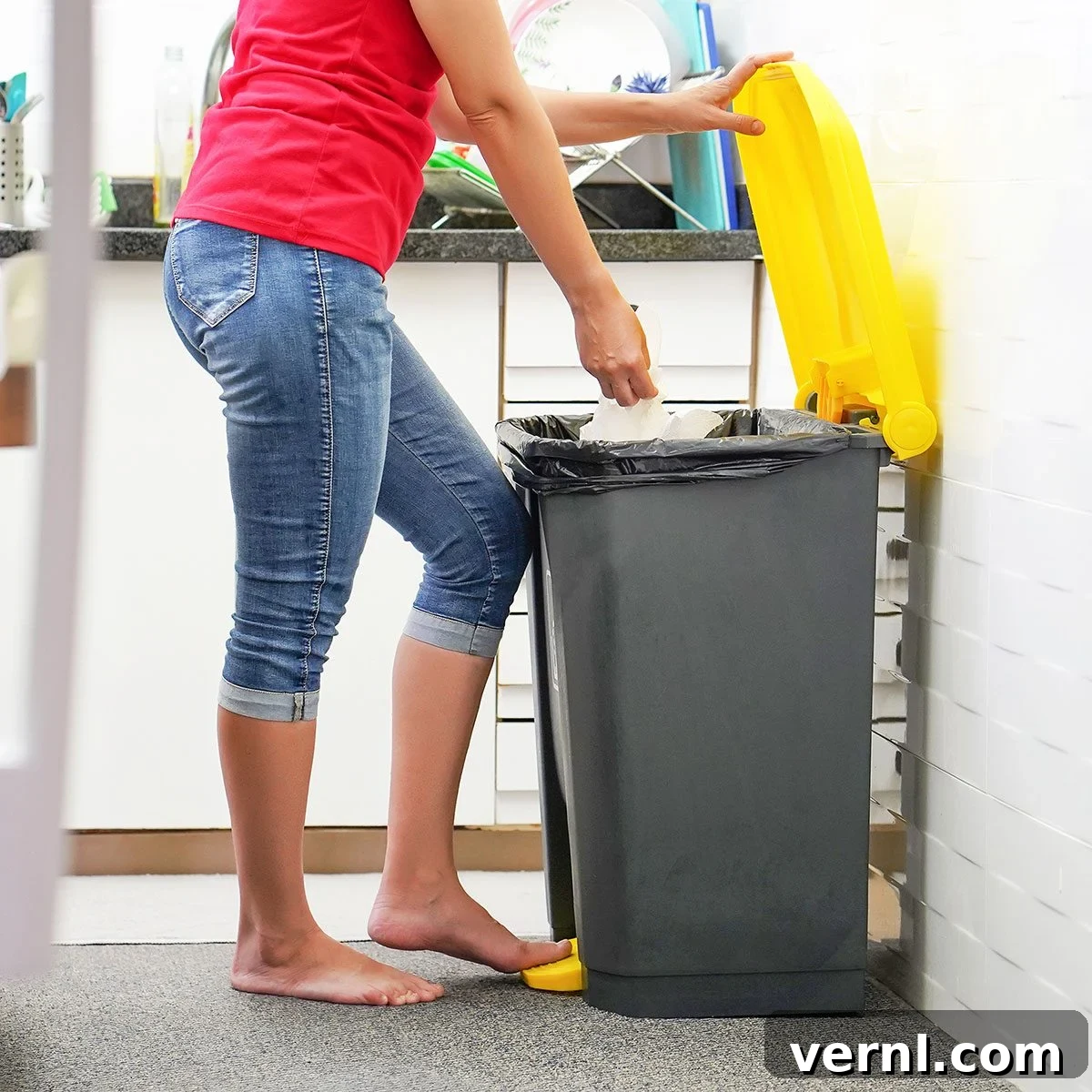
Every home, regardless of how meticulously it’s kept, occasionally faces the challenge of unpleasant odors. While there are many bad smells that can infiltrate your living space, few are as persistently troublesome and genuinely unbearable as the stench emanating from the garbage can. It’s a common misconception that simply taking out the trash solves the problem entirely. While removing the waste is a necessary first step, it often doesn’t eliminate the lingering, pungent odor that has permeated the bin itself. This article will unveil a remarkably simple, natural, and highly effective solution to this common household nuisance: baking soda.
The Unbearable Truth: Why Your Garbage Can Smells So Bad
The humble garbage can is a breeding ground for unpleasant aromas. It’s where food scraps, packaging, and various other forms of waste converge, creating a complex cocktail of decaying organic matter, moisture, and bacterial activity. As food breaks down, it releases volatile organic compounds (VOCs) that are responsible for the foul smells we associate with rotting garbage. Furthermore, the bin itself can absorb these odors over time, making it a source of continuous stench, even after it’s been emptied.
This persistent odor isn’t just a minor annoyance; it can permeate your kitchen, spread to other rooms, and even attract pests. A clean, fresh-smelling home is a sanctuary, and a stinky trash can can quickly undermine that sense of comfort and hygiene. Before we delve into the magic of baking soda, it’s crucial to understand that tackling the stench effectively requires a two-pronged approach: regular emptying of trash and proactive odor neutralization within the bin itself.
Baking Soda: Your Secret Weapon Against Trash Odor
For centuries, baking soda, scientifically known as sodium bicarbonate, has been celebrated for its versatility, from baking to cleaning. Among its many lesser-known superpowers is its remarkable ability to neutralize odors, making it an indispensable tool in the fight against a stinky garbage can. Unlike air fresheners that merely mask smells with stronger fragrances, baking soda actively works to absorb and neutralize the offensive odors at their source. It’s a natural, non-toxic, and incredibly affordable solution that provides a lasting freshness without introducing harsh chemicals into your home.
The Science Behind the Solution: How Baking Soda Neutralizes Odors
The effectiveness of baking soda as an odor eliminator lies in its unique chemical properties. Most unpleasant smells, particularly those from decaying organic matter like food waste, are acidic in nature. These acidic compounds have a lower pH level. Baking soda, however, is a mild alkaline substance with a pH level of approximately 9. When these acidic odor molecules come into contact with baking soda, a chemical reaction occurs. The alkaline baking soda acts as a neutralizing agent, bringing the pH balance closer to neutral. This process effectively breaks down the odor-causing compounds, rather than just covering them up.
Think of baking soda as a microscopic sponge or a magnet for smells. Its porous structure and chemical composition allow it to capture and hold onto the odor molecules, preventing them from wafting into your living space. This makes it a superior choice compared to many commercial air fresheners, which often rely on perfumes to temporarily overpower bad smells, leaving an artificial scent that can sometimes be more offensive than the original odor.
A Step-by-Step Guide: Banishing Garbage Can Odor with Baking Soda
Achieving a consistently fresh-smelling garbage can is simpler than you might imagine, especially when you incorporate baking soda into your routine. Here’s a detailed guide to help you implement this effective strategy:
Step 1: The Initial Deep Clean (Crucial Foundation)
Before you introduce baking soda, it’s imperative to start with a clean slate. A dirty, residue-laden trash bin will continue to harbor odor-causing bacteria and fungi, even with baking soda present. This initial deep clean sets the foundation for lasting freshness.
- Empty Completely: Ensure the bin is entirely empty of all trash bags and loose debris.
- Rinse: Take the bin outside or to a utility sink. Rinse it thoroughly with a hose or hot water to remove any loose grime.
- Scrub with Soap and Water: Fill the bin with a mixture of hot water and a generous amount of dish soap. Use a long-handled brush or sponge to vigorously scrub all interior surfaces, paying special attention to the bottom and any crevices where residue might accumulate. For stubborn grime, a paste of baking soda and water can be used as a natural abrasive cleaner.
- Disinfect (Optional but Recommended): For an extra layer of hygiene, you can follow up with a disinfecting solution. A mixture of equal parts white vinegar and water can be sprayed inside and left for a few minutes before rinsing. Alternatively, a diluted bleach solution (one part bleach to ten parts water) can be used, but always wear gloves and ensure good ventilation. Rinse thoroughly after disinfecting.
- Dry Completely: This step is critical. Moisture encourages bacterial growth, which leads to more odors. Tilt the bin to drain excess water, then let it air dry completely in the sun if possible. A clean, dry bin is essential for baking soda to work effectively.
Step 2: The Baking Soda Application
Once your garbage bin is sparkling clean and completely dry, it’s time for the odor-neutralizing power of baking soda.
- Sprinkle Evenly: Before placing a new trash bag into the can, simply sprinkle a layer of baking soda directly onto the bottom of the clean, dry bin.
- How Much: You don’t need to empty the entire box. Approximately 1/4 to 1/2 cup of baking soda should suffice for a standard kitchen trash can. The goal is to create a thin, even layer that covers the entire bottom surface. For larger outdoor bins, you might use more.
- Why the Bottom? Placing it at the bottom ensures that any liquids that might leak from trash bags, or any odors that settle, come into direct contact with the baking soda, maximizing its neutralizing effect.
Step 3: Ongoing Maintenance
To ensure continuous freshness, baking soda application shouldn’t be a one-time event.
- Reapply with Each Bag Change: Make it a habit to sprinkle a fresh layer of baking soda at the bottom of the bin every time you replace a full trash bag. This proactive approach ensures consistent odor control.
- Direct Application for Potent Odors: For particularly pungent items like fish bones, spoiled meat, or used diapers, you can sprinkle a small amount of baking soda directly onto them before tying up the trash bag. This provides an extra layer of defense against strong smells.
By consistently following these steps, you’ll notice a significant difference in the freshness of your kitchen and home. The lingering, offensive smell will be replaced by a neutral, clean aroma.
Beyond Baking Soda: Holistic Strategies for a Fresh-Smelling Trash Can
While baking soda is an excellent frontline defense, a comprehensive approach to odor control involves integrating several smart habits into your routine.
Practical Habits for Odor Prevention:
- Frequent Emptying: The simplest way to prevent odors is to remove the source. Don’t wait until the can is overflowing, especially if it contains perishable food waste. Take out the trash regularly, ideally every day or every other day, and certainly before any items have a chance to rot significantly.
- Double-Bagging Potent Items: For exceptionally smelly or potentially leaky items (e.g., meat packaging, wet food scraps, cat litter), place them in a small plastic bag and tie it securely before putting it into the main trash bag. This creates an additional barrier.
- Keep the Lid Closed: Most modern trash cans come with lids for a reason. Keeping the lid firmly closed traps odors inside and prevents them from escaping into your home. It also acts as a barrier against pests.
- Proper Waste Segregation: Where possible, separate your waste. Compost organic food scraps, recycle clean plastics, glass, and paper. This significantly reduces the amount of odor-producing material in your main garbage can.
- Use High-Quality Trash Bags: Invest in strong, tear-resistant trash bags that fit your can properly. Bags with odor-control features or drawstrings can also offer an extra layer of protection against smells and leaks.
Other Natural Remedies (as supplementary measures):
- Citrus Peels: The peels from lemons, oranges, or grapefruits contain natural oils that can help neutralize odors and release a pleasant scent. Place a few fresh peels at the bottom of the bin or directly into the trash bag.
- Coffee Grounds: Used coffee grounds are excellent natural odor absorbers. Allow them to dry out slightly, then place them in a small open container at the bottom of the bin, or sprinkle a thin layer directly into the trash bag.
- Activated Charcoal Bags: Small bags of activated charcoal are highly porous and incredibly effective at absorbing a wide range of odors. These can be placed inside the bin, clipped to the lid, or even placed near the bin for ambient odor control.
When to Consider an Upgrade: Motion Sensor Trash Cans with Odor Control
For those seeking an even more advanced and often “set-it-and-forget-it” solution, especially in high-traffic kitchens, investing in a high-tech trash can might be a worthwhile consideration. The original content briefly mentioned motion sensor trash cans as a more permanent solution. These innovative bins offer several advantages:
- Touchless Operation: Motion sensors allow the lid to open automatically when you approach, minimizing direct contact and promoting better hygiene. This also means you’re not constantly opening and closing a lid that has potentially come into contact with smelly waste.
- Enhanced Odor Control Systems: Many premium motion sensor trash cans come equipped with built-in odor control mechanisms. These often include replaceable carbon filters or activated charcoal filters designed to trap and neutralize offensive smells before they escape the bin. Some even feature integrated deodorizer dispensers.
- Tightly Sealing Lids: The design of these bins typically includes a tightly sealing lid that forms a more effective barrier against escaping odors compared to conventional trash cans.
- Aesthetic Appeal: Modern trash cans are often designed to be sleek and stylish, blending seamlessly with contemporary kitchen decor.
While an initial investment, a high-quality motion sensor trash can with integrated odor control can significantly reduce the effort required to keep your kitchen smelling fresh, making it an excellent option for busy households or those particularly sensitive to odors.
The Benefits of a Fresh-Smelling Home
The efforts you put into maintaining an odor-free garbage can extend far beyond just that single bin. The benefits permeate your entire living environment:
- Improved Quality of Life: A fresh-smelling home simply feels better. It enhances your mood, reduces stress, and makes your living space more enjoyable for you and your family.
- Better Hygiene: Odors are often indicators of bacteria and decay. By eliminating these smells, you’re also taking steps to create a more hygienic environment.
- More Inviting Atmosphere: Whether you’re hosting guests or simply relaxing, a fresh home is a more welcoming home. Lingering odors can be off-putting and create a less pleasant atmosphere.
- Reduced Pest Attraction: Food odors are a major attractant for pests like flies, ants, and even rodents. By keeping your trash can odor-free, you significantly reduce the chances of these unwelcome visitors taking up residence in your home.
Frequently Asked Questions About Garbage Can Odor Control
To further assist you in maintaining a fresh-smelling home, here are answers to some common questions:
- How often should I clean my trash can?
- For most kitchen trash cans, a thorough cleaning once a month is recommended. However, if you frequently dispose of very wet or particularly pungent items, or if you notice lingering odors even with baking soda, you might need to clean it more often, perhaps every two weeks.
- Can I use baking soda for other household odors?
- Absolutely! Baking soda is a phenomenal natural deodorizer for many areas of your home. You can sprinkle it on carpets before vacuuming, place an open box in your refrigerator to absorb food smells, or use it to refresh upholstery. Its versatility makes it a true household hero.
- Is baking soda safe for pets and children?
- Yes, baking soda is non-toxic and generally safe for use around pets and children. It’s a much safer alternative to harsh chemical air fresheners or cleaners, making it ideal for a family home.
- What if the smell persists even after using baking soda and cleaning?
- If odors continue to be an issue, double-check your cleaning process to ensure there’s no hidden residue or spills outside the trash bag, especially under the rim or on the outside of the bin. Also, consider the type of trash you’re disposing of; some items may require immediate outdoor disposal. If the bin is old and made of plastic, it might have absorbed odors deeply into the material, making it difficult to fully deodorize. In such cases, replacing the bin might be the most effective solution.
In conclusion, the battle against the dreaded garbage can stench doesn’t have to be a losing one. With a little effort in initial cleaning, combined with the consistent, simple application of baking soda, you can effectively neutralize those unbearable odors. Embrace these practical tips and natural solutions to transform your garbage can from a source of dread into a neutral, clean part of your kitchen, contributing to an overall fresher, more inviting home environment. Say goodbye to pungent odors and hello to lasting freshness, effortlessly.