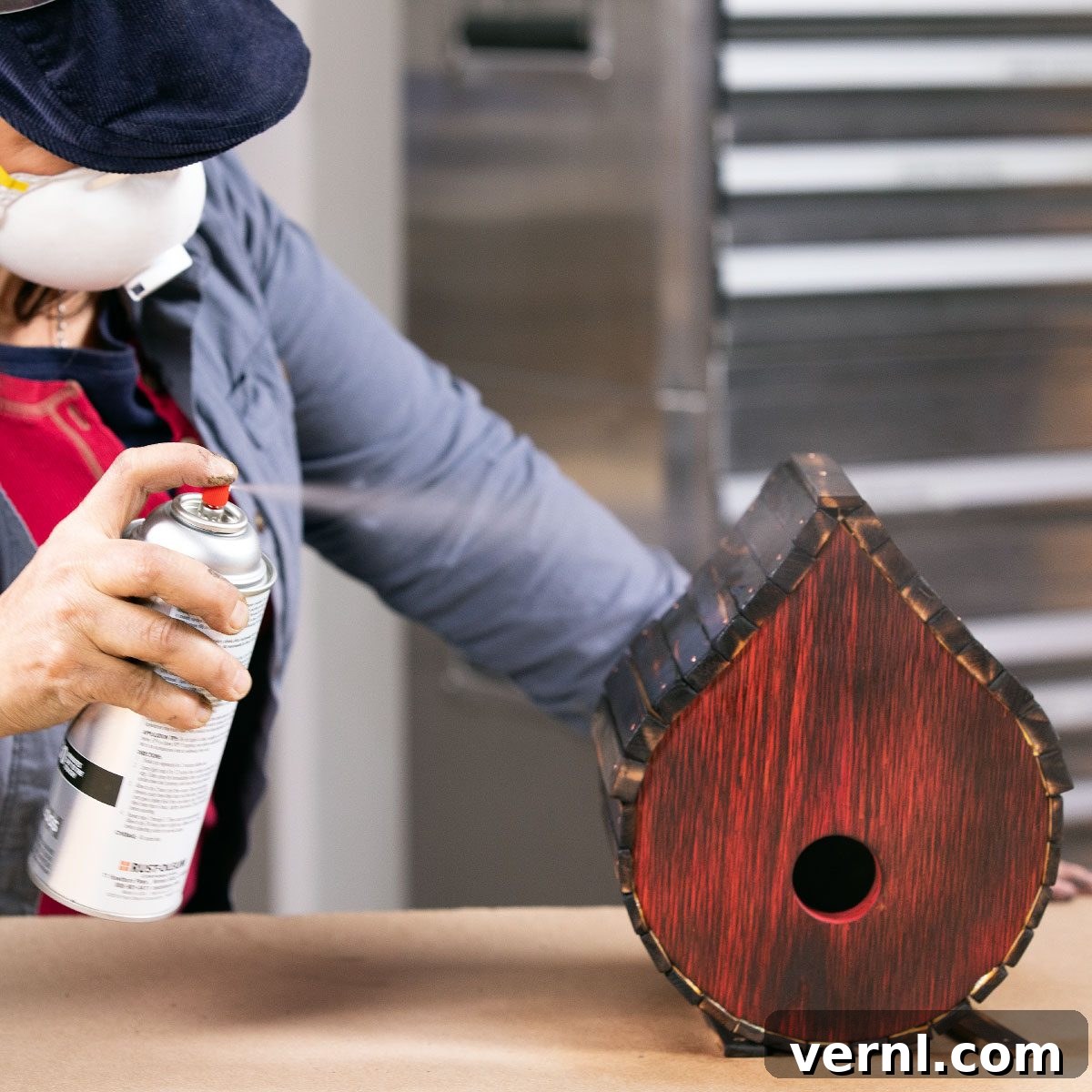
Crafting a Sanctuary: Build Your Own Distinctive DIY Birdhouse from Wood Scraps
Are you searching for a rewarding weekend woodworking project that not only challenges your skills but also contributes positively to your local ecosystem? Look no further! This comprehensive guide will walk you through the inspiring process of constructing a unique and charming DIY birdhouse, primarily by repurposing those neglected piles of wood scraps you might have lying around.
Embrace the satisfaction of creation, the joy of sustainability, and the pleasure of attracting beautiful feathered friends to your backyard with a handmade sanctuary. Let’s transform forgotten timber into a delightful dwelling for nature’s smallest architects.
The Allure of DIY Birdhouses: More Than Just a Project
Building a birdhouse is much more than just a simple construction task; it’s an act of providing shelter, promoting biodiversity, and engaging in a fulfilling creative endeavor. For many, it’s a therapeutic escape into the world of woodworking, offering a tangible reward at the end of a productive weekend.
A Haven for Feathered Friends
In an increasingly urbanized world, natural habitats for birds are dwindling. A well-placed birdhouse can offer a vital refuge for various species, providing a safe spot for nesting, raising young, and sheltering from harsh weather conditions. By building a DIY birdhouse, you’re actively contributing to the conservation of local bird populations, inviting a symphony of chirps and songs into your garden, and creating a living, breathing natural spectacle right outside your window.
Sustainable Crafting: Giving New Life to Wood Scraps
One of the most appealing aspects of this particular project is its emphasis on sustainability. Instead of purchasing new materials, you’re encouraged to delve into your collection of wood scraps – those seemingly useless offcuts from previous projects that often accumulate in garages or workshops. This approach not only reduces waste but also infuses your birdhouse with character and a story, making each piece truly one-of-a-kind. It’s an eco-friendly solution that turns forgotten fragments into a purposeful and beautiful structure.
Personal Fulfillment: The Joy of Creation
There’s an undeniable sense of accomplishment that comes with building something with your own hands. A DIY birdhouse project offers a chance to learn new woodworking skills or refine existing ones. It’s a creative outlet that allows for personalization, enabling you to design a birdhouse that perfectly complements your garden’s aesthetic while meeting the specific needs of local bird species. The pride you’ll feel watching birds utilize a home you built yourself is immeasurable.
Getting Started: Planning Your Birdhouse Project
Before you start cutting and assembling, a little planning goes a long way. Thinking through the design, materials, and necessary tools will ensure a smooth and enjoyable building experience.
Design Considerations for Different Birds
The best birdhouse designs cater to specific bird species. Consider the size of the entrance hole, which should be appropriate for the desired inhabitants to keep out larger predators. Internal dimensions, ventilation holes near the top, and drainage holes in the base are crucial for the birds’ health and comfort. A small perch below the entrance hole might seem inviting, but it can also assist predators; often, birds prefer houses without them, or with an internal perch.
Selecting Your Scraps: What Wood Works Best?
When raiding your wood scrap pile, opt for durable, untreated wood that can withstand the elements. Cedar, redwood, and cypress are excellent choices due to their natural resistance to rot and insects. Pine and fir are also suitable, but they may require more frequent maintenance or a protective (bird-safe) finish. Avoid pressure-treated wood, as the chemicals can be harmful to birds. Focus on pieces that are relatively flat and free from significant cracks or decay, as these will be easier to work with and provide a sturdier structure.
Essential Tools for Your Workshop
Even for a simple birdhouse, having the right tools makes the job easier and safer. Here’s a basic list of what you might need:
- Measuring Tape and Pencil: For accurate marking.
- Saw: A miter saw, circular saw, or even a hand saw will work for cutting your wood scraps to size.
- Drill: Essential for creating pilot holes and the entrance hole.
- Sandpaper: To smooth rough edges and prevent splinters, making the birdhouse safe for birds and handlers.
- Wood Glue and Clamps: For securing joints during assembly.
- Screws or Nails: To provide strong, lasting connections.
- Safety Gear: Always wear safety glasses, and consider hearing protection when using power tools.
The Build Process: Bringing Your Vision to Life
The actual construction of your birdhouse is where the magic happens. While specific plans can vary greatly depending on your chosen design and available scraps, the general process involves measuring, cutting, assembling, and finishing. This stage is incredibly rewarding as you watch your pile of disparate wood pieces transform into a cohesive structure.
To visualize the process and get a clear understanding of each step involved in constructing a truly distinctive birdhouse from wood scraps, we’ve included an excellent video tutorial. This visual guide demonstrates key techniques and provides inspiration for your own unique creation. It’s a fantastic resource for both novice and experienced woodworkers looking for a hands-on approach.
Watch this comprehensive video guide to see how you can transform simple wood scraps into a beautiful and functional birdhouse. It’s an inspiring weekend woodworking project!
The video above provides a fantastic visual aid, showcasing how to tackle the various cuts and assembly steps that lead to a sturdy and aesthetically pleasing birdhouse. Pay close attention to the details of joining pieces, ensuring proper angles for the roof, and creating a safe, comfortable interior environment for future feathered residents. This particular birdhouse design is a testament to how creative you can get with reclaimed materials, proving that beauty doesn’t have to come with a hefty price tag or complicated plans.
Beyond the Build: Placement, Maintenance, and Personalization
Once your birdhouse is complete, the journey doesn’t end there. Proper placement and ongoing maintenance are crucial for its success as a bird sanctuary. You also have the opportunity to add personal touches that make it uniquely yours.
Choosing the Perfect Spot
Location is key! Mount your birdhouse in a relatively secluded area, away from high-traffic zones in your yard, to provide birds with a sense of security. It should be high enough to deter predators (at least 5-10 feet off the ground, depending on the species) and ideally face away from prevailing winds and direct afternoon sun. Positioning it near trees or shrubs provides cover and a staging area for birds, but ensure branches don’t offer easy access for climbing predators.
Keeping It Clean: Birdhouse Maintenance
Regular maintenance is essential for the health of your avian visitors. Birdhouses should be cleaned at least once a year, typically in late fall or early spring, before nesting season begins. Remove old nests, debris, and any parasites. Ensure the birdhouse remains structurally sound, making any necessary repairs to keep it safe and functional for years to come. Many designs include an access panel for easy cleaning.
Personal Touches: Making It Truly Yours
While functionality is paramount, there’s no reason your birdhouse can’t also be a decorative element in your garden. You can paint it with non-toxic, outdoor-grade paints in colors that blend with nature or stand out as a vibrant accent. Adding unique details like salvaged metal accents or even carving small designs can further personalize your creation. Just remember that any finishes should be bird-safe and durable against the elements.
Why Choose a DIY Birdhouse? Unlocking the Benefits
The decision to build your own birdhouse, especially using salvaged materials, comes with a multitude of advantages that extend beyond just having a new garden feature.
- Cost-Effectiveness: Utilizing wood scraps significantly reduces material costs, making this an incredibly budget-friendly project.
- Customization: You have complete control over the design, allowing you to tailor the birdhouse to specific bird species you wish to attract or to match your garden’s aesthetic perfectly.
- Eco-Friendly: Repurposing wood scraps is a fantastic way to practice sustainability and reduce waste, giving new life to materials that might otherwise end up in a landfill.
- Educational Opportunity: This project is a wonderful way to introduce children or beginners to basic woodworking, teaching them about tools, construction, and the importance of wildlife conservation.
- Enhanced Biodiversity: By providing essential shelter, you’re helping to support local bird populations, which in turn contributes to a healthier, more balanced ecosystem in your own backyard.
- Personal Satisfaction: There’s immense pride and enjoyment in creating something beautiful and functional with your own hands, knowing it serves a vital purpose for nature.
Ready to Build? Detailed Plans and Inspiration Await
If you’re now feeling inspired and ready to roll up your sleeves, the next step is to gather your tools and materials. For those who thrive with detailed instructions and measurements, or who are looking for comprehensive step-by-step guidance to ensure every cut and joint is perfect, the experts at Family Handyman have put together an excellent resource.
Their guide offers invaluable insights and precise plans that complement the visual understanding you’ve gained from the video. It’s the perfect companion to help you navigate through the specifics of cutting, assembling, and finishing your unique birdhouse project with confidence.
Learn more and get started on your distinct DIY birdhouse project today:
How To Build a Birdhouse