How to Effectively Get Rid of Maggots in Your Home: A Comprehensive Guide
For many homeowners, the unexpected discovery of maggots can trigger an immediate sense of revulsion and alarm. These squirming, pale creatures are more than just an unpleasant sight; they are a clear indicator of unsanitary conditions and often herald a looming fly infestation. Their presence suggests decaying organic matter nearby, signaling spoiled food or the unfortunate presence of a deceased animal. While they are a natural part of decomposition in the wild, finding them in your living space is a sign that something is amiss and requires prompt attention.
The problem extends beyond their initial unsightly appearance. Maggots are simply the larval stage of flies, and given their incredibly rapid development cycle, they quickly transform into adult houseflies. These adult flies can then perpetuate the cycle by laying hundreds of new eggs, turning a minor issue into a recurring nightmare of buzzing pests. Addressing a maggot problem swiftly and thoroughly is crucial to maintaining a clean, hygienic home environment and preventing future infestations.
To help homeowners tackle this common yet unsettling pest problem, we’ve consulted leading experts in entomology. Their insights provide practical, effective strategies for not only eradicating current maggot infestations but also for implementing robust preventive measures to keep your home maggot-free.
About the Experts
Our expert advice comes from:
Eric Braun, a board-certified entomologist with nearly three decades of experience. He serves as a technical service manager for Terminix, a leader in pest control solutions.
Frank Meek, also a board-certified entomologist and a veteran of the pest-control industry with 30 years under his belt. He holds the position of technical services manager for Orkin.
Understanding Maggots: The Larval Stage of Flies
To effectively combat maggots, it’s essential to understand what they are and their role in the insect lifecycle. Maggots are, in essence, baby flies or, more scientifically, fly larvae. Most commonly encountered in homes, they are typically the offspring of common houseflies, but other fly species can also produce similar larvae.
What Do Maggots Look Like?
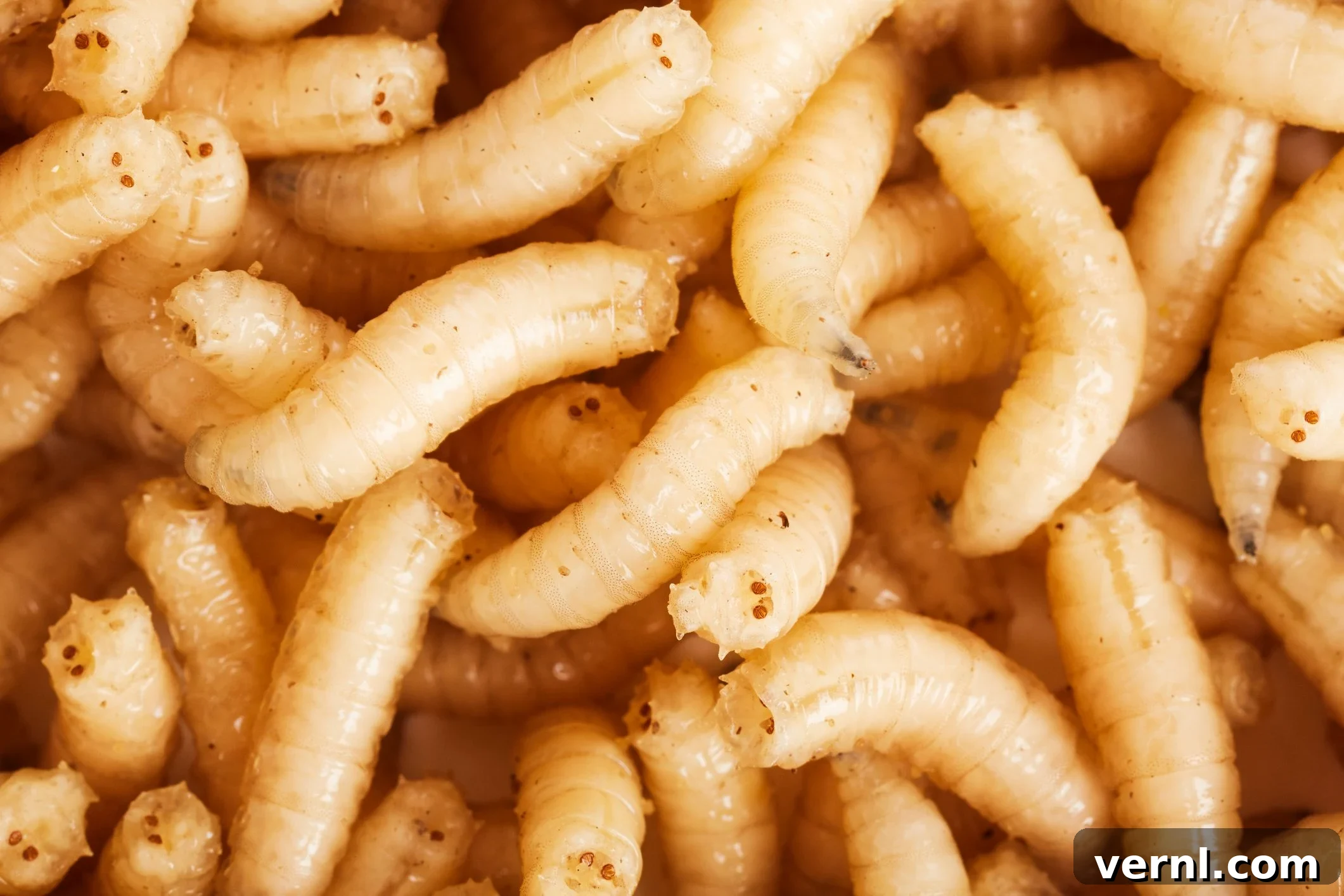
Maggots are easily identifiable by their distinct appearance: they are legless, plump, and typically white or cream-colored, resembling tiny, segmented worms. Upon closer inspection, you might notice one or two dark spots at one end—these are their spiracles, or breathing holes. If viewed under magnification, their mouthparts can be seen as two small, hook-like structures, which they use to feed on decaying matter.
“While some maggots are large enough to be conspicuous, or they appear in highly visible areas, many go unnoticed,” explains Eric Braun. “The most common ones we encounter are from houseflies, which thrive in environments found within our homes.”
The Rapid Maggot Lifecycle
The lifecycle of a fly, from egg to adult, is remarkably fast, particularly in warm, humid conditions. This rapid progression is why a small maggot problem can quickly escalate into a full-blown fly infestation. Understanding these stages is key to effective prevention and control:
- Egg Stage: An adult female fly lays her eggs, often in clusters of 75 to 150, directly onto a suitable food source—typically decaying organic material.
- Larval Stage (Maggots): Within a surprisingly short period, usually eight to 20 hours after being laid, the eggs hatch into maggots. These larvae immediately begin to feed voraciously on the surrounding organic matter, growing quickly.
- Pupal Stage: After three to seven days of intensive feeding and molting several times, the maggots enter their pupal stage. During this phase, they develop a hard, dark-brown casing and undergo metamorphosis, transforming into adult flies.
- Adult Fly Emergence: Depending on environmental factors like temperature and moisture, adult flies will emerge from their pupal casings anywhere from three days to four weeks later. Once they emerge, they are ready to mate and begin laying eggs, restarting the cycle. This entire process can be completed in as little as seven to ten days under ideal conditions, highlighting the urgency of addressing maggot infestations.
What Causes Maggots to Appear in Your House?
Maggots in your home are almost always a direct result of adult flies finding an opportune place to lay their eggs. Flies are drawn to decaying organic matter because it provides a rich, abundant food source for their hungry larvae. This means that if you find maggots, there’s likely a source of rotting food or other organic waste nearby.
Common culprits include:
- Garbage Cans: An overflowing or unsealed garbage can, especially one containing food scraps, meat trimmings, or pet waste, is a prime breeding ground. Leaking garbage bags can leave residues that also attract flies.
- Forgotten Food: Leftovers left uncovered on a counter, old food spilled under appliances, or even a plate of forgotten food in a child’s or teenager’s bedroom can quickly become a haven for fly eggs and subsequent maggots.
- Pet Food and Waste: Uncovered pet food bowls, particularly those with wet food left out for too long, are attractive. Similarly, dog feces in the yard, if not scooped regularly, or neglected cat litter boxes can harbor maggots.
- Dead Animals: One of the most common, yet often hidden, sources of maggots indoors is a deceased animal. This could be a rodent or bird that died within wall voids, attics, or crawl spaces, attracting flies from outside that find a way in to lay eggs.
- Compost Bins: If you have a compost bin outdoors, especially one not properly managed or too close to the house, it can attract flies and subsequently develop maggots.
Will Maggots Eventually Disappear on Their Own?
Technically, yes, maggots have a finite lifespan. If left undisturbed, a few outcomes are possible:
- Metamorphosis: They will continue their development, eventually turning into pupae, and then emerging as adult flies.
- Food Depletion: They might consume all available food sources. Once their food source is exhausted, adult flies will no longer find that particular spot suitable for laying new eggs.
- Environmental Factors: Maggots are sensitive to extreme conditions. If the weather becomes too cold or too dry, they may die off before completing their lifecycle.
However, relying on these natural processes is not advisable for indoor infestations. The presence of maggots signifies unsanitary conditions that you don’t want in your home. Furthermore, even if the maggots disappear, the problem isn’t truly solved if they simply mature into flies. As Frank Meek notes, “Once they turn into adult flies, they will seek out new food sources, lay more eggs, and continue the reproductive cycle. So, while the maggots themselves may be gone, they will likely return as an adult fly nuisance.” Therefore, prompt and thorough removal is always the best course of action.
Immediate Strategies: How To Kill Maggots Quickly and Effectively
When you discover maggots, immediate action is crucial. Our experts recommend starting with simple, non-toxic removal methods before resorting to more aggressive treatments.
Physical Removal Methods
The most direct way to eliminate maggots is through physical removal:
- Vacuuming: For larger clusters or maggots spread across a surface, a vacuum cleaner with a strong suction can be highly effective. Use a hose attachment to reach into crevices. Immediately after vacuuming, seal the vacuum bag in a plastic bag and dispose of it outdoors, or empty the canister into a sealed bag and clean the canister thoroughly.
- Paper Towels: For smaller infestations or in areas where a vacuum isn’t practical, paper towels can be used to pick up maggots. Place them into a sealed plastic bag and immediately dispose of them in an outdoor trash receptacle.
- Relocation (if contained): If the maggots are contained within an easily movable object (like a small bin or an old food container), you can carefully relocate the entire item away from your house. Outdoors, maggots become a protein-rich meal for local wildlife, including various bird species, making them a natural part of the ecosystem.
Natural and Less Toxic Treatments
If you’re squeamish or cannot effectively reach the maggots with physical methods, several common household items can serve as effective killers:
- Boiling Water: This is one of the quickest and most effective methods. Carefully pour boiling water directly over the maggots. The extreme heat will kill them on contact. This method is particularly effective for maggots found in garbage cans or drains, but be cautious on delicate surfaces.
- Salt: A generous application of salt can dehydrate and kill maggots. Sprinkle a thick layer of salt directly onto the maggots. As a desiccant, salt draws moisture from their bodies, effectively drying them out.
- White Vinegar Solution: A mixture of three parts water to one part white vinegar can be sprayed directly onto maggots. The acidity of the vinegar is toxic to them. While perhaps not as instantaneous as boiling water, it’s a safe and accessible option.
- Lime Juice/Lemon Juice: Similar to vinegar, the citric acid in lime or lemon juice can also be effective when applied directly.
- Diatomaceous Earth (Food Grade): This natural powder, made from fossilized algae, works by scratching the waxy outer layer of insects, causing them to dehydrate and die. Sprinkle food-grade diatomaceous earth over affected areas. It’s safe for pets and humans but can be messy.
Chemical Solutions (Last Resort)
Most commercially available pesticides formulated for indoor insect control will kill maggots. However, our experts strongly advise using these as a last resort. Minimizing chemicals in your home is always preferable, and there’s a risk of harming beneficial insects or wildlife that might consume poisoned maggots. If you choose to use a pesticide, always read and follow the manufacturer’s instructions carefully, ensuring proper ventilation and safety measures.
When to Call a Professional
If the maggot situation appears complicated, persistent, or if you cannot identify the source, Frank Meek recommends contacting a pest control expert. “A professional can comprehensively assess your unique situation, accurately identify the source of the infestation, determine how adult flies are gaining entry into your home, and implement targeted, effective treatment plans,” he advises. They can also address hidden infestations, such as maggots originating from a dead animal within walls or difficult-to-reach areas.
Proactive Measures: How To Prevent Maggots in Your Home
The most effective strategy against maggots is prevention. By eliminating the conditions that attract flies and support their reproductive cycle, you can keep your home maggot-free. The core principle is simple: cleanliness, cleanliness, cleanliness.
Maintain Impeccable Sanitation
This is the bedrock of maggot prevention. Flies are attracted to decaying organic matter, so removing it quickly and thoroughly is paramount.
- Regular and Proper Trash Disposal:
- Use trash cans with tight-fitting lids, both indoors and outdoors.
- Line indoor trash cans with durable plastic bags that are tied securely before disposal.
- Empty indoor trash cans frequently, ideally daily for kitchen waste, and transfer waste to an outdoor, sealed bin.
- Clean your garbage cans regularly with soap and water, or a disinfectant, to remove any food residue or odors that might attract flies.
- Thorough Food Management:
- Store all food, including pet food, in sealed, airtight containers or in the refrigerator.
- Clean up food spills and crumbs immediately after they occur.
- Avoid leaving dirty dishes in the sink for extended periods. Wash them promptly or rinse them thoroughly before placing them in the dishwasher.
- Regularly check under appliances, behind furniture, and in pantries for forgotten or spilled food items.
- Pet Waste Management:
- Scoop dog waste from your yard daily and dispose of it in a sealed bag in an outdoor, lidded trash can.
- Clean cat litter boxes frequently, removing waste daily and changing the litter entirely on a regular schedule.
- Wash pet food bowls daily, especially if feeding wet food.
- Compost Bin Maintenance:
- If you have an outdoor compost bin, ensure it’s securely covered and situated away from your home.
- Regularly turn your compost to promote decomposition and deter flies.
- Address Moisture Issues: Repair leaky pipes or drains, as excessive moisture can also contribute to decaying organic matter.
Limit Fly Access
Preventing adult flies from entering your home in the first place is a critical step in breaking the maggot cycle.
- Install and Maintain Screens: Ensure all windows and doors have well-fitting screens that are free of tears or holes.
- Seal Entry Points: Inspect your home for cracks or gaps around windows, doors, and foundations. Seal these openings to prevent flies and other pests from entering.
- Keep Doors and Windows Closed: During peak fly season, keep doors and windows closed, especially those without screens.
“The overarching principle is to ensure there is no material for flies to breed in and to severely limit their access to any open food sources within your home,” emphasizes Eric Braun. By diligently following these prevention strategies, you can create an environment that is unwelcoming to flies and their larvae, safeguarding your home from maggot infestations.
Frequently Asked Questions About Maggots
Are maggots harmful to humans?
While maggots themselves don’t typically pose a direct threat by biting or stinging humans, the decaying materials they feed on certainly can. These materials often harbor harmful bacteria, pathogens, and viruses, which can then be transferred to surfaces in your home. Moreover, the adult flies that maggots become are known carriers of various diseases, potentially contaminating food and surfaces as they move about. In rare cases, if fly eggs are ingested, they can lead to a condition called intestinal myiasis, where larvae develop within the digestive tract, though this is uncommon.
How long does it take for maggots to turn into flies?
The speed of a maggot’s development into an adult fly depends heavily on the species of fly, as well as environmental conditions such as temperature and moisture. In optimal conditions (warm and humid), the entire lifecycle—from egg to maggot to pupa to adult fly—can be completed in as little as seven to ten days. However, under less favorable conditions, this process can stretch out, potentially taking up to two months. This rapid development highlights why prompt action is necessary to prevent a recurring fly problem.
What are maggots most attracted to?
Maggots are overwhelmingly attracted to rotting organic matter. This includes, but is not limited to, decaying meat, spoiled dairy products, and other high-protein items. Common attractants in and around the home include:
- Decomposing Meat: This is arguably their strongest attractant, whether it’s meat scraps in the trash or a dead animal.
- Feces: Pet waste (dog, cat, or other animals) is a significant attractant and breeding ground.
- Garbage: Any unsealed or overflowing trash bin containing food waste will be highly appealing to adult flies looking for a place to lay eggs.
- Spoiled Food: Forgotten fruits, vegetables, or other edibles left out or hidden in obscure places can quickly become infested.
- Compost: Outdoor compost piles, if not properly managed, are natural breeding sites.
Essentially, any moist, decaying organic material that provides a nutrient-rich food source for their larvae will attract flies and, consequently, lead to maggots.
Can maggots live in drains?
While housefly maggots typically prefer larger masses of decaying organic matter, other types of fly larvae, particularly those of drain flies (also known as moth flies), can absolutely thrive in drains. These small, fuzzy flies lay their eggs in the slimy film that accumulates inside drains, which consists of decaying organic matter, hair, and grease. The resulting larvae feed on this film. If you suspect drain flies, regular cleaning of your drains with hot water, baking soda, and vinegar, or a commercial drain cleaner, is essential.
Do maggots bite?
No, typical housefly maggots do not bite. They have mouthparts designed for scraping and consuming soft, decaying organic matter, not for piercing skin. Any sensation experienced near maggots would more likely be their movement on the skin rather than a bite.