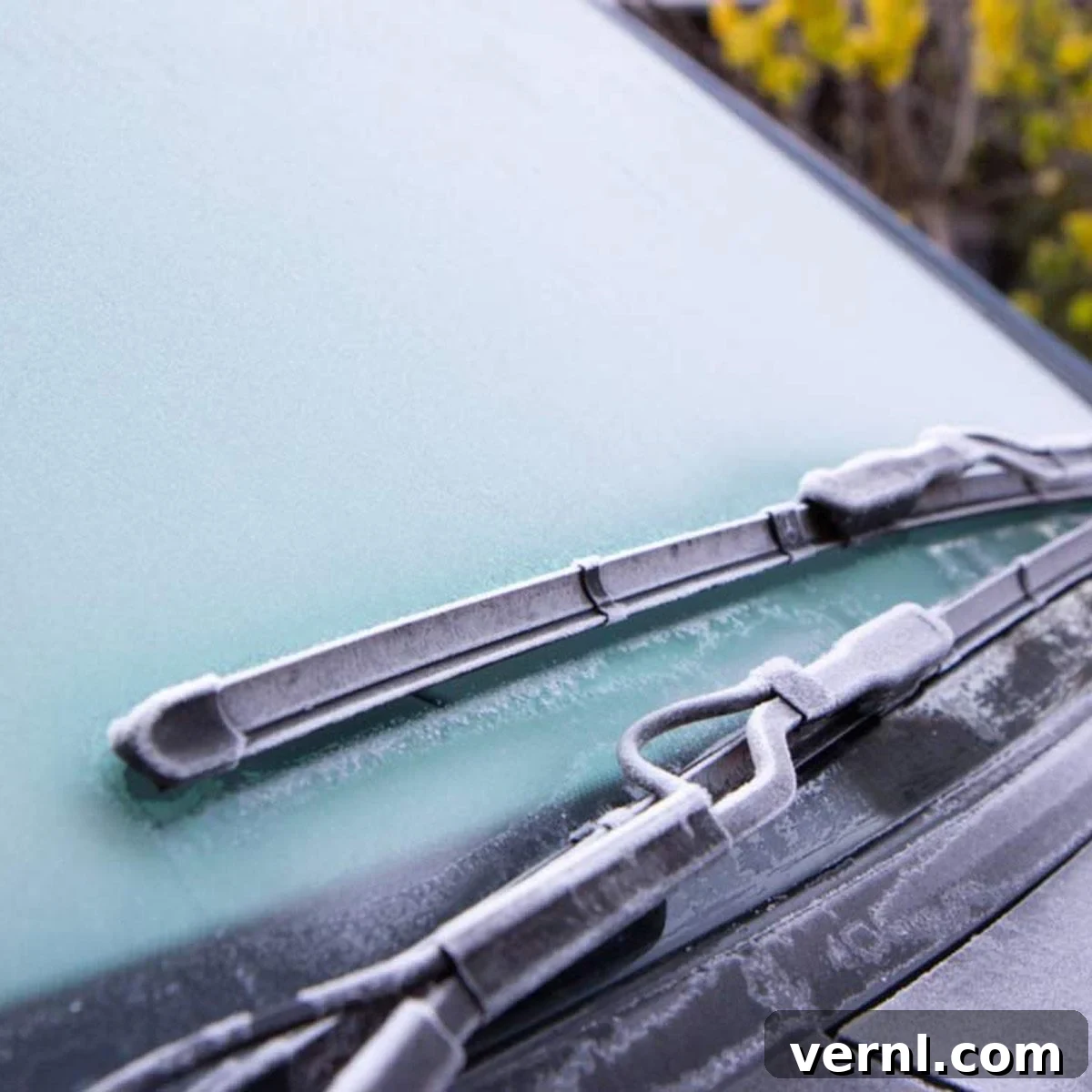
Mastering Windshield Defogging and Defrosting for Clear Winter Driving
Winter driving conditions present a unique set of challenges, and navigating through snow, ice, and reduced daylight hours is hazardous enough. When your visibility is compromised by a foggy or frosted windshield, the situation can escalate into a dangerously unsafe experience almost instantaneously. The simple act of breathing, combined with your body heat, creates a warmer, more humid environment inside your vehicle compared to the frigid air outside. This stark temperature difference, especially on a cold morning, is the primary culprit behind the formation of condensation and frost on your windshield. Tiny airborne water particles readily adhere to the freezing cold glass, forming a misty film or a layer of ice that obstructs your view. Restoring crystal-clear visibility is paramount for your safety and the safety of others on the road, and it requires more than just a quick wipe.
While the immediate instinct might be to grab a cloth and wipe the condensation from your car’s interior windows, this common approach is often counterproductive. Wiping the windshield, particularly with a less-than-spotless cloth, frequently leaves behind unsightly streaks and smudges. These streaks, though seemingly minor, can significantly reduce visibility, especially when driving into direct sunlight or against oncoming headlights at night. They create visual distractions and can even distort your perception of the road ahead, making an already challenging driving scenario even more perilous. According to automotive experts like Tom’s Automotive Service in Seattle, Washington, a more effective and streak-free method for quickly defogging your windshield involves leveraging your car’s sophisticated air conditioning system. For exterior ice or heavy frost, an ice scraper or a commercial de-icing spray remains the quickest and most efficient way to achieve immediate clarity.
The Science Behind Your Car’s Defogging Prowess: Air Conditioning Explained
Your car’s air conditioning system is a surprisingly versatile tool that goes beyond just cooling the cabin. It plays a dual, crucial role in defrosting and defogging your windshield effectively. Understanding these two mechanisms reveals why the AC is so indispensable for maintaining clear visibility.
1. Air Conditioning as a Powerful Dehumidifier
The first and arguably most critical function of your car’s AC in combating fog is its ability to remove moisture from the air circulating inside the vehicle. Many people are unaware that an air conditioner is fundamentally a dehumidifier. The process works like this: warm, humid air from the cabin is drawn into the AC system and passes over a set of cold evaporator fins. As this moist air contacts the cold surfaces, the water vapor rapidly cools, condenses into liquid droplets, and collects on the fins. This condensed water then drains out of the vehicle through a small tube, typically underneath the car. By continuously circulating the cabin air through this cooling and condensation process, the AC system actively reduces the overall humidity level, thereby preventing new condensation from forming on your windows.
2. Temperature Reduction for Condensation Prevention
The second way your air conditioner aids in defogging is by directly reducing the temperature of the air blown onto the windshield. While seemingly counterintuitive in cold weather, blowing cooler, drier air directly at the glass helps to equalize the temperature difference between the interior and exterior surfaces of the windshield. By reducing the ambient temperature in the vicinity of the glass, the AC makes it much harder for water vapor to condense and form new fog, even if some residual moisture remains in the air. This combination of dehumidification and temperature management creates an environment where fog simply cannot cling to the glass, leaving you with a consistently clear view.
Effective Strategies: How to Defog and Defrost Your Windshield
While the principles are straightforward, knowing the correct procedure for defogging and defrosting your windshield can save you time and ensure maximum visibility.
Utilizing Your Car’s Dedicated Defrost System
The most efficient and comfortable way to combat a foggy windshield is to use your vehicle’s dedicated defrost system. Auto manufacturers are well aware that drivers don’t want an uncomfortably cold cabin in the dead of winter, which is precisely why they integrate a specialized defrost function into every car. As Tom’s Automotive notes, “When you turn the defrost on, it’s your air conditioner that kicks in to help get all that moisture out.” The genius of the defroster setting is that it automatically activates the AC compressor (for dehumidification) while simultaneously blending in heat to keep the cabin warm. This dual action provides both rapid drying and comfortable temperatures.
Step-by-Step Defrosting:
- Turn on the Defrost: Locate the defrost button or dial, often marked with a windshield icon, and activate it.
- Maximize Airflow: Set your blower fan to its highest speed. This pushes a greater volume of dry, warm air directly onto the windshield.
- Set Temperature to Hot: While the AC handles dehumidification, setting the temperature to its warmest will heat the glass, further accelerating the evaporation of moisture and melting of ice.
- Aim Vents Upward: Ensure the airflow is directed squarely at the windshield. Most defrost settings do this automatically.
- Lower Visors (Optional but Recommended): For an even faster clear-up, especially with light fog, flip your sun visors down. They act as barriers, redirecting the upward-blowing air back down onto the windshield, enhancing the defogging effect. This trick helps to concentrate the airflow where it’s needed most.
Dealing with No AC or a Malfunctioning System
If your vehicle lacks air conditioning, or if your AC system isn’t functioning properly, you’re not entirely out of luck. You can still reduce interior fog by taking manual steps to equalize temperature and remove moisture:
- Maximize Blower Fan: Turn your car’s blower fan to its highest setting.
- Heat to Maximum: Set the temperature control to full hot.
- Open Windows Slightly: Crack open two opposing windows a small amount. This allows the humid interior air to escape and drier air from outside (even if cold) to enter, reducing the overall humidity inside the cabin.
- Use Visors: As mentioned, flipping your visors down can still help redirect the hot air towards the windshield.
Proactive Strategies for Maintaining Clear Windshield Visibility
Beyond reactively clearing your windshield, several proactive measures can significantly reduce the likelihood of fog and frost forming in the first place.
Keep Your Interior Clean and Dry
Dust, dirt, and grime on the inside of your windshield provide a surface for moisture to cling to, making condensation worse. Regularly clean the interior of your car’s windows with a proper glass cleaner to ensure they are spotless. Furthermore, any wet items such as floor mats, towels, or even damp clothes left in the car contribute to the interior humidity. Remove these items promptly to minimize the moisture content in the air.
Manage Interior Moisture
Consider placing moisture-absorbing products inside your vehicle, especially during humid or wet seasons. Silica gel packets, small dehumidifier bags designed for cars, or even a sock filled with cat litter can effectively draw excess moisture out of the cabin air, reducing the potential for fogging.
Utilize Anti-Fog Treatments
There are various commercial anti-fog sprays and wipes available that create a thin, invisible film on the inside of your windshield. This film lowers the surface tension of the glass, preventing water droplets from forming large, vision-obscuring beads. Instead, moisture spreads out into an even, transparent layer, allowing you to see through it. Apply these products as directed for best results.
Adopt Smart Parking and Pre-Drive Habits
If possible, park your car facing east to allow the morning sun to naturally warm your windshield and melt away any light frost or ice before you even start your engine. Before a long drive in cold weather, consider briefly cracking a window open while the car is warming up to allow some initial humid air to escape. This small action can prevent significant fogging later on.
Frequently Asked Questions (FAQ) About Defogging and Defrosting
Can defogging too fast damage a windshield?
When using your car’s AC or dedicated defrost system, the risk of damage to your windshield is extremely low. The AC blows cold, dry air, and your defroster gradually introduces warm air as the engine heats up, allowing the glass to acclimate. The danger arises from rapid, drastic temperature changes. For instance, pouring hot water on a frozen windshield or using a high-heat hair dryer can create thermal shock, causing the glass to expand unevenly and potentially crack or shatter. Always allow your car’s systems to work gradually and safely.
Do spray-on defrosting solutions actually work?
“Yes, they work very well,” confirms Larry Morrison of Napa Auto Parts. “There are solutions you can add to your washer fluid reservoir, or potent aerosol products for direct application.” These defrosting solutions operate by either lowering the freezing point of water or, more commonly, by leaving a microscopic, moisture-repellent film on the glass. This film prevents water droplets from adhering to the surface and forming ice or condensation, instead allowing them to roll off or remain as a thin, transparent layer. Any commercial product is suitable, but you can also create your own effective defroster spray. According to Tires Plus, several simple household mixtures can serve this purpose:
- Rubbing alcohol (isopropyl alcohol) mixed with water;
- Pickle juice (due to its high salt content);
- Vodka mixed with water.
These DIY solutions work by disrupting the freezing process of water, making it harder for ice to form and easier to remove.
What causes internal windshield fogging versus external?
Internal fogging typically occurs when the air inside your car is warmer and more humid than the glass itself. Your breath, body heat, and wet items contribute to this humidity. External fogging, on the other hand, happens when the air outside the car is warmer and more humid than the cold windshield surface (e.g., on a cool morning after a rainy night). Your car’s AC/defrost system primarily tackles internal fogging, while wipers and external defogging sprays address external condensation.
How often should I clean my windshield interior?
Ideally, you should clean the interior of your windshield at least once a month, or more frequently if you notice streaks, haze, or reduced clarity. Smoking in the car, having pets, or frequently transporting children can all contribute to interior grime buildup, which attracts moisture and exacerbates fogging. A clean interior windshield is a key preventative measure.
Why does my car fog up when it rains?
Rainy weather significantly increases the humidity both inside and outside your car. As rain hits the windshield, it cools the glass. If the interior air is also humid (due to occupants, wet clothing, or a malfunctioning AC), the warm, moist air inside condenses on the cold glass, leading to fogging. This is why using your car’s AC to dehumidify the interior air is particularly crucial during rainy conditions.
Is it bad to leave my car idling to defrost?
While idling your car with the defrost on will eventually clear your windshield, it’s generally not the most efficient or environmentally friendly method. Modern cars warm up more quickly when driven gently. Excessive idling wastes fuel, increases emissions, and can put unnecessary wear on your engine over time. For optimal results, use the defrost system as intended and start driving gently once the windshield is sufficiently clear.
About the Expert
Larry Morrison is the manager of Napa Auto Parts in Gatlinburg, Tennessee. A former auto mechanic, he’s been a trusted professional in the auto parts industry for over a decade, offering invaluable insights into vehicle maintenance and care.
Sources
- Tom’s Automotive Service: Defroster Not Doing Its Job in Your Vehicle?
- Tires Plus: How to Make Your Own Windshield Defroster Spray, 2024