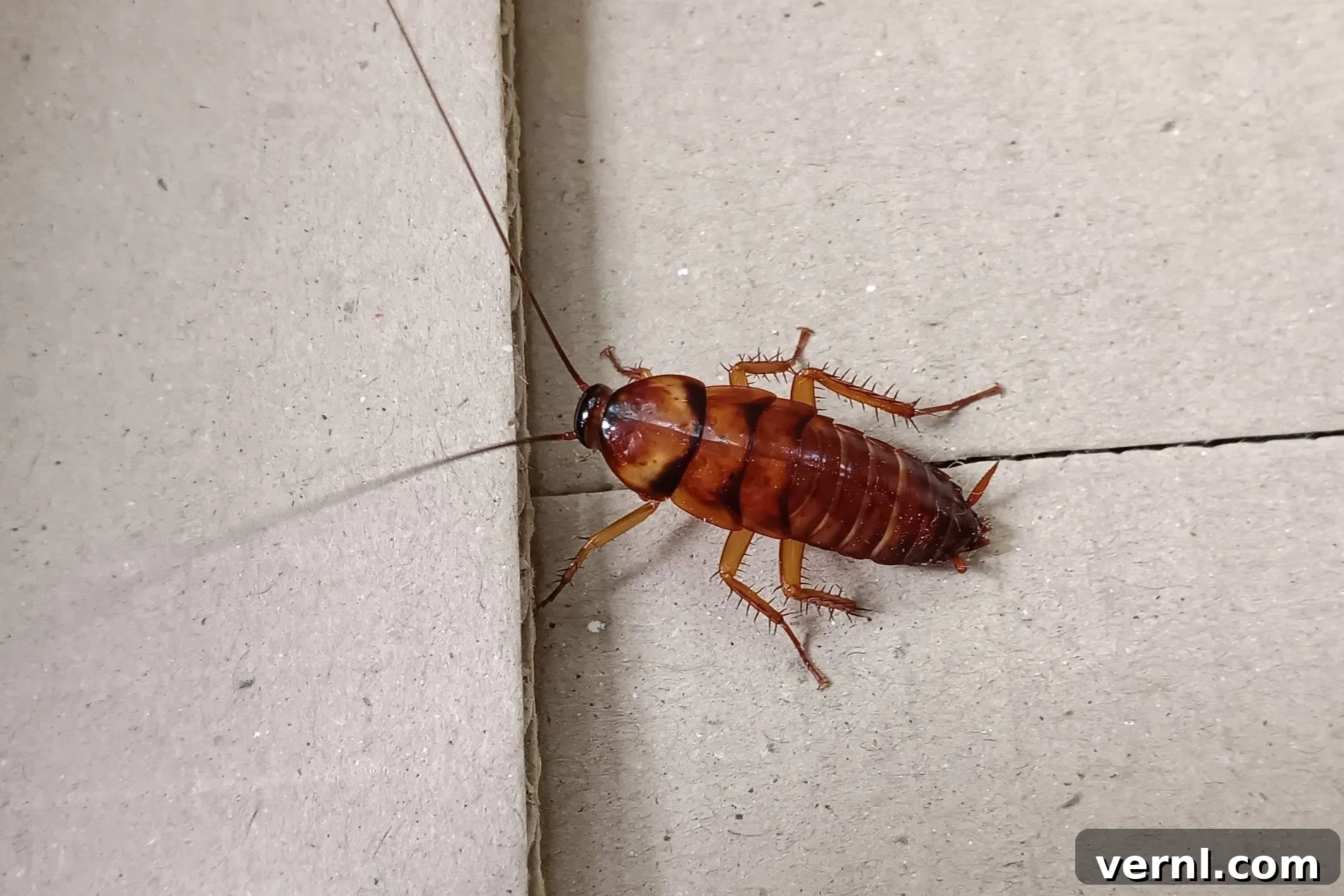
Understanding and Eliminating Cockroaches: A Comprehensive Guide
Cockroaches, often viewed with revulsion, undeniably command a certain level of respect for their incredible resilience. Scientists trace their origins back to the Carboniferous Era, an astonishing 260 million years ago, suggesting they are true ancient survivors of our planet. Their continued existence through millennia of environmental changes hints at a formidable adaptability that few other creatures can match. This enduring presence means they have coexisted with humans for as long as we have built shelters, making them one of the most common and persistent household pests.
Beyond their ancient lineage, cockroaches possess an array of astounding physical attributes that contribute to their survival. They are incredibly strong, capable of supporting up to 900 times their own body weight. Their ability to endure harsh conditions is equally impressive: they can remain submerged underwater for up to 40 minutes, survive temperatures as low as 32 degrees Fahrenheit, and even live for an entire week without a head! This is possible because they breathe through small holes in their bodies and their brain, which controls vital functions, is distributed throughout their nervous system. Their agility is also remarkable; they can run at speeds of three miles per hour – an extraordinary pace for their size – and their flat, flexible bodies allow them to squeeze through incredibly tight spaces, often no thicker than a quarter.
While these qualities make cockroaches fascinating subjects of study, they simultaneously make them exceptionally challenging to control. Their evasive nature and robust physiology mean that eradicating an infestation requires persistence and a strategic approach. More critically, these oily-to-the-touch pests are not just an annoyance; they are carriers of harmful bacteria and pathogens. Cockroaches can transmit diseases such as dysentery, cholera, typhoid fever, and even salmonellosis, posing significant public health risks. They also produce allergens that can exacerbate asthma and other respiratory issues, particularly in children. Therefore, effective control and prevention are not merely about comfort but about safeguarding health.
Compared to most other common household insects, cockroaches are relatively large. This substantial size makes a full-blown infestation hard to ignore, especially when you witness them scurrying across your kitchen floor, darting into crevices, or scattering from your pantry shelves. Their visible presence is often a clear indicator of a hidden, larger population thriving within your home’s unseen nooks and crannies.
Given their extensive history on Earth, cockroaches have likely infiltrated every conceivable type of human dwelling. From ancient mud huts to modern multi-story buildings, no shelter seems entirely impervious to their invasion. The fundamental strategy for keeping them at bay has remained largely consistent throughout history: denying them essential resources like food and water through rigorous cleanliness. However, in contemporary homes, particularly those with complex structures and multiple hidden areas, simple cleanliness often needs to be supplemented with more advanced exclusion techniques and additional, targeted control methods to achieve lasting relief.
The market offers a wide array of commercial products for cockroach control, from sprays to baits, and many DIY solutions can be concocted from common household ingredients. Yet, it’s important to remember that cockroaches are incredibly smart and adept at evasion. Their instinct for survival means they quickly learn to avoid threats and find alternative resources. For this reason, especially in cases of established or large-scale infestations, enlisting the expertise of professional pest control services often proves to be the most effective and reliable strategy for complete eradication.
Decoding the Cockroach: What You Need to Know
It is genuinely rare to encounter an individual who has never had the unpleasant experience of seeing a cockroach. For those fortunate few, these insects are typically identifiable by their six legs and bodies ranging from half an inch to two inches in length. (Though the largest recorded specimen measured an astounding six inches!). Their most distinctive features include a flat, oval-shaped body and two long, highly sensitive antennae that they use to navigate and detect food sources in the dark. While many species possess wings, not all of them are capable of flight; some merely glide or use them for balance.
Our planet is home to an astonishing diversity, hosting some 3,500 to 4,000 known species of cockroaches. However, the good news is that only a small fraction—approximately 30 of these species—are considered pests that commonly infest human dwellings. If you reside in North America and discover a cockroach infestation, it is highly probable that you are dealing with one of the following prevalent species:
- American cockroach (Periplaneta americana): This is one of the largest pest cockroaches, typically measuring about 1-1/2 to two inches long. They boast a shiny reddish-brown coloration and possess wings that extend beyond their bodies, making them capable flyers. American cockroaches have a particular fondness for fermented foods and are often found in pantries, basements, and sewers, preferring warm, damp environments. Their large size makes their presence particularly alarming.
- Brown-banded cockroach (Supella longipalpa): Smaller than their American cousins, these roaches are light to medium brown and only about half an inch in length. They are characterized by two distinct lighter bands across their wings (females) or abdomen (males). Brown-banded cockroaches prefer warm, dry climates and are often found in higher areas of buildings, such as ceilings, behind picture frames, and inside cabinets, rather than typically damp basement areas.
- German cockroach (Blattella germanica): Arguably the most common and troublesome species in the U.S., the German cockroach is light brown to tan and also about half an inch long. They are identifiable by two dark, parallel stripes running down their pronotum (the shield-like section behind the head). Despite having wings, they rarely fly, preferring to scurry. These prolific breeders are often found in kitchens and bathrooms, seeking warmth, food, and moisture, and are notorious for rapid population growth.
- Oriental cockroach (Blatta orientalis): Often referred to as “water bugs” due to their strong attraction to water, these cockroaches are dark brown to black and grow to about one inch long. Unlike many other species, they prefer cooler, damp environments. Consequently, they are most frequently encountered in basements, drains, crawl spaces, and cluttered areas near the ground level. Females have very short, stubby wings, while males have wings that cover about three-quarters of their abdomen, though neither sex can fly.
- Smokybrown cockroach (Periplaneta fuliginosa): Ranging from one to one-and-a-half inches long, this species is uniformly shiny dark brown to mahogany in color, hence its name. Smokybrown cockroaches typically prefer to live outdoors in warm, humid climates, nesting in woodpiles, tree holes, or under mulch. They are strong fliers and are often attracted to lights at night, sometimes buzzing around people’s heads before entering homes through cracks or open windows.
- Australian cockroach (Periplaneta australasiae): Similar in appearance to the American cockroach but slightly smaller, about 1-1/4 to 1-1/2 inches long, this species is distinguished by prominent yellow markings on the upper margins of its forewings and a dark spot in the center of its pronotum. As its name suggests, it loves water and high humidity. It tends to inhabit drains, open sewers, and areas with decaying organic matter, often seeking refuge indoors during hot, dry weather.
What Lures Cockroaches into Your Home? Identifying Attractants
Cockroaches are driven by three fundamental survival needs: food, water, and warmth. While it’s commonly believed that only dirty homes attract them, an infestation can sometimes occur even in meticulously cleaned houses. This is because cockroaches are masters at finding what they need in the most overlooked and secluded areas, such as dark corners, behind appliances, or within wall voids, where routine cleaning rarely reaches.
Understanding their specific preferences can help you identify potential weak points in your home’s defenses. Here are some particular things that consistently attract these resilient pests:
- Dirty dishes in the sink: Leftover food particles, even microscopic ones, provide a ready feast. The residual moisture from dirty dishes or standing water in the sink offers a vital water source, making your sink area an irresistible buffet and hydration station for roaches.
- Overfilled trash cans: Exposed food waste, discarded packaging with crumbs, and the general organic decomposition within an overflowing bin are magnets for cockroaches. The odors also serve as strong signals, drawing them from afar. Regular emptying and tightly sealed lids are crucial.
- Plumbing leaks (water and sewer): Leaky pipes, dripping faucets, or condensation around plumbing fixtures create the perfect damp conditions that cockroaches crave. They need a consistent water supply for survival, and even a small leak provides enough hydration for a thriving colony. Sewer leaks are even more problematic, offering both moisture and access to the decaying organic matter they feed on.
- Crumbs on shelves, countertops, or the floor: Tiny food particles, often invisible to the naked eye, are significant food sources for cockroaches. Areas beneath appliances, along baseboards, and inside pantry cabinets are common spots where crumbs accumulate, offering a continuous food supply that sustains an infestation.
- High humidity and condensation in the kitchen, laundry room, or bathroom: These areas naturally produce moisture, creating the humid microclimates that cockroaches prefer. Condensation on pipes, steamy showers, and moisture from washing machines provide abundant water, making these rooms prime cockroach habitats.
- Pet food bowls: Leftover pet food, especially if it sits out overnight, is an easily accessible meal for cockroaches. Dry kibble provides nourishment, and water bowls offer hydration, turning pet feeding areas into attraction zones.
- Cardboard boxes and clutter: Beyond food and water, cockroaches need shelter. Cardboard boxes, stacks of newspapers, magazines, and general clutter provide numerous dark, secluded hiding spots where they can breed and remain undisturbed. The corrugated layers of cardboard are particularly appealing for laying egg capsules.
- Warmth from appliances: The motors and electronics of refrigerators, dishwashers, ovens, and water heaters generate warmth, especially in cooler months. These spaces offer cozy, protected environments for cockroaches to nest and reproduce, often providing access to electrical wiring for travel within walls.
While cockroaches can sometimes enter a house on their own through cracks, gaps, or open doors, they frequently “hitch a ride” into homes. They can be inadvertently transported inside on grocery bags, cardboard boxes, used furniture, or even electronic appliances. There are countless anecdotes of people discovering German cockroaches, for instance, hiding in cases of soda or packaged goods they had just purchased from a store, underscoring how easily these pests can be introduced.
Spotting the Signs: How to Identify a Cockroach Infestation
The unequivocal sight of a cockroach scurrying across your kitchen floor or darting for cover when you switch on a light or open a drawer is, of course, a very strong indicator of an infestation. However, cockroaches are incredibly adept at hiding, being primarily nocturnal and preferring dark, secluded spaces. This means there’s a good chance you might not initially spot any live insects, even if a significant problem exists. It’s crucial to be aware of other more subtle, yet equally telling, signs you have a cockroach problem:
- Droppings: Cockroach droppings can vary in appearance depending on the species and their diet. They often resemble black pepper flakes, coffee grounds, or small, cylindrical pellets that look like grains of sand or mouse droppings. You are most likely to find these tell-tale signs in areas where cockroaches feed or hide, such as inside sink cabinets, along cupboard shelves, behind appliances, or in other dark, moist places like under the sink or in pantry corners.
- Odors: A noticeable, unpleasant odor is a common sign of a serious cockroach infestation. Some species emit a musty, oily, or even sweet smell, which becomes stronger and more pervasive as the population grows. This odor originates from their pheromones (used for communication), droppings, and the decaying bodies of dead cockroaches. A persistent, unexplained musty smell in a specific area of your home should prompt further investigation.
- Shed skin (Molts): As cockroaches grow from nymphs to adults, they undergo a process called molting, shedding their exoskeletons five to eight times. These discarded, translucent skins, known as “cast skins” or “molts,” can be found in areas where cockroaches are nesting or feeding. Look for them in dark, undisturbed spots like behind furniture, under sinks, or in crawl spaces, as they indicate active growth and a thriving population.
- Tracks/Smear marks: In areas with high humidity or abundant moisture, cockroaches leave dark, irregular smear marks. These streaks are created as their oily bodies brush against surfaces while moving through moist residues or liquid spills. You might spot these marks on horizontal surfaces, along baseboards, behind appliances, or on walls in damp areas like bathrooms and kitchens, indicating regular pathways.
- Egg capsules (Oothecae): Female cockroaches lay distinctive egg capsules, known as oothecae, which can contain anywhere from 10 to 50 individual eggs, depending on the species. Each capsule is typically about half the diameter of a penny and may be brown or black, varying in shape and texture by species. Finding these capsules, often glued to hidden surfaces in cracks, crevices, or behind furniture, is a critical sign of a breeding population and indicates that the infestation is actively expanding.
- Damage to food packaging or books: Cockroaches are omnivorous scavengers and will chew on virtually anything. Besides food items, they can damage paper products like books, magazines, and important documents. They also chew through cardboard boxes and plastic packaging to access food, leaving irregular gnaw marks. Inspecting your pantry and storage areas for such damage can reveal their presence.
Effective Strategies for Cockroach Extermination
Once you’ve confirmed a cockroach infestation, it’s crucial to act swiftly and strategically. Your options for treating them broadly fall into several categories: baiting, trapping, applying insecticides or dusts, and deploying deterrents to make your home an inhospitable environment. The most effective approach often involves a combination of these methods.
Baiting is one of the most popular and highly effective control methods for cockroaches, particularly for species like the German cockroach. Cockroach baits typically come in gel, paste, or station forms and contain a slow-acting insecticide mixed with an attractive food source. The cockroaches consume the bait and carry it back to their nests, where they often die. Other cockroaches then consume the poisoned droppings and carcasses (a phenomenon known as secondary poisoning or the “domino effect”), spreading the insecticide throughout the colony. To be effective, baits must be placed strategically in areas of high cockroach activity, away from pesticides that might deter them.
Sticky traps, also known as glue traps, are another valuable tool in cockroach control. While they are not usually effective as a primary eradication method for large infestations, they are incredibly useful for monitoring. By placing sticky traps in suspected areas of activity, you can identify the species of cockroach, pinpoint their high-traffic routes, and gauge the severity of the infestation. This information is critical for strategically placing baits or other targeted treatments, ensuring your efforts are focused where they will have the most impact.
Insecticide sprays can offer a quick knockdown for visible cockroaches, but they should be used with caution and as part of a broader strategy. Over-reliance on sprays can scatter cockroaches to new areas and may not reach the hidden nests where the majority of the population resides. Always choose products specifically labeled for cockroaches and follow all safety instructions. For hidden areas, residual dusts like boric acid or diatomaceous earth (discussed further in prevention) can be very effective when applied correctly into cracks and crevices where roaches hide and travel.
The DIY Approach: Advantages and Limitations
Opting for DIY cockroach extermination can present several appealing advantages. Financially, it offers significant savings, potentially cutting costs by an average of $250 to $350 compared to professional services. This approach also grants you complete control over the types of chemicals and products used in your home, which is a major concern for those with pets, young children, or chemical sensitivities. Furthermore, tackling the problem yourself can be more convenient, eliminating the need to coordinate schedules with an exterminator and allowing you to address the issue on your own timetable.
However, the DIY route comes with considerable downsides and limitations. A primary concern is that you may only manage to kill the visible cockroaches, failing to address the vast majority of the colony that remains hidden within walls, under floors, or deep inside appliances. Cockroaches are incredibly resilient and reproduce rapidly; if you don’t eliminate the egg capsules and the breeding population, the infestation will quickly return. Improper application of pesticides can also be ineffective, or worse, make the problem more challenging by spreading the pests or making them resistant to certain treatments. Without an expert understanding of cockroach biology and behavior, successfully eradicating a deep-seated infestation can be an uphill battle.
When to Call the Professionals: Benefits of Expert Extermination
While DIY attempts can offer initial relief, hiring a professional exterminator, like those specializing in brown-banded cockroaches or other species, often proves to be the most effective long-term solution. Naturally, professional services come with a higher price tag, but this investment typically includes a guarantee that the problem will be solved. Professional exterminators possess extensive knowledge about cockroach habits, breeding cycles, and specific species behaviors, which is critical for identifying the source and extent of an infestation.
They utilize professional-grade products and techniques that are not available to the public, ensuring more powerful and targeted treatments. Moreover, they employ Integrated Pest Management (IPM) strategies, which involve a holistic approach of inspection, identification, treatment, and prevention. This means they are more likely to eradicate an entire infestation—even a large and stubborn one—on their first attempt. Professionals can also identify and seal potential entry points, advise on environmental modifications, and often provide follow-up treatments to ensure complete and lasting removal, offering peace of mind that the problem is truly resolved.
Preventing a Return: Keeping Cockroaches Out for Good
Successfully eliminating a cockroach infestation is only half the battle; the true victory lies in preventing their return. The most effective long-term strategy combines a rigorously clean and dry house with proactive exclusion techniques. By making your home undesirable and inaccessible, you significantly reduce the chances of a recurring problem. Here’s a detailed approach to keeping cockroaches out for good:
Sanitation: The First Line of Defense
- Thorough Cleaning: Regularly clean all surfaces, especially in the kitchen and dining areas. Wipe down countertops, stovetops, and inside cabinets daily. Mop floors regularly, paying attention to hidden areas like under appliances.
- Food Storage: Store all food, including pet food, in airtight containers. Avoid leaving any food out on counters, even for short periods. Don’t leave dirty dishes in the sink overnight; wash them immediately or rinse them thoroughly and load them into the dishwasher.
- Waste Management: Use trash cans with tight-fitting lids and empty them frequently, ideally daily. Take outdoor trash cans away from the house to avoid attracting pests near entry points.
- Address Crumbs and Spills: Promptly clean up any crumbs, spills, or food debris. Don’t forget to clean under toaster ovens, microwaves, and other small appliances where crumbs tend to accumulate.
Moisture Control: Drying Out Their Habitat
- Fix Leaks: Repair any leaky faucets, pipes, or drains immediately. Even a small drip can provide a vital water source for cockroaches.
- Reduce Humidity: Use dehumidifiers in damp areas like basements, crawl spaces, and bathrooms to reduce overall humidity levels, making the environment less appealing to moisture-loving roaches.
- Ventilation: Ensure proper ventilation in bathrooms and kitchens. Use exhaust fans when cooking or showering to reduce condensation and humidity.
Exclusion: Sealing Entry Points
- Seal Cracks and Crevices: Cockroaches can squeeze through incredibly small openings. Seal all cracks and crevices in walls, floors, and around utility pipes using caulk or plaster. Pay close attention to gaps around baseboards, electrical outlets, and plumbing penetrations.
- Repair Gaps: Fix any gaps around windows and doors, including tears in window screens. Install door sweeps under exterior doors to prevent entry.
- Check Utility Lines: Seal openings where utility lines (water pipes, gas lines, electrical wires) enter the home, as these are common pathways for pests.
Decluttering and Organization
- Reduce Hiding Spots: Remove clutter, especially from areas where cockroaches are likely to hide, such as basements, attics, garages, and kitchen cabinets. Dispose of old newspapers, magazines, and cardboard boxes, as these provide excellent harborage.
- Proper Storage: Store items in sealed plastic containers rather than cardboard boxes, which can absorb moisture and provide food sources and hiding spots.
Targeted Deterrents and Physical Barriers
- Diatomaceous Earth (DE): Dusting areas of activity with food-grade diatomaceous earth (DE) is an effective physical deterrent. DE is a natural, abrasive powder made from fossilized algae. When cockroaches crawl over it, the microscopic sharp edges lacerate their exoskeletons, causing dehydration and ultimately death. Apply a thin, even layer in hidden cracks, crevices, and along baseboards where cockroaches travel, ensuring pets and children cannot easily access it.
- Boric Acid: Boric acid can be used as a dust or mixed into a bait. When applied as a dust, it acts as a stomach poison if ingested during grooming and also has abrasive properties. If you’ve seen roaches emerging from baseboards, carefully spray a fine layer of boric acid dust behind the wall voids. Important Safety Note: Boric acid is slightly toxic if ingested in large quantities, so it must be used with extreme caution and placed in areas inaccessible to pets and children.
- Essential Oils: Certain essential oils act as natural deterrents that cockroaches dislike. Peppermint, tea tree, cedar, and cypress oils have strong scents that can repel them. You can create a spray by mixing a few drops of these oils with water and spraying it in areas where you’ve seen activity or suspect entry points. While not an extermination method, it can help deter them from certain areas.
Ongoing Monitoring
Even after successful elimination and prevention efforts, it’s wise to continue monitoring for any signs of cockroach activity. Regularly check sticky traps, inspect common hiding spots, and remain vigilant about cleaning and sealing. Proactive measures and quick action at the first sign of a new pest can prevent another full-blown infestation.
And be warned: if you’ve used insecticides or dusts to kill cockroaches, you might encounter a strong, musty odor as their decomposing bodies release oleic acid. This smell can be quite pervasive, so ensure good ventilation and aim to remove dead cockroaches with a vacuum cleaner whenever possible.