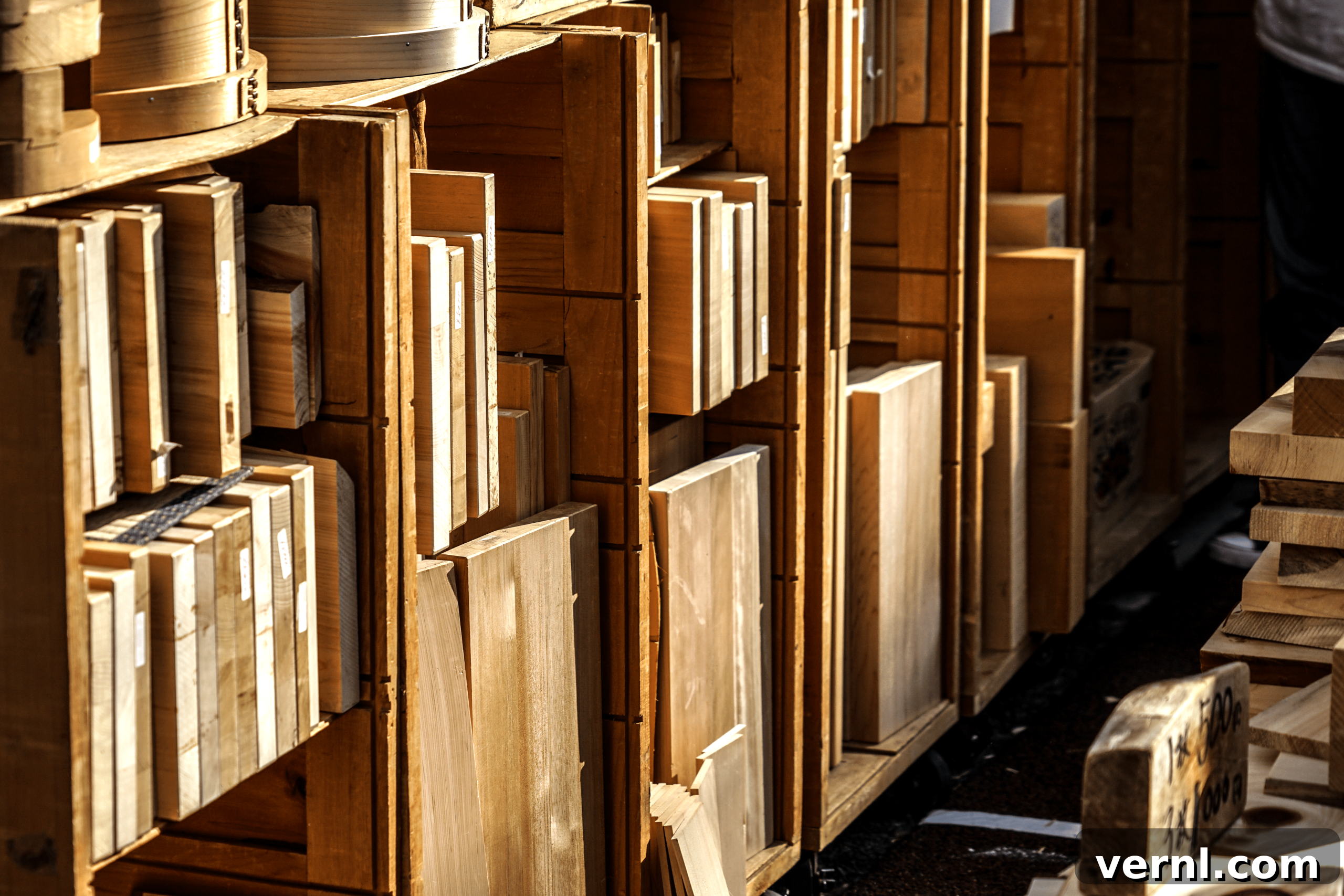
Cypress wood stands out as a premier choice for woodworkers tackling outdoor projects, from elegant patio furniture to robust deck structures. Renowned for its exceptional durability and natural resilience, this remarkable timber is naturally endowed with oils that grant it superior resistance to water damage, decay, and insect infestations. Among domestic American species, cypress consistently ranks as one of the most reliable options for outdoor applications. If you’re contemplating using this versatile wood for that ambitious patio furniture project or any exterior build, this comprehensive guide will equip you with all the essential knowledge. You’ll gain the confidence needed to expertly select, work with, and maintain cypress in your upcoming woodworking endeavors, ensuring lasting beauty and performance.
What Is Cypress Wood and Why Is It So Durable?
Cypress is categorized as a softwood, deriving from conifer trees – those distinctive needle-leaved plants that bear cones and are often referred to as “evergreens.” This classification contrasts it with hardwoods, which come from deciduous trees that shed their leaves annually. While cypress shares characteristics with other softwoods, its unique properties elevate its status, particularly for outdoor use.
The aesthetic appeal of cypress is undeniable. Its heartwood typically showcases a spectrum of hues, ranging from a pale yellow to a warm medium brown, offering a natural and inviting look. The sapwood, in contrast, presents a much lighter, almost creamy white tone, providing a subtle visual contrast. Beyond its appearance, cypress is notably lightweight and possesses a relatively low density, making it easier to handle and transport compared to many other timbers. These characteristics, combined with its renowned rot-resistant qualities, position cypress as an exceptionally desirable wood for a vast array of outdoor projects. From charming garden chairs and sturdy patio tables to practical shed workbenches and robust decking, cypress proves its worth. When left unstained and exposed to the elements, cypress gracefully ages into a beautiful, silvery-gray patina, a testament to its natural character and enduring charm.
The remarkable rot resistance of cypress is primarily attributed to a natural preservative oil called cypressene, which is naturally present within the wood cells. This oily substance acts as a natural barrier against moisture, fungal growth, and wood-boring insects, making it an ideal choice for environments prone to humidity and dampness. While old-growth cypress, harvested from ancient forests, is widely considered to possess a substantially higher concentration of cypressene and thus superior rot resistance, it has become increasingly scarce due to past over-harvesting. Consequently, finding commercially available old-growth cypress today is quite challenging and often comes at a premium. However, wood from younger cypress trees still offers a commendable level of natural rot resistance. These younger trees belong to the same family as other highly durable, rot-resistant timbers such as cedar, redwood, and sequoia, inheriting many of their protective qualities. This means even sustainably harvested young cypress provides significant longevity and performance for outdoor applications.
Understanding the Types and Characteristics of Cypress Wood
Cypress trees predominantly thrive in the distinctive, waterlogged environments of the southeastern United States, particularly in wet, swampy areas. Their natural habitat spans across the entire Atlantic Coastal Plain, extends along the Gulf of Mexico, and reaches up through the vast Mississippi River Valley. While various regional names may be used, the most widely recognized and commercially available species in the U.S. is the Bald Cypress.
The Bald Cypress (Taxodium distichum) is a fascinating species, widely accessible across the U.S. It might be known by different names depending on your locality, such as yellow cypress, red cypress, or swamp cypress. What makes the Bald Cypress particularly unique among conifers is its classification as a deciduous conifer. While it technically fits the definition of a conifer with its distinctive needle-like leaves and seed-bearing cones, it paradoxically sheds its needles each autumn, much like a typical broad-leaf deciduous tree. This unusual trait is precisely what gives it the name “bald cypress.”
Adding to its unique characteristics, the Bald Cypress also produces intriguing root structures known as “knees.” These specialized roots grow vertically upwards, often emerging above the waterline in areas where the tree’s main root system is submerged. While their precise biological function is still debated, it is widely believed that these cypress knees play a crucial role in helping the tree aerate an otherwise waterlogged root system, enabling it to thrive in its challenging wetland environment. Beyond their ecological significance, cypress knees also hold appeal for artisans and woodcarvers, often serving as unique and beautiful blanks for various crafting projects due to their irregular shapes and interesting grain patterns.
In terms of structural properties, cypress wood is celebrated for its excellent stability and respectable strength, especially considering its relatively low density. Its stability means it’s less prone to warping, twisting, or bowing when exposed to changes in humidity, a critical advantage for outdoor furniture and construction. The wood’s hardness is quantified using the Janka scale, which measures the force required to embed a steel ball halfway into the wood. Cypress registers a Janka rating of approximately 510 lbf (pound-force). To put this in perspective, Western Red Cedar, another popular outdoor wood, has a Janka rating of about 350 lbf, indicating it’s softer than cypress. In contrast, White Oak, a robust hardwood, boasts a much higher rating of 1,360 lbf. This places cypress firmly in the mid-range for hardness among commonly used timbers, striking a good balance between workability and durability for many applications.
The Pros and Cons of Working with Cypress Wood
Understanding the advantages and disadvantages of cypress is crucial for selecting the right material for your woodworking project.
Pros of Cypress Wood
- Exceptional Rot and Decay Resistance: Cypress’s most significant advantage is its unparalleled natural resistance to rot, decay, and fungal growth. This is due to the presence of cypressene, a natural oil that acts as a potent preservative. This inherent quality makes it a long-lasting and reliable material for any outdoor application, significantly reducing the need for chemical treatments. Projects made with cypress can withstand harsh weather conditions and high humidity for decades without succumbing to deterioration.
- Outstanding Stability: Cypress is a highly stable timber. This means it has a low propensity to cup, twist, bow, or check when exposed to fluctuations in moisture and temperature. Its dimensional stability is a huge asset for outdoor furniture, decking, and siding, as it helps maintain the integrity of joints and overall structure, preventing unsightly gaps or structural weaknesses over time.
- Excellent Workability: Despite its durability, cypress is remarkably forgiving and enjoyable to work with. It cuts, planes, and sands smoothly with sharp tools, making it accessible for woodworkers of all skill levels. It readily accepts nails and screws without excessive splitting, and its open grain structure allows it to absorb stains, paints, and sealers beautifully, resulting in a rich and even finish. This ease of working contributes to reduced project time and a more satisfying building experience.
- Natural Pest Resistance: Beyond rot, the cypressene oils also act as a natural deterrent to many common wood-boring insects, including termites. This added layer of protection is invaluable for outdoor structures that are vulnerable to pest damage, extending the lifespan of your projects without relying on synthetic insecticides.
- Sustainable Sourcing: While old-growth cypress is scarce, younger cypress trees are now harvested using more sustainable forestry practices. This ensures a continuing supply of this valuable timber while promoting responsible environmental stewardship, making it a more eco-friendly choice for conscientious woodworkers.
Cons of Cypress Wood
- Moderate Density and Softness: As a softwood with a relatively low density, cypress can be more susceptible to denting, scratching, and dinging compared to denser hardwoods. While this makes it lighter and easier to work with, it means cypress might not be the best choice for high-traffic surfaces or applications where extreme impact resistance is paramount. Care should be taken during handling and usage to prevent surface damage, though protective finishes can offer some mitigation.
- Variable Odor: The natural oils in cypress can impart a distinct aroma, which can vary significantly depending on where the tree grew. While many find the scent pleasant and similar to cedar – earthy and slightly spicy – some pieces can have a more pungent, sour, or even “swampy” smell. This odor usually dissipates over time, especially after the wood has dried and been finished, but it’s something to consider, particularly for enclosed indoor applications.
- Potential for Splintering: While generally easy to work with, cypress can sometimes be prone to splintering, particularly if tools are dull or cuts are made against the grain without proper support. Using sharp, carbide-tipped blades and appropriate cutting techniques can largely minimize this issue.
- Fastener Discoloration: The tannins and natural oils in cypress can react with certain metals, especially iron-based fasteners, leading to dark staining around screw heads or nails. To prevent this, it is highly recommended to use corrosion-resistant fasteners such as stainless steel, silicon bronze, or galvanized screws and nails for all cypress outdoor projects.
Diverse Applications for Cypress Wood
The unique combination of natural resistance, stability, and aesthetic appeal makes cypress suitable for a remarkably wide range of applications, especially where exposure to elements is a factor.
- Exterior Construction: Cypress is a prime material for various outdoor structural projects. Its strength and decay resistance make it an excellent choice for timber framing, providing a sturdy and long-lasting framework. It’s also widely used for decking, offering a durable and attractive surface that withstands foot traffic and weather. Beyond these, cypress is ideal for siding, fences, pergolas, gazebos, and even garden beds, ensuring longevity and minimal maintenance in outdoor environments.
- Boat Building: Given that cypress trees thrive in water, it’s only logical that this wood has a rich history and ongoing use in boat building. Its natural water resistance makes it suitable for various marine applications, from traditional canoes and small watercraft to components of larger vessels, trim, and docks. Cypress naturally repels water and resists rot, which is crucial for any material constantly exposed to moisture.
- Outdoor Furniture: This is where cypress truly shines for many woodworkers. Its ability to endure the elements, combined with its attractive grain and ease of working, makes it perfect for crafting high-quality outdoor furniture. Whether you’re building elegant patio chairs, robust dining tables, comfortable benches, or relaxing porch swings, cypress ensures your creations will stand the test of time, maintaining their beauty and structural integrity for years to come.
- Interior Applications: While primarily known for outdoor use, cypress also finds its way into select interior projects. Its unique grain and warm coloring can create stunning effects for paneling, rustic furniture, trim work, and ceiling beams, particularly in homes seeking a natural, earthy aesthetic. However, its distinct aroma should be considered for enclosed indoor spaces.
- Specialty Items and Crafts: The distinctive qualities of cypress lend themselves well to unique crafting opportunities. Cypress knees, with their irregular and often sculptural forms, are popular among carvers and artists. The wood can also be used for planters, decorative elements, and other custom pieces where its natural beauty and resilience are desired.
Cypress Wood Cost and Purchasing Guidance
Cypress wood is readily available across the United States, positioning itself as a moderately priced option within the spectrum of domestic American woods. Its cost-effectiveness makes it an appealing choice for many woodworkers looking for quality timber without the premium price tag of some exotic hardwoods.
The cost of cypress can vary, generally ranging from $5 to $8 per board foot, depending on factors such as the board’s width, length, thickness, and grade. For comparison, most domestic hardwoods typically fall within a broader range of $5 to $15 per board foot, illustrating cypress’s mid-range affordability. This price point often makes it a more accessible alternative to cedar or redwood, which can sometimes be more expensive depending on regional availability.
When purchasing cypress, it’s important to understand the different grades available and where to source them. Clear, knot-free boards, which are highly sought after for fine furniture and visible architectural elements, are typically found at specialized hardwood dealers or reputable lumberyards. These higher-grade boards will naturally command a slightly higher price due to their pristine appearance and reduced waste during processing. For larger construction projects, such as framing or sub-decking, you might find construction-grade cypress at local big-box retailers. This material will likely contain knots and other character marks but offers a more economical option for less visible or structural applications.
For beginner to intermediate woodworkers, cypress is an excellent choice to develop skills with outdoor projects. Its forgiving nature and moderate cost allow for experimentation without excessive financial commitment. When purchasing, always inspect the lumber for straightness, consistent milling, and appropriate moisture content. Ideally, wood should be air-dried or kiln-dried to a stable moisture content suitable for your region to prevent excessive movement after purchase. Inquiring about the wood’s origin can also help ensure you’re supporting sustainable forestry practices.
Maintenance and Finishing for Lasting Cypress Beauty
While cypress boasts natural durability, proper maintenance and thoughtful finishing can significantly extend its lifespan and preserve its aesthetic appeal, whether you prefer its natural weathered look or a vibrant stain.
Caring for Your Cypress Projects
Cypress is remarkably low-maintenance, especially when left unfinished. If you choose to let your cypress project age naturally, it will gradually transform into an elegant, silvery-gray patina. This weathering process is entirely natural and does not compromise the wood’s structural integrity or rot resistance. To maintain this natural look, occasional cleaning with mild soap and water is usually sufficient to remove dirt, mildew, or algae build-up. A soft brush or sponge should be used to avoid damaging the wood surface.
If you prefer to retain the wood’s original warm tones, or wish to apply a specific color, finishes will be necessary. Even with finishes, regular cleaning is recommended. It’s crucial to address any mildew or algae promptly, as these can obscure the wood’s beauty and potentially degrade the finish over time. Power washers can be used carefully on larger structures, but at a low setting and from a safe distance to avoid damaging the wood fibers.
Finishing Options for Cypress Wood
- Clear Sealers: For those who love the natural look of cypress but want added protection against UV rays and moisture, a clear exterior sealer is an excellent choice. These sealers penetrate the wood, offering water repellency and helping to prevent the graying process, while allowing the wood’s natural grain and color to show through. Reapplication every 1-3 years may be necessary depending on exposure.
- Stains: Cypress takes stains beautifully, allowing you to customize its appearance to match your aesthetic. Oil-based stains tend to penetrate deeper and offer richer color, enhancing the wood’s natural characteristics. Water-based stains are easier to clean up and dry faster. Always choose an exterior-grade stain that offers UV protection and mildew resistance for optimal results on outdoor projects. Test stains on a scrap piece of cypress first to ensure the desired color.
- Paints: If a solid, opaque color is desired, cypress can be painted effectively. Its stable nature means paint adheres well and is less likely to crack or peel compared to less stable woods. Proper priming with an exterior-grade primer is essential to ensure good adhesion and a uniform topcoat. High-quality exterior latex or oil-based paints designed for wood are recommended for best performance and longevity.
- Varnishes/Urethanes: For high-gloss, durable finishes, marine-grade varnishes or exterior urethanes can be applied. These create a thick, protective film on the surface, offering excellent resistance to abrasion, moisture, and UV radiation. Multiple thin coats are usually required, with light sanding between coats, to achieve a smooth and lasting finish.
Regardless of the finish chosen, always follow the manufacturer’s instructions for application and reapplication. Proper ventilation and appropriate safety gear are also crucial during the finishing process.
Working with Cypress: Tips for Success
Cypress is generally considered a pleasure to work with, but a few considerations can make your woodworking experience even more successful.
- Tooling: Cypress is a softwood, so it cuts and shapes easily. However, its grain can sometimes be a bit fibrous, and dull tools can lead to tear-out or splintering. Using sharp, carbide-tipped blades for saws, routers, and planers will result in cleaner cuts and smoother surfaces. Power sanders work well, but start with a coarser grit (e.g., 80-100) and progressively move to finer grits (e.g., 150-220) for a silky-smooth finish, especially if you plan to stain.
- Fasteners: As mentioned in the “Cons” section, the natural tannins in cypress can react with ferrous metals, causing dark stains. Always use stainless steel screws, nails, or other fasteners for outdoor cypress projects. Galvanized fasteners can also work, but stainless steel offers superior long-term corrosion resistance and stain prevention. Pre-drilling pilot holes is recommended, especially near board ends, to prevent splitting, particularly with larger screws.
- Adhesives: For joinery, exterior-grade waterproof glues like Titebond III or other polyurethane-based adhesives are ideal. Ensure joints are tight and apply clamps firmly but not excessively, as cypress can dent under high pressure. Allow sufficient drying time according to the glue manufacturer’s instructions.
- Dust Collection: While cypress dust is generally not as irritating as some hardwoods, fine wood dust can still be a respiratory irritant. Always use appropriate personal protective equipment, such as a dust mask or respirator, and ensure good ventilation or a dust collection system in your workshop.
- Handling: Due to its relatively low density, cypress can be more prone to dents and dings during handling and assembly. Exercise care when moving pieces, and use sacrificial boards or padding under clamps to protect surfaces from pressure marks.
By following these guidelines, you can harness the natural beauty and resilience of cypress wood, creating durable and attractive projects that will be enjoyed for years to come. Its unique combination of workability, stability, and inherent resistance to decay truly makes cypress an exceptional choice for woodworkers focused on outdoor living.