
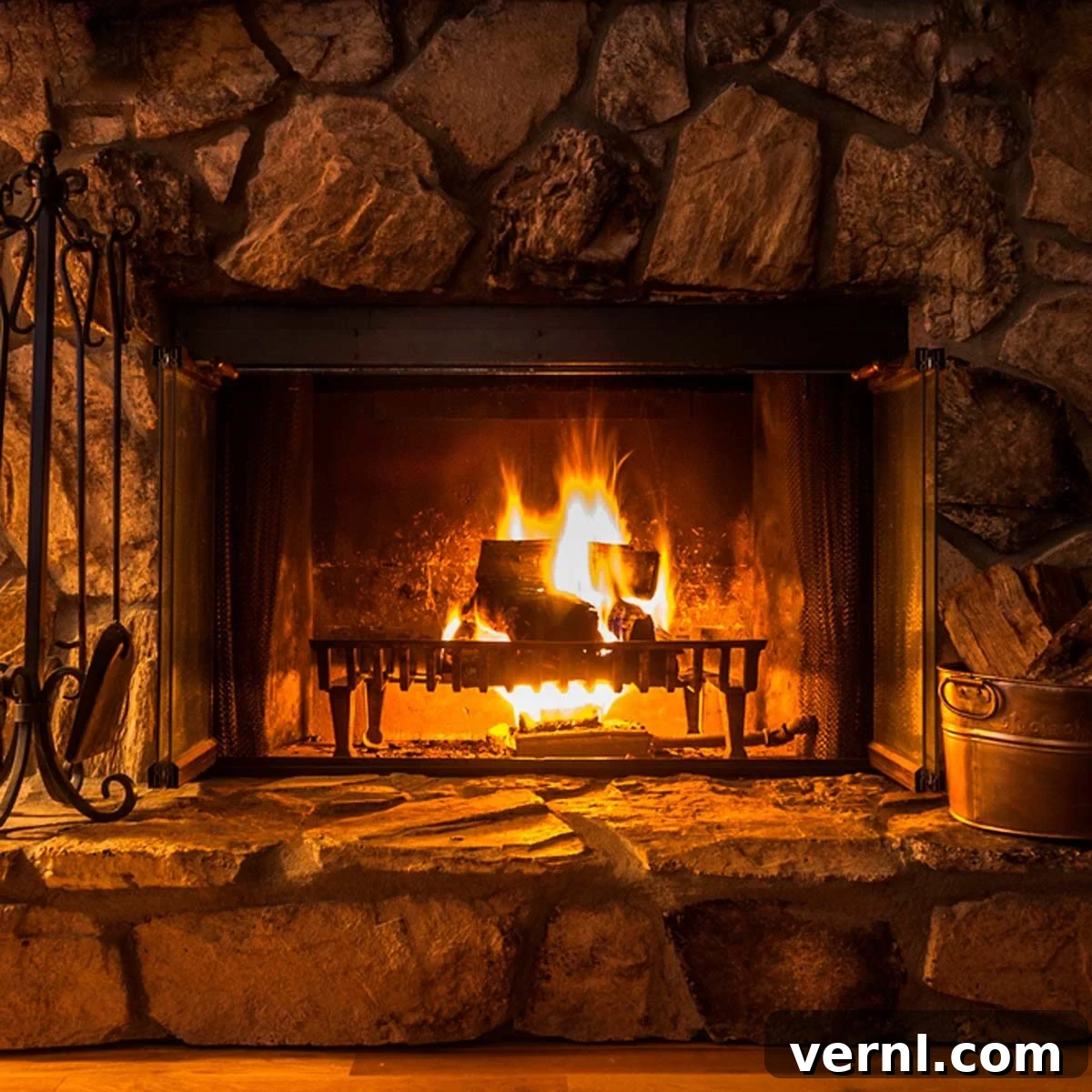
While the imagery of a chimney sweep might evoke classic cinematic tales, their role in modern homes is far from fictional. These dedicated professionals are indispensable visitors for any household relying on wood-burning fireplaces or efficient wood stoves. Their presence isn’t just a matter of tradition; it’s a critical component of home safety, ensuring your heating system operates effectively and, most importantly, safely.
The stark reality is that chimney fires are a significant concern for homeowners. Each year, more than 25,000 chimney fires are reported across the U.S., posing substantial risks to property and life. These incidents can manifest dramatically, with roaring sounds akin to a low-flying jet and flames visible from the top of the chimney. However, many chimney fires are insidious, burning slowly and going unnoticed, quietly causing severe structural damage that only a thorough chimney inspection can reveal. Regardless of their intensity, chimney fires are inherently dangerous. The good news is that they are almost entirely preventable through awareness and diligent maintenance.
Understanding the Threat: What Causes Chimney Fires?
The primary culprit behind the vast majority of chimney fires is the accumulation of creosote within the flue that lines the chimney. Creosote is a highly flammable, dark-colored residue—ranging from black to dark brown—that forms as a natural byproduct of incomplete combustion in wood-burning systems. Its texture can vary widely; it might appear as a flaky, crusty deposit, a sticky tar-like substance, or even a hardened, glazed coating. All forms are hazardous, but the glazed variety is particularly difficult to remove and extremely flammable.
The formation of creosote is influenced by several factors, including the type of wood burned, the efficiency of the fire, and the temperature of the flue. When wood burns, it releases volatile organic compounds and gases. If the fire is not hot enough, or if there’s insufficient airflow, these gases don’t fully combust. Instead, they condense on the cooler surfaces of the chimney flue, forming creosote. Once enough creosote has built up, and if the internal flue temperature becomes sufficiently high—either from an intensely hot fire or by stray sparks or flames reaching the deposits—it can ignite, leading to a dangerous chimney fire.
The Science of Creosote Buildup
Creosote typically progresses through three stages:
- First-Degree Creosote: This is a fine, powdery, soot-like deposit that is relatively easy to remove. It forms when fires burn hot and efficiently.
- Second-Degree Creosote: As temperatures drop or combustion is less efficient, creosote begins to condense into a crusty, flaky substance. It’s harder to remove than first-degree creosote but still manageable.
- Third-Degree Creosote: This is the most dangerous form. It’s a shiny, tar-like, hardened glaze that adheres firmly to the flue liner. It forms under conditions of poor draft, smoldering fires, and wet wood. This glazed creosote is highly flammable and extremely challenging for homeowners to remove without specialized tools, making professional cleaning absolutely essential.
Understanding these stages underscores the importance of proper burning techniques and regular maintenance to prevent the accumulation of this hazardous material.
Proactive Prevention: Essential Steps to Chimney Safety
Preventing chimney fires is not a complex task, but it requires consistent attention and adherence to best practices. By following these guidelines, you can significantly reduce the risk and enjoy your fireplace or wood stove with peace of mind.
-
Regular Professional Cleaning and Inspection: The Annual Check-Up
The single most crucial step in chimney fire prevention is having your chimney cleaned and inspected by a certified professional at least once a year. For those who use their wood-burning appliance daily, such as a wood stove for primary heating, multiple cleanings per year may be necessary to keep creosote at bay. A typical chimney cleaning and inspection can range from $125 to $250, depending on the type and condition of your chimney, but this investment pales in comparison to the cost of fire damage or, worse, loss of life. During an inspection, the chimney sweep will assess the overall condition of your chimney, identifying any structural damage, blockages, or potential hazards beyond creosote buildup.
The Chimney Safety Institute of America (CSIA) recommends three levels of inspection:
- Level 1: A basic visual inspection, typically performed during a routine cleaning, checking for obvious damage or blockages.
- Level 2: Required when changes are made to the system (e.g., new appliance, liner replacement) or after an operational malfunction or external event like a minor chimney fire. This includes a video scan of the flue interior.
- Level 3: The most in-depth inspection, performed when a Level 1 or 2 inspection suggests a hidden hazard. This may involve removing parts of the chimney structure to access concealed areas.
A professional sweep ensures that your chimney is not only clean but also structurally sound and free from any obstructions that could lead to dangerous conditions.
-
Mastering the Art of “Clean Burning”
The type of fire you build directly impacts creosote formation. Aim for “clean” fires—those characterized by more flame and less smoke. To achieve this, always burn seasoned wood. Seasoned wood has been dried for at least six months to a year, ideally longer, and has a moisture content below 20%. This greatly reduces smoke and allows for a hotter, more complete burn. Store your firewood under cover, off the ground, to keep it dry until ready for use. Avoid burning evergreens or softwoods, as they tend to contain more sap and moisture, leading to excessive popping, sparking, and creosote production, thereby creating a higher fire hazard. Hardwoods like oak, maple, and ash burn hotter and longer, producing less creosote.
Proper fire-starting techniques also contribute to a clean burn. Use kindling and smaller pieces of wood to establish a hot, stable fire before adding larger logs. Avoid smothering the fire with too much wood; maintain good airflow around the burning logs.
-
Optimal Airflow: The Damper’s Role
The damper is a critical component for controlling the airflow into your fireplace and the draft up the chimney. For safe operation, always keep the damper fully open when a fire is burning. A restricted air supply, caused by a partially closed damper, starves the fire of oxygen, leading to incomplete combustion and significantly increased creosote buildup. The Chimney Safety Institute of America (CSIA) specifically warns against operating a fireplace with a damper that is not fully open during use due to this risk. Once the fire has completely died down and the embers are cold, the damper can be closed to prevent heat loss from your home.
-
Be Smart About What You’re Burning
Not all combustible materials are suitable for your fireplace. It’s crucial to be smart about what you’re burning to prevent toxic fumes, excessive sparks, and rapid creosote accumulation. While some people use rolled-up newspaper to start fires, exercise caution. Never burn glossy pages from magazines, wrapping paper, or cardboard, as these materials often contain inks, dyes, and chemicals that can release noxious fumes into your home and contribute to heavy creosote deposits. Furthermore, these materials burn quickly and can send burning fragments up the flue, potentially igniting existing creosote or even starting a roof fire.
Always feed paper under the grate or directly into the flames, ensuring that burning fragments do not rise up the flue. Avoid burning household trash, plastics, or treated wood, as these can release dangerous toxins and highly corrosive substances that damage your chimney liner over time. Stick to clean, dry, seasoned natural wood.
-
Beyond the Firebox: Comprehensive Chimney Maintenance
Beyond cleaning, other aspects of chimney maintenance are vital for long-term safety. A proper chimney cap is essential to prevent rain, snow, animals, and debris from entering the flue. Water intrusion can cause significant damage to the flue liner and masonry, while animal nests or debris can create dangerous blockages. Regularly inspect your chimney crown for cracks, as this is another common point of water entry. The flashing, where the chimney meets the roof, should also be checked periodically for leaks or deterioration. Addressing these minor issues promptly can prevent major structural problems and maintain the integrity of your entire chimney system.
Recognizing the Signs: What to Do If a Chimney Fire Starts
Even with the best preventative measures, accidents can happen. It’s crucial to know how to recognize the signs of a chimney fire and what immediate actions to take to protect your home and family.
Signs of a Chimney Fire:
- Loud Roaring or Popping Noises: Often described as sounding like a freight train, a low-flying jet, or popcorn popping loudly.
- Dense, Black Smoke: An unusually large volume of thick, black smoke emanating from the top of the chimney.
- Flames from the Top of the Chimney: Visible flames or sparks shooting out of the chimney cap.
- Intense Heat: The exterior of the chimney, particularly on upper floors, may feel unusually hot to the touch.
- Vibrations: A shaking sensation in the walls or structure near the chimney.
- Smell of Intense Heat: A strong, acrid burning smell that is not typical of a normal fire.
Immediate Actions During a Chimney Fire:
- Close the Damper: If safe to do so, immediately close the fireplace damper. This will help to starve the fire of oxygen, slowing its intensity.
- Call 911: Do not hesitate. Call emergency services immediately, even if you think the fire is minor or contained. Chimney fires can quickly spread to other parts of your home, and professional firefighters are best equipped to handle the situation.
- Evacuate: Ensure everyone, including pets, safely evacuates the house and remains at a safe distance until firefighters arrive and declare the area safe.
- Use a Fire Extinguisher (ONLY if safe and trained): If you have a fire extinguisher rated for Class A fires (wood, paper) and are trained to use it, you might try to extinguish the fire in the firebox. However, never attempt to put out flames inside the flue liner yourself.
- Watch for Spreading Fire: While waiting for help, visually check the exterior of the chimney, the attic, and any surrounding walls for signs of the fire spreading.
After a chimney fire, even a small one, it is imperative to have your chimney system inspected by a certified professional before using it again. A chimney fire can cause significant damage to the flue liner and the structural integrity of the chimney, making it unsafe for future use.
Advanced Safety Measures and Smart Practices
Beyond the fundamental maintenance steps, incorporating additional safety measures can provide an extra layer of protection for your home and family.
- Carbon Monoxide Detectors: Install carbon monoxide detectors on every level of your home, especially near sleeping areas. Faulty or blocked chimneys can lead to the dangerous buildup of this odorless, colorless gas.
- Smoke Detectors: Ensure you have working smoke detectors strategically placed throughout your home, and test them regularly.
- Fire Extinguishers: Keep a readily accessible fire extinguisher (Class A or ABC rated) near your fireplace or wood stove, and know how to use it properly.
- Safe Clearances: Maintain recommended clearances between your fireplace or wood stove and any combustible materials (furniture, curtains, rugs). Follow manufacturer guidelines for your specific appliance. Use appropriate hearth pads and heat shields.
- Ash Disposal: Always dispose of ashes in a metal container with a tight-fitting lid, and place it outdoors on a non-combustible surface, away from any structures, for several days until completely cold. Even seemingly cold ashes can harbor hidden embers for days.
Conclusion: Investing in Safety and Peace of Mind
The charm and warmth of a wood-burning fireplace or stove are undeniable, but they come with a responsibility to prioritize safety. Chimney fires are a serious, yet largely preventable, threat to homes and families across the nation. By understanding the causes, primarily creosote buildup, and diligently following a regimen of preventative care, you can significantly mitigate these risks.
Regular professional chimney sweep services, coupled with smart burning practices like using only seasoned wood and ensuring proper airflow, form the cornerstone of a safe operation. Being vigilant about what you burn and implementing comprehensive maintenance beyond just cleaning are also vital. Furthermore, knowing how to react if a chimney fire does occur can make all the difference in protecting your loved ones and your property.
Investing in the proper maintenance of your chimney system isn’t just about avoiding a catastrophe; it’s about ensuring the efficiency of your heating appliance, extending its lifespan, and, most importantly, securing the safety and peace of mind for everyone in your home. Don’t wait for a roaring alarm to take action; be proactive in your chimney safety efforts.