
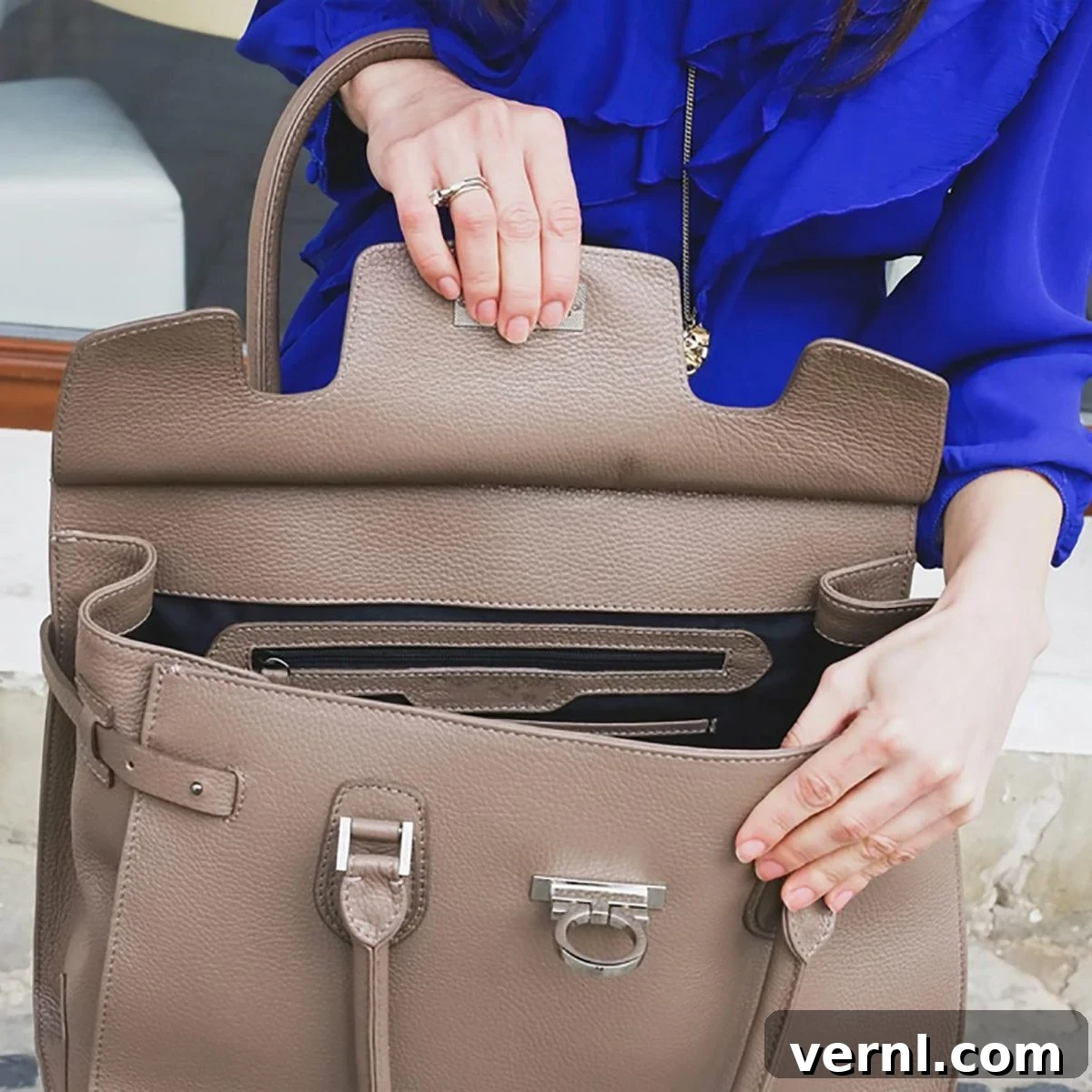
Our handbags are more than just fashion statements; they are indispensable companions, carrying our daily essentials, from wallets and keys to phones and makeup. However, beneath their stylish exterior lies a hidden world. A revealing study once exposed that a staggering 95 percent of handbags harbor some form of bacteria. Adding to this unsettling truth, various viruses can cling to handbag surfaces, surviving for hours, or even days, posing potential health risks. But don’t despair! Regular and thorough cleaning of your beloved accessory is your first line of defense, helping to keep those unwelcome pathogens at bay. This comprehensive guide will walk you through everything you need to know to ensure your handbag is not only stylish but also hygienically clean and well-maintained.
Why Handbag Hygiene Matters: Unmasking the Germ Hotbed
In our fast-paced lives, our handbags come into contact with countless surfaces: office desks, public restrooms, grocery store carts, crowded subway seats, and even the floor. Each interaction provides an opportunity for germs to transfer and accumulate. The items we place inside – coins, receipts, used tissues, even our phones – can also contribute to the microbial ecosystem thriving within. Neglecting handbag hygiene isn’t just about superficial dirt; it’s about safeguarding your health and preserving the longevity of your investment.
The Unseen Dangers: Bacteria and Viruses
The statistics are eye-opening: studies frequently identify handbags as one of the dirtiest items we carry. Common culprits include E. coli, Salmonella, and various strains of bacteria that can cause skin infections, colds, and flu. Viruses, too, can persist on surfaces, meaning a quick stop in a public place could leave your bag harboring unwanted microscopic guests. Regular cleaning significantly reduces the presence of these pathogens, creating a healthier environment for you and your belongings.
Beyond Germs: Aesthetics and Longevity
Beyond the invisible threats, dirt and grime also take a visible toll on your handbag. Stains, discolouration, and general wear and tear diminish its appearance and value. A proactive cleaning routine not only keeps your bag looking pristine but also extends its lifespan. Proper care, including conditioning and protecting the material, prevents premature aging, cracking, and fading, ensuring your cherished accessory remains a staple in your wardrobe for years to come.
Step-by-Step Handbag Cleaning: Getting Started Right
Before you even think about applying cleaners or water, proper preparation is key. This initial stage is crucial for an effective and thorough cleaning process, ensuring you don’t inadvertently spread dirt or damage your bag.
1. Empty and Declutter: The Essential First Step
Imagine trying to clean a cluttered room; it’s inefficient and often ineffective. The same applies to your handbag. Begin by completely emptying your bag. Remove every single item: your wallet, keys, phone, makeup bag, pens, receipts, and any loose change. This not only makes the cleaning process much easier but also offers a golden opportunity for decluttering.
- What to Keep, What to Toss: Scrutinize each item. Discard old receipts, dried-up pens, forgotten tissues, and anything else that’s expired or no longer needed. This regular purge prevents unnecessary clutter and reduces the breeding ground for germs.
- Cleaning Your Wallet and Contents: Your wallet is one of the most frequently handled items in your bag. Empty it completely. Wipe down the exterior with an appropriate cleaner for its material (leather cleaner for leather, mild soap and water for synthetic). For fabric or canvas wallets, a gentle spot clean might be necessary.
- Disinfecting Payment Cards and Electronics: Don’t overlook the items you handle constantly. Research consistently shows that payment cards like credit and debit cards are among the dirtiest items in your purse. These, along with your smartphone, keys, and compact mirror, should be disinfected. Use a small amount of rubbing alcohol on a cotton ball for cards (ensuring your signature remains visible, re-sign if needed after drying) or an EPA-approved disinfectant wipe for electronics, following manufacturer guidelines for delicate screens.
2. Understanding Your Handbag’s Material: The Key to Safe Cleaning
Not all handbags are created equal, and neither are their cleaning needs. Using the wrong product or method can lead to irreparable damage. Always identify the material of your bag before proceeding.
- Check the Care Label: Many handbags, especially designer ones, come with care instructions. Look inside for a small label that provides guidance on cleaning and maintenance.
- Always Patch Test: Before applying any cleaning solution or product to a visible area, perform a patch test on an inconspicuous spot (e.g., inside a pocket, on the bottom, or a hidden seam). Apply a tiny amount of the cleaner, let it dry, and observe for any adverse reactions like discolouration, damage, or residue.
Material-Specific Cleaning Techniques for Every Handbag
Once your bag is empty and you’ve identified its material, it’s time for the targeted cleaning. Each material demands a specific approach to ensure effectiveness without causing damage.
How to Clean Leather Handbags: Preserving Elegance and Durability
Leather handbags are investments that, with proper care, can last a lifetime. They require gentle yet effective cleaning to maintain their luxurious feel and appearance.
Routine Leather Care
Start by using a soft, dry, lint-free cloth to gently wipe away any surface dust, dirt, or debris. This prevents scratching the leather during deeper cleaning. For a more thorough clean, apply a small amount of a high-quality leather cleaner, such as Skidmore’s Original Leather Cream, to another clean, soft cloth. Work the cleaner into the leather using gentle circular motions, covering all exterior surfaces. Avoid saturating the leather. For quick, on-the-go touch-ups, specialized handbag cleaning wipes like HandBagRescue All-Natural Cleaning Wipes can be a convenient solution.
Tackling Stubborn Leather Stains
- Water Stains: If your leather bag gets caught in the rain, water spots can appear. To remove them, gently rub a clean, lint-free cloth over the stained area. Allow the leather to air dry naturally, away from direct heat or sunlight. Avoid vigorous rubbing, as this can spread the stain or damage the leather fibers.
- Ink Stains: Ink can be tricky on leather. Lightly dampen a cotton ball with rubbing alcohol (isopropyl alcohol) and dab, rather than rub, the ink stain. Work from the outside of the stain inwards to prevent spreading. Always perform a patch test first, as alcohol can sometimes strip color or dry out certain types of leather. Follow up with a leather conditioner to rehydrate the area.
- Oil and Grease Stains: For oily marks, immediately blot the stain with a clean microfiber cloth to absorb as much oil as possible. Then, sprinkle a generous amount of cornstarch or talcum powder directly onto the stain. Let it sit overnight to draw out the oil. In the morning, gently brush off the powder with a soft brush or cloth. Repeat if necessary.
Conditioning and Protecting Leather
After cleaning, always condition your leather bag. Leather is a natural material that needs moisture to stay supple and prevent cracking. A good leather conditioner will rehydrate the material and restore its natural sheen. Apply a small amount to a clean cloth and gently rub it into the leather. Some conditioners also offer a protective barrier against future stains and water damage, which can be particularly beneficial.
How to Clean Canvas Handbags: Durable and Versatile Care
Canvas bags are known for their durability and versatility, but they too accumulate dirt and grime. The cleaning method largely depends on whether your canvas bag has delicate features.
Hand Washing Delicate Canvas
If your canvas bag features intricate prints, delicate embellishments, or leather trim, hand washing is the safest approach. Fill a basin with warm water and add a few drops of mild dish detergent (like Dawn dish detergent, known for its grease-cutting power). Dip a clean, plain white cloth into the solution and gently rub out any stains or dirty areas. For stubborn spots, a soft-bristled brush can be used carefully. Once clean, rinse the bag thoroughly in a basin of cool, clean water until all soap residue is gone. Gently squeeze out excess water (do not wring aggressively, especially if the bag has structure) and allow it to air dry completely, ideally by hanging or laying flat on a clean towel, away from direct sunlight.
Machine Washing Sturdier Canvas
For plain, unadorned canvas bags without special features or delicate components, machine washing might be an option. Always check the care label first. If no specific instructions are provided, it’s generally safe to wash on a cold water cycle with a low-speed setting to minimize wear and tear. Place the bag in a mesh laundry bag to protect it. Pretreat any visible stains with a dab of dish detergent and water before washing. After the cycle, remove the bag and allow it to air dry completely to prevent shrinking or mildew.
Spot Cleaning Canvas Stains
For minor spills or marks on canvas, a quick spot clean can often suffice. Mix a small amount of mild soap with water. Dip a clean cloth or a soft brush into the mixture and gently scrub the stained area. Blot dry with another clean, damp cloth, then a dry one. Ensure the area dries completely to avoid water rings.
How to Clean Vinyl and Faux Leather Handbags: Simple and Effective
Vinyl and faux leather bags are popular for their affordability and easy maintenance. While less porous than real leather, they still require regular cleaning to prevent cracking and maintain their appearance.
Everyday Vinyl Cleaning
Prepare a cleaning solution by mixing a tablespoon of mild laundry detergent (or dish soap) into a bowl of lukewarm water. Dip a soft sponge or cloth into the solution, wring out any excess, and wipe down the entire bag. Pay attention to frequently touched areas like handles and the bottom. Once clean, rinse the sponge thoroughly with plain water and wipe down the bag again to remove any soap residue. Finally, use a dry, soft cloth to gently dry the handbag, buffing it to a subtle sheen.
Removing Vinyl Stains
For general stains, if you notice a stubborn mark, apply a single drop or two of the mild laundry detergent directly onto the stain. Gently rub it with your fingers or a soft cloth until the stain begins to fade. Wipe away the excess with a damp cloth and dry. For ink stains on vinyl, a surprising but effective trick is to mist a small amount of hairspray directly onto the ink. Let it sit for a few minutes, then gently rub it out with a soft cloth. Always test this method on an inconspicuous area first, as some hairsprays might affect the material.
Cleaning Other Common Handbag Materials
While leather, canvas, and vinyl are prevalent, many handbags are crafted from other materials, each with unique cleaning needs.
- Nylon Handbags: Often durable and water-resistant, nylon bags can typically be cleaned with mild soap and water. For heavier dirt, a soft brush can be used. Many unadorned nylon bags can also be machine washed on a gentle cycle, similar to sturdy canvas.
- Fabric Handbags (Cotton, Polyester): Similar to canvas, simple fabric bags can often be spot cleaned with a mild detergent solution. If machine washable, use a gentle cycle with cold water and air dry.
- Patent Leather: This material is known for its high-gloss finish. Clean patent leather with a soft, damp cloth and a very small amount of mild soap. Dry immediately with a clean, soft cloth to prevent water spots and maintain its shine. Avoid abrasive cleaners or alcohol, as they can dull or damage the finish.
Deep Cleaning the Interior Lining of Your Handbag
The exterior of your bag might be sparkling, but don’t forget the interior! The lining, often made of fabric, can harbor crumbs, dust, and spills, becoming a haven for bacteria.
- Vacuuming: After emptying your bag, turn it inside out or pull the lining out as much as possible. Use a handheld vacuum with a brush attachment or a crevice tool to thoroughly vacuum out all dust, crumbs, and debris from the corners and seams.
- Spot Cleaning: For stains on fabric linings, mix a small amount of mild dish soap with water. Dampen a clean cloth with the solution and gently blot the stain. Avoid saturating the fabric. Use a separate damp cloth to wipe away soap residue, then blot dry with a clean towel. Allow the lining to air dry completely before putting items back in.
- Odour Removal: If your bag has an unpleasant odor, sprinkle a generous amount of baking soda inside the lining. Close the bag and let it sit overnight (or longer for stubborn odors). The baking soda will absorb the smells. Then, simply vacuum out the baking soda. For persistent odors, an activated charcoal pouch can also be effective.
Establishing a Regular Handbag Cleaning Routine
Consistency is key when it comes to handbag hygiene. A routine ensures your bag stays clean without requiring intensive effort each time.
- Daily Quick Wipes: Make it a habit to quickly wipe down the handles and bottom of your bag with a disinfectant wipe or a damp cloth at the end of each day. These are the areas that most frequently come into contact with external surfaces and hands.
- Weekly Maintenance: Aim for a weekly empty-and-clean session. This includes emptying out all contents, wiping down the exterior with the appropriate cleaner for its material, and spot-cleaning any minor marks. Don’t forget to disinfect your wallet and frequently handled items.
- Monthly or Seasonal Deep Cleans: Every month or quarter, depending on how often you use a particular bag, perform a more thorough deep clean. This involves cleaning the interior lining, conditioning leather, and addressing any more stubborn stains that may have accumulated. This is also a good time to rotate your bags or assess if any need professional cleaning or repair.
The Power of UV Light: Advanced Handbag Sanitization
For an extra layer of protection, particularly against unseen pathogens, consider incorporating UV-C light sanitization into your routine.
- How UV-C Technology Works: Research has demonstrated that ultra-violet (UV-C) light is effective at killing bacteria and viruses. It works by damaging the DNA and RNA of pathogens, preventing them from replicating and rendering them harmless.
- Benefits and Limitations: UV-C sanitizers can reach areas that might be difficult to clean manually, offering a chemical-free method of disinfection. However, their effectiveness depends on direct exposure to the light; shadowed areas will not be sanitized. They are also generally safe for a wide range of materials, unlike some chemical disinfectants.
- Choosing a UV Sanitizer: There are many UV sterilizing devices on the market. While some are box-like chambers for small items, others are wands designed for larger surfaces. For handbags, a portable UV-C wand, such as the VeriClean™ Portable UV-C Wand, can be highly effective, allowing you to manually sweep the light over both the interior and exterior surfaces of virtually any handbag material. Always follow the manufacturer’s instructions for safe and effective use.
Maintaining Handbag Hygiene Between Cleans
Even with a regular cleaning schedule, practicing good hygiene habits daily can significantly reduce germ accumulation.
- Use a Purse Hook: Whenever possible, avoid placing your handbag directly on public floors, especially in restrooms or restaurants. A portable purse hook can keep your bag off the ground and away from high-traffic germ zones.
- Avoid Placing on Floors: When at home, designate a specific clean spot for your bag, rather than tossing it on the floor.
- Hand Sanitizer Habits: Regularly use hand sanitizer, especially after touching public surfaces and before reaching into your bag. Clean hands mean fewer germs transferred to your bag’s contents.
- Internal Organizers: Using smaller pouches or organizers within your handbag can help keep items contained, prevent spills, and make it easier to remove and clean contents. This also means less direct contact between your bag’s lining and potentially dirty items.
Conclusion: Your Handbag, Reimagined as a Clean, Healthy Accessory
Your handbag is a reflection of your style and an essential part of your daily life. By adopting a proactive and informed cleaning routine, you can transform it from a potential germ magnet into a pristine, safe, and long-lasting accessory. Regular care not only safeguards your health by minimizing exposure to bacteria and viruses but also ensures your investment remains beautiful and functional for years to come. So, embrace these tips, give your handbag the attention it deserves, and carry it with confidence, knowing it’s not just fashionable, but hygienically clean.