
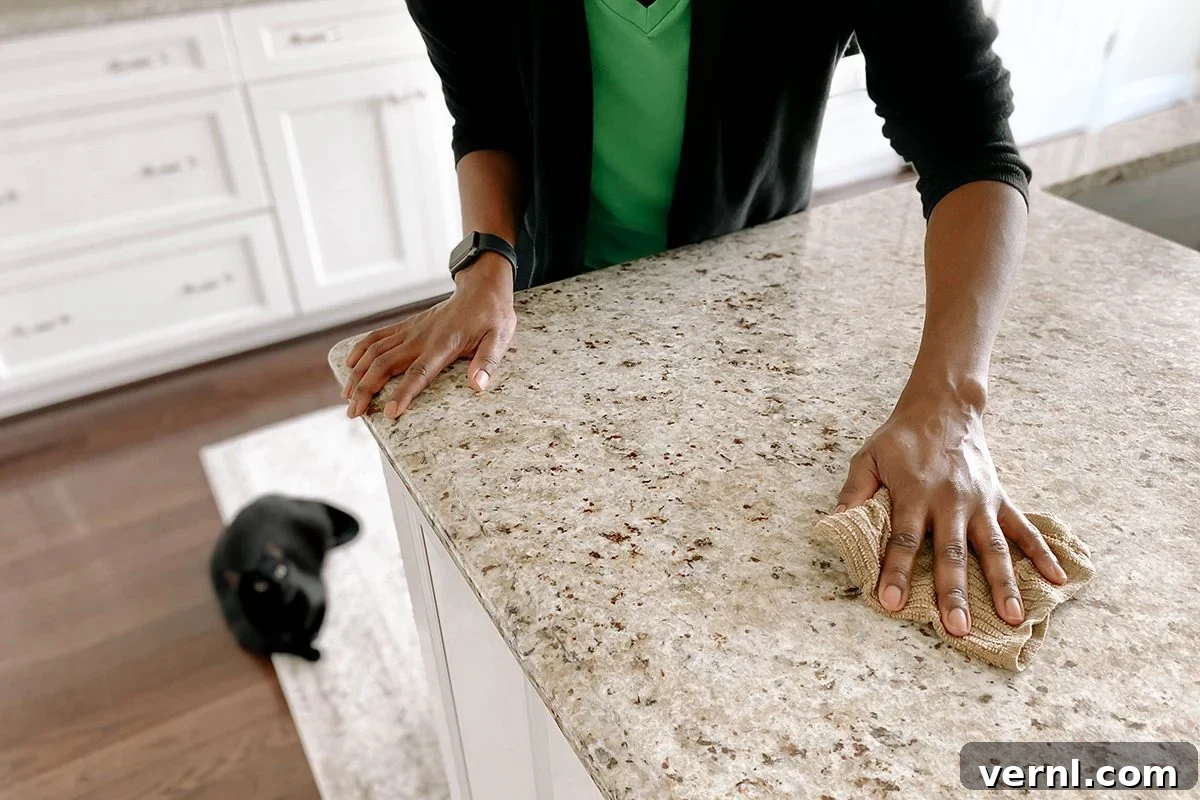
The Ultimate Guide to Cleaning and Maintaining Granite Countertops
Granite countertops are a beloved feature in countless homes, admired for their unique patterns, remarkable durability, and the touch of natural elegance they bring to kitchens and bathrooms. As a natural stone, granite represents a significant investment and a focal point of your living space. To ensure it retains its breathtaking luster and withstands the rigors of daily use for decades, understanding and implementing proper cleaning and maintenance routines is absolutely essential. This comprehensive guide will equip you with the knowledge to keep your granite countertops pristine, protected, and perpetually dazzling.
Did you know that granite, despite its reputation for toughness, exhibits varying characteristics across different slabs? This is primarily due to its natural formation. Some stones are inherently more porous than others, meaning they contain tiny, microscopic channels that can absorb liquids. This porosity can make certain granite varieties more susceptible to staining if not properly treated. To combat this, many manufacturers apply a robust resin seal during the fabrication process. This specialized sealant penetrates deep into the granite, effectively filling these minute pores and creating a formidable barrier against moisture and potential stains.
Other granite slabs, particularly those with naturally lower porosity, might not receive a full resin seal but are instead meticulously polished. This polishing process involves a series of increasingly fine abrasives that smooth the stone’s surface, culminating in a magnificent, glass-like finish that spectacularly reflects light. Regardless of whether your granite has a protective resin seal, a natural high-gloss polish, or a combination of treatments, the fundamental goal remains the same: to preserve its exquisite shine and structural integrity. Neglecting proper care can lead to dullness, etching, or even deep-set stains that diminish the aesthetic appeal and value of your countertops.
Essential Daily Habits for Preserving Your Granite’s Beauty
Maintaining the pristine condition of your granite countertops begins with adopting a few simple yet effective daily habits. These preventative measures are crucial for safeguarding your investment and ensuring your granite looks as stunning as the day it was installed, regardless of its unique finish or porosity:
- Always Use a Cutting Board: While granite is renowned for its hardness, it is not entirely scratch-proof. Direct contact with sharp knives can dull your blades and, over time, create subtle abrasions or hairline scratches on the granite’s surface. Using a dedicated cutting board provides an indispensable protective layer, ensuring both your countertop and your cutlery remain in excellent condition.
- Protect Against Extreme Temperatures: Granite possesses a degree of heat resistance, but exposing it to sudden and extreme temperature fluctuations can be risky. This phenomenon, known as thermal shock, can potentially lead to stress fractures or cracking over time, particularly along natural fault lines or existing imperfections. Never place scorching hot pots, pans, or baking dishes directly from the oven or stovetop onto your granite. Similarly, avoid placing frozen items that can rapidly cool a localized area. Always interpose a protective mat, trivet, or hot pad between your hot/cold items and the granite surface to mitigate this risk.
- Wipe Up Spills Immediately: This is perhaps the most critical daily habit. Even well-sealed granite can eventually absorb liquids if they are left to sit for extended periods. Acidic substances like lemon juice, vinegar, wine, or tomato sauce can etch the surface, dulling the shine. Oily spills, such as cooking oil, butter, or salad dressing, can penetrate the pores and leave dark, unsightly stains. Highly pigmented liquids like coffee, tea, or red wine can also cause discoloration. Promptly wiping up any spill with a soft, absorbent cloth prevents these substances from having a chance to seep into the stone or react with its surface, thus preserving its immaculate appearance.
Understanding the Impact of Timely Spill Cleanup
The speed with which you address a spill can significantly impact its potential for harm. Acidic liquids, if left on the surface, can chemically react with the calcium carbonate often present in granite, leading to dull, etched spots that mar the polished finish. Oily spills are particularly insidious; if they penetrate the stone, they can be notoriously difficult to extract, often requiring specialized poultice treatments. Pigmented liquids, given enough time, can impart a lasting stain that fundamentally alters the stone’s natural color. By making immediate spill cleanup a non-negotiable part of your routine, you actively prevent these common countertop catastrophes, ensuring your granite remains vibrant and unblemished.
Your Comprehensive Guide to Safely Cleaning Granite Countertops
Beyond daily preventative measures, establishing an effective cleaning routine is vital for maintaining the hygiene and aesthetic appeal of your granite. The key is to employ methods that thoroughly clean and disinfect without compromising the stone’s integrity or its protective sealant. This means steering clear of harsh chemicals and embracing gentle yet powerful cleaning solutions.
Everyday Cleaning: Gentle Yet Effective Solutions
For routine cleaning and to keep your granite countertops brilliantly clean and streak-free, a simple solution of mild dish soap and warm water is remarkably effective. This gentle approach efficiently cuts through grease and loosens food residues without posing any threat to your granite’s sealant, polish, or natural composition.
- Prepare Your Solution: Begin by filling a spray bottle with warm water and adding just a few drops of a pH-neutral, mild dish soap. Avoid antibacterial dish soaps that might contain harsh chemicals. Alternatively, you can simply dampen a clean microfiber cloth with warm, soapy water.
- Application and Cleaning: Gently wipe down the entire surface of your granite countertop. A hot, soapy microfiber cloth is particularly adept at dislodging and removing dried-on food particles and general grime. Microfiber cloths are highly recommended because their ultra-fine fibers are non-abrasive, yet highly effective at trapping dirt, dust, and moisture, leaving your surfaces clean and scratch-free.
- Thorough Rinsing: After cleaning, it is absolutely crucial to rinse the countertop thoroughly. Use a separate, clean cloth dampened with plain, clean water to meticulously wipe away all traces of soap residue. Failing to rinse completely can leave a thin film of soap behind, which, over time, can accumulate and lead to a dull, hazy appearance.
- Immediate Drying for Shine: To achieve a sparkling, streak-free finish, immediately dry the granite surface with a fresh, dry microfiber towel. This final step is essential not only to prevent unsightly water spots but also to enhance and reveal the natural luster of your countertops.
Disinfecting Your Granite: Eliminating Germs Safely
While daily cleaning removes visible dirt and grime, disinfecting takes your efforts a step further by effectively killing harmful bacteria and viruses that can lurk on surfaces. For safe and thorough disinfection of your granite, it is strongly advised to use commercial products specifically formulated for natural stone surfaces. These specialized cleaners are meticulously pH-balanced and engineered to sanitize your countertops without degrading the sealant or damaging the stone’s delicate structure.
When selecting a disinfectant, always check product labels for explicit statements such as “safe for granite,” “pH-neutral,” “natural stone cleaner,” or “disinfectant for sealed stone surfaces.” Products like the Zep Granite and Stone Countertop Cleaner and Protectant are examples of formulations designed to both clean and protect, offering a convenient all-in-one solution for maintaining both hygiene and shine. Always follow the manufacturer’s instructions for application and dwell time to ensure effective disinfection.
The Perils of Harsh and Acidic Cleaners: What to Avoid
When it comes to caring for your valuable granite countertops, knowing which products to avoid is just as vital as knowing what to use. Many common household cleaners, despite their ubiquity, contain ingredients that are profoundly detrimental to natural stone. It is imperative to always steer clear of abrasive cleansers and any products that are acidic, such as vinegar, lemon or other citrus-based cleaners, hydrogen peroxide, or bleach. These substances can cause a range of irreparable damages:
- Etching the Surface: Acids react chemically with minerals found in granite, particularly calcium carbonate. This reaction causes surface erosion, resulting in dull, rough, or lightened spots known as etching. Unlike stains, etching is a physical alteration of the stone’s surface and is often permanent, requiring professional resurfacing to correct.
- Dulling the Shine: Harsh chemicals, whether acidic or strongly alkaline, can strip away the natural polish of the granite or degrade the applied sealant. This leads to a noticeable and unsightly loss of the stone’s inherent luster, giving it a cloudy, lifeless appearance.
- Weakening or Removing Sealant: Over time, repeated exposure to incompatible cleaners will aggressively break down and eventually remove the protective sealant on your granite. Once the sealant is compromised, the stone becomes highly porous and vulnerable to deep staining, moisture penetration, and further chemical damage.
- Discoloration: Certain strong chemicals, notably bleach, can cause irreversible discoloration, especially in lighter-colored granite varieties. The chemical reaction can permanently alter the stone’s natural pigmentation.
- Abrasive Damage: Beyond chemical harm, using abrasive cleansers (like scouring powders) or harsh scrubbing pads (like steel wool) can physically scratch the granite surface, dulling its polish and creating micro-grooves where dirt can accumulate.
How to Make Your Own Natural Granite Cleaner
For individuals who prefer a more natural, environmentally friendly, and cost-effective approach to home maintenance, crafting your own granite-safe cleaner is a remarkably simple and effective solution. While excellent commercial options exist, such as Weiman Disinfectant Granite Daily Clean & Shine (which offers a pH-balanced, non-toxic formula), making your own empowers you with full control over the ingredients and ensures a gentle yet powerful clean.
A Simple, Safe, and Exceptionally Effective DIY Recipe
This homemade cleaning solution is expertly formulated to clean grease and grime, provide mild disinfecting properties, and ensure quick drying—all without causing any harm to your precious granite:
- Gather Your Ingredients:
- Water: 3 parts (distilled water is highly recommended to prevent mineral deposits and water spots, especially in areas with hard water).
- Rubbing Alcohol: 1 part (isopropyl alcohol, typically 70% concentration, aids in quick drying and provides sanitizing benefits).
- Mild Dish Soap: 1/2 teaspoon (ensure it’s a gentle, pH-neutral variety, like those designed for handwashing dishes, and avoid harsh degreasers or concentrated antibacterial soaps). Refer to this guide on which dish soaps to avoid for certain applications.
- Optional Essential Oils: 5-10 drops of your preferred essential oil (e.g., lavender for a calming scent, tea tree oil for added antimicrobial properties, or lemon/orange for a fresh aroma. Always ensure oils are sufficiently diluted and safe for surface application. Avoid direct application of undiluted oils).
- Simple Instructions:
- Pour the measured water and rubbing alcohol into a clean, empty spray bottle.
- Add the 1/2 teaspoon of mild dish soap to the bottle.
- If using, add your chosen essential oil drops.
- Secure the spray bottle lid tightly and gently shake to thoroughly combine all the ingredients. Avoid vigorous shaking that creates excessive suds.
- To use, simply spray the solution directly onto your granite countertops.
- Wipe the surface clean with a soft, lint-free microfiber cloth.
- For an impeccably streak-free finish, follow with a second pass using a separate, dry microfiber cloth to buff and dry the surface completely.
This carefully balanced ratio of water, alcohol, and dish soap works synergistically to effectively kill common bacteria, efficiently cut through grease and grime, and simultaneously protect and enhance the natural shine of your granite. The rubbing alcohol is particularly beneficial as it promotes rapid evaporation, significantly reducing the likelihood of water spots and leaving a sparkling, disinfected surface.
Tackling Stubborn Granite Stains with Natural Solutions
Despite diligent daily care and preventative measures, occasional spills and resulting stains can sometimes occur. The reassuring news is that many common granite stains can be effectively remedied using a simple, natural, and highly effective solution: baking soda. This pantry staple is a cornerstone of safe granite stain removal.
The Efficacy of a Baking Soda Poultice
Baking soda (sodium bicarbonate) is celebrated for its naturally deodorizing, non-abrasive, and absorbent properties. When mixed with water to form a paste, it acts as a gentle yet powerful poultice, drawing out staining agents from the porous structure of the granite. It is particularly effective for oil-based stains (such as cooking oil, grease, butter, or cosmetics) and organic stains (like coffee, tea, red wine, food dyes, or juice).
- Preparation of the Poultice: In a small, non-metallic bowl, mix enough baking soda with a small amount of water to create a thick, creamy paste. Aim for a consistency similar to that of peanut butter or a thick frosting – neither too runny nor too dry.
- Application Over the Stain: Apply a generous layer of this baking soda paste directly over the stained area. Ensure the stain is completely covered with approximately a quarter-inch (about 0.5 cm) thickness of the poultice. Extend the paste slightly beyond the edges of the stain to ensure full coverage.
- Covering for Enhanced Action (Optional but Recommended): For more stubborn or deeply set stains, you can enhance the poultice’s efficacy by covering it. Place a piece of plastic wrap over the applied paste and gently tape down the edges to create a sealed environment. This prevents the paste from drying out too quickly, allowing it to remain active and continuously draw out the stain for a longer period.
- Allow for Dwell Time: Let the poultice sit undisturbed on the stain for a significant duration, typically at least 12 to 24 hours. During this time, the baking soda actively works to absorb and lift the staining agent out of the porous stone. For very stubborn stains, extending the dwell time to 48 hours might be beneficial.
- Gentle Removal Process: After the recommended dwell time, carefully remove the plastic wrap (if used). Gently scrape away the dried or semi-dried paste using a plastic spatula, a wooden spoon, or any non-abrasive tool to avoid scratching the granite.
- Thorough Cleaning and Rinsing: Wipe the treated area thoroughly with a damp, soft cloth or paper towel to remove any residual paste. Subsequently, rinse the area with clean water to ensure all traces of baking soda are gone, and then dry it completely with a clean microfiber cloth.
- Repeat if Necessary: For particularly stubborn or deeply embedded stains, a single application may not suffice. Be patient, and do not hesitate to repeat the poultice application several times. Consistent, gentle treatment is far more effective and safer than aggressive, single-attempt cleaning.
Beyond specialized granite care, if you’re interested in creating your own natural cleaning products for various surfaces throughout your entire home, explore these innovative recipes using simple, everyday ingredients.
How Often Should You Clean and Seal Granite Countertops?
Establishing a consistent routine for cleaning and maintenance is paramount for preserving both the beauty and structural integrity of your granite countertops. Different aspects of care demand varying frequencies to ensure optimal performance and aesthetics:
- Daily Wipe-Downs: This is your frontline defense. Promptly wipe up all spills and clean your countertop surfaces with a mild dish soap and water solution after each use, especially in high-traffic kitchen areas. This immediate action is crucial for preventing food particles and liquid residues from hardening, drying, or causing stains.
- Weekly Disinfection: For a hygienically clean surface, it is best to perform a thorough wipe-down and disinfection of your granite countertops at least once a week. Use a pH-balanced cleaner specifically designed for natural stone to effectively eliminate bacteria and viruses without harming the stone or its sealant.
- Routine Sealing (Every 6-12 Months): The frequency of sealing is highly dependent on your specific granite’s porosity and the amount of wear and tear it experiences. A simple at-home water test can reliably determine if your granite needs resealing:
- Drip a few drops of water onto a clean, dry section of your granite surface.
- Observe the water for a few minutes. If the water beads up and remains on the surface, your sealant is still effectively protecting the stone.
- If the water begins to soak into the stone, darkening the granite within a few minutes, it indicates that your sealant is wearing off, and it’s time to reseal.
While many granites require sealing every 6-12 months, some very dense varieties might go longer (up to 2-3 years), whereas highly porous types may need more frequent applications. Resealing is a critical step in maintaining stain resistance, repelling moisture, and extending the life of your countertops.
Is It OK to Use Windex on Granite Countertops? Absolutely Not.
This is arguably one of the most frequently asked questions regarding granite care, and the answer is an emphatic and unequivocal **no**. Using glass cleaners, such as Windex, on your granite countertops is a critical mistake that can lead to significant and often irreversible damage.
According to trusted stone care experts like Rock Doctor, Windex consistently appears at the top of the list of common household cleaners that should never come into contact with natural stone. The primary reasons for this strict avoidance are comprehensive and severe:
- Ammonia Content: A vast majority of glass cleaners, including Windex, contain ammonia, a highly alkaline and harsh chemical. Ammonia is a known enemy of natural stone. It actively works to dull the natural luster of granite and, critically, it aggressively breaks down and degrades the protective sealant that guards your countertops.
- Sealant Degradation and Vulnerability: Once the sealant is compromised by harsh chemicals like ammonia, your granite becomes extremely vulnerable. It loses its primary defense against stains from liquids, etching from acidic substances, and overall moisture penetration. This dramatically reduces the stone’s long-term durability and aesthetic appeal, making it prone to damage that was previously prevented.
- Risk of Pitting and Surface Damage: Over time, the repeated application of strong chemicals found in products like Windex can lead to microscopic pitting in the granite’s surface. This creates an uneven texture, makes the surface rougher, and ironically, makes it even more susceptible to collecting dirt, grime, and stains, thus compounding the problem.
- Unattractive Streaking and Haze: Despite being formulated to deliver streak-free results on glass, Windex often leaves behind noticeable streaks, a cloudy film, or a hazy residue on granite surfaces. This is due to its chemical composition and how it reacts with the stone’s finish and any remaining sealant, detracting significantly from the granite’s natural shine.
Beyond Windex, it’s wise to be wary of any popular cleaning products not specifically labeled “safe for natural stone.” For instance, never use thiscommon household product on your granite countertops, as it presents similar detrimental effects that can severely compromise your stone.
Conclusion: Investing in the Longevity of Your Granite
Your granite countertops are far more than just functional surfaces; they are a significant and beautiful investment in your home’s aesthetic and value. By truly understanding their unique characteristics and committing to diligent, proper cleaning and maintenance practices, you can confidently ensure they remain a source of pride and elegance for many decades to come.
Embracing gentle, pH-balanced cleaners, practicing immediate spill cleanup, and being proactive about routine sealing are the cornerstones of effective granite care. These practices will protect your granite from the everyday ravages of time, culinary activities, and general use. Remember, a little consistent care and the right approach go an exceptionally long way in preserving the natural resilience, breathtaking beauty, and enduring value of your granite. By meticulously following this comprehensive guide, you will not only keep your countertops spotless and shiny but also safeguard their magnificent appeal for generations.
Every product is independently selected by our editors. If you buy something through our links, we may earn an affiliate commission.