
The Ultimate Guide to Firewood: What NOT to Burn for a Safe & Enjoyable Fire
There’s an undeniable allure to a crackling fire, whether it’s a social gathering around a fire pit under the stars or a cozy evening indoors beside a hearth. Wood-burning fires create the ultimate ambiance, offering warmth, light, and a primal sense of comfort. However, the magic can quickly turn to menace if you choose the wrong type of wood. Burning unsuitable materials can not only choke the scene with acrid smoke but also pose significant long-term risks to your home, your health, and even the environment.
Understanding the nuances of hardwood vs. softwood, the importance of proper seasoning, and the dangers of potential toxins are crucial for any responsible fire enthusiast. It’s not about complex chemistry; it’s about making informed choices to ensure your fires are both enjoyable and safe. This comprehensive guide will walk you through the types of firewood you should absolutely avoid, helping you become the combustion superstar of chilly evenings without risking harm.
Driftwood: A Coastal Danger for Your Fire
While beachcombing might yield beautiful pieces of driftwood, resist the urge to toss them into your fire pit or fireplace. Ocean driftwood, by its very nature, has a high salt content. When salt, particularly the chlorine compounds within it, is exposed to high temperatures, it releases dangerous chemicals known as dioxins. Dioxins are persistent environmental pollutants that are highly toxic.
Naturalist and TV survivalist instructor Roger Hammer emphasizes the severe health implications: “If you’re breathing it in, it’s carcinogenic, and that’s not a good thing.” The risks extend beyond inhalation; cooking over driftwood can also contaminate your food. “It’s also not a good thing to use under your steak. All wood has some dioxins, but driftwood is particularly high.” These airborne toxins can irritate the respiratory system, eyes, and skin, and prolonged exposure is linked to various health problems. Furthermore, the salt can cause damage and corrosion to metal components of your fireplace or stove over time.
Green Wood: The Smoker, Not the Heat Producer
Just like a “greenhorn” is new and inexperienced, green wood is wood that has only recently been cut and still retains a significant amount of moisture. This high water content makes it incredibly challenging to light. Even if you manage to coax a flame, green wood will produce an excessive amount of smoke rather than a clean, efficient burn. This isn’t just an annoying inconvenience; it’s a serious safety hazard.
The dense, smoky output from burning green wood leads to a rapid buildup of creosote in your chimney. Creosote is a highly flammable, tar-like substance that coats the inside of your flue. A thick layer of creosote can ignite, leading to a dangerous and potentially devastating chimney fire. Beyond the fire risk, green wood delivers very little heat because much of its energy is spent evaporating the water within it, making it an incredibly inefficient and wasteful fuel source. The simple solution is to always use wood that has been properly seasoned or kiln-dried, ensuring a lower moisture content for a cleaner, hotter, and safer burn.
Pine Wood and Other Resinous Softwoods: Creosote Magnets
Pine, along with other softwoods like fir and spruce, is known for its high resin content. While these woods might be readily available and inexpensive, burning them carries significant drawbacks. When resinous softwoods burn, they release a substantial amount of soot and sticky sap, which contributes heavily to the accumulation of dangerous creosote on your chimney walls. As previously mentioned, creosote is a major culprit in chimney fires, posing a serious threat to your home’s safety.
Moreover, softwoods burn much more quickly than hardwoods, meaning they offer less sustained heat and are highly inefficient as a primary fuel source. You’ll find yourself constantly feeding the fire to maintain warmth, consuming far more wood in the process. While pine can be used sparingly as kindling to start a fire, it should never be the main fuel. If you have a leftover pine Christmas tree, for example, it’s best to repurpose or dispose of it responsibly rather than burning it in your fireplace. Always ensure you are aware of local regulations, as wood-burning fireplaces may even be restricted or illegal in certain areas. It’s also vital to ensure you never burn certain other items in your fireplace that can release toxins or cause damage.
Roger Hammer cautions against cooking with sappy woods: “I wouldn’t cook meat over it because it’s really sappy,” explaining how the resins can impart an unpleasant taste and potentially harmful compounds to food. An interesting exception to the rule is Australian pine, which contains far less resin than its North American counterparts. According to Hammer, it’s actually considered one of the best firewoods in the world due to its dense, clean-burning properties.
Construction and Furniture Wood: A Toxic Bonfire Waiting to Happen
The idea of a bonfire fueled by leftover construction materials or broken furniture might seem convenient, but it’s an incredibly dangerous proposition. Most construction lumber is treated with a cocktail of chemicals designed to prevent decay, insect infestation, and rot. Historically, a significant amount of pressure-treated wood, especially before the early 2000s, contained arsenic, a highly toxic heavy metal. When these treated woods are burned, they release poisonous fumes, including arsenic compounds, formaldehyde, and various volatile organic compounds (VOCs) into the air. These toxins are extremely harmful to breathe, causing respiratory issues, skin irritation, and potentially long-term health problems, including cancer.
Similarly, old furniture is often constructed from engineered wood products like plywood, particleboard, or chipboard, which are held together with strong, chemical-laden adhesives. These glues release formaldehyde and other dangerous gases when burned. Furthermore, painted wood, regardless of its original type, is also a definite no-go as firewood. The paint itself contains pigments, solvents, and other chemicals that become airborne toxins when heated. Many wood pallets, commonly found discarded, are also treated with various chemicals for preservation or pest control (look for “MB” for methyl bromide treatment or “HT” for heat-treated, with “HT” being safer for non-burning purposes but generally still not recommended for recreational fires). Burning any of these materials transforms your festive fire into a toxic chemical emission event, endangering everyone in the vicinity.
Non-Local Wood: A Vector for Invasive Species
The seemingly innocuous act of transporting firewood from one location to another poses a grave threat to our natural ecosystems. Firewood sourced from afar is a primary vector for the transmission of invasive insects and diseases. Just a single log can harbor hidden pests or pathogens that, when introduced to a new environment, can decimate entire forests and species that have no natural defenses. We’ve seen the devastating impact of this phenomenon with the emerald ash borer, which has wiped out millions of ash trees across North America; the gold-spotted oak borer; the destructive gypsy moth; and diseases like sudden oak death.
These invasive species disrupt delicate ecological balances, destroy wildlife habitats, and cause immense economic damage to forestry and agricultural industries. The solution is straightforward and critical: always buy and burn wood that has been cut close to your home. This simple practice helps prevent the spread of these destructive organisms, protecting our precious forests for future generations. Resources like this map from the Don’t Move Firewood campaign offer more detailed information and guidance on firewood transmitters in your specific area, emphasizing the importance of local sourcing.
Poisonous Wood: A Health Hazard You Can’t Afford to Burn
Some plants are notoriously toxic, and burning their wood or foliage can release airborne irritants and poisons that are incredibly dangerous. Specifically, burning poison oak, poison ivy, poison sumac, Brazilian peppertree, and poisonwood creates smoke laden with urushiol and other irritant oils. Inhaling this smoke can cause severe respiratory problems, including asthma attacks, bronchitis, and extreme irritation of the lungs and throat. Eye irritation, skin rashes, and allergic reactions are also common. Roger Hammer’s advice is unequivocal: “If it’s got the word poison in it, I wouldn’t be burning it, or eating it or anything else.”
Beyond these well-known culprits, other plants like oleander are also extremely toxic. As Hammer warns, “Oleander is another bad one, that can hospitalize you if you breathe it or use it for hot dog sticks.” The toxins from such plants can remain active in the smoke and ash, posing a risk even after the fire has died down. Always identify the wood you are burning, and if there’s any doubt about its toxicity, err on the side of caution and avoid burning it. A simple mistake could lead to a trip to the emergency room.
Endangered Wood: Respecting Our Natural Heritage
Responsible firewood sourcing extends beyond immediate safety and environmental concerns; it also encompasses ethical considerations for biodiversity. Burning wood from endangered or threatened tree species contributes directly to their decline, further jeopardizing their survival and the ecosystems they support. Many countries and regions maintain lists of protected plant species, and harvesting or purchasing such wood can carry legal penalties. It is our collective responsibility to ensure that our recreational activities do not come at the cost of irreversible ecological damage.
To avoid inadvertently contributing to the problem, it’s crucial to be aware of what you’re burning. Utilize resources like the U.S. Department of Agriculture chart to cross-reference the species of wood you’re considering. This simple check ensures that the firewood you’re buying or harvesting is not an endangered or threatened species. Supporting sustainable forestry practices and choosing commonly available, non-threatened wood types is a small but significant way to protect our planet’s natural heritage.
Habitat Wood: Letting Nature Keep Its Home

When collecting wood from natural outdoor environments, it’s essential to exercise an “environmental ethic,” as Roger Hammer aptly puts it. Dead trees and downed logs, while seemingly prime candidates for firewood, often serve as vital habitat for a wide array of wildlife. Birds, small mammals like raccoons, insects, and amphibians frequently nest, shelter, and forage within the hollows, crevices, and under the bark of dead trees and fallen timber. Removing these pieces of wood can directly displace or harm these creatures.
“You know there’s an environmental ethic, some of that wood is useful for critters to live in,” Hammer explains. In fact, deadwood plays a crucial role in forest ecosystems, providing not only shelter but also a food source and supporting decomposition, which returns nutrients to the soil. “Sometimes dead trees attract more wildlife than living trees,” he adds, highlighting their ecological importance. Before gathering wood in the outdoors, take a moment to inspect it for signs of animal life. Opt for wood that clearly isn’t being used as a home, or better yet, purchase sustainably sourced firewood to minimize your impact on natural habitats.
Rotten and Moldy Wood: Inefficient and Unhealthy
While often found in abundance, rotten wood is a poor choice for burning. Due to its advanced state of decomposition, rotten wood is significantly less dense than solid, seasoned wood. This lack of density means it will produce very little heat, burning quickly and inefficiently without providing the warmth you desire. Much of its structural integrity has been lost, making it crumble easily and offer negligible caloric value. Moreover, rotten wood tends to have a higher moisture content, even if it feels dry on the outside, leading to excessive smoke production and creosote buildup, much like green wood.
Moldy wood presents an even more insidious problem. Burning wood covered in mold can release toxic mold spores and fumes into the air. Inhaling these can trigger allergic reactions, respiratory problems, and other health issues, especially for individuals with asthma or compromised immune systems. The smoke from moldy wood can also carry these spores throughout your home, potentially leading to indoor mold growth. The solution is simple: leave rotten and moldy wood in nature to decompose naturally, where it can benefit bugs, fungi, and the soil. Always choose clean, solid, and properly seasoned wood for your fires.
Products Containing Wood Pulp: Floating Embers and Fire Risks
While technically derived from wood, items like newspaper, cardboard, wrapping paper, and magazines are far from ideal firewood. The primary danger associated with burning these products is their tendency to produce lightweight, long-lasting embers. These embers can easily float up the chimney and escape into the outside air, where they can ignite nearby dry leaves, roofing materials, or even start a forest fire. Inside the chimney, these floating embers can also ignite creosote buildup, leading to a dangerous chimney fire that could spread to your roof or attic.
Additionally, many of these paper products are treated with inks, dyes, glues, and coatings that can release toxic fumes when burned, similar to treated wood. While a small bit of tightly twisted newspaper can be used to start a fire as kindling, it should never be added in large quantities or as a fuel source once the fire is established. Avoid burning glossy magazines, cardboard boxes with printed designs, or excessive amounts of any paper product to maintain a safe and clean burn.
Not Wood: Household Trash and Other Toxins
This category encompasses virtually all non-wood household waste, and it is perhaps the most critical to avoid. Burning items like Styrofoam, plastic containers, empty food containers and boxes (especially those with plastic linings), cigarette butts, and all other forms of trash is not only irresponsible but also highly dangerous. These materials are manufactured from various synthetic compounds and chemicals that, when combusted, release a wide array of extremely harmful toxins into the air. These can include dioxins, furans, lead, mercury, carbon monoxide, hydrochloric acid, and sulfur dioxide.
Many of these poisons are highly dangerous to breathe, causing immediate respiratory distress, eye and skin irritation, and contributing to long-term health problems like cancer, developmental issues, and damage to the nervous system. Furthermore, these toxic emissions don’t just stay in your immediate vicinity; they can travel far on the wind, polluting the air and soil in your neighborhood and beyond. They can also damage your fireplace or stove, leaving behind corrosive residues. The solution is clear and simple: do not burn trash. Dispose of household waste properly through recycling or municipal garbage collection to protect your health, your home, and the environment.
Choosing the Right Firewood for Optimal Enjoyment and Safety
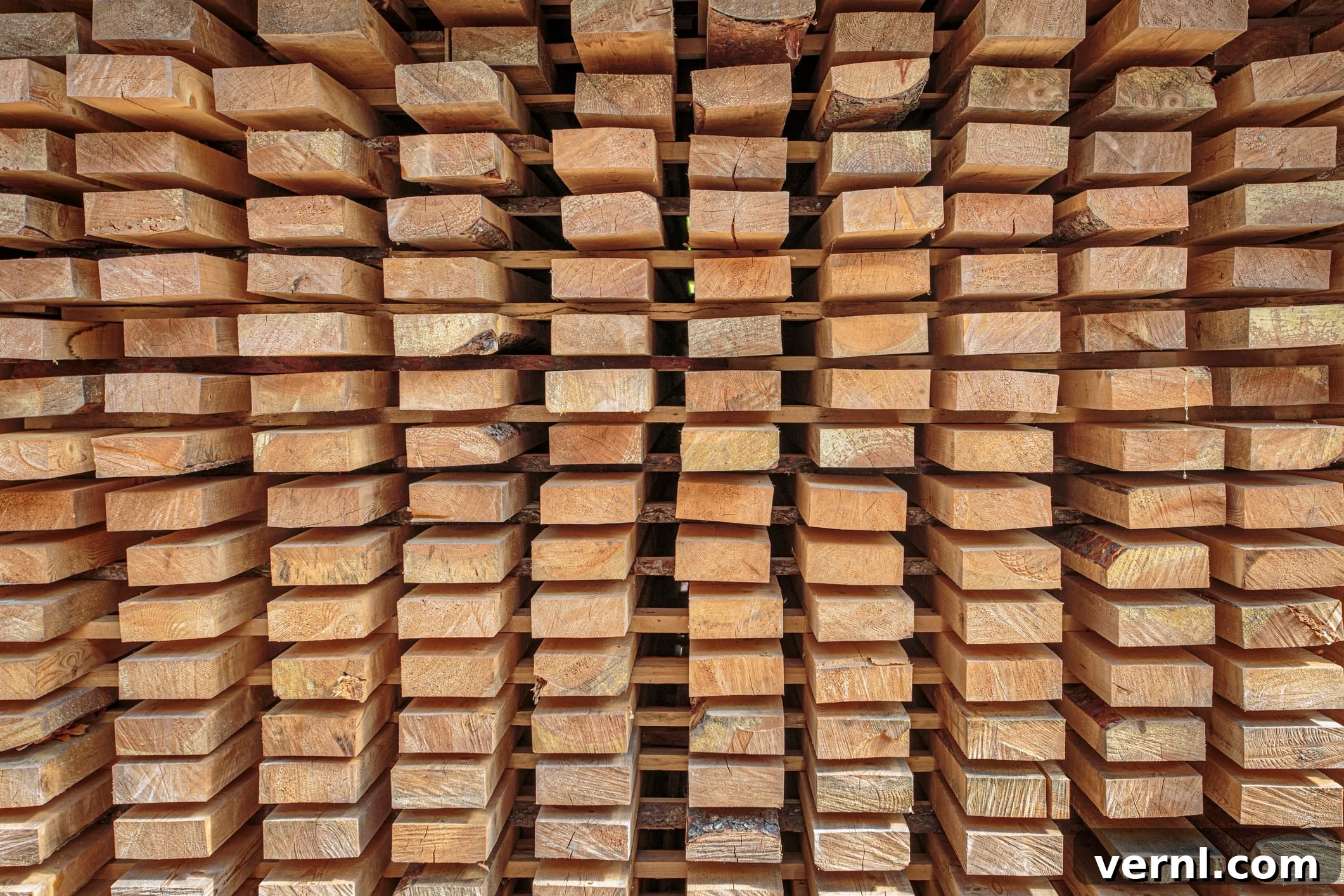
Now that you know what to avoid, let’s briefly touch upon what makes good firewood. The best choices are well-seasoned hardwoods such as oak, maple, ash, hickory, and birch. These woods are dense, burn slowly, produce high heat, and create less smoke and creosote when properly dried. Good firewood should be split, stacked, and allowed to dry for at least 6-12 months (or even longer for very dense woods) in a well-ventilated area, protected from rain. You’ll know it’s seasoned when it appears darker, has cracks at the ends, and makes a hollow sound when two pieces are knocked together.
Essential Fire Safety Best Practices
Beyond selecting the right wood, maintaining a safe fire environment is paramount. Always ensure your fireplace or stove has adequate ventilation to prevent smoke from backing up into your home. Regular chimney cleaning by a certified professional is non-negotiable to remove creosote buildup and prevent chimney fires. Store your firewood properly, keeping it away from your home’s foundation and covered to prevent moisture absorption and pest infestation. When starting a fire, use appropriate, safe fire starters and never use flammable liquids like gasoline. Always have a fire extinguisher nearby and ensure you have working smoke and carbon monoxide detectors in your home.
Conclusion: Burn Smart, Stay Safe, and Savor the Glow
The comforting glow and warmth of a wood-burning fire are among life’s simple pleasures, offering a timeless connection to nature and community. However, this pleasure comes with a responsibility: the careful selection of your fuel. By avoiding the types of wood and materials discussed in this guide – from toxic driftwood and chemical-laden treated lumber to efficiency-robbing green wood and environmentally destructive non-local wood – you ensure a safer, cleaner, and more enjoyable experience for everyone involved.
Making informed choices about your firewood protects your home from fire hazards like creosote buildup, safeguards your health from harmful toxins, and contributes to the preservation of our natural environment. So, the next time you gather around the flames, remember to burn smart. Choose wisely, follow safety guidelines, and you’ll be able to savor the mesmerizing dance of the fire, confident that you’re creating a safe and sustainable warmth that truly enhances your chilly evenings.