
Unlocking the Power of Penetrating Oil Spray: A Comprehensive Guide
Walk into any well-equipped workshop, garage, or even a serious DIY enthusiast’s toolbox, and you’re almost guaranteed to find a can of penetrating oil spray. Far more than just a simple lubricant, penetrating oil is an essential tool for tackling the stubborn grip of rust and freeing seized components. This powerful loosening agent works its magic by seeping into the minuscule crevices of corroded materials, breaking down rust, and significantly reducing the friction that locks metal parts together. From automotive repairs to household fixes, understanding how and when to use penetrating oil can save countless hours of frustration and potentially prevent damage to valuable equipment.
What Exactly is Penetrating Oil and How Does It Work?
Penetrating oil distinguishes itself from standard lubricants due to its unique chemical composition and exceptionally low surface tension. Unlike thick greases or oils designed to coat surfaces, penetrating oil is formulated to spread rapidly and deeply into tight spaces. When applied to a rusted nut, bolt, or hinge, the oil uses capillary action to wick into the microscopic gaps between the threads or mating surfaces. Its active ingredients then work to dissolve or break down the chemical bonds of rust (iron oxides) and other corrosive agents. Simultaneously, the oil provides a thin layer of lubrication, reducing the friction that’s making the parts stick. This dual action — chemical degradation and physical lubrication — makes it incredibly effective at loosening components that have been seized by corrosion, dirt, or hardened grease over time.
It’s important to note that while some all-purpose sprays might offer mild penetrating properties, dedicated penetrating oils are specifically engineered for this task. They contain a precise blend of solvents, anti-corrosive agents, and low-viscosity oils to deliver maximum efficacy where it’s needed most.
Commercial Penetrating Oils vs. DIY Solutions: Choosing Your Weapon
The market for rust penetrants is vibrant, with manufacturers constantly innovating to produce more effective and faster-acting formulations. Brands like Liquid Wrench, WD-40 Specialist Rust Release Penetrant, PB B’laster, and Kano Kroil are renowned for their high-performance products. These modern formulations boast advanced chemistry designed to quickly penetrate, lubricate, and protect, often featuring enhanced rust-dissolving capabilities and superior anti-corrosion properties.
If you’re still relying on an old can of penetrant that has been sitting on your shelf for a decade, you might be missing out on significant improvements in performance. Upgrading to the latest formulas from reputable brands can make a noticeable difference in how quickly and easily you can tackle even the most stubborn seized parts. Commercial products often come with convenient spray applicators, extendable straw nozzles for precision, and are rigorously tested for safety and effectiveness.
The Case for a Homebrew: When and Why to Make Your Own Penetrating Oil
While commercial penetrating oils offer unparalleled performance and convenience, there are occasions when a homemade solution can be a viable alternative. Perhaps you find yourself in a pinch, needing a rust penetrant immediately with no access to a store, or you simply prefer a cost-effective, DIY approach. For those moments, a classic homebrew recipe has proven surprisingly effective.
Penetrating Oil Spray Ingredients: The 50/50 Acetone and ATF Mixture
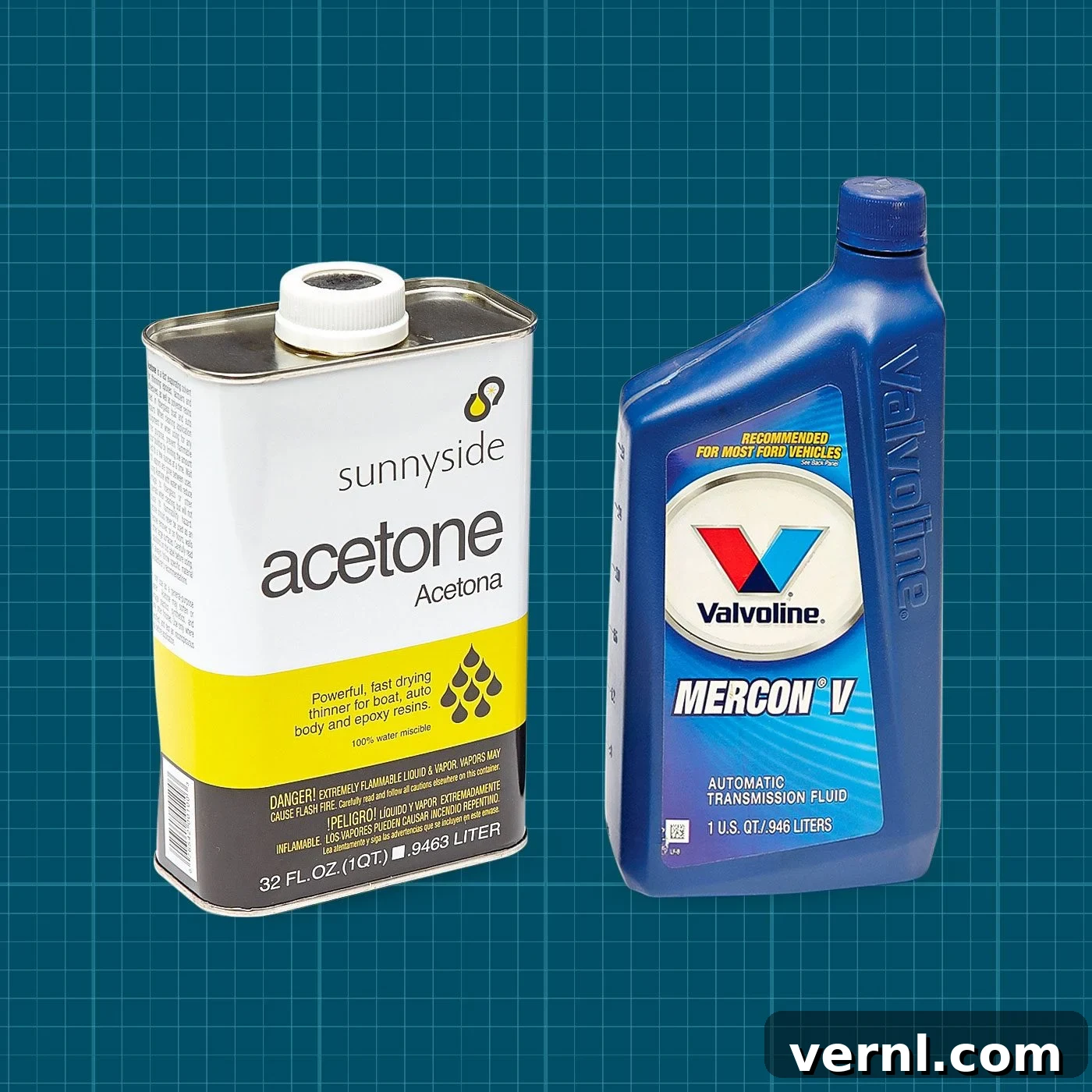
The most widely recognized and often praised DIY penetrating oil solution is a straightforward 50/50 mixture of acetone and automatic transmission fluid (ATF). This combination capitalizes on the unique properties of each ingredient to create a potent rust penetrant. Acetone, a powerful solvent, possesses an exceptionally low surface tension and low viscosity, allowing it to rapidly seep into the tightest crevices and begin dissolving accumulated grime and light corrosion. Its volatility also means it can help break down hardened deposits.
Automatic transmission fluid, on the other hand, provides the necessary lubricating properties. ATF is formulated to withstand extreme pressures and temperatures within a transmission, making it an excellent choice for lubricating seized metal parts once the acetone has helped penetrate the initial barrier. Its lubricating film reduces friction, making it easier to break the bond of rust and turn a stuck component.
Crafting Your DIY Penetrant: A Simple Process with Crucial Safety Warnings
Making this solution requires no complex chemistry. Simply pour equal parts of acetone and automatic transmission fluid into a sturdy, solvent-resistant spray bottle or a sealable container for brush application. Shake well before each use to ensure the components are thoroughly mixed. However, extreme caution is paramount when handling this concoction.
- High Flammability: This mixture is significantly more flammable than commercial penetrating oils due to the high acetone content. Always create and use it outdoors or in a very well-ventilated area, far away from any open flames, sparks, pilot lights, or heat sources. Ensure there are no ignition sources nearby, including electrical equipment that could spark.
- Strong Fumes: Acetone produces strong, potentially irritating fumes. Wear appropriate personal protective equipment (PPE), including chemical-resistant gloves and eye protection (safety glasses or goggles), to prevent skin and eye contact, and consider a respirator if working in less-than-ideal ventilation.
- Material Compatibility: Acetone can damage certain plastics, paints, and rubber compounds. Test a small, inconspicuous area first if you are concerned about material compatibility, especially on painted surfaces or seals. Always store the mixture in a container known to be resistant to acetone.
- Performance Expectation: While effective, this homemade solution may not work as quickly or as thoroughly as advanced commercial penetrating oils. Patience is key. Allow ample soaking time, sometimes hours or even overnight, for the mixture to fully penetrate and break down the corrosion. Reapplication may also be necessary for severely seized components.
Common Uses for Penetrating Oil Spray: Beyond Just Rust
Penetrating oil spray is a versatile product with a wide range of applications that extend far beyond simply freeing rusted bolts. Its unique properties make it invaluable for various tasks around the home, garage, and workshop. Here are some of its most common and effective uses:
- Loosening Stuck, Rusted, and Seized Parts: This is the primary and most recognized use. Penetrating oil excels at breaking the bonds of corrosion and freeing nuts, bolts, screws, pipes, clamps, and other metal fasteners that have seized due to rust, dirt, or paint. Apply generously, allow it to soak (the longer, the better for severe cases), and reapply if necessary. Tapping the component with a hammer after application can help the oil penetrate deeper by creating microscopic vibrations.
- Reducing Friction in Moving Components: While not a long-term lubricant, penetrating oil can temporarily reduce friction in stiff or squeaky mechanisms. It can be used on hinges, pivot points, linkages, and even small gears to ease movement and reduce wear until a more permanent lubrication solution can be applied. It’s an excellent first step for parts that are too stiff to move before they can be properly cleaned and lubricated.
- Removing Sticky Residue: The solvent properties of penetrating oil make it surprisingly effective at dissolving and helping to remove stubborn sticky residues. This includes adhesive remnants from stickers, labels, tape, tar spots on vehicle paint, tree sap, and even some types of gum. Apply a small amount to a cloth and gently rub the residue away, then clean the area with soap and water.
- Preventative Rust Maintenance: While it won’t provide the same long-term protection as dedicated rust inhibitors or coatings, a light application of penetrating oil can offer temporary preventative maintenance. By displacing moisture and leaving a thin, protective film, it can deter the initial formation of rust on exposed metal surfaces, especially in areas prone to dampness or condensation. It’s useful for tools or parts that are stored and occasionally exposed to moisture.
- Hinge and Lock Lubrication (Temporary): For squeaky door hinges, stiff gate latches, or sticky padlocks, a quick spray of penetrating oil can offer immediate relief. It will work its way into the mechanism, lubricating the moving parts and allowing them to operate smoothly. However, for continuous smooth operation and protection, these applications will eventually benefit from a dedicated long-lasting lubricant like graphite, silicone spray, or a heavier grease, depending on the specific mechanism. Penetrating oil serves as an excellent immediate fix and a precursor to proper long-term lubrication.
- Cleaning and Degreasing: The solvent components within penetrating oils can also assist in cleaning light grease, grime, and carbon deposits from metal surfaces. While not a primary degreaser, it can help break down light contaminants, making them easier to wipe away, especially in tight areas where brushes can’t reach.
Best Practices for Using Penetrating Oil Effectively
To maximize the effectiveness of penetrating oil, follow these best practices:
- Clean the Area First: Before applying penetrating oil, try to remove as much loose rust, dirt, and debris as possible with a wire brush or scraper. This allows the oil to reach the seized parts more directly.
- Apply Generously: Don’t be shy with the application. Saturate the area where the parts meet, ensuring the oil can wick into the crevices.
- Patience is Key: This is perhaps the most crucial tip. Penetrating oil needs time to work. For mildly stuck parts, 15-30 minutes might suffice. For severely rusted components, several hours or even overnight soaking might be necessary. Reapply periodically during long soaks.
- Tap, Don’t Hammer: After applying the oil and allowing it to soak, gently tap the seized component with a hammer (use a block of wood or a brass punch to avoid damage to threads). These vibrations can help the oil penetrate deeper and break the rust bond. Avoid forceful hammering, which can distort or break parts.
- Work It Back and Forth: Once the part starts to budge, work it back and forth gently rather than trying to force it all the way in one direction. This helps distribute the oil and clean out more rust, making the removal smoother.
- Reapply as Needed: If a part is particularly stubborn, don’t hesitate to reapply the penetrating oil multiple times.
- Use Proper Tools: Ensure you’re using the correct size wrench or socket for the fastener to avoid stripping it once it starts to loosen.
Safety First: Handling Penetrating Oils
Whether using commercial or DIY penetrating oils, safety should always be your top priority:
- Ventilation: Always work in a well-ventilated area to avoid inhaling fumes, especially with acetone-based DIY mixtures.
- Eye Protection: Wear safety glasses or goggles to protect your eyes from splashes and fumes.
- Skin Protection: Wear chemical-resistant gloves to prevent skin contact, as penetrating oils can be irritating and dry out skin.
- Fire Hazards: Keep all penetrating oils, especially flammable DIY mixes, away from heat, sparks, open flames, and other ignition sources. Do not smoke while using these products.
- Storage: Store penetrating oils in their original, tightly sealed containers in a cool, dry place, out of reach of children and pets. Ensure DIY mixtures are in appropriately labeled, solvent-resistant containers.
- Disposal: Dispose of used rags and any leftover penetrating oil according to local regulations. Never pour them down drains or onto the ground.
In conclusion, penetrating oil spray is an indispensable ally for anyone dealing with the inevitable challenges of rust and seized metal components. By understanding its mechanism, knowing when to opt for commercial products versus a DIY solution, and applying it correctly and safely, you can unlock the full potential of this powerful problem-solver, making countless repair and maintenance tasks significantly easier and more efficient.