
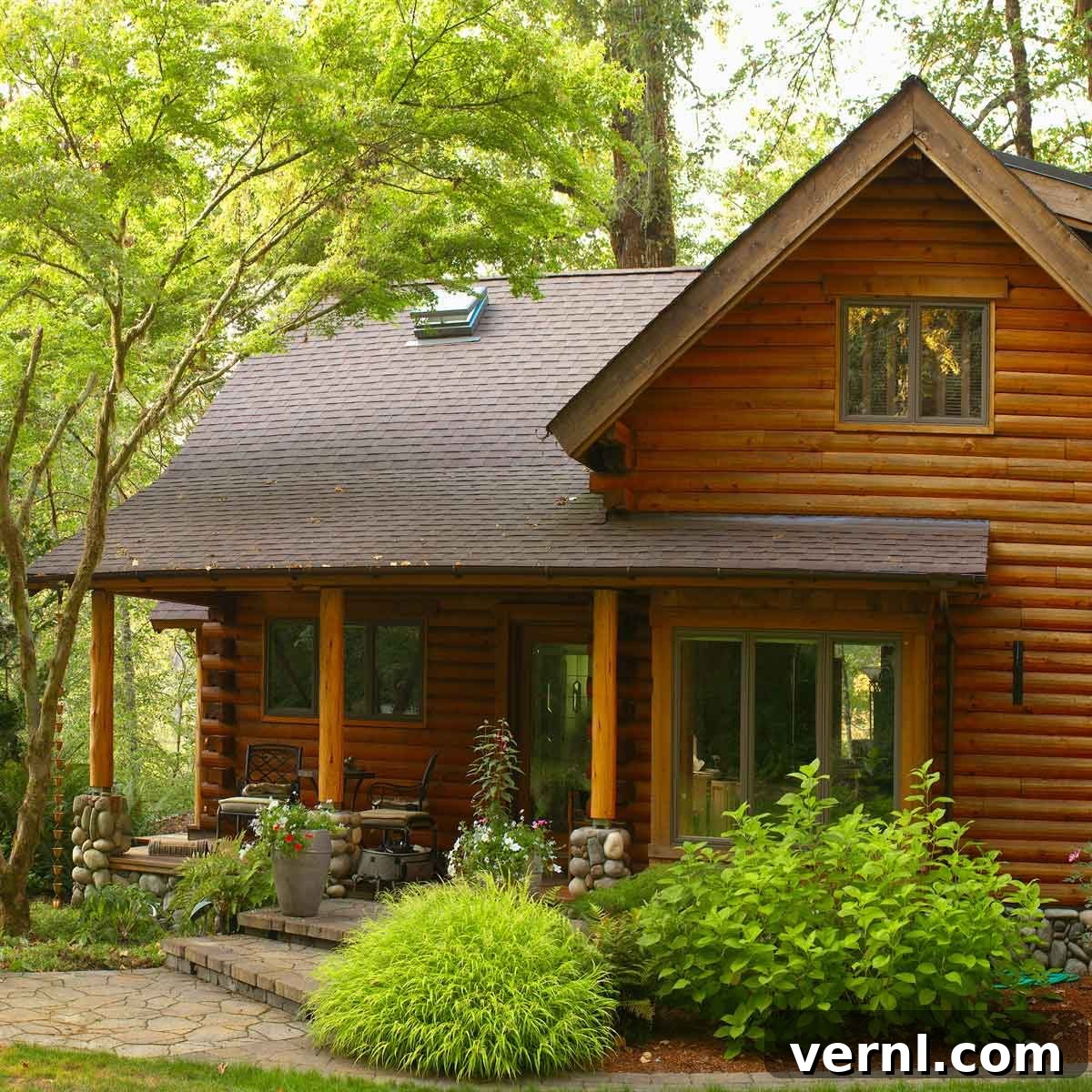
Comprehensive Guide to Log Cabin Exterior Maintenance
Owning a log cabin offers a unique connection to nature and a distinctive architectural charm. However, the very features that make log homes so appealing—their natural wood construction—also necessitate a specialized approach to exterior maintenance. Unlike conventional homes, log cabins require particular strategies to protect their wooden surfaces from the elements, pests, and time. This detailed guide will walk you through essential maintenance steps for every part of your log cabin’s exterior, ensuring its longevity, beauty, and structural integrity for years to come.
Log Cabin Exterior Walls: Protecting Your Timber Heart
The exterior walls are the most prominent feature of your log cabin and demand regular attention. Protecting the natural wood from moisture, UV radiation, and biological growth is paramount. Consistent care not only preserves the aesthetic appeal but also prevents costly damage.
Initial Cleaning: A Foundation for Protection
Begin your log wall maintenance with a thorough cleaning. Use a standard garden hose to gently rinse the entire exterior of your cabin. Pay special attention to areas prone to accumulating dust, dirt, cobwebs, and pollen, such as under the eaves, around corners, and framing windows and doors. These sheltered spots often collect the most grime.
For a deeper clean, opt for a non-toxic exterior cleaning product specifically designed for wood and siding. These cleaners are formulated to remove dirt and grime without harming the timber. Apply the cleaner according to the manufacturer’s instructions, typically allowing it to dwell for a short period. Then, using a soft car wash brush with a long handle, gently scrub the log surfaces. The soft bristles will effectively dislodge embedded dirt without abrading the wood. After scrubbing, rinse the walls thoroughly with clear water, ensuring all cleaning solution residue is removed. Allow the walls to dry completely for at least two warm, dry days before proceeding with further inspection or treatment. Proper drying is crucial to avoid trapping moisture.
The Perils of Pressure Washing: Handle with Care
It’s a common misconception that pressure washing is the most efficient way to clean log cabin walls. However, this method is almost universally discouraged for log homes. Most log cabins are constructed from softwoods, which are highly susceptible to damage from the intense force of a pressure washer. High-pressure water can easily etch the wood surface, creating grooves and roughening the texture, which then makes the wood more prone to collecting dirt and absorbing moisture.
More critically, pressure washing can drive water deep into the cracks and checks of the logs, and even between the logs themselves, where it can get trapped. This trapped moisture creates an ideal environment for mold, mildew, and rot to flourish, compromising the structural integrity of your cabin. A gentle scrub with a soft brush and water from a garden hose is not only safer but often more effective for cleaning log cabin walls, as it allows for controlled cleaning without the risk of wood damage or moisture intrusion.
Restoring and Protecting the Finish: Beyond Cleaning
After your logs are clean and dry, assess the existing finish. Is it faded, peeling, or showing signs of wear? The finish on outdoor wood, such as stains or sealers, is your cabin’s primary defense against UV rays, moisture, and biological growth. Renewing this finish is not merely about applying a fresh coat; it requires careful surface preparation for optimal adhesion and longevity.
Even with regular washing, logs can eventually show signs of weathering, discoloration, or mold growth that cleaning alone cannot remedy. This is where sanding becomes indispensable. A six-inch random orbit sander equipped with an 80-grit disk works exceptionally well for gently removing discolored or weathered wood fibers. Sanding creates a fresh, clean surface, which is essential for any new stain or sealer to penetrate evenly and adhere properly. This preparation ensures that your chosen finish will provide maximum protection and a uniform appearance, revitalizing the logs and preparing them for years of continued service.
Log Cabin Exterior Gutters: Directing Water Away from Your Home
Gutters play a critical role in directing rainwater away from your log cabin’s walls and foundation. Clogged or damaged gutters can lead to serious water-related issues, including rot in logs, compromised foundations, and erosion around your cabin.
Thorough Cleaning and Inspection
Start by removing all leaves, twigs, and other debris from your gutters. For first-story gutters, specialized gutter washing tools that connect to a standard garden hose can be incredibly helpful, allowing you to clean safely from the ground. These curved wands blast out accumulated gunk, small leaves, and even shingle grit that might have collected. Once cleared, inspect the gutters thoroughly for any cracks, signs of leakage, or sagging sections. Pay close attention to the seams and downspouts.
The best time to check for leaks and overflowing gutters is during a heavy rainstorm. Observe how water flows through the system. Are there any spots where water is spilling over the sides, indicating a blockage or improper pitch? Also, inspect the hardware—hangers, brackets, and fasteners—that holds your gutters in place. Tighten any loose hardware or replace damaged components to ensure your gutters are securely attached and properly sloped towards the downspouts. For long-term ease of maintenance, consider installing a leaf guard system. There are various types, from mesh screens to solid covers, all designed to prevent debris from entering the gutter trough, significantly reducing future cleaning chores.
Log Cabin Windows: Clarity and Efficiency
Windows are vital for light and ventilation, but they also serve as a barrier against the elements. Proper maintenance ensures both their functionality and contribution to your cabin’s energy efficiency.
Cleaning and Functional Check
Begin by cleaning the glass inside and out for maximum clarity. While cleaning, take the opportunity to check each window for ease of opening and closing. Over time, dust, grime, and wear can make windows stiff. Most sliding windows and their hardware benefit from a small amount of spray lubricant applied to the tracks, hinges, and moving parts. Use a silicone-based lubricant, as it won’t attract dirt like oil-based products.
Addressing Condensation and Seal Failure
One common issue in older or poorly maintained windows is condensation between the panes of glass. This is a clear sign that the seal between the panes has failed. Double or triple-pane windows are designed with an insulating gas (like argon) sealed between the panes. When this seal breaks, the gas escapes, and moisture-laden air enters the space, leading to condensation, fogging, or even visible water droplets. This failure significantly reduces the window’s insulating properties, making it less energy-efficient than when it was new.
While some specialized companies offer services to repair failed window seals without removing the entire window, this isn’t always a viable or permanent solution. In many cases, especially with extensive fogging or if the windows are very old, replacing the window unit entirely is the most effective way to restore energy efficiency and visual clarity. Regularly inspect the caulking and weather stripping around your window frames as well, ensuring they are intact and providing a tight seal against drafts and moisture intrusion.
Log Cabin Roof: Your Cabin’s First Line of Defense
The roof is your cabin’s most important protective barrier against weather extremes. Regular inspection and maintenance are essential to prevent leaks and structural damage.
Roof Structure and Material Assessment
From the ground, conduct a visual inspection of your roof. For shingle roofs, look for signs of curling, cracking, or missing shingles. These are indicators that the asphalt shingles may have reached the end of their useful life and require replacement. For metal roofs, check for any loose panels or fasteners. Metal roofing should be securely fastened with specialized screws that feature neoprene washers under their heads. These washers create a watertight seal, preventing leaks around the screw penetrations and accommodating thermal expansion and contraction of the metal.
Combating Moss and Lichen
Moss and lichen growth on asphalt shingle roofs is a common problem, especially in shaded or damp environments. While seemingly benign, moss can significantly shorten the lifespan of your shingles by trapping moisture against the roof surface, promoting granule loss, and even lifting shingles, making them vulnerable to wind and ice damage. Fortunately, preventing moss is achievable.
Zinc strips, installed horizontally under the top course of shingles and then every 15 feet down the roof, are an effective preventative measure. As rain washes over the zinc, it releases zinc ions that are toxic to moss and lichen, inhibiting their growth. If you already have existing moss or lichen, it’s advisable to treat the affected areas with a moss-killing product designed for roofs before installing zinc strips. Apply the product according to instructions, allowing it to kill the growth, then gently remove dead moss with a soft brush or hose. Never scrape vigorously, as this can damage the shingle granules.
Fascia Care: Protecting the Roof’s Edge
The fascia, the vertical trim board along the edge of the roof, is often made of wood on many log cabins. This area is particularly exposed to the elements, enduring constant runoff from the roof and direct sunlight. These harsh conditions make it difficult to maintain a good finish on wooden fascia, often leading to peeling paint, rot, and frequent refinishing demands.
Consider a durable, low-maintenance alternative: covering high-maintenance wooden fascia with factory-finished aluminum. This can be easily retrofitted over existing wooden fascia, providing a seamless, weather-resistant cover. This upgrade is significantly easier than repeated refinishing, offers a clean, attractive appearance, and can save you from fascia maintenance hassles for twenty years or more, representing a smart long-term investment in your cabin’s exterior.
Log Cabin Deck or Patio: Outdoor Living Spaces
Your log cabin’s deck or patio is an extension of your living space, perfect for enjoying the outdoors. Keeping it well-maintained ensures it remains safe, attractive, and functional.
Wooden Deck Maintenance: Cleaning and Refinishing
If your deck is constructed of wood, the cleaning process is similar to that of your cabin walls, with a slight distinction. Start by washing it down to remove loose dirt and debris. Then, take an honest look at the condition of the wood and its finish. Is it faded, gray, splintering, or showing signs of mold and mildew?
For mold and mildew, scrub the wood thoroughly using an oxygen-based cleaner. These cleaners are highly effective at breaking down biological growth without harsh chemicals that can damage wood. After cleaning, allow the deck surface to dry completely. Unlike log walls, wooden decks can often benefit from careful pressure washing, especially if preparing for refinishing. However, use a wide fan tip and keep the wand moving to avoid damaging the wood fibers. Following pressure washing, once the wood is thoroughly dry, sanding the deck with an 80-grit abrasive is the fastest and most effective way to properly prepare the surface. Sanding removes stubborn dirt, opens the wood grain, and creates an ideal surface for a new stain or sealer to penetrate and adhere, providing a fresh, uniform finish and extending the life of your deck.
Paver Patio Maintenance: Simple and Effective
For cabins with a paver patio, maintenance is generally simpler. The primary tasks involve routine cleaning and weed control. Simply wash the pavers with clear water using a standard garden hose. For tougher stains or embedded dirt, scrub the surface with a long-handled brush with stiff bristles. This will help remove grime, moss, and any surface growth. Periodically, you might need to reapply polymeric sand to the joints between pavers to inhibit weed growth and stabilize the patio surface. Regular sweeping and occasional spot cleaning will keep your paver patio looking inviting and tidy.
Regular and proactive exterior maintenance is the cornerstone of preserving your log cabin’s unique beauty and structural integrity. By addressing these critical areas—from the logs themselves to the roof, gutters, windows, and outdoor living spaces—you protect your investment and ensure your log home remains a cherished retreat for generations.