
Protecting Your Car from Road Salt: A Winter Driving Guide
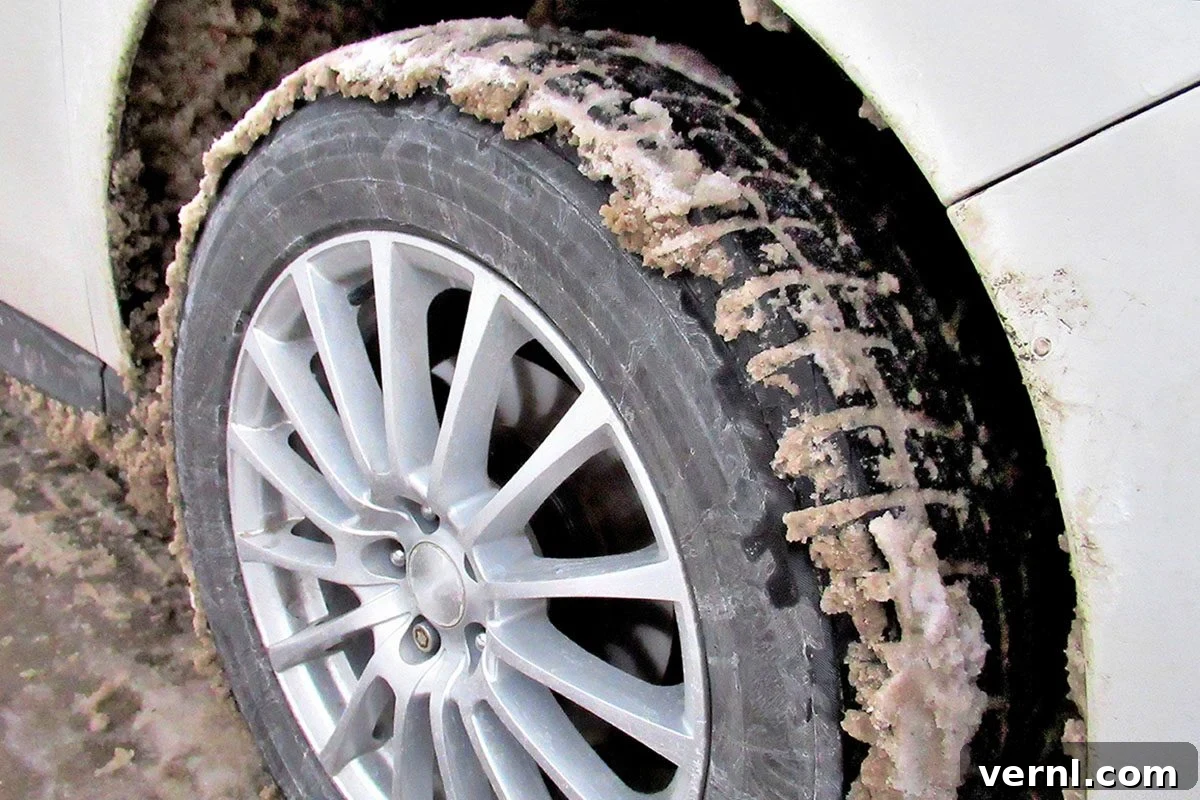
Winter’s icy and snowy conditions necessitate the use of road salt and other de-icing methods across much of the country. While crucial for maintaining safe roads, this essential practice poses a significant threat to the longevity and appearance of your vehicle. Understanding how road salt affects your car and implementing preventative measures is key to protecting your investment.
The Detrimental Effects of Road Salt on Your Vehicle
The primary reason for concern lies in the composition of your car. The majority of a car’s components, including the body, suspension elements, and brake parts, are largely constructed from steel. Steel, an alloy primarily composed of iron, combined with carbon and other elements, is susceptible to rust. This happens because of a chemical reaction when iron encounters water and oxygen.
Road salt accelerates this chemical reaction, essentially speeding up the rusting process on exposed steel components. While salt doesn’t directly *cause* rust, it facilitates the movement of electrons, thus intensifying the corrosion. This accelerated process can lead to significant damage over time.
Rust often begins on the underside of a car, targeting bare metal fasteners and suspension components. While your car’s paint offers a layer of protection to the bodywork, any damage to this paint – such as from stone chips, scratches, or minor impacts – can expose the underlying metal and provide a starting point for rust formation. The lower edges of your vehicle are especially vulnerable, as they are frequently exposed to road debris.
How Rust Compromises Your Car’s Functionality and Safety
Rust damage extends beyond cosmetic issues, affecting the structural integrity and safety of your car. The steel components that hold your car together, including crucial fasteners, become weakened and can fail. This can lead to a host of problems.
For DIY car enthusiasts, removing rusty bolts during even simple tasks like a brake job can be a frustrating and time-consuming challenge. Professional mechanics, equipped with years of experience and specialized tools, face the same difficulties. This added time and labor translates to increased repair costs for the vehicle owner.
The consequences of rust damage extend to critical safety components. As AJ Nealey, owner of Nealey Auto Service, explains, “Lately we’ve been seeing rusty brake calipers, caliper slider pins and even occasionally steel brake lines that rust through.” He continues, “We also see control arms [suspension components] so rusty that you can push through them with your fingers.” Such severe corrosion can compromise braking performance and handling, potentially leading to dangerous situations.
Proactive Strategies to Shield Your Car from Road Salt Damage
Fortunately, there are several effective methods to safeguard your vehicle against the damaging effects of road salt. Implementing these practices can significantly extend the life of your car and minimize costly repairs.
- Wax Your Car Before Winter: Applying a good-quality wax to your car’s paint provides an extra layer of defense against the elements. It’s best to wax in the fall before the temperatures drop. This protective barrier helps to repel water, salt, and other contaminants that can lead to corrosion.
- Wash Your Car Regularly: Frequent car washing during the winter is a crucial step in removing road salt and preventing rust formation. Regular washes physically remove the salt residue that clings to your car’s undercarriage and body. Consider visiting an automated car wash, especially after winter storms. Focus on the undercarriage, as salt often accumulates there. “After a winter storm, drive through an automated car wash — maybe twice, since road brines can stick to the underside of the car,” Nealey advises.
- Avoid Following Snow Plows Closely: While it might seem tempting to drive behind a snow plow, remember that these vehicles often distribute road salt. Maintain a safe distance to prevent your car from being directly sprayed with salt.
- Steer Clear of Deep Puddles: Melted snow often creates puddles that are saturated with salty water. Avoid driving through these puddles whenever possible, as the salty water can splash onto the undercarriage of your car, accelerating corrosion.
- Consider an Undercoating: Applying an undercoating is a highly effective way to protect your car from salt damage. You can choose to have a dealer-applied undercoating when purchasing a new vehicle, or have a reputable local shop apply one. Undercoatings create an additional protective layer, shielding critical components from direct exposure to water and salt, thereby preventing corrosion.
By implementing these preventative measures, you can significantly reduce the risk of rust and preserve the value and functionality of your car for years to come. Winter driving presents challenges, but with the right precautions, you can enjoy a safer and more reliable driving experience.
Related: Check out these things to lubricate in your car for winter.