
Ideal Freezer Temperature: A Guide to Safe Food Storage and Efficiency
We all know that water freezes at 32 degrees Fahrenheit, right? So, logically, you might think your freezer only needs to be set at that temperature. However, maintaining the safety and quality of frozen food requires a much colder environment. While 32 degrees Fahrenheit might work for ice cubes, it’s not cold enough to prevent the growth of harmful bacteria and mold on your food. This guide will provide you with the optimal freezer temperature, along with practical tips and expert advice from appliance specialists at LG and Whirlpool to help you maximize your freezer’s performance and ensure your food stays safe and fresh.
What is the Ideal Freezer Temperature?
The optimal freezer temperature for safe food storage is 0 degrees Fahrenheit (-18 degrees Celsius). Both the United States Food and Drug Administration (FDA) and the U.S. Department of Agriculture (USDA) recommend this temperature to ensure food safety. According to Doo Young Jin, a Part Leader and Quality Engineer at LG Electronics, “0 degrees Fahrenheit effectively prevents the growth of harmful bacteria and microorganisms in food, ensuring its safety while maintaining quality.”
This temperature setting is also the standard recommendation for major freezer brands. Maintaining a freezer at 0 degrees Fahrenheit allows for optimal operation, conserves energy, and extends the lifespan of your appliance. Keeping the temperature significantly colder offers minimal added benefit while increasing energy consumption. As Ryan Post, Lead Refrigeration Engineer at Whirlpool Corporation, explains, “It is possible to have a freezer’s temperature set too low. Although this may not negatively affect the food stored inside, it could raise your electricity bill.”
Tips for Optimizing Your Freezer’s Performance
Following these tips can help you maintain your freezer’s optimal temperature while conserving energy and extending the life of your appliance. These recommendations are based on insights from appliance experts to help you achieve the best results:
- Maintain a Consistent Ambient Indoor Temperature: Modern freezers and refrigerators are designed to operate efficiently within a specific temperature range. According to Doo Young Jin, aim for ambient room temperatures between 70 to 80 degrees Fahrenheit. Extreme temperatures can affect the unit’s performance.
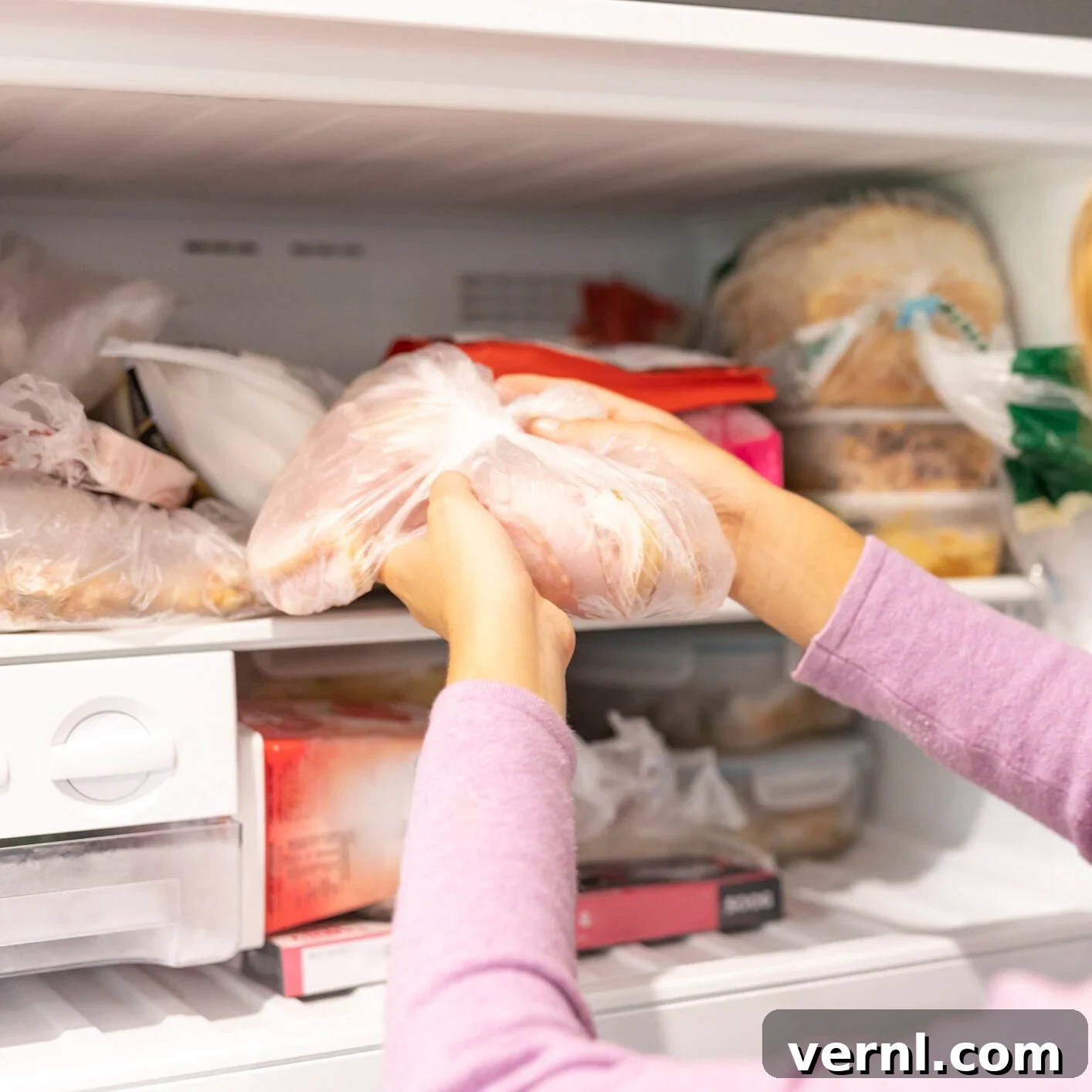
- Proper Food Packing and Airflow: Avoid overcrowding your freezer. “All air vents and fans should be kept clear to ensure optimal airflow and temperature regulation,” says Ryan Post. Overpacking can restrict airflow, making it harder for the freezer to maintain a consistent temperature. Conversely, a freezer that is too empty can also be inefficient. Consider using bags of frozen water to fill empty spaces and optimize performance.
- Regular Gasket Checks and Cleaning: Periodically inspect and clean the door gaskets. Ensure that the door seals tightly when closed. If the seal is compromised, clean or replace the gaskets to maintain the ideal internal temperature.
- Cleaning Condenser Coils: Dust and pet hair can accumulate on the condenser coils, which are usually located on the outside of the unit, and reduce efficiency. Regularly clean these coils with a vacuum to maintain optimal performance. They are usually accessible from the bottom or back of the appliance.
- Leveling Freestanding Units: If you have a freestanding freezer, make sure it is level. This helps the compressor work efficiently, contributing to better overall performance.
- Organize for Efficiency: Organize your freezer by grouping similar items together. Place frequently used items near the top for quicker access, which reduces the amount of time the door is open. Shorter door-open times help to maintain a consistent temperature.
- Choose the Right Freezer Type for Your Needs: If you’re looking for long-term food storage, a freestanding freezer is your best bet. Refrigerator/freezer combination appliances are ideal for short-term frozen foods, as frequent door openings can make it more challenging to maintain the consistent 0-degree temperature.
Frequently Asked Questions (FAQ)
Is Freezer Burn Caused by a Freezer Being Too Cold?
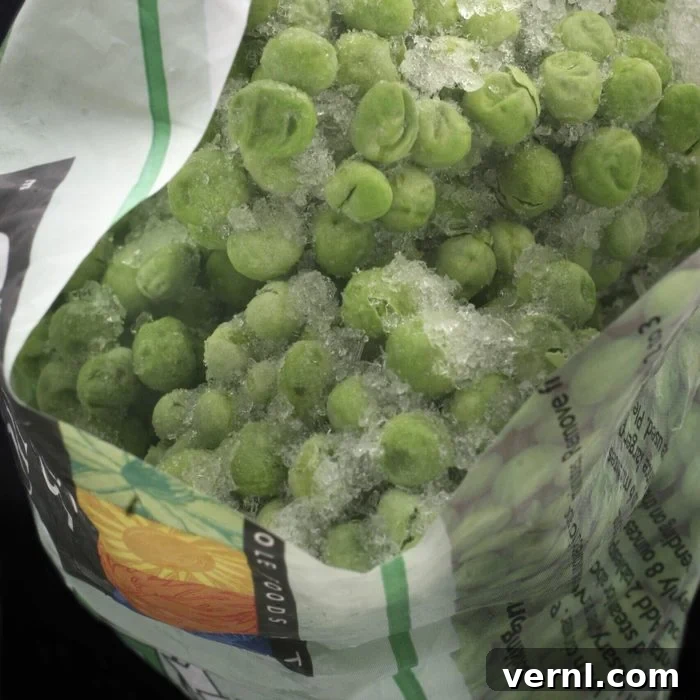
No, the primary cause of freezer burn is not excessively low temperatures. As Ryan Post states, “The main cause of freezer burn is improper temperature and packaging, and when food spends too much time in the freezer.” Freezer burn occurs when food isn’t properly sealed in freezer-grade packaging, causing moisture loss over time. This leads to the dehydrated, whitish appearance often seen in freezer-burned food. While not unsafe to eat, the texture and flavor can be compromised.
Why Isn’t My Food Freezing in the Freezer, Even When Set to the Right Temperature?
Several factors can cause food not to freeze properly, even when the freezer is set to 0 degrees Fahrenheit. Possible culprits include a malfunctioning thermostat, a compromised door seal, or frequent door openings. “If the door is opened for too long or too often,” Doo explains, this can lead to food not freezing correctly. First, check and clean the door seal and try to minimize the time the door is open. If the problem persists, Post recommends inspecting the freezer’s thermostat. “Change the temperature from the lowest to the highest setting and listen for a ‘click’ sound. If this does not occur, then a professional replacement is likely required.”
About the Experts
- Doo Young Jin: Part Leader and Quality Engineer at LG Electronics, with over three years of expertise.
- Ryan Post: Lead Refrigeration Engineer at Whirlpool Corporation, specializing in refrigeration for over twelve years.