
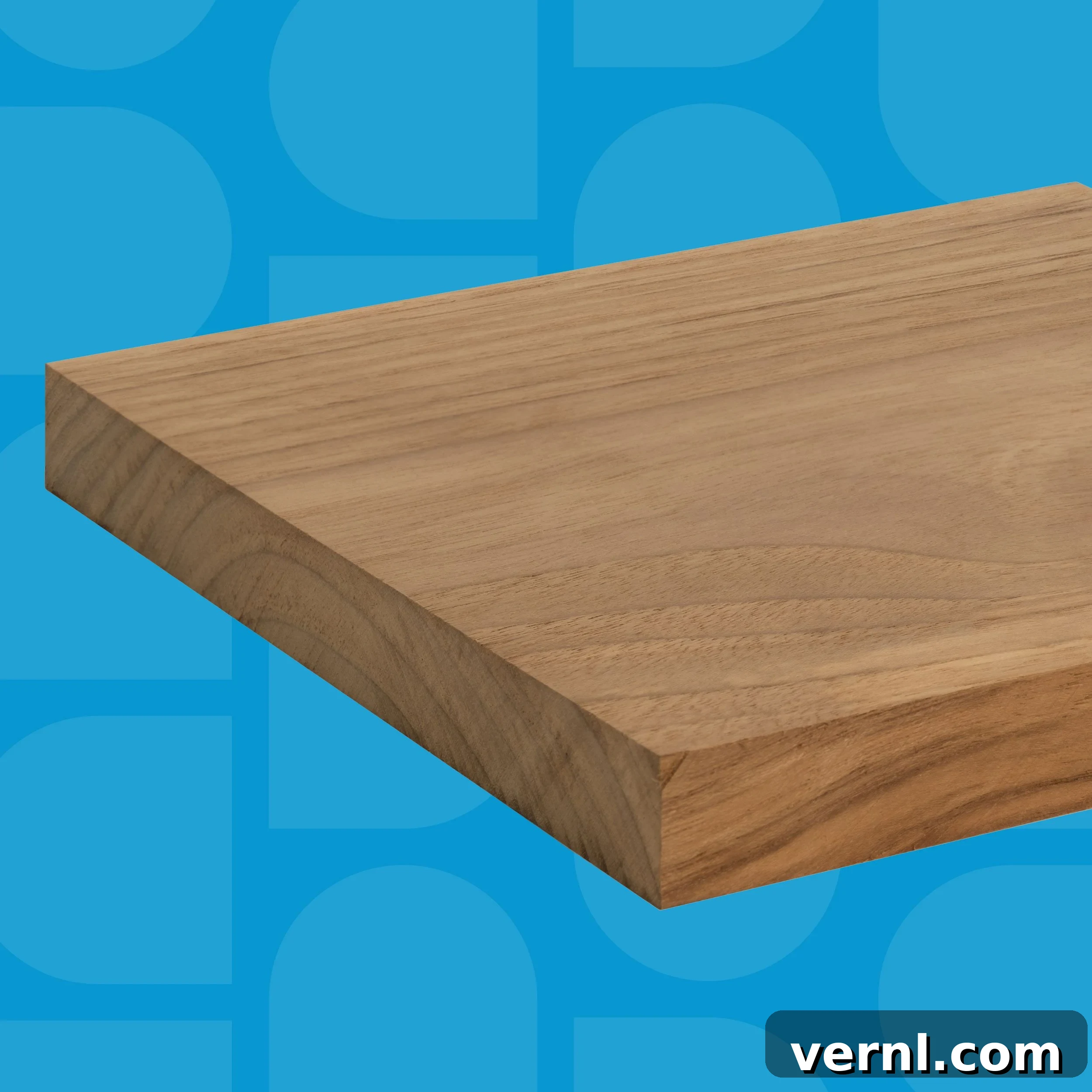
Superwood: The Revolutionary Engineered Material Challenging Steel’s Dominance
For countless millennia, wood has stood as a cornerstone of human ingenuity and construction, prized for its natural abundance, aesthetic appeal, and renewable nature. However, its inherent limitations in terms of strength and durability have historically prevented it from competing with materials like steel in the most demanding engineering applications. This long-standing paradigm is now being fundamentally challenged by Liangbing Hu, a visionary material scientist and co-founder of InventWood. For nearly a decade, Hu has dedicated his expertise to perfecting a reengineered form of lumber he boldly calls “Superwood,” a material he believes possesses the potential to surpass, or at least significantly augment, the capabilities of traditional construction stalwarts.
After an extensive period of rigorous research, meticulous development, and tireless refinement of its unique formula, InventWood’s revolutionary reinvention of this ancient material is no longer a futuristic concept. Superwood has officially transitioned from the laboratory to the marketplace, becoming a commercially available product. This monumental achievement marks a pivotal moment, signaling the dawn of a new era for sustainable, high-performance materials that could redefine how we build, furnish, and innovate across industries.
Unveiling Superwood: The Science Behind its Unprecedented Strength
While natural wood remains a low-cost and widely available resource, integral to building and furniture construction for millennia, its mechanical performance—specifically its strength and toughness—often falls short for advanced engineering structures. Its natural porosity, cellular composition, and anisotropic properties (varying characteristics depending on the direction of applied force) limit its application in scenarios demanding extreme resilience and uniform structural integrity. A compelling 2018 study published in the prestigious journal Nature articulates this challenge clearly: “Natural wood is a low-cost and abundant material and has been used for millennia as a structural material for building and furniture construction. However, the mechanical performance of natural wood (its strength and toughness) is unsatisfactory for many advanced engineering structures and applications.” Superwood emerges as an ingenious answer to this very problem, transforming an everyday material into a high-performance contender.
The Transformative Process: From Cellulose to Super Material
The innovation that underpins Superwood is a sophisticated two-step process involving chemical treatment and mechanical densification, meticulously designed to enhance wood’s intrinsic cellulose. The journey begins by immersing natural wood in a specialized mixture of water and carefully selected chemicals. This crucial chemical bath serves a precise purpose: to selectively remove the softer, amorphous components of the wood’s cell walls—primarily lignin and hemicellulose—while preserving the strong, crystalline cellulose nanofibers. By stripping away these weaker elements, the process concentrates the highly robust cellulose, which is the principal structural polymer in plant cell walls, thereby unlocking its full potential for strength.
Following this chemical pretreatment, the wood undergoes an intensive and controlled compression process. During this stage, the wood’s cellular structure is forced to collapse, effectively eliminating the natural pores and voids that typically weaken wood. The remaining cellulose nanofibers are then tightly packed and highly aligned, creating a material with significantly increased density. This dramatic increase in density is directly responsible for Superwood’s profoundly enhanced mechanical properties, rendering it exceptionally stronger and tougher than its natural counterpart.
Setting New Benchmarks: Strength, Durability, and Versatility
One of Superwood’s most compelling attributes is its remarkable versatility. As InventWood CEO Alex Lau explains, “In theory, we can use any kind of wooden material.” This statement is substantiated by extensive empirical data: “In practice, we’ve tested with 19 different kinds of species of wood as well as bamboo, and it’s worked on all of them.” This broad compatibility means that Superwood isn’t limited to specific, potentially scarce, timber species, enabling sustainable sourcing from a wide array of global forests and fast-growing plant materials like bamboo, further enhancing its environmental appeal.
The performance statistics for Superwood are truly astounding. InventWood proudly asserts that their reengineered material is up to 20 times stronger than typical natural wood. To contextualize this, consider that Superwood can withstand twenty times the stress or force that would cause untreated lumber to break or deform. This colossal leap in strength positions it as a genuine alternative to traditional, heavier construction materials.
Moreover, the densification process fundamentally alters the wood’s surface characteristics. While natural wood is prone to dents and scratches due to its inherent porosity and relative softness, Superwood’s collapsed and toughened surface offers exceptional resistance. InventWood claims this process makes Superwood up to 10 times more resistant to dents. This superior surface hardness not only contributes to extended longevity but also significantly reduces maintenance requirements, making it an ideal choice for high-traffic areas or applications exposed to harsh environmental conditions.
Beyond its extraordinary strength and dent resistance, Superwood also presents other notable advantages. Its increased density can lead to enhanced moisture resistance, as the tightly packed fibers offer fewer avenues for water penetration. While specific fire resistance data would depend on further testing and product formulations, the denser structure generally contributes to different thermal properties compared to less dense natural wood. Critically, Superwood’s impressive strength-to-weight ratio opens doors for applications where reducing mass is paramount, such as in advanced automotive, aerospace, or even robotics designs, offering a lighter yet equally robust alternative to metals.
The Vision and Applications: Where Superwood Will Make its Impact
While concrete steadfastly holds its position as the world’s most commonly used construction material, Superwood is not seeking an immediate, wholesale overthrow. Instead, InventWood is implementing a strategic, phased market entry, targeting applications where Superwood’s distinctive properties can deliver immediate and undeniable benefits. The initial focus centers on demanding external construction applications, particularly high-performance decking and cladding solutions.
Redefining Exterior and Interior Building Materials
For outdoor uses, Superwood offers a highly compelling value proposition. Decking and cladding crafted from this advanced material promise unparalleled longevity, far surpassing traditional wood in resisting rot, decay, and insect infestations. Its superior dent and scratch resistance ensure it stands up to the elements and daily wear with remarkable resilience. This translates directly into significantly reduced maintenance costs, fewer replacements over time, and a consistently durable, aesthetically pleasing finish for decades. The success in these rigorous outdoor environments will serve as a powerful real-world validation of Superwood’s robust capabilities.
As Superwood gains widespread acceptance and proven performance, its applications are poised to expand into interior spaces. Imagine the possibilities for wall paneling and flooring crafted from this revolutionary material. In such settings, its enhanced durability would translate into surfaces that steadfastly resist wear and tear even in the highest-traffic areas, maintaining their pristine appearance and structural integrity for extended periods. Beyond its functional superiority, the unique blend of a naturally derived material with unprecedented strength provides architects and designers with exciting new avenues for creating sustainable, elegant, and exceptionally long-lasting interior environments.
Innovating the Furniture Industry and Beyond
The residential construction sector represents just one arena where Superwood is set to make a significant impact. InventWood also harbors ambitious plans to profoundly disrupt the furniture industry, directly addressing common frustrations associated with traditional wood furniture. As Alex Lau articulated to CNN, “People always complain that furniture breaks down over time, and that’s often because it sags or breaks down at the joints, which are currently made of metal because wood isn’t strong enough.” This insight points to a critical flaw in conventional furniture design, where the weakest components often dictate a piece’s overall lifespan. Superwood offers a direct and elegant solution to this perennial problem.
By integrating Superwood into critical structural components of furniture, or even manufacturing fasteners such as screws, nails, and dowels from it, furniture could achieve unprecedented levels of durability and longevity. Joints, traditionally reinforced with metal hardware, could potentially be constructed entirely from Superwood, offering a seamless, all-wood aesthetic without compromising an iota of strength. This innovation promises to yield furniture that truly withstands decades of rigorous use, thereby contributing to a reduction in the rapid consumption and waste cycle prevalent in today’s disposable furniture market.
The Ultimate Ambition: A Future Built on Sustainable Strength
While Superwood’s initial market strategy focuses on more accessible applications, the ultimate vision for this material is profoundly grander. InventWood is diligently working to scale up its manufacturing capabilities at its plant in Maryland, meticulously laying the groundwork for eventual mass production. Alex Lau, envisioning a future transformed by their innovation, expresses optimism that Superwood could one day be utilized to construct entire buildings, fundamentally reshaping the landscape of urban development and infrastructure.
The very inventor of Superwood, Liangbing Hu, articulated an even more expansive dream when the material was first introduced in 2018. He boldly proclaimed, “This kind of wood could be used in cars, airplanes, buildings – any application where steel is used.” This audacious statement positions Superwood not merely as an alternative, but as a potential successor to some of the most ubiquitous industrial materials on the planet. Imagine a future with lighter, significantly more fuel-efficient cars and aircraft, constructed from a renewable, carbon-sequestering material. Envision towering skyscrapers with structural frameworks crafted from engineered wood that not only rivals but potentially surpasses steel in critical performance aspects. The environmental implications of such widespread adoption, particularly in terms of reducing the carbon footprint of transportation and construction, would be nothing short of monumental.
The Road Ahead: Commercialization, Sustainability, and a Greener Planet
Translating such a revolutionary invention into a globally accessible commercial reality is a complex undertaking, fraught with significant challenges. Scaling up manufacturing processes from laboratory prototypes to industrial-scale production demands substantial investment in advanced infrastructure, meticulous process optimization, and stringent quality control protocols. InventWood’s dedicated focus on its Maryland plant represents a crucial strategic step, ensuring that Superwood can be produced efficiently, consistently, and at a volume capable of meeting future market demands.
Beyond manufacturing, achieving widespread market adoption will require overcoming established industry norms and potentially entrenched conventional material preferences. Educating architects, structural engineers, construction professionals, and consumers about Superwood’s unparalleled benefits and its compelling long-term value will be absolutely critical. This education must clearly articulate its superior durability, reduced maintenance requirements, and overall lifecycle cost-effectiveness. Furthermore, navigating the often complex landscape of building codes, international standards, and regulatory approvals for such a novel material will be an ongoing and essential endeavor.
Nevertheless, the potential rewards are immense, particularly within the critical domain of environmental sustainability. Unlike steel and concrete, whose production processes are notoriously energy-intensive and contribute significantly to global carbon emissions, Superwood is derived from a rapidly renewable natural resource. As trees grow, they actively absorb and sequester carbon dioxide from the atmosphere, effectively locking it away within the material itself. By strategically replacing or complementing materials like steel and concrete, Superwood offers a powerful pathway to substantially lower the embodied energy and carbon footprint of construction and manufacturing processes worldwide. This aligns perfectly with urgent global efforts to combat climate change and accelerate the transition towards a more circular and sustainable global economy. Superwood holds the promise of enabling the construction of lighter, more efficient structures, reducing transportation costs, and fostering the creation of new green jobs in sustainable forestry and advanced material manufacturing sectors.
Conclusion: A New Era for Wood and the Built Environment
Superwood transcends mere incremental advancements in wood technology; it stands as a powerful testament to human ingenuity and our capacity to unlock unprecedented potential from the natural world. Liangbing Hu and the team at InventWood have masterfully merged millennia-old wisdom of wood utilization with cutting-edge material science, delivering a material that is not only up to twenty times stronger than natural wood and ten times more dent-resistant but also holds the very real promise of rivaling steel in performance. From dramatically enhancing the durability and lifespan of our furniture to potentially forming the structural backbone of tomorrow’s skyscrapers and advanced vehicles, Superwood offers an irresistible combination of superior strength, unparalleled sustainability, and remarkable versatility.
As InventWood meticulously scales its operations and strategically expands the applications of this truly remarkable material, the ambitious, sky-high visions articulated by its inventor appear increasingly within reach. Only the passage of time will fully unveil the profound, transformative impact of Superwood, but its emergence undeniably marks a pivotal and exciting moment in humanity’s ongoing quest for smarter, stronger, and fundamentally more sustainable solutions for the modern world. It represents a bold and confident step towards a future where our built environment is not only robust and resilient but also deeply harmonious with the health and vitality of our planet.
Sources:
- CNN, “Scientists create ‘Superwood’ that’s stronger than steel” 2025
- Our World in Data, “Global cement production has plateaued over the last decade” 2025
- University of Maryland, “Super Wood Could Replace Steel” 2018
- Nature, “Processing bulk natural wood into a high-performance structural material” 2018