
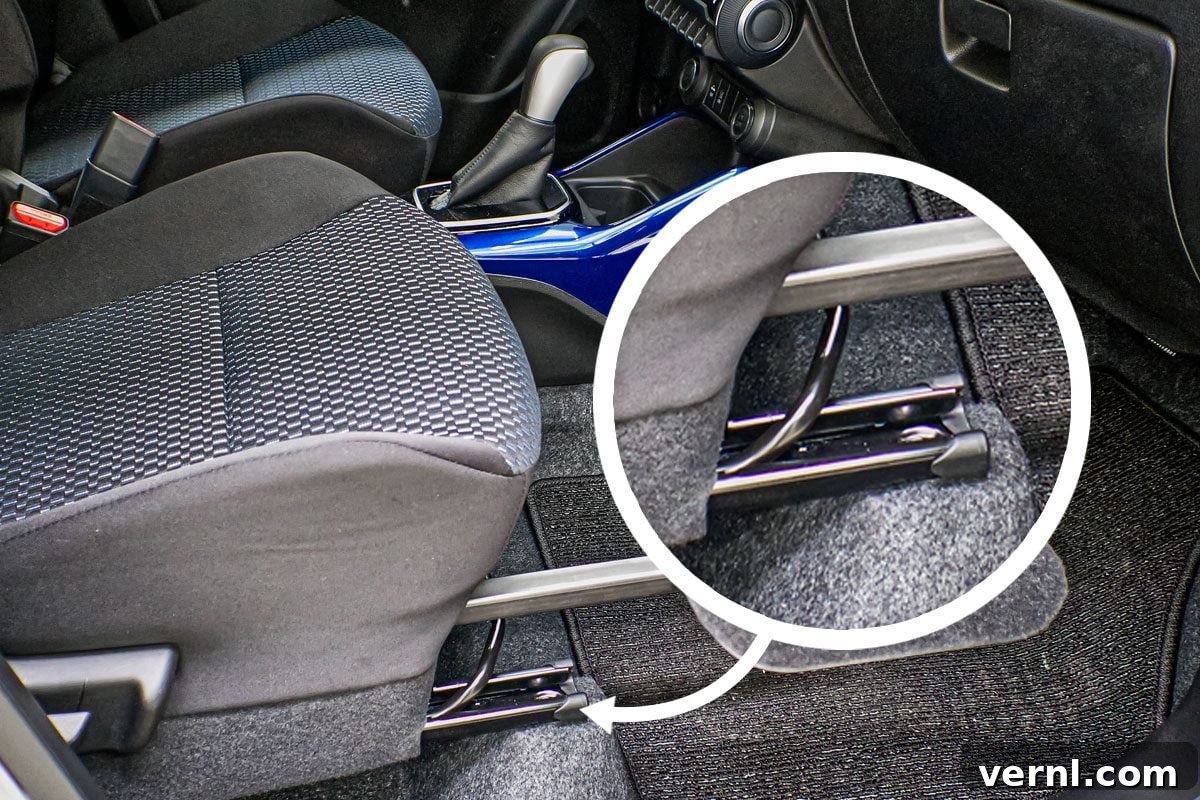
Lubricating Car Seat Rails: A Comprehensive Guide for Smooth Operation
Maintaining your car’s functionality and safety is crucial. A key aspect often overlooked is the lubrication of car seat rails. Proper seat positioning is vital for safe driving, and ensuring your seat adjusts smoothly and locks securely is essential. This guide provides a detailed look at why lubricating your car seat rails is important, how to do it, and the best lubricants to use.
Why Lubricate Car Seat Rails? The Benefits Explained
Lubricating your car seat rails is a simple maintenance task that offers several benefits, especially for older vehicles. As the average age of cars on the road increases, the need for this maintenance becomes even more important.
- Smooth Seat Adjustment: Over time, dirt, debris, and corrosion can accumulate in the seat rails, making it difficult to adjust your seat forward, backward, or lock it securely. Lubrication reduces friction, allowing for effortless seat movement.
- Prevents Premature Wear: Seat rails often involve metal-on-metal contact. Lubrication minimizes this friction, reducing wear and tear on the rails and extending their lifespan.
- Reduces Noise: Dry or rusted seat rails can cause annoying creaking or grinding noises when you adjust your seat or even shift your weight. Lubrication eliminates these sounds, providing a quieter and more comfortable driving experience.
- Safeguards Safety: In an accident or during sudden braking, your seat must be securely locked in place. Lubrication ensures the rails function correctly, locking the seat firmly and helping you maintain proper control of the vehicle. This is crucial for keeping your foot firmly on the brake pedal.
What Happens If You Don’t Lubricate Your Car Seat Rails? The Risks and Consequences
Neglecting to lubricate your car seat rails can lead to several problems, potentially impacting your comfort, safety, and even the value of your vehicle.
- Stiff or Binding Adjustment: Without lubrication, the seat may become difficult to move, requiring excessive force and causing frustration.
- Uneven or Misaligned Locking: One side of the seat track might lock while the other does not, creating an unstable seating position. The rails might lock at an angle, making it difficult to align with the steering wheel or pedals, which is extremely dangerous.
- Rust and Corrosion: Over time, the metal-on-metal contact within the rails will cause rust and corrosion, potentially damaging the seat track mechanism and its moving components.
- Noisy Operation: You might start hearing squeaks, creaks, or grinding noises when adjusting the seat, indicating it’s time for lubrication.
- Reduced Vehicle Value: A seat track that binds, doesn’t lock correctly, or makes noise can significantly diminish your car’s resale value.
Choosing the Right Lubricant: What to Use for Car Seat Rails
Selecting the right lubricant is essential. You want a product that reduces friction, protects against wear, and doesn’t attract dirt or leave messy residue. Here are some recommended options:
Silicone-Based Lubricants
Silicone sprays are excellent for providing smooth seat rail operation. They don’t attract dust, helping keep the rails clean. However, they might be less effective in high-friction areas or for heavier seats. They are easy to apply but may not last as long in extreme temperatures.
Lithium Grease
Lithium grease is a heavy-duty option, ideal for high-friction applications. However, it can be messy if overapplied. Apply it sparingly to moving parts on the rails or the hinge area. Be careful not to get grease on the seat cover or carpet, which could stain. Grease can attract debris, potentially causing the rails to bind.
Dry Teflon/Synthetic-Based Lubricants
Dry Teflon or synthetic lubricants significantly reduce friction, decreasing wear. They don’t attract dirt or leave oily deposits and also provide a protective film against premature wear under pressure. However, these lubricants may not last as long as silicone or lithium-based options.
Warning: Avoid using traditional WD-40, as it is not designed for long-term lubrication and might actually attract dirt.
How to Lubricate Car Seat Rails: Step-by-Step Guide
Lubricating your car seat rails is a straightforward process that can significantly improve seat function and reduce annoying noises. Here’s a step-by-step guide:
Materials You’ll Need
- Acid brushes
- Isopropyl alcohol or a degreaser
- The lubricant of your choice
- Microfiber cloth
- Optional: Gloves and a flashlight
- Safety glasses
- Soft brush or toothbrush
- Vacuum cleaner or compressed air
Steps
- Expose the Rails: Slide the seat all the way forward and then all the way back to fully expose the rails.
- Clean the Rails:
- Use a soft brush to remove loose dirt and crumbs.
- Vacuum or use compressed air to remove any remaining debris.
- Wipe the rails with isopropyl alcohol and a microfiber cloth to remove old grease or residue.
- Allow everything to dry completely.
- Apply the Lubricant:
- Sprays: Apply a light, even coat of the spray lubricant along the seat rails and all moving parts.
- Grease: Use an acid brush to apply a thin layer of grease to the tracks and the locking mechanism (if visible).
- Test the Adjustment: Slide the seat back and forth several times to distribute the lubricant evenly.
- Check the Results: Listen for smoother, quieter movement, and ensure the locking mechanism functions properly.
- Clean Up: Use a clean microfiber towel to remove any excess lubricant from the carpets or upholstery.
If the seat still binds after lubrication, removing the seat and working on it upside down on a table might be more effective.
How Often Should You Lubricate Car Seat Rails?
After an initial lubrication, lubricating your seat rails every 12 to 24 months should be sufficient. You can also lubricate whenever you notice the seat binding, sticking, or becoming noisy. Regularly vacuuming the area under your seats will help prevent food, dirt, and debris from getting caught in the rails in the first place.
Frequently Asked Questions
Do modern cars need car seat rail lubricant?
Modern vehicles often have better-sealed seat mechanisms. While they are built for durability and should not necessarily require additional lubrication, it is still valuable to prevent wear, especially if the seats experience heavy use. Lubrication might not be needed as frequently as with older cars. However, it is a good idea to lubricate if you notice any binding or sticking when adjusting your seat.
What about power seats that use screw-driven seat rails instead of slides?
Power seats with screw-driven (worm gear) mechanisms should be lubricated using the same products and steps as those with traditional sliding tracks.