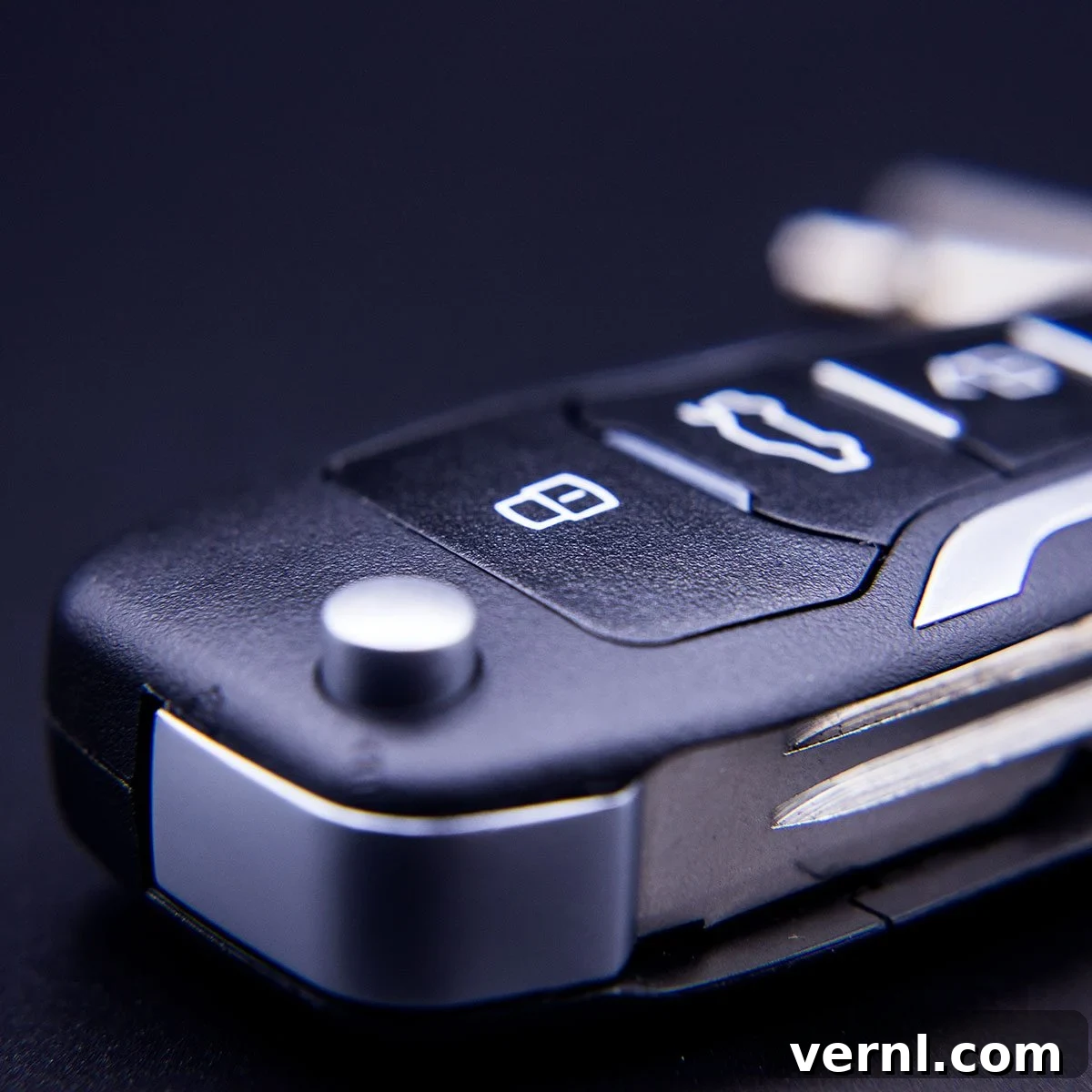
Remote Car Starters: A Comprehensive Guide
Are remote car starters a convenient luxury, or do they come with hidden drawbacks? This guide explores the benefits and potential issues associated with these popular vehicle accessories.
The Appeal of Remote Starting
The ability to start your car with the press of a button, from the comfort of your home, seems like a modern convenience we can all appreciate. A key fob that starts your car can be a game changer. However, as with many seemingly perfect solutions, remote starters have their critics.
Some people worry about the potential negative impacts of remote starting, questioning whether it puts undue stress on the engine or prematurely drains the battery. But are these concerns justified? Let’s delve into the details to understand the true impact of remote car starters.
What Exactly is a Remote Car Starter?
A remote car starter is, at its core, a device that allows you to start your vehicle without physically turning the key or pushing the start button. It’s designed to remotely engage the engine, allowing it to warm up for a preset period.
This functionality offers several advantages, especially in extreme weather conditions. Remote starters are particularly popular for:
- Pre-warming the cabin for a more comfortable ride.
- Defrosting the windshield and windows, eliminating the need to scrape ice.
These systems come in two main varieties: factory-installed options offered by vehicle manufacturers and aftermarket systems that can be added to existing vehicles.
Do Remote Car Starters Damage Your Engine?
One of the primary concerns surrounding remote car starters is their potential impact on engine health. There are conflicting opinions on whether remote starting is detrimental.
The central point of contention revolves around the practice of warming up your car before driving, especially in colder climates. The debate includes the question, does warming up your car engine do more harm than good?
In colder regions with harsh winters, letting your vehicle warm up seems like a logical way to ensure driver comfort and optimize engine performance. However, some automotive experts suggest that warming up a car engine can, over time, actually cause damage.
Jake McKenzie from Auto Accessories Garage, states, “In general, using a remote start to warm your car up in cold weather can bring unnecessary wear on your engine. Your engine works its hardest when the weather is cold, and nothing will warm it up more efficiently than driving it. When you remote-start your vehicle while you’re still getting ready for work, you greatly prolong the warm-up period. And over time, all of this unnecessary strain on your engine can be damaging.”
However, not all professionals share this view. Bryan Rodgers, owner of Rodgers Performance, suggests that the concerns are overblown. He says, “Even though there might be a stigma around remote car starters, there’s no hard data to support such claims. People may argue that consistently pre-heating your car can put a certain amount of added wear and tear on your engine. But in reality, it actually allows your engine’s oil to heat up, allowing your vehicle to run smoother — limiting the strain on your engine.”
The core issue isn’t specifically the use of remote starters, but rather the broader debate about whether warming up your car is beneficial or harmful. Remote starters merely offer a different method of achieving the same goal. If you believe warming up your car is bad for the engine, then you should avoid it whether using a key or a remote. If you favor preheating your car, then a remote starter presents no additional risks to your engine.
Are Remote Car Starters Harmful to Your Car Battery?
Another common concern regarding remote car starters revolves around their potential impact on the vehicle’s battery. This belief seems to be largely rooted in misinformation.
The basic premise is simple: starting a car is the same whether you use a key or a remote. The ignition process doesn’t fundamentally change based on the method of activation.
However, there is one scenario where a remote starter could potentially affect your battery. If you install an aftermarket remote starter, improper installation could lead to battery and electrical system issues. This is due to potential grounding problems.
According to Lauren Fix from CarCoachReports.com, “Factory installed starters should not be a problem. Aftermarket starters needs to be installed professionally. If there are not installed properly it’s easy to ground out one of the wires and drain your battery prematurely. [The starter] also needs to have a safety switch so that there’s no damage to the electrical system.”
Therefore, any potential battery issues stemming from remote starters are typically linked to improper installation of aftermarket systems, rather than the technology itself.
Installing an aftermarket starter can be relatively simple if you have electrical experience. If you’re not comfortable with electrical work, professional installation is always recommended.
How to Operate a Remote Car Starter
Using a remote car starter is generally straightforward. The process usually involves pressing a specific button or sequence of buttons on your key fob or, in some cases, using a smartphone app.
For most systems, simply consult your system’s manual to understand the specific instructions for activating the remote start function.
Beyond warming up your vehicle in the winter, remote starters also offer other helpful uses:
- Cooling the car interior on a hot day before you enter.
- Locating your vehicle in a crowded parking lot.
- Preparing the car for departure when your hands are full.
Remote Car Starters: Weighing the Advantages and Disadvantages
Deciding whether or not to install a remote car starter is ultimately a personal decision. Carefully considering the pros and cons will help you make the right choice.
Advantages (Pros)
- Convenience: Starts your car from a distance.
- Comfort: Warms up or cools down the car’s interior.
- Time-Saving: Eliminates waiting for the car to warm up or cool down.
Disadvantages (Cons)
- Increased Fuel Consumption: In gasoline-powered vehicles, remote starting leads to additional fuel use.
- Increased Emissions: Idle time contributes to increased carbon dioxide emissions.
- Potential Legal Issues: Some areas have laws against excessive idling, which could pose problems.
About the Experts
The information in this guide draws on the expertise of various automotive professionals:
- Lauren Fix: Editor-in-chief of CarCoachReports and an automotive expert with over 30 years of experience.
- Jake McKenzie: Has been reporting on the auto industry since 2015 for Auto Accessories Garage.
- Bryan Rodgers: Owner of Rodgers Performance, an automotive repair shop located in Ottawa, Canada.