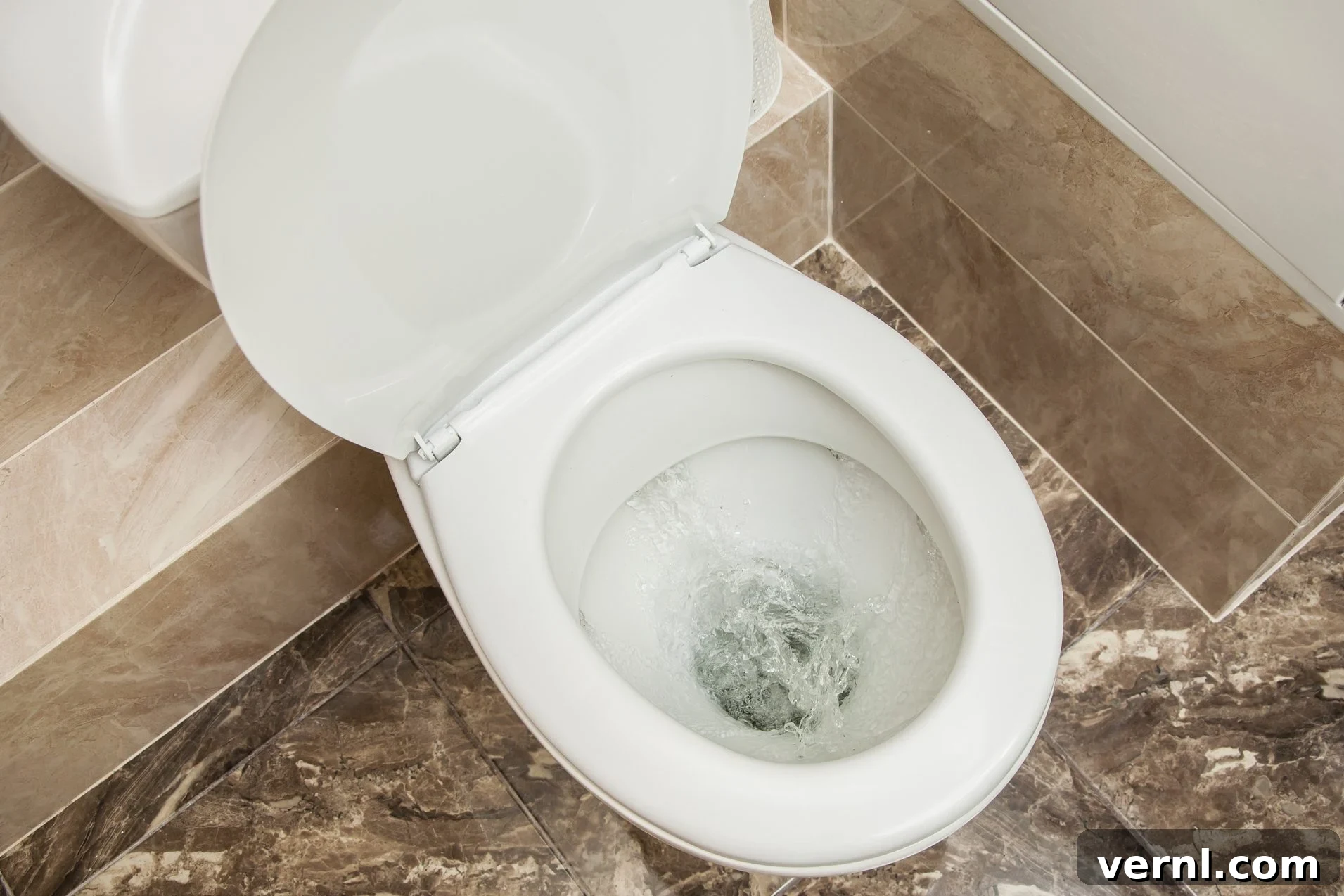
Is Toilet Water the Same as Sink Water? What You Need to Know
We’ve all pondered those hypothetical questions: If stranded, what three items would you bring? Let’s tackle a more pressing scenario: Is the water from your toilet the same as the water from your sink? Would you drink toilet water? Imagine a natural disaster strikes, and you’re at home with limited resources. This article, guided by water quality engineer Johnny Pujol from Tap Score, dives into the realities of toilet water.
Where Your Water Comes From: Toilet vs. Sink
“The water destined for your toilet originates from the same source as the water heading towards your tap,” Pujol explains. “It’s the same water that enters your home.” Essentially, it begins clean. However, the journey to the toilet tank introduces complexities that significantly alter the water quality.
A primary concern is the cleanliness of the toilet tank itself. How often do you clean it? Probably not often, and that’s the issue. “It is likely that your toilet tank is very rarely cleaned,” Pujol states. This infrequent cleaning allows for potential contamination within the tank.
“The water in the tank could be contaminated, which would then contaminate any clean water entering the tank.” Once fresh water mixes with a potentially dirty environment, its suitability for consumption is jeopardized. The toilet bowl adds another layer of concern.
“Because the toilet bowl is exposed to feces, there are likely bacteria living in and around your toilet bowl that can contaminate the water,” Pujol says. Therefore, while the water coming into the tank *should* be clean, the bowl presents a significant contamination risk.
Furthermore, older homes might have deteriorating fixtures or pipes. These can introduce contaminants, especially in bathrooms with underused sinks or inadequate ventilation. These factors underscore the critical difference between the theoretical cleanliness of the incoming water and the reality of its state within the toilet system.
Understanding the Differences in Water Quality
The primary difference between toilet water and sink water lies in the risk of contamination. Both sources draw from the same municipal water supply. However, sink water typically flows through controlled fixtures and is, therefore, relatively cleaner. Toilet water, on the other hand, is exposed to bacteria and various contaminants in the tank and bowl, making it unsuitable for drinking.
Another crucial factor is the exposure time. Sink water is used immediately and flows continuously, which minimizes the opportunity for bacteria to thrive. In contrast, water in a toilet tank or bowl can stagnate for extended periods, providing an ideal environment for microorganisms to multiply. Furthermore, toilet water can contain residues from cleaning agents or mineral buildup over time, further affecting its overall quality.
Is Drinking Toilet Water Safe?
Let’s be clear: Drinking toilet water is generally not recommended. “We don’t recommend drinking water from your toilet tank or bowl if it can be avoided,” Pujol emphasizes.
But, what if you are in a survival situation? If faced with a dire need, treating toilet water becomes a consideration. If you treat toilet water intending to drink it, you would need to focus on disinfection for bacteria.
While specialized water purifiers could theoretically clean toilet water, this wouldn’t be a typical home filter. You’d need a purifier designed to eliminate bacteria and other pathogens.
What Can You Safely Use Toilet Water For?
Issues with plumbing water quality often arise from aging pipes, infrequent maintenance, and contamination within household systems. Corrosion in metal pipes, sediment buildup, and backflow can degrade water quality, making it unsafe for drinking. Contaminants from plumbing materials like lead or rust can also leach into the water supply. Therefore, regular inspection and maintenance are vital for ensuring clean and safe water from your taps and toilets.
Safe uses for toilet water include:
- Flushing the toilet
- Watering plants (outdoor plants are generally a better choice)
That’s essentially it. There aren’t many recommended uses for toilet water within your home.
After it leaves your house is a different story. Toilet water goes to a wastewater treatment plant, where it’s cleaned and then released back into our rivers, streams, or used for irrigation.
What If My Dog Drinks Toilet Water?
It’s generally not a huge issue, but it depends on how long the water has been in the bowl and how clean the bowl is.
Dogs have different digestive systems than humans and are usually more resistant to bacterial infections. Dogs eat things that would make humans sick, so a little toilet water probably won’t hurt them.
“Even if the toilet bowl is contaminated, your dog might not get sick because it takes exposure to a pathogenic strain at a high enough concentration to cause illness,” Pujol explains.
If you’re concerned, keep the toilet lid down. “We still can’t recommend giving your dog toilet bowl water on purpose,” Pujol says. “But if it happens, it’s not guaranteed to be an issue.”
FAQs
Is it safe to drink water from a bathroom sink?
Bathroom sink water is typically potable since it comes from the same source as your kitchen sink. However, water quality can be affected by older pipes or potential contamination in the system.
Why does toilet water sometimes look cleaner than sink water?
Toilet water might appear cleaner because it lacks soap, toothpaste, or hair, often present in sink water. However, the absence of these elements doesn’t mean it’s safe. Toilet water can still harbor bacteria from the bowl or tank.
About the Experts:
- Johnny Pujol is a water quality engineer at Tap Score, a leading water testing and analysis company. He specializes in evaluating residential water safety and contamination risks. With extensive experience in environmental health, Pujol offers expertise on water sources, plumbing systems, and treatment procedures.
Sources:
- American Water Works Association: “Reclaimed Water for Public Water Supply Purposes”
- CDC: “Waterborne Disease and Outbreak Surveillance Reporting”
- EPA: “Safe Drinking Water Act (SDWA)”
- Tap Score: “Water Testing For Your Home”