
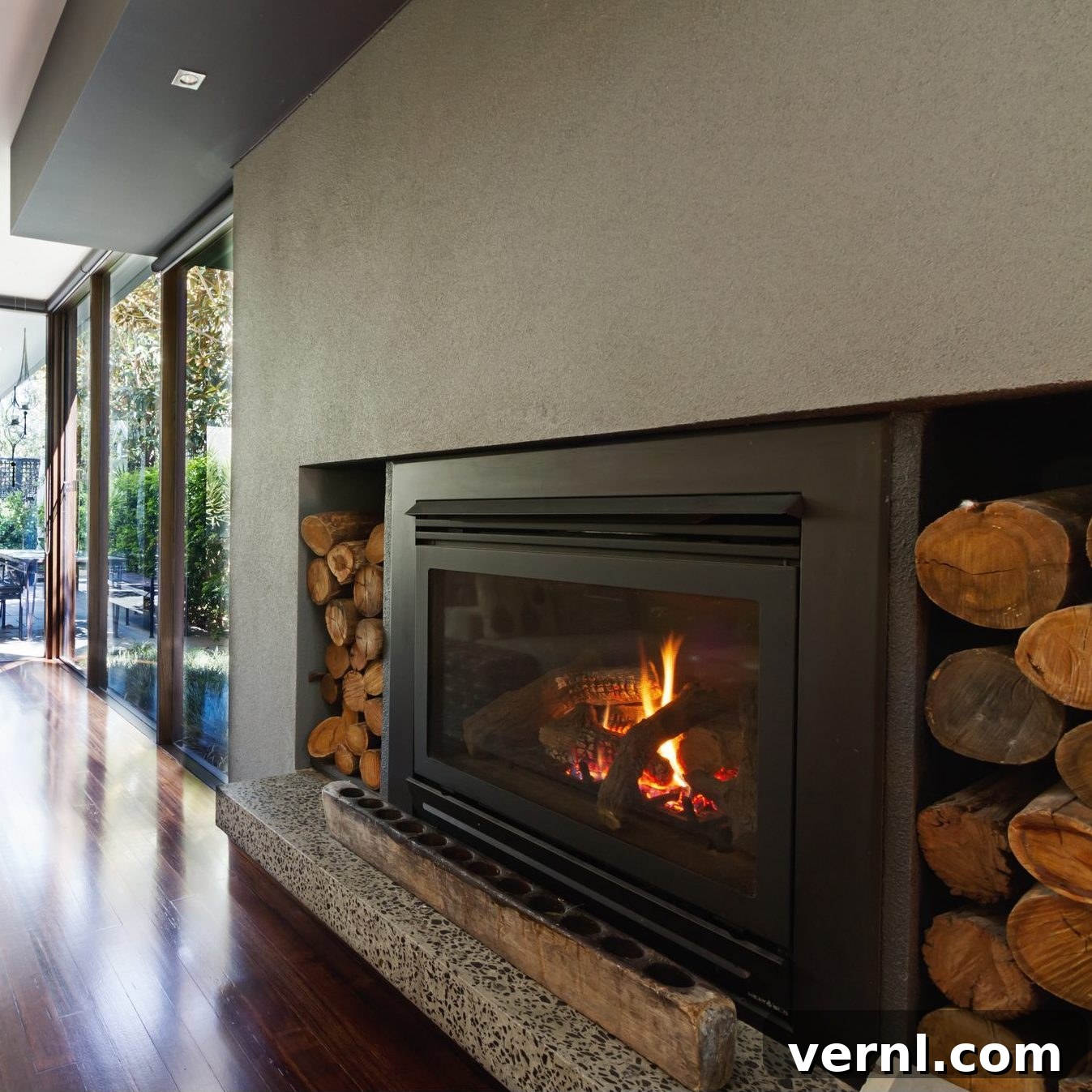
Gas Fireplace Safety: Your Ultimate Guide to a Cozy and Secure Home
If you’re considering a fireplace for your home, chances are you’ll be looking at gas models. Gas fireplaces offer a convenient and often safer alternative to traditional wood-burning fireplaces. While the rustic charm of a wood-burning fireplace in a remote cabin is undeniable, a gas fireplace provides a practical solution for modern homes, offering both warmth and ambiance without the hassle of wood, ashes, and complex maintenance.
However, convenience shouldn’t lead to complacency. Gas fireplaces involve the use of flammable gas – either propane or natural gas – within your living space. This necessitates a proactive approach to safety. This guide offers essential background information and practical indoor fireplace safety tips to help you enjoy your gas fireplace safely and with peace of mind for years to come.
Why Choose a Gas Fireplace? Three Key Advantages
While wood-burning fireplaces have their allure, gas fireplaces offer several practical advantages that make them a popular choice for many homeowners. Let’s delve into three key reasons for choosing a gas fireplace:
1. Local Regulations and Environmental Considerations
In many areas, local regulations play a significant role in the type of fireplace you can install. Rosie Romero, a remodeling contractor and owner of the popular Arizona radio show, “Rosie On The House,” highlights this: “One reason people go with gas-burning fireplaces is they are mandated by local communities.”
In cities with environmental concerns, like Phoenix, Arizona, where temperature inversions trap pollutants, wood-burning restrictions are common. These restrictions, such as no-burn days, encourage the adoption of cleaner-burning alternatives like gas fireplaces. This shift benefits the environment by reducing emissions and improving air quality.
2. Unmatched Convenience and Ease of Use
The convenience of a gas fireplace is a major draw for busy homeowners. The process is incredibly simple: just walk over to the fireplace and flip a switch. That’s it! As Rosie Romero points out, “Few people in an urban setting use fire for natural heat. They use fire for the ambiance of the flame.”
Gas fireplaces provide that desired ambiance with significantly less effort than wood-burning alternatives. You bypass the need to chop, store, and manually feed wood. Forget about cleaning up ashes and dealing with potentially messy backdrafts. This ease of use makes gas logs a dominant choice in urban environments.
3. Cost-Effectiveness Over Time
While the initial cost of a gas fireplace set and installation may be higher than simply buying firewood, the long-term costs often favor the gas option. As Romero explains, the ongoing expense of buying and storing wood adds up.
Consider the costs: a cord of hardwood delivered can cost upwards of $400, while a professionally installed gas log set might cost between $1,500 and $2,000. The one-time investment in a gas fireplace is often offset by the lack of recurring costs associated with wood, such as the wood itself, splitting labor, and cleaning. The convenience, coupled with the potential savings, makes gas fireplaces an economically attractive option.
Essential Gas Fireplace Safety Tips for Your Home
While gas fireplaces are generally safer than wood-burning ones, it’s crucial to prioritize safety. You’re still dealing with a flame and the potential risks of carbon monoxide poisoning or fire. Here are essential safety tips to ensure your gas fireplace operates safely:
- Professional Installation and Conversion: If converting a wood-burning fireplace to gas, always hire a licensed and experienced contractor. Working with gas lines or propane tanks is a job for trained professionals. Verify the contractor’s license, as requirements vary by location.
- Adhere to Building Codes: Before starting any work, check your local and city building codes for any regulations regarding gas fireplace placement. Your contractor should obtain the necessary building permits before installation.
- Study the Manual: Familiarize yourself with your gas fireplace manufacturer’s safety instructions. These manuals contain crucial information about your specific model and safety procedures. Keep it in a safe place for future reference.
- Carbon Monoxide Detection: Install carbon monoxide detectors on every floor of your house and replace the batteries twice a year. This crucial safety measure will alert you to the presence of this odorless, colorless, and deadly gas.
- Damper Operation: Ensure your damper (the device regulating airflow) is always open when the fireplace is in use. In most modern gas fireplace installations, the damper is fixed in a partially open position by code, preventing complete closure. This allows any potential gas leaks to escape through the flue, preventing dangerous buildup of gas inside your home.
- Oxygen Depletion Sensor (ODS): Make sure the contractor installs an ODS (also sometimes called a “safety pilot”) in your gas fireplace. This device automatically shuts off the gas supply if the fireplace temperature gets too cold or if there’s insufficient oxygen, enhancing safety.
- Chimney Cleaning: Before using your gas fireplace for the first time, hire a professional chimney sweep to clean your chimney. This ensures proper venting and prevents the buildup of creosote or other debris that could pose a fire hazard.
- Child Safety: Keep children away from the fireplace, especially when it’s in use. If your fireplace has glass doors, they will get extremely hot and can cause burns. Consider using a safety screen or barrier.
- Maintain Clearances: Maintain a safe distance between your fireplace and any flammable objects, such as furniture, curtains, and decorations. A minimum clearance of three feet is generally recommended.
- Address Unusual Odors or Flame Changes: If you detect a gas smell or notice changes in the flame’s appearance (e.g., yellow or flickering flames), immediately contact the licensed contractor who installed your fireplace. If your home came with a gas fireplace, find a reputable, licensed professional in your area. If you smell gas, evacuate your home immediately and call 911.
Frequently Asked Questions About Gas Fireplaces
Are gas fireplaces safer than wood-burning fireplaces?
Yes, gas fireplaces are generally considered a safer option than wood-burning fireplaces. The Environmental Protection Agency (EPA) highlights the health risks associated with wood smoke, which contains harmful gases and particulate matter. Breathing in these particles can trigger asthma, worsen heart and lung disease, and cause respiratory illness.
Are gas fireplaces as hot as wood-burning fireplaces?
Yes, gas fireplaces can be just as hot as, and often hotter than, wood-burning fireplaces. Gas fireplaces are typically more efficient, losing less heat through the chimney. Furthermore, the flame size is easily controlled, allowing you to regulate the heat output to your preference.
About the Expert
Rosie Romero is a highly respected remodeling contractor based in Phoenix, Arizona, and the owner and president of Rosie On The House, a popular weekend radio show. With decades of experience in the industry, Romero provides invaluable insights and advice to homeowners.
With her expertise, Rosie on the House has become a leading resource for Arizona homeowners seeking contractor referrals and guidance on home improvement projects. Romero has been a trusted voice in the home improvement industry for over 28 years and received the International Furnishings and Design Association’s Visionary Award of Excellence in 2001.