Battling the Shield-Shaped Invaders: A Comprehensive Guide to Stink Bug Prevention and Control
Picture this: a crisp autumn evening, you’re nestled comfortably in your living room, perhaps enjoying a warm beverage, when suddenly, a small, shield-shaped insect leisurely ambles across your wall. It’s an uninvited guest, a subtle harbinger of the colder months, and often, a source of mild annoyance. This is the common scenario homeowners face as the notorious stink bug seeks refuge from the impending winter chill. Far from a mere nuisance, these persistent pests can quickly multiply, transforming your cozy abode into their preferred winter resort. Understanding their habits, identifying them accurately, and implementing effective prevention strategies are key to reclaiming your home from these unwanted autumn invaders.
Understanding Your Foe: How to Identify a Stink Bug
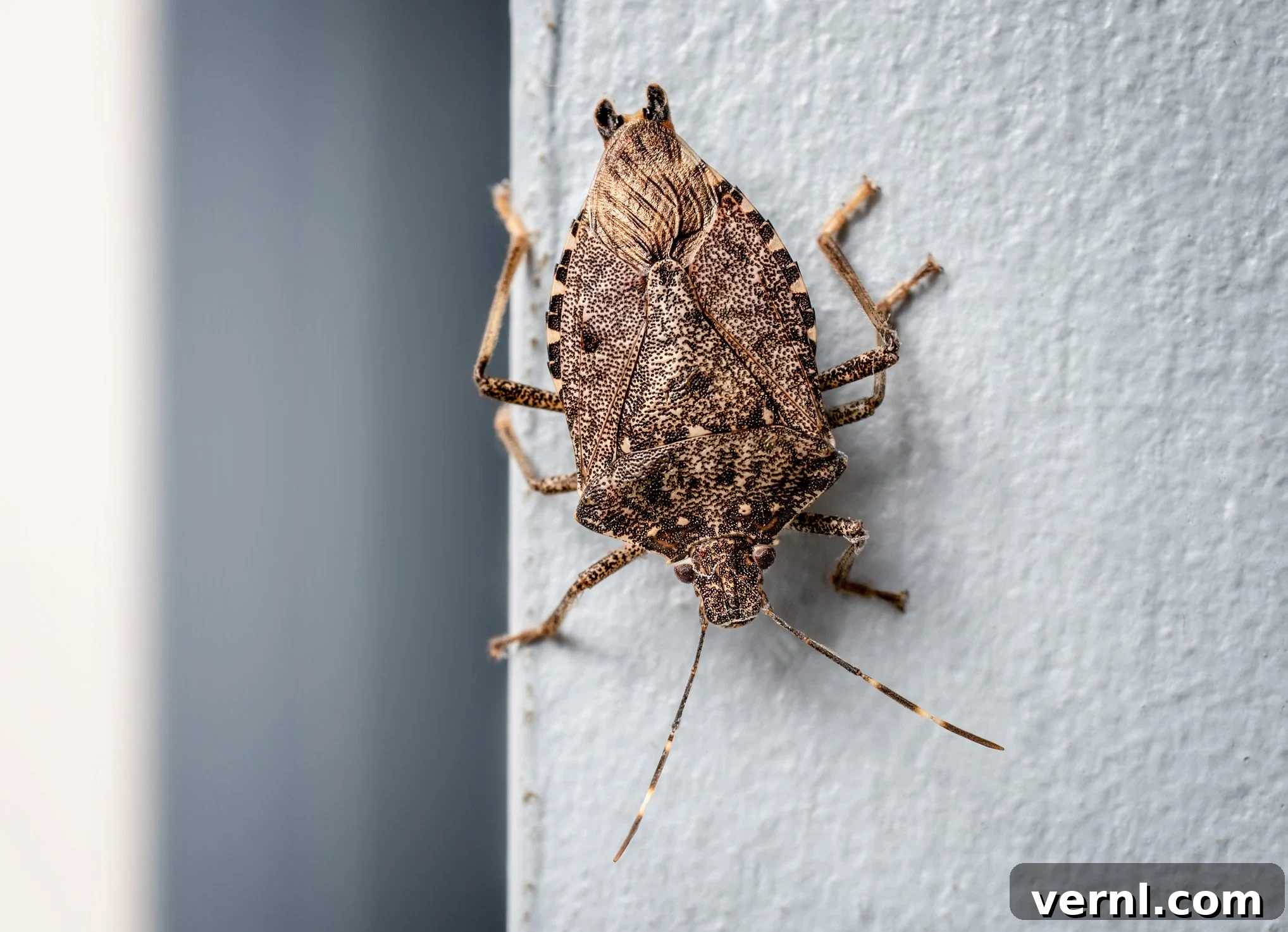
Before you can effectively combat a pest, you must first know how to identify it. Stink bugs, particularly the ubiquitous Brown Marmorated Stink Bug (BMSB), possess several distinct characteristics that make them relatively easy to spot. They are aptly named for their unique shield-like body shape, which sets them apart from many other common household insects. Typically, an adult stink bug measures between half an inch to three-quarters of an inch (12-17 mm) in length. Their bodies are flattened, and they often display a mottled brown, gray, or olive green coloration, sometimes with subtle lighter or darker markings on their backs and antennae.
A key identifying feature of the Brown Marmorated Stink Bug, which is the species most commonly found invading homes, is the presence of alternating light and dark bands on their antennae and on the outer edge of their abdomen. They have six long, slender legs and a prominent triangular-shaped structure, known as a scutellum, on their backs where their wings meet. Stink bugs tend to move slowly and deliberately, often appearing clumsy in flight. When disturbed or crushed, they release a potent, foul-smelling odor – a defense mechanism that gives them their distinctive name and serves as a strong deterrent to predators. This odor, often described as similar to cilantro, ammonia, or burnt rubber, can linger in the air and on surfaces, making their presence even more undesirable indoors.
It’s important to distinguish stink bugs from other beneficial insects that may resemble them, such as assassin bugs or squash bugs. While sharing some physical similarities, understanding the specific markings and the notorious odor can help you correctly identify the pest you are dealing with.
The Great Fall Crawl: Why Stink Bugs Invade Our Homes
As the vibrant hues of autumn emerge and the pumpkin spice craze sweeps the nation, stink bugs are embarking on a mission of their own: finding a warm, safe haven for the winter. This annual migration, often referred to as the “fall crawl,” is a critical survival instinct for these cold-blooded creatures. Unlike humans who bundle up or adjust thermostats, stink bugs cannot regulate their body temperature internally. As soon as outdoor temperatures begin to consistently drop below freezing, typically in late summer and early fall, they instinctively seek warmer, sheltered environments to survive the harsh winter months.
Your home, with its controlled climate and abundant hiding spots, presents itself as an ideal overwintering site – a five-star hotel, if you will, for a cold-averse insect. Stink bugs enter a state called diapause during the winter, a form of insect hibernation where their metabolism slows down significantly, allowing them to conserve energy and survive without food until spring. They are not interested in consuming your food or reproducing inside your home during this period; their sole purpose is survival. This natural biological imperative drives thousands, sometimes millions, of stink bugs to congregate on the sunny, warm exterior walls of homes and buildings, patiently searching for any tiny crack or crevice that offers a gateway to warmth and shelter.
The fall crawl isn’t exclusive to stink bugs; many other pests, including ladybugs, boxelder bugs, cluster flies, and even rodents, exhibit similar overwintering behaviors. However, the sheer numbers and the pungent odor associated with stink bugs make their fall invasion particularly noticeable and frustrating for homeowners. Understanding this intrinsic drive for warmth is the first step in formulating an effective defense strategy against their seasonal incursion.
Masters of Infiltration: How and Why Stink Bugs Sneak In
Stink bugs are remarkably adept at exploiting even the smallest vulnerabilities in a home’s exterior. Their flattened bodies allow them to squeeze through openings that might seem imperceptible to the human eye. They aren’t looking to pay rent or freeload off your heating bill, but your home offers the perfect microclimate for diapause – a safe, temperature-stable environment where they can safely wait out the cold without succumbing to frost. The “why” is purely survival; the “how” involves a combination of environmental attraction and architectural weaknesses.
Key Entry Points for Stink Bugs:
- Windows and Doors: Gaps around window frames, worn-out weatherstripping on doors, torn window screens, and ill-fitting door sweeps are prime entry points. Stink bugs are particularly attracted to the light emanating from indoors in the evenings, drawing them directly to these vulnerable areas.
- Foundations and Basements: Cracks in the foundation, unsealed utility penetrations (e.g., pipes, wires, cables entering the home), and gaps around dryer vents or air conditioning units provide easy access points.
- Siding and Fascia: Loose or damaged siding, gaps where different materials meet, and unsealed soffit vents can serve as gateways to wall voids and attics.
- Roofs and Chimneys: Unscreened attic vents, damaged roof shingles, or uncapped chimneys offer direct access to attics and upper living spaces.
- Utility Lines: Any opening where electrical, plumbing, or cable lines enter the house should be carefully sealed, as these are frequently overlooked entry points.
Beyond structural vulnerabilities, stink bugs are also attracted to warmth and light. On cooler days, they will bask on sun-warmed exterior walls. As evening approaches and interior lights are switched on, the glow seeping through windows and doors acts as a beacon, guiding them toward potential entry points. Once inside, they will seek out dark, undisturbed locations like wall voids, attics, crawl spaces, and even behind furniture or curtains, preferring quiet corners where they can settle into their winter slumber. This silent infiltration can lead to dozens, hundreds, or even thousands of these insects suddenly appearing within your living spaces once interior warmth coaxes them out of diapause prematurely during the winter, or more commonly, in the spring as they attempt to exit.
More Than Just a Nuisance: The Broader Impact of Stink Bugs
While often perceived primarily as a household nuisance due to their unwelcome presence and pungent odor, stink bugs, especially the Brown Marmorated Stink Bug, pose a far greater threat beyond the confines of our homes. The BMSB is an invasive species, originally from Asia, and has become a significant agricultural pest across North America and Europe. Their feeding habits can devastate a wide range of crops, including fruits, vegetables, and field crops.
They feed by piercing plant tissues with their needle-like mouthparts and sucking out the juices. This feeding damage can lead to cosmetic blemishes, stunted growth, and distorted fruits and vegetables, rendering them unmarketable. Crops like apples, peaches, corn, soybeans, and tomatoes are particularly vulnerable. Farmers often face substantial economic losses due to stink bug infestations, requiring costly pest management strategies to protect their yields. While homeowners are typically concerned with their indoor presence, understanding their broader ecological and economic impact highlights the importance of controlling their populations.
Indoors, while they do not bite, sting, or transmit diseases, their sheer numbers can be overwhelming. The constant release of their defensive odor when disturbed can be unpleasant and persistent, tainting surfaces or even vacuum bags. Some individuals may experience mild allergic reactions to the dust or particles associated with large infestations, although this is rare. Therefore, effective stink bug management is not just about comfort, but also about contributing to broader environmental and agricultural protection efforts by reducing populations that might otherwise emerge to infest crops in the spring.
Proactive Protection: Effective Stink Bug Pest Control Strategies
Successfully managing stink bug invasions relies heavily on proactive prevention and exclusion tactics rather than reactive measures once they’ve established themselves indoors. The goal is to create a physical barrier that prevents these persistent pests from accessing your home in the first place. Fortunately, most effective strategies involve relatively simple home maintenance tasks.
1. Seal All Entry Points (Exclusion is Key):
- Inspect and Seal Cracks: Walk around the entire exterior of your home, paying close attention to the foundation, window frames, door frames, and areas where different building materials meet. Use a high-quality silicone or silicone-latex caulk to seal any visible cracks, gaps, and crevices. For larger openings, consider using expanding foam sealant.
- Weatherstrip Doors and Windows: Ensure all doors and windows have tight-fitting weatherstripping. Replace old, worn, or damaged weatherstripping around windows and doors to eliminate gaps where air and insects can enter. Install door sweeps or thresholds on all exterior doors to seal the gap at the bottom.
- Repair or Replace Screens: Check all window and door screens for rips, tears, or holes. Repair or replace damaged screens, ensuring they fit snugly into their frames. Consider adding screen mesh to attic vents, soffit vents, and other larger openings.
- Seal Utility Penetrations: Inspect areas where pipes, wires, and cables enter the home (e.g., around air conditioning units, dryer vents, electrical conduits, plumbing lines). Use caulk or expanding foam to seal any gaps around these entry points.
- Chimney and Fireplace: Install a tight-fitting chimney cap with a screen mesh to prevent entry through the flue. When not in use, ensure the damper is closed.
2. Exterior Management and Landscaping Adjustments:
- Trim Vegetation: Keep trees, shrubs, and other dense vegetation trimmed away from your home’s foundation and walls. Overhanging branches or plants touching the house can create “bridges” for stink bugs (and other pests) to climb onto your exterior walls and access entry points.
- Manage Outdoor Lighting: Stink bugs are attracted to light. Consider changing your outdoor lights to yellow “bug lights” or LED bulbs with warmer color temperatures, which are less attractive to insects. Utilize motion-sensor lighting to reduce the amount of time lights are on, or simply turn off unnecessary exterior lights during peak invasion periods in the fall.
- Clean Gutters and Remove Debris: Keep gutters clean and free of leaf litter and other debris, as these can provide harborage for pests. Remove woodpiles, rock piles, and other potential hiding spots near your home’s foundation.
3. Interior Management (If They Get Inside):
- Vacuum Them Up: The most effective way to remove stink bugs that have already entered your home is to vacuum them. However, be aware that crushing them inside the vacuum bag can release their odor. Consider using a dedicated “shop vac” or an older vacuum, and immediately dispose of the vacuum bag outdoors in a sealed trash can after use. Alternatively, place a knee-high nylon stocking inside the vacuum wand, allowing the bugs to be trapped inside the stocking, which can then be tied off and disposed of.
- Soapy Water Traps: For small infestations, you can create a simple trap by filling a pan with soapy water (dish soap works well). The soap breaks the surface tension of the water, causing the bugs to drown when they fall in. Place these traps near windows or other areas where you frequently see the bugs.
- Manual Removal: If you only see a few, gently pick them up with a tissue or gloved hand and release them outdoors away from your home, or flush them down the toilet. Avoid crushing them to prevent the release of their odor.
- Avoid Pesticides Indoors: Using pesticides indoors to control stink bugs is generally not recommended. They are largely ineffective against these pests once they’ve entered overwintering sites, and can introduce unnecessary chemicals into your living space. Focus on exclusion and physical removal.
Remember, while stink bugs can be a considerable nuisance, their primary drive is survival. By implementing these preventative and control measures, you’re not harming them unnecessarily; you’re simply encouraging them to find more natural and less disruptive overwintering habitats. A proactive approach in early autumn, before the peak “fall crawl” begins, is your best defense against these shield-shaped invaders.
As the vibrant leaves begin their descent and you savor the warmth of your home, take a moment to conduct a thorough stink-bug-proofing inspection. A little effort now can save you a lot of frustration later, ensuring your home remains a sanctuary, free from persistent, foul-smelling guests.
Sources:
- EPA: Brown Marmorated Stink Bug
- University of Maryland Extension: Brown Marmorated Stink Bug in Homes