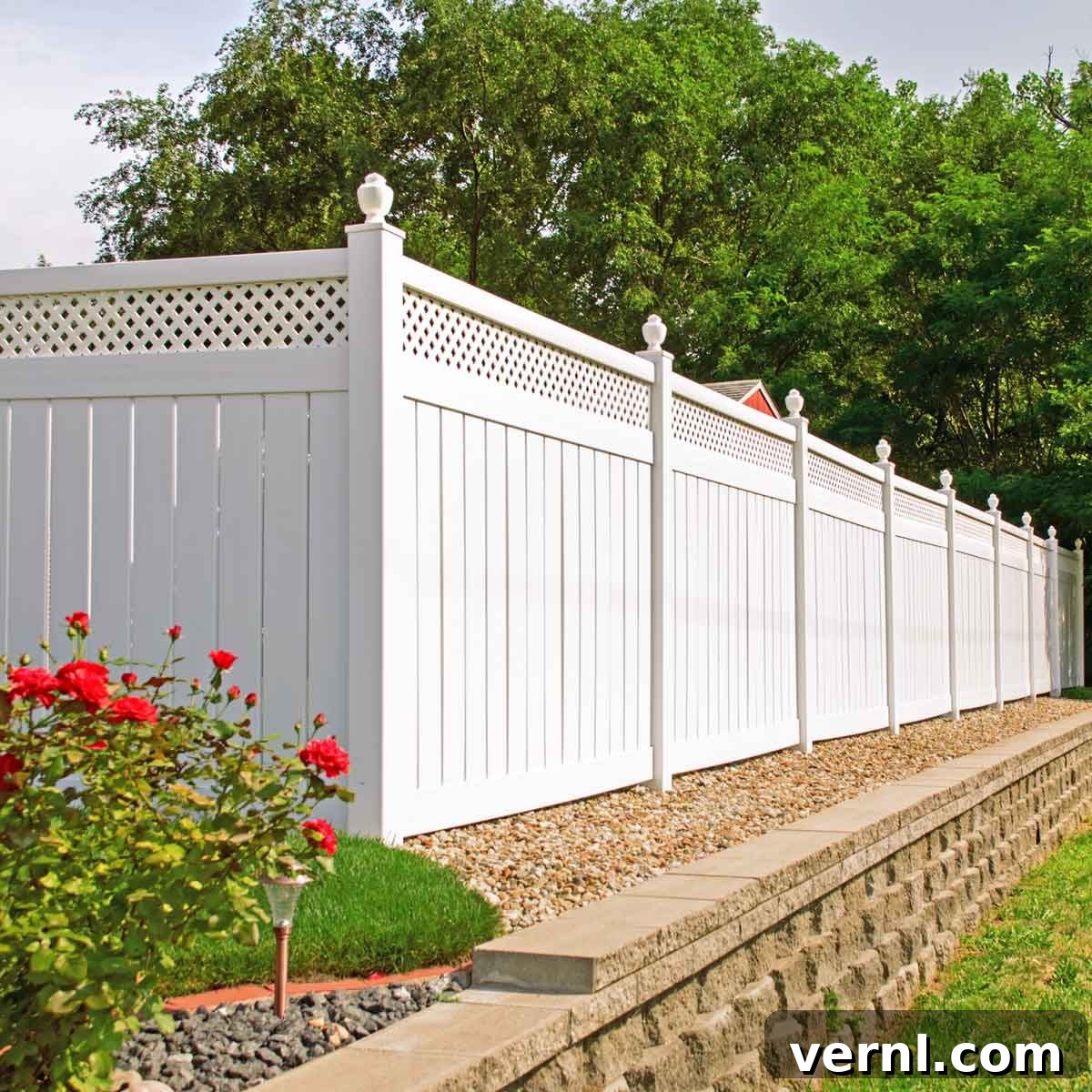
A well-chosen fence does more than just define your property; it significantly enhances your home’s character, boosts curb appeal, and provides essential functionality like security and privacy. Whether you’re envisioning a stylish boundary for aesthetic reasons or a robust barrier for practical needs, embarking on a fence installation project involves much more than simply digging holes and setting posts. It’s a significant home improvement that requires careful consideration of numerous factors, from local regulations and underground utilities to terrain challenges and neighborly relations. A successful fence installation is built on meticulous planning and thorough preparation, ensuring not only a beautiful outcome but also compliance and longevity. Ignoring these crucial preliminary steps can lead to costly delays, potential disputes, and even legal complications.
Understanding Your Property Boundaries: The Survey
Before any digging commences, the absolute first step in a successful fence project is to definitively establish your property lines. If your property lines are not clearly marked, or if there’s any ambiguity, hiring a professional land surveyor is non-negotiable. This critical investment ensures that you are not inadvertently building a fence on your neighbor’s property, which can lead to significant legal disputes, forced removal, and strained relationships. A certified survey provides precise measurements and official documentation of your property’s boundaries, offering peace of mind and legal protection. Many local jurisdictions even require a copy of your property survey when applying for a permit, making it an essential component of the approval process. Beyond preventing neighborly conflicts, a detailed survey can also uncover potential easements or rights-of-way that could impact your fence’s placement, saving you from future complications.
Navigating Local Regulations: The Permit Process
The assumption that you can simply erect a fence on your property without official approval is a common misconception. Many localities categorize property fences as structural additions, thereby requiring a permit for installation. This permitting process is not merely bureaucratic; it serves vital purposes, ensuring that your fence project adheres to local zoning ordinances, safety standards, and community aesthetic guidelines. Furthermore, permits are instrumental in verifying that your proposed fence does not encroach upon public land or a neighbor’s property. Before you make any definitive plans, it is imperative to contact your local building authorities or zoning department. They will provide detailed information on whether a permit is required for your specific fence project and outline all relevant guidelines and restrictions.
Common restrictions you might encounter include limitations on fence type and height, as well as specific setback requirements that dictate how far your fence must be from property lines, streets, or even existing structures. Some communities may also have regulations regarding materials, colors, or the finished side of the fence facing outwards. Non-compliance with these regulations can result in fines, stop-work orders, or even the mandate to dismantle and reconstruct your fence, leading to considerable expense and frustration. Understanding and adhering to these local ordinances from the outset will streamline your project and avoid unforeseen complications.
Safety First: Calling 811 Before You Dig
Before any ground is broken for your fence posts, ensuring the safety of your property and preventing costly damage to essential infrastructure is paramount. Underground utility lines, including gas, water, electricity, sewer, and telecommunications cables, crisscross beneath our yards. Striking one of these lines during excavation can lead to severe consequences, ranging from power outages and costly repairs to dangerous gas leaks and even life-threatening electrical shocks. The solution is simple and free: call 811.
A few business days before you plan to begin digging, contact 811 or use your state’s 811 center’s website. This service will dispatch utility companies to your property to mark the exact locations of their buried lines with colored paint or flags. Each color corresponds to a different utility, providing a clear visual guide for safe digging. Once all utilities have been marked, you can proceed with your fence post hole excavation, taking extreme caution and digging carefully by hand around the marked areas. This crucial step not only protects you and your property but also prevents widespread service disruptions in your neighborhood and avoids potential legal liabilities for damages.
Adhering to Aesthetic and Structural Guidelines: Height Limits
Fence height is one of the most common and significant restrictions homeowners face, largely influenced by local zoning laws and community aesthetics. In many residential areas, it’s typical to find limits such as a four-foot-tall fence in the front yard and a six-footer in the backyard. These regulations are often in place to maintain sightlines, ensure neighborhood uniformity, and prevent light obstruction for adjacent properties. However, these rules are not universal and can vary significantly depending on your specific location and whether your property falls under a Homeowner’s Association (HOA).
As Mike Dubar, owner of Middlebury Fence, notes, some communities may not even require a permit for fences up to six feet, especially if they are located in less visible areas. However, once you consider fences that are eight feet or higher, the regulatory landscape typically becomes much more stringent, with additional rules and restrictions coming into play. Beyond permits, it’s crucial to consider the structural implications of taller fences. Increased height means a greater surface area, making the fence more susceptible to wind damage. Taller fences require stronger posts, deeper foundations, and potentially engineered designs to withstand environmental forces, ensuring their stability and longevity. Always check with your local planning department and HOA for specific height restrictions before finalizing your fence design.
Choosing Your Style and Function: Materials Matter
The choice of fence material profoundly impacts its purpose, appearance, durability, and maintenance requirements. Understanding the characteristics of various materials is key to selecting the perfect fence for your property. For instance, privacy fences are most commonly constructed from materials like cedar or vinyl, known for their solid panels that block views. Containment fences, on the other hand, prioritize security and durability, often utilizing cedar, vinyl, aluminum, or chain link, as advised by Dubar.
- Wood Fences: A classic and versatile option, wood remains popular for its natural beauty, affordability, and ability to be customized with stains or paints to match any aesthetic. Types like cedar offer natural resistance to rot and insects, while pressure-treated pine is a more economical choice. Wood fences are also relatively easy to repair section by section. However, they demand regular maintenance, including sealing, staining, or painting, to prevent weathering, rot, and pest infestation.
- Vinyl Fences: Renowned for their minimal maintenance needs, vinyl fences do not rot, rust, or require painting. They are incredibly durable and often come with a lifetime warranty, making them an excellent long-term investment despite a higher initial cost. Vinyl offers various styles, from picket to privacy, but customization in terms of color is limited once installed.
- Aluminum Fences: Offering an elegant, ornamental look, aluminum fences are virtually maintenance-free and rust-proof. They are an excellent choice for security and defining boundaries without obstructing views, and their rackable designs make them ideal for sloped yards. While providing good security, they do not offer privacy.
- Chain Link Fences: The most economical option, a chain link fence is durable, secure, and low-cost to install and maintain. It withstands various weather conditions and is perfect for pet containment or large area enclosures where visibility and budget are primary concerns. While not aesthetically appealing to everyone, vinyl-coated options can improve its look.
- Split Rail Fences: Primarily chosen for their rustic, decorative appeal, wooden split rail fences offer an open feel, perfect for defining large properties or complementing country-style homes. For added functionality, such as pet containment, they can be effectively combined with welded wire mesh, offering both charm and practicality.
Consider your primary goals for the fence – privacy, security, pet containment, aesthetic enhancement, or a combination – before settling on a material. Each choice comes with its own set of advantages and considerations regarding installation, cost, and long-term upkeep.
Budgeting for Your Investment: Understanding the Price
The cost of a new fence is a significant factor in any home improvement project and can vary widely based on several key elements. The first step in budgeting is to accurately determine the linear footage of fencing required to enclose your property. Fences are typically measured and priced by the linear foot, offering a standardized way to compare costs. However, this base price is just the beginning.
As Dubar explains, pricing fluctuates dramatically depending on the chosen material, the height of the fence, the overall complexity of the project, and even your geographical location. For example, in the Northeast, the installed price per linear foot might range from $20 to $60, a testament to regional labor costs and material availability. The national average typically falls between $13 and $50 per linear foot, but these are just averages. High-end materials like wrought iron or custom designs will command premium prices, while basic chain link will be on the lower end.
The total cost of your fence project can easily escalate into thousands of dollars, particularly if your property presents installation challenges. Factors like the presence of large boulders, extensive tree roots, or other subsurface obstacles will require more time, specialized tools, and additional labor for removal, significantly increasing overall project expenses. Removing substantial obstacles like old concrete or rocks can turn a routine job into a multi-day endeavor, impacting both labor costs and material delivery. Always obtain detailed quotes that itemize materials, labor, and any potential charges for site preparation or obstacle removal to avoid budget surprises.
Overcoming the Unexpected: Installation Challenges
Even with meticulous planning, fence installation often presents unforeseen challenges, particularly concerning what lies beneath the surface. “You never know what will be under the ground until you dig,” cautions Mike Dubar, highlighting the unpredictable nature of excavation. Installers frequently encounter large rocks, solid bedrock (ledge), and extensive tree roots, which can transform a straightforward day job into a three-day ordeal. Beyond natural obstacles, digging can reveal surprising relics, from old foundations and buried debris to unexpected items like bones or discarded household goods, adding layers of complexity to the project.
Hard soil, dense clay, stubborn roots, and substantial rocks can be incredibly difficult to penetrate with standard post-hole diggers or augers. For such challenges, investing in a heavy-duty digging bar is an inexpensive yet highly effective solution to help break through tough objects and compacted earth. Furthermore, the slope of your property introduces another layer of complexity. Improperly setting post holes on uneven terrain can lead to a fence that is unstable, visually uneven, or aesthetically unappealing. Techniques like “stepping” the fence (following the slope in sections) or “racking” it (allowing panels to adjust to the grade) require precision and experience to ensure both structural integrity and a professional finish. Addressing these challenges effectively requires patience, the right tools, and often, professional expertise to ensure the fence is built strong and stands true.
Preserving Your Investment: Ongoing Maintenance
Once your beautiful new fence is installed, the journey doesn’t end. A fence is an outdoor structure constantly exposed to the elements, and like any significant investment, it requires regular care to maintain its appearance, extend its lifespan, and ensure its functionality. Neglecting maintenance can lead to premature deterioration, costly repairs, and a diminished aesthetic.
For wooden fences, ongoing vigilance is key. Regularly weeding and clearing rocks and debris from around the base of the posts will help prevent wood rot, a common culprit for fence failure. Annual inspections for pests such as termites, carpenter ants, and bees are also crucial, as these can cause significant structural damage if left unchecked. Depending on the wood type and climate, periodic cleaning, staining, or sealing will protect against moisture, UV damage, and fungal growth.
Vinyl and aluminum fences, while advertised as low-maintenance, still benefit from routine cleaning. Ideally, these fences should be hosed down about once a year with a mild fence wash or a simple solution of soap and water, applied with a clean cloth or soft brush. This prevents the buildup of dirt, grime, and moss, preserving their pristine appearance. Additionally, it’s wise to regularly check all fence types for loose fasteners, damaged panels, or sagging gates, addressing minor issues promptly before they escalate into major problems. Proactive maintenance ensures your fence remains a beautiful, functional, and valuable asset to your home for years to come.