Salamanders: A Comprehensive Guide to These Fascinating Amphibians
Salamanders have captivated human imagination for centuries, holding a unique place in mythology and literature. From ancient writings to modern-day stories, these amphibians have been linked to fire and the unknown. But what are salamanders, and why do they spark such intrigue?
This comprehensive guide delves into the world of salamanders, exploring their characteristics, habitats, and how to coexist with these fascinating creatures. We’ll uncover their appearance, behavior, and the crucial role they play in the ecosystem. You’ll also learn about common myths and facts, as well as practical tips for maintaining a salamander-friendly environment.
What Are Salamanders? Unveiling the Basics
Salamanders are amphibians, a diverse group of animals that share characteristics with both aquatic and terrestrial life. They primarily reside near or within bodies of water, relying on moist environments for survival. Unlike warm-blooded animals, salamanders are ectothermic, meaning they cannot regulate their own body temperature. Instead, they depend on the external environment for warmth.
Their skin is porous, playing a vital role in respiration and temperature regulation. Some species breathe through their skin, while others utilize gills, lungs, or a combination of these mechanisms. The mucous they secrete keeps their skin moist and helps regulate their internal temperature, making them especially sensitive to environmental changes.
One of the most remarkable features of salamanders is their ability to regenerate lost limbs and tails. This regenerative capacity is an essential survival mechanism, allowing them to escape predators and recover from injuries. This unique trait has also made salamanders a subject of scientific research, as scientists explore the potential for regenerative medicine.
Appearance: What Do Salamanders Look Like?
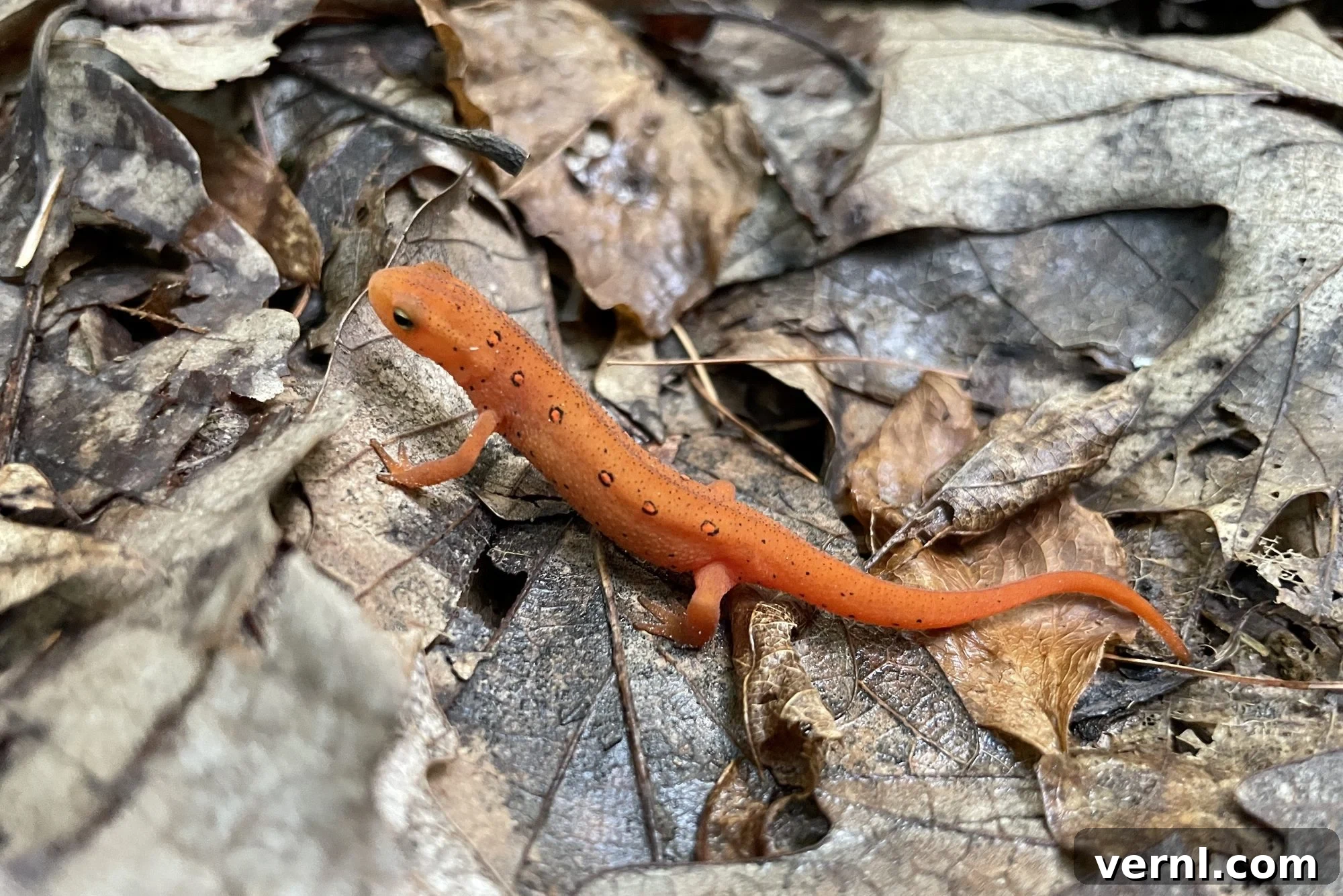
Salamanders often get mistaken for lizards, but they are amphibians, more closely related to frogs and toads. While they share some visual similarities, key differences distinguish the two groups. Salamanders typically have a more streamlined profile than lizards. They also sport shorter legs, and their bellies often drag on the ground.
Size varies among species, but most salamanders are relatively small, usually measuring less than six inches in length. With few exceptions, they possess four legs and a long tail, a defining characteristic reflected in their scientific classification, “Caudata,” which means “tailed” in Latin.
Salamanders display a vibrant array of colors and patterns, with many species sporting spots, stripes, or other showy markings. These striking colors serve as a warning signal to predators, indicating the presence of toxins or other defenses.
Habitat and Distribution: Where Are Salamanders Found?
Salamanders inhabit various regions worldwide, with a notable concentration in North America. The Southeastern United States boasts the highest diversity of salamander species globally. These amphibians thrive in moist environments, including forests, streams, ponds, and wetlands.
Their habitat preferences vary depending on the species. Some, like sirens, are entirely aquatic, spending their entire lives in water. Others, such as newts, are semi-aquatic, living in both water and on land. Newts typically spend a portion of the year in water for breeding and reproduction.
Tiger salamanders and other terrestrial species live primarily on land, returning to water only during breeding seasons. Understanding the specific habitat needs of different salamander species is crucial for conservation efforts, as these needs are threatened by habitat loss and degradation.
Are Salamanders Destructive? Unraveling the Myth
Contrary to common misconceptions, salamanders are not destructive pests. They are generally quiet and often nocturnal, so you’re unlikely to encounter them frequently. In fact, salamanders can be beneficial to your environment by controlling populations of insects, such as slugs, snails, and mosquitoes.
Salamanders are excellent indicators of ecosystem health. Their permeable skin makes them vulnerable to environmental changes. A healthy salamander population suggests a thriving environment, whether a stream, vernal pool, or forest floor. Declining salamander populations can signal problems like pollution, habitat loss, or climate change.
Do Salamanders Bite? Safety and Precautions
While salamanders possess teeth, biting is rare. They are typically shy and prefer to avoid humans. However, if you keep salamanders as pets, you might have a different experience. It’s improbable to be bitten by a wild salamander.
It’s crucial to avoid handling salamanders or provoking them. Some species secrete toxins through their skin as a defense mechanism. These toxins can cause skin irritation or other adverse effects. Tetrodotoxin, the same chemical found in pufferfish, is produced by some newts and salamanders.
If you encounter a salamander, admire it from a distance. If you must handle one, wash your hands thoroughly afterward, or wear gloves to protect yourself.
How To Coexist with Salamanders: Tips for a Salamander-Friendly Environment
Since salamanders are not considered pests, there is no need to actively remove them from your property. Instead, you can create an environment that encourages their presence, which is beneficial for the ecosystem. If you do find salamanders inside your home, the following tips can help you encourage them to move outside.
Clean Up Rotting Logs and Debris
Rotting logs and leaf litter are ideal habitats for salamanders. Remove wood debris around your home’s foundation to deter them and the insects they feed on. This also helps keep those unwanted insects out of your home.
Get Rid of Standing Water
Salamanders consume mosquito larvae, and mosquitoes thrive in standing water. Eliminate any depressions in your yard that collect water, and ensure proper drainage around your foundation. Direct the soil away from the foundation to prevent water buildup.
Seal Cracks in Your Home
Salamanders might enter your home in search of a cool, damp environment, such as a basement or crawlspace. Seal any cracks in your home’s exterior, and make sure that all entrances to crawlspaces and basements close tightly. Ensure these areas are clean and free of insect food. Reduce moisture in basements using fans or improved ventilation.
Relocate Salamanders (If Necessary)
If you find a salamander inside your home and wish to move it, gently scoop or coax it into a box. Avoid grabbing or squeezing the salamander. Remember, they may have toxins on their skin. Deposit them near a pond or on a damp, shaded forest floor. Wash your hands thoroughly after handling them, or wear gloves.
By implementing these simple steps, you can help protect salamanders and contribute to a healthier environment. Remember, their presence indicates a thriving ecosystem, making them valuable members of our natural world.
For more detailed information or advice, consult local wildlife resources or pest control professionals in your area.