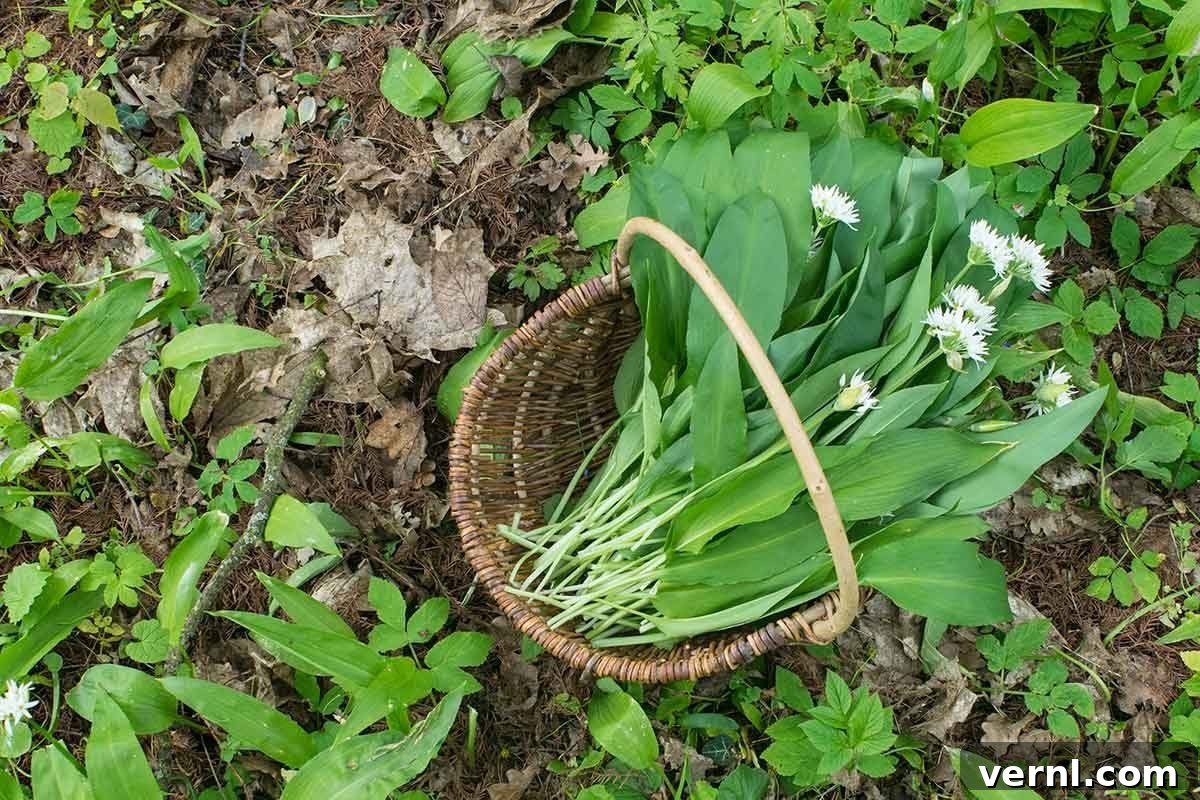
Wild Garlic in Your Lawn: Identification, Removal, and Prevention
Unsightly weeds can pop up anywhere, but those invading your lawn are particularly frustrating. They detract from the smooth, green appearance of your grass and can be difficult to eliminate without damaging the surrounding turf. One of the most common culprits is wild garlic, a persistent and often overlooked weed.
Originating from Europe, wild garlic has become widespread across North America, especially in the Southeastern U.S. and the Pacific Northwest. It’s frequently mistaken for wild onion, a closely related plant that shares a similar look and smell. Confusing these two can lead to improper treatment, so accurate identification is key.
To identify wild garlic, rub a leaf between your fingers. If it releases a strong garlic aroma, you likely have wild garlic in your yard. This distinct smell is a telltale sign.
What is Wild Garlic? Understanding the Weed
Wild garlic, scientifically known as Allium vineale, is a perennial plant. This means it lives for more than two years and returns annually. It primarily reproduces through underground bulbs and aerial bulblets, although it also produces seeds. Its life cycle makes it a persistent challenge in lawn care.
The leaves of wild garlic typically emerge during the cooler months, often making the infestation noticeable in the fall. Throughout winter and spring, the plant grows, resembling chives. As temperatures rise in summer, the leaves die back, but the bulbs remain dormant beneath the surface, ready to resprout when cooler weather returns. This cyclical pattern allows wild garlic to spread aggressively throughout your lawn, causing uneven patches and an overall unkempt appearance.
Distinguishing wild garlic from wild onion is crucial for effective treatment. Both species thrive in various soil conditions, tolerate cool temperatures, and are drought-resistant. However, key differences exist. Wild garlic has clumps of two to four round, hollow leaves and a papery membrane covering its bulbs.
In contrast, wild onions feature flat, non-hollow leaves growing in larger clumps. Their bulbs are covered in a fibrous net. Careful observation of these details will help you correctly identify the weed and choose the appropriate removal methods.
Is Wild Garlic a Weed? The Impact on Your Lawn
Wild garlic is considered a noxious weed. According to gardening expert Bryan McKenzie, it is “highly invasive and can ‘steal’ nutrients from turfgrass and other plants.” This aggressive behavior disrupts the health and appearance of your lawn, making its removal a priority for any homeowner seeking a pristine yard.
The impact of wild garlic extends beyond aesthetics. By competing for resources like water and nutrients, it weakens your grass, making it more susceptible to other weeds, pests, and diseases. Controlling wild garlic is an essential part of maintaining a healthy and vibrant lawn.
Is Wild Garlic Safe? Potential Risks and Uses
Wild garlic is edible and non-toxic, however, pet owners should be aware. McKenzie notes that pets may dislike the strong “garlicky” taste if they consume it. In Europe, wild garlic is sometimes used to flavor dishes. If you’re considering using wild garlic from your lawn in cooking, confirm that your lawn hasn’t been treated with chemical herbicides.
It is crucial to differentiate wild garlic from wild onion, as the latter is toxic to both animals and humans. Always exercise extreme caution when identifying plants for consumption. Proper identification is vital to protect the health of your family and pets.
How to Get Rid of Wild Garlic: Effective Removal Strategies
Eliminating wild garlic requires a multi-pronged approach and persistent effort. The most effective method is often hand-pulling, but it demands diligence. You must remove the entire bulb and any bulblets to prevent regrowth.
- Hand-Pulling: This is a labor-intensive but effective method. It is easiest when the soil is loose and moist. Carefully grasp the plant near the base and pull upwards, ensuring you remove the entire bulb and any attached bulblets. If the leaves break off or the soil is compact, you may need a small shovel to dig out the bulbs. Inspect the area to ensure all bulbs are removed. Dispose of the plants and bulbs in a sealed plastic bag; avoid adding them to your compost pile, as this can spread the weed. Hand-pulling may need to be repeated for multiple seasons to fully eradicate the weed.
- Chemical Weed Killer: Herbicide use should be a last resort, considering the potential harm to people, pets, and the environment. Wild garlic leaves have a waxy coating that hinders herbicide absorption, and the bulbs can remain dormant deep in the soil for extended periods. According to McKenzie, multiple applications of a post-emergent herbicide over at least three consecutive seasons may be necessary. Always carefully follow the manufacturer’s instructions.
How To Prevent Wild Garlic From Returning: Long-Term Control
Preventing the return of wild garlic requires a proactive approach. Unfortunately, no pre-emergent herbicides are available. The focus is on destroying existing bulbs and preventing new growth.
- Hoeing: Hoeing is a natural and effective method for controlling wild garlic, particularly in gardens. The goal is to disrupt the plant’s growth cycle. McKenzie recommends hoeing in winter or early spring to prevent new bulbs from forming. As with other control methods, consistent effort over several years is usually required to achieve complete eradication.
- Mowing: If you’re not bothered by the garlic aroma and the appearance, simply mowing may be a possible option. Regular mowing prevents the wild garlic from growing taller than your grass. “Mow the lawn regularly to prevent the sprouts from spoiling the look of your yard,” advises McKenzie.
FAQs About Wild Garlic
Why is wild garlic so hard to get rid of?
Wild garlic’s resilience stems from several factors. The waxy leaves make it resistant to many herbicides, and the bulbs and bulblets can remain in the soil. Thorough removal, which may involve digging up plants that are several inches deep, is critical to ensuring success.
Does mowing control wild garlic?
Mowing alone will not eliminate wild garlic but can prevent it from spreading seeds. It can also help the wild garlic blend in with your grass, potentially improving the aesthetic appearance of your lawn.
About the Expert
- Bryan McKenzie is a gardening expert and co-owner of the gardening and home maintenance blog, The Bumper Crop Times. He offers valuable insights and tips based on his experience. Previously, Bryan worked as a landscape designer, providing him with a comprehensive understanding of lawn care and weed control.