Spray Foam Insulation vs. Cellulose Insulation: A Comprehensive Comparison
When it comes to home comfort and energy savings, effective insulation is paramount. Proper insulation keeps your home cool in the summer and warm in the winter, significantly impacting your energy bills and overall living experience. Choosing the right type of insulation is crucial, and two popular options stand out: spray foam and cellulose. This article delves into a detailed comparison of these two insulation materials, examining their performance, cost, and suitability for various applications.
Understanding the differences between insulation types, like the popular choices of cellulose and spray foam, empowers homeowners to make informed decisions. We’ll explore their respective strengths and weaknesses across key areas, helping you determine which material best aligns with your specific needs and priorities.
Efficiency Showdown: R-Value and Air Sealing
A fundamental metric for insulation performance is the R-value. R-value measures an insulation material’s resistance to heat flow. The higher the R-value, the better the insulation’s ability to prevent heat transfer, keeping your home comfortable and energy-efficient. This is critical in both hot and cold climates.
Both spray foam and cellulose insulation generally offer a similar R-value per inch, typically ranging from 3.5 to 3.7. This means that, on a per-inch basis, they provide comparable thermal resistance. However, there’s a significant difference in their inherent properties. Spray foam, in addition to its R-value, provides superior air sealing capabilities. This means it effectively blocks air leaks, preventing drafts and further enhancing energy efficiency. Air sealing is a critical factor often overlooked, contributing significantly to a home’s overall thermal performance.
Winner: While their R-values are similar, spray foam’s added air sealing capabilities give it a clear advantage in terms of overall efficiency. The ability to prevent air leaks translates directly into reduced energy consumption and improved comfort.
Durability and Longevity: A Long-Term Investment
The lifespan of your insulation is a crucial factor, influencing long-term costs and the need for eventual replacement. Insulation that lasts longer saves on future expenses and minimizes the disruption of re-installation.
Spray foam insulation, according to experts like John Kane, home performance director for Allied Experts, is renowned for its durability. It is designed to resist degradation over time, potentially lasting for more than three decades. This longevity makes it a sound investment, particularly in areas where insulation replacement is costly or difficult.
Cellulose insulation, on the other hand, typically has a lifespan of 20 to 30 years. While still a considerable timeframe, it’s slightly shorter than that of spray foam. Furthermore, cellulose’s performance can be affected by moisture. If it gets wet, the chemicals within the insulation can be compromised, potentially reducing its effectiveness and potentially creating mold. While minor moisture exposure may not necessitate immediate replacement, significant water damage could require a complete overhaul.
Winner: Spray foam emerges as the winner in terms of durability, offering a longer lifespan and greater resistance to degradation. This translates into fewer future maintenance concerns and a potentially lower long-term cost of ownership.
Cost Analysis: Weighing the Upfront Investment
Cost is a significant consideration for any home improvement project, and insulation is no exception. The upfront cost of materials and installation is an important factor in decision-making.
Cellulose insulation typically represents a more budget-friendly option. Kane notes that the cost usually falls between $1.63 and $2.52 per square foot for both the materials and installation. The overall cost will depend on the thickness required and the size of the area being insulated.
Spray foam insulation, while offering superior performance in some areas, comes with a higher price tag. Costs can range from $3.95 to $7.20 per square foot, and potentially more depending on the contractor and complexity of the job. This higher cost is often attributed to the more complex installation process and the specialized equipment required.
Winner: Cellulose wins in terms of cost. Its lower material and installation expenses make it a more attractive option for homeowners seeking to minimize their initial investment. However, it is important to consider the long-term benefits of spray foam, such as energy savings, when calculating the overall cost.
Installation: DIY vs. Professional Expertise
The ease and method of installation are important factors. DIY enthusiasts might consider the practicality of installing the insulation themselves to save on labor costs. However, this decision hinges on the complexity of the material and the necessary equipment.
Both spray foam and cellulose insulation require specialized equipment and some level of training. While it’s possible to install insulation yourself, the process is generally more straightforward with cellulose. You can rent equipment, such as a motorized hopper, to install cellulose insulation. This allows for DIY installation with proper planning and knowledge.
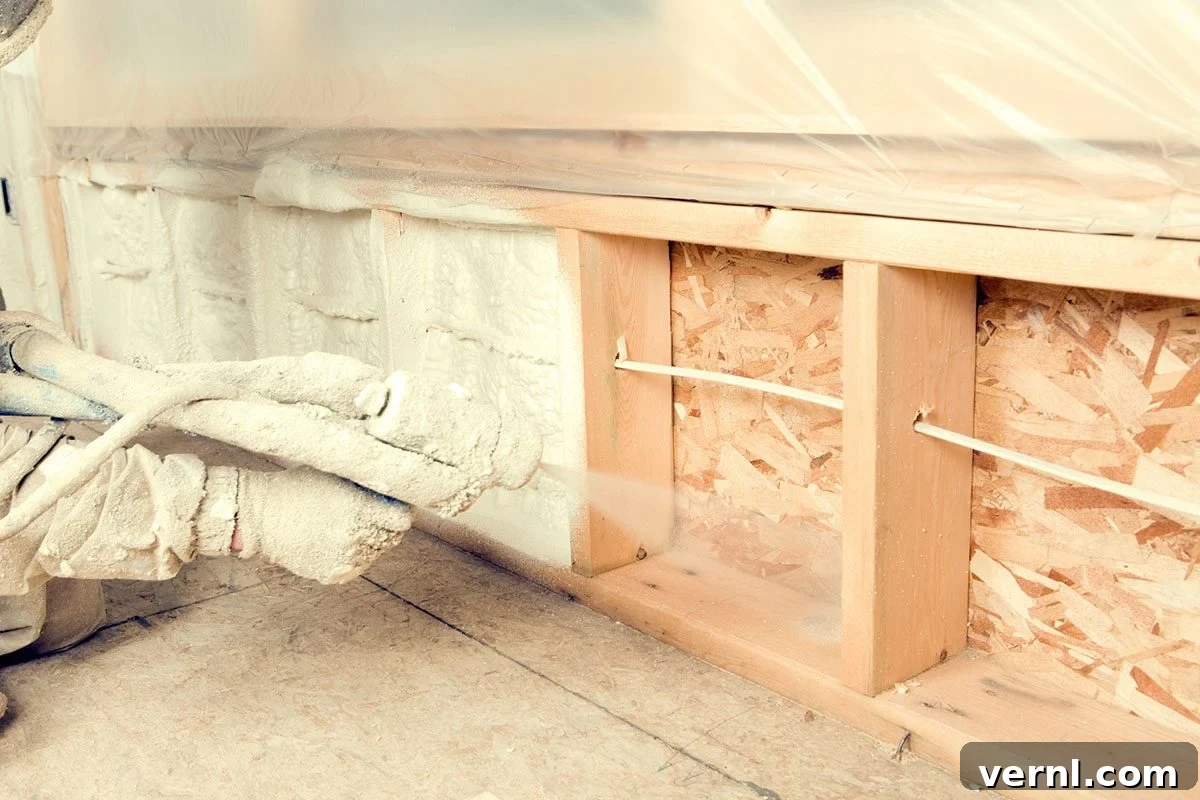
Spray foam installation is significantly more complex. It demands specialized equipment, like sprayers and protective gear, and requires in-depth training to ensure proper application and performance. As such, it’s almost always best to hire a professional for spray foam installation. This added complexity contributes to its higher cost.
Winner: Cellulose is the clear winner when it comes to ease of installation. Its suitability for DIY projects provides homeowners with greater flexibility and potential cost savings.
Environmental and Safety Considerations: Making an Informed Choice
In addition to performance and cost, it’s essential to consider the environmental impact and safety aspects of insulation materials. Homeowners are increasingly mindful of their environmental footprint and the potential health implications of building materials.
Cellulose insulation is often lauded for its eco-friendliness. It’s typically made from recycled materials, making it a green choice. It often includes recycled paper products. However, cellulose is treated with chemicals to make it fire-resistant, and these chemicals can present risks.
Spray foam insulation is a completely waterproof or highly water-resistant. Spray foam is also known to be extremely toxic and highly flammable. The flammability can be mitigated with a thermal-resistant barrier.
Winner: This category is a bit of a mixed bag. Cellulose has the edge in terms of using recycled materials, but the chemicals used for fire resistance pose a potential health risk if not properly installed. Spray foam has its own issues, including toxicity and flammability. Both options require careful consideration of installation and safety practices.
Making the Right Choice: Key Takeaways
Choosing between spray foam and cellulose insulation involves carefully weighing several factors. Consider these key takeaways to guide your decision:
- Efficiency: Spray foam offers superior air sealing, leading to better overall energy efficiency, despite having a similar R-value per inch.
- Durability: Spray foam generally lasts longer than cellulose, reducing the need for future replacement.
- Cost: Cellulose is typically less expensive to purchase and install.
- Installation: Cellulose is more DIY-friendly. Spray foam typically requires professional installation.
- Environmental/Safety: Both have pros and cons. Cellulose uses recycled materials but contains fire-retardant chemicals. Spray foam offers excellent moisture resistance but can be toxic and flammable.
Ultimately, the best choice depends on your specific needs, budget, and priorities. If energy efficiency and long-term durability are paramount and you can afford the higher upfront cost, spray foam might be the ideal solution. If budget is a primary concern and you’re comfortable with a DIY project, cellulose could be a more suitable option. Consider consulting with insulation professionals to assess your home’s unique requirements and receive personalized recommendations.