
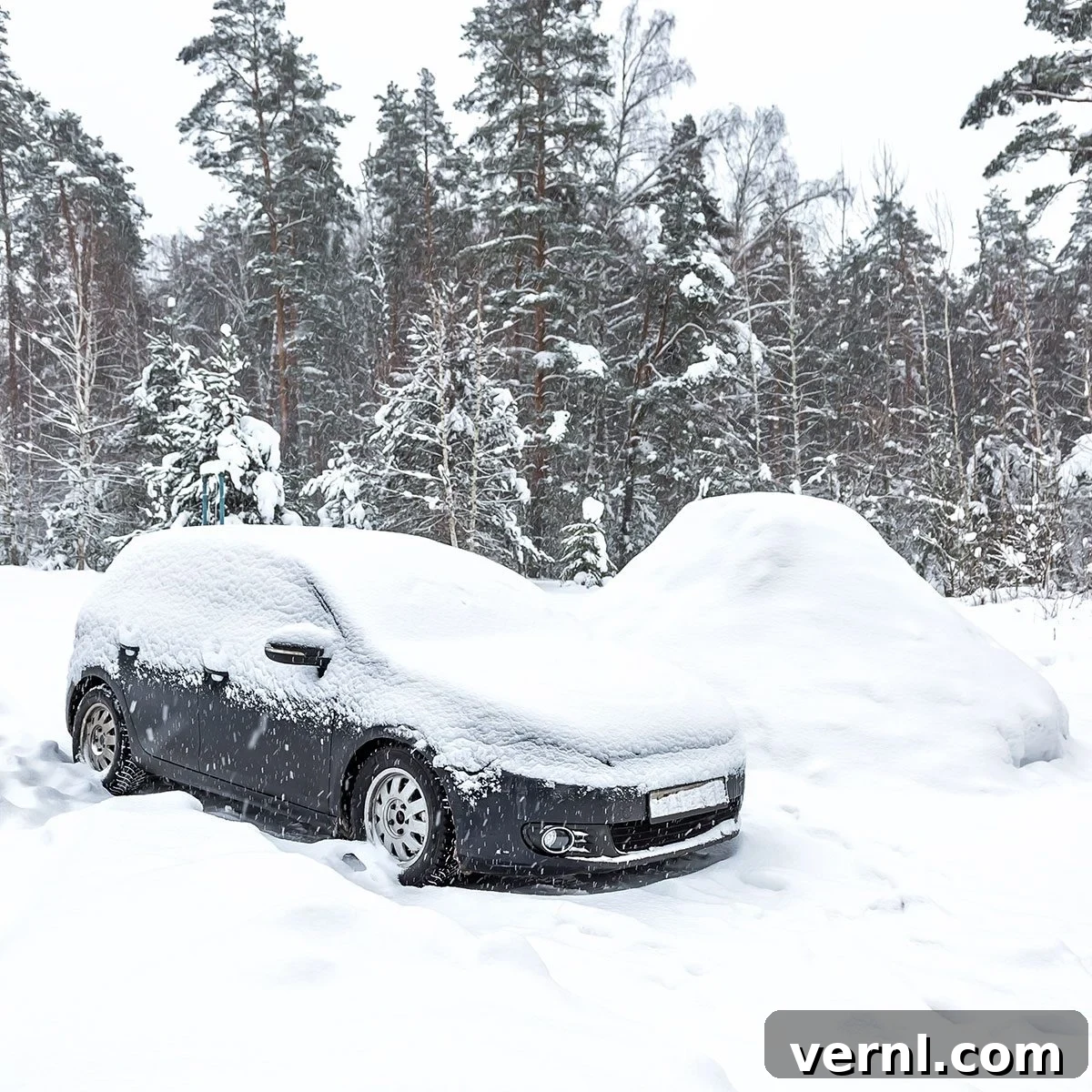
As the mercury plummets, a symphony of concerns often begins to play in the minds of homeowners and vehicle owners alike. Preparing for winter’s chill involves a thorough checklist, from winterizing your home to ensuring your car is ready to face the dramatically dropping temperatures without any unwelcome surprises.
Modern vehicles boast impressive resilience against cold weather, yet the impact of freezing temperatures is undeniable. “While today’s cars are robust, extreme cold does affect crucial components,” explains John Vorisek, founder of Repair Surge. “The battery is often the most susceptible, as its efficiency significantly drops in lower temperatures. Cold can also compromise the effectiveness of various fluids and lead to changes in tire pressure.”
While proactive preparation for seasonal changes is always wise, not all common winter car concerns warrant equal anxiety. A persistent myth, for instance, suggests that maintaining less than a half-full tank of gas during winter could lead to the gasoline freezing solid and damaging your fuel tank. This notion, while seemingly plausible at first glance, quickly dissolves under closer scrutiny.
In this comprehensive guide, we’ll debunk this widespread myth, delve into the legitimate threats cold weather poses to your vehicle, and provide essential tips for maintaining your car’s optimal performance throughout the winter months.
Does Gasoline Truly Freeze in Cold Weather? Unpacking the Myth
The idea of gasoline freezing in your car’s tank during winter is a prevalent worry for many drivers. However, the scientific reality paints a very different picture. For gasoline to transition from a liquid to a solid state, it requires temperatures far more extreme than those typically experienced in most inhabited regions. The average freezing point for standard gasoline hovers around -100 degrees Fahrenheit (-73 degrees Celsius). This specific temperature can fluctuate slightly based on the unique blend of components within the gasoline, such as its octane rating, but the core principle remains consistent: gasoline possesses an exceptionally low freezing point.
It is exceedingly improbable that ambient temperatures in your area would ever dip to a level where gasoline would freeze within your vehicle. Furthermore, under such unbelievably frigid conditions, driving would be virtually impossible, and concerns about gasoline freezing would likely be overshadowed by more immediate survival priorities. This fact alone should offer considerable reassurance to drivers worried about their fuel lines solidifying.
However, dismissing the freezing myth doesn’t mean your fuel system is entirely immune to winter’s effects. Tomer Ruderman, owner of Car Keys Ottawa, highlights a crucial distinction: “While gasoline freezing itself is highly unlikely unless you reside in the Arctic, the advice about keeping your fuel tank more than half-full remains incredibly valuable. This isn’t about preventing the gasoline from freezing, but rather about combating condensation within the tank. Cold temperatures can cause moist air in a partially empty tank to condense into water. This water contamination is a genuine threat, as it can freeze, potentially blocking fuel lines, damaging fuel pumps, and making it extremely difficult, if not impossible, to start your car.”
Beyond water contamination, extreme cold can also subtly impact the chemical integrity of gasoline over time. Although not a true ‘freeze,’ prolonged exposure to severe cold can cause gasoline to degrade and separate into its constituent elements, potentially forming a less efficient, gel-like substance. Diesel fuel, with its inherently lower freezing point than regular gasoline, presents its own set of challenges. To counteract this, fuel companies routinely offer specialized summer and winter diesel blends, with the winter formulation containing additives designed to prevent gelling at colder temperatures.
Ultimately, while winter driving undoubtedly introduces a range of legitimate potential problems that demand careful preparation, worrying about your gasoline freezing solid is, for the vast majority of drivers, an unnecessary concern. Focus instead on the real, actionable steps that will safeguard your vehicle.
The Tangible Impact of Cold Temperatures on Your Vehicle
Beyond the myth of freezing gasoline, cold weather introduces a host of genuine challenges that can affect your car’s performance, reliability, and longevity. Understanding these impacts is key to effective winter car maintenance. The cold can lead to several common vehicle hassles, including:
- Fluid Thickening and Reduced Lubrication: Engine oil, transmission fluid, brake fluid, and other vital lubricants become thicker and more viscous in freezing temperatures. “This increased viscosity significantly reduces their ability to lubricate moving parts effectively, leading to increased wear and tear, harder starting, and, in severe cases, even catastrophic powertrain damage,” warns Tim Rodifer, technical director for Mr. Transmission. Thicker fluids also mean your engine has to work harder, consuming more fuel. Winter-grade oils and fluids are specifically formulated to maintain optimal viscosity at lower temperatures.
- Weakened Battery Performance: Your car’s battery is particularly vulnerable to cold. The chemical reactions that produce electricity slow down dramatically as temperatures drop, reducing the battery’s overall cranking power. Simultaneously, the engine requires more power to turn over due to thickened oil. This double whammy often results in a sluggish start or a completely dead battery. A battery that might perform adequately in warmer months can easily fail when confronted with freezing conditions.
- Freezing Windshield Washer Fluid: Using an all-season or summer-grade windshield washer fluid in winter is a common oversight that can have immediate consequences. Such fluids contain a higher water content and will freeze solid in the reservoir, potentially damaging the fluid pump and lines. This not only impairs visibility but can also lead to costly repairs. Dedicated winter windshield washer fluids contain higher concentrations of antifreeze agents, ensuring they remain liquid and effective even in sub-zero temperatures.
- Decreased Tire Pressure and Grip: Cold air contracts, and this principle directly affects your tire pressure. For every 10-degree Fahrenheit drop in temperature, tire pressure can decrease by approximately 1 PSI (pounds per square inch). Lower tire pressure not only negatively impacts fuel economy but also compromises vehicle handling, braking efficiency, and overall safety, especially on slick or icy roads where optimal grip is paramount. Under-inflated tires wear unevenly and are more prone to blowouts. Regularly checking and adjusting tire pressure is a simple yet critical winter maintenance task.
- Freezing Fuel Lines Due to Water Contamination: While the gasoline itself rarely freezes, any water that has condensed or entered the fuel tank can freeze within the fuel lines or filter. This ice blockage can prevent fuel from reaching the engine, leading to misfires, sputtering, or complete engine failure. This is a primary reason why keeping a fuller tank of gas is recommended to minimize condensation.
“For many fluids, specially formulated winter versions are available that are designed to perform optimally in cold conditions, though often, unless temperatures are extreme, regular maintenance is sufficient,” notes Vorisek. “Regarding tire pressure, it’s absolutely essential to regularly check your tires as the weather turns cold and add air as needed to maintain manufacturer-recommended levels.”
Frequently Asked Questions About Winter Car Care
Is anything in your car genuinely at risk of freezing when temperatures plummet?
Absolutely. While gasoline is not a primary concern, several other components and substances in your car are indeed susceptible to freezing, which can cause significant inconvenience and potential damage:
- Door Locks: Condensation or residual moisture within door lock mechanisms can freeze solid, making it impossible to open or secure your doors. This is particularly common in older vehicles or after a car wash. Applying a silicone lubricant or graphite powder can help prevent this.
- Windshield Wiper Fluid: As mentioned, non-winterized wiper fluid will freeze. “However, you can easily find winter-specific windshield washer fluid, which contains higher concentrations of alcohol and other chemicals. This not only resists freezing at much lower temperatures but also assists in breaking down ice and frost on your windshield for improved visibility,” advises Ruderman.
- Water in the Gas Tank and Fuel Lines: This is a critical point. While gasoline won’t freeze, water droplets from condensation or contamination can freeze within the fuel tank, fuel filter, or fuel lines, creating blockages that prevent fuel delivery to the engine. Keeping your tank full minimizes air space for condensation, and fuel line de-icers can help.
- Coolant/Antifreeze Mixture: While modern cars use a 50/50 mix of coolant and water that has a very low freezing point, if the mixture becomes diluted over time, its freezing point can rise. A frozen coolant system can cause catastrophic engine damage. Always ensure your coolant levels and concentration are appropriate for winter.
- Drinks or Medications Left in the Car: Any liquid-based beverages (soda, water bottles) or liquid medications left in an unheated car can freeze and expand, potentially rupturing containers and causing a mess or rendering medications ineffective.
- Battery-Powered Devices: Severe cold can significantly impair the performance and lifespan of lithium-ion batteries found in smartphones, laptops, and other portable electronics. The cold can temporarily reduce battery capacity and, if left for extended periods, can cause permanent damage.
“In virtually all cases where a vehicle component ‘freezes’ in winter, the culprit is the presence of water,” emphasizes Vorisek. “Whether it’s water inside a door lock, mixed with fluids, or within a partially empty gas tank, it’s the water that solidifies. Using winter-formulated products and proactive maintenance can mitigate these risks effectively.”
Can adding fuel additives truly enhance your car’s performance in winter?
Yes, fuel additives can indeed offer tangible benefits for your vehicle during the winter months, provided they are high-quality products and align with your vehicle manufacturer’s recommendations.
“Fuel additives can be beneficial year-round, but their advantages are often more pronounced in cold weather,” states Frank Scandura, owner of Frank’s European Service, who has 45 years of automotive experience. “However, it’s crucial to select reputable products with a proven track record. Be wary of generic solutions or those that claim miracle cures, as some low-quality additives could potentially void your new car warranty or cause other issues.”
Some of the specific benefits that appropriate fuel additives can provide during winter include:
- Improved Fuel Combustion: Additives containing detergents can clean fuel injectors and combustion chambers, leading to more efficient fuel burning, which is especially beneficial when the engine is working harder in cold starts.
- Enhanced Fuel Stability: Certain additives help prevent fuel degradation and separation, ensuring the gasoline remains in optimal condition even during prolonged exposure to cold.
- Water Emulsification or Removal: Many winter fuel additives are designed to either absorb small amounts of water or emulsify it (disperse it into tiny particles) so it can safely pass through the fuel system and burn off, thus preventing ice formation in fuel lines.
- Assistance with Cold Starts: Additives can improve the volatility of fuel, making it easier for the engine to ignite and start smoothly in frigid conditions, reducing strain on the starter and battery.
- Fuel System Lubrication and Friction Reduction: “When it’s cold outside, the increased friction within the fuel system can exacerbate wear and reduce efficiency. Some fuel additives contain lubricating and cleaning agents that help the engine run more smoothly and efficiently by lowering friction and preventing deposits,” explains Xavier Sabastian, an author and auto expert with Way.com.
Rodifer also strongly recommends opting for high-quality winter-grade gasoline where available. These specialized blends are formulated with additives to resist gelling and improve cold-start performance, providing an inherent advantage during the harshest months.
About the Experts
- Tomer Ruderman is the esteemed founder and owner of Car Keys Ottawa, where he collaborates with a diverse range of vehicle types, auto repair shops, garages, and organizations on projects of all scopes, from intricate repairs to large-scale fleet management solutions.
- John Vorisek is the visionary founder of Repair Surge. He established the company in 2003 with a clear mission: to provide factory-authorized automotive service data, empowering both vehicle owners and independent auto repair facilities with the precise information needed to accurately diagnose and service vehicles.
- Tim Rodifer serves as the technical director for the Moran Family of automotive franchisors, a prestigious group that includes Mr. Transmission and Milex Complete Auto Care. His extensive experience in the automotive industry spans over two decades, where he has been a leading authority on vehicle maintenance and repair.
- Frank Scandura, the owner of Frank’s European Service in Las Vegas, Nevada, brings an impressive 45 years of hands-on automotive experience to the table. He is also a prolific writer, having authored dozens of insightful articles for AutoTechIQ, a valuable resource dedicated to educating car owners about common vehicle issues and helping them locate trusted repair shops.
- Xavier Sabastian is a distinguished author and highly regarded auto expert associated with the innovative Way.com auto app, where he contributes his profound knowledge to help users navigate the complexities of vehicle ownership and maintenance.