
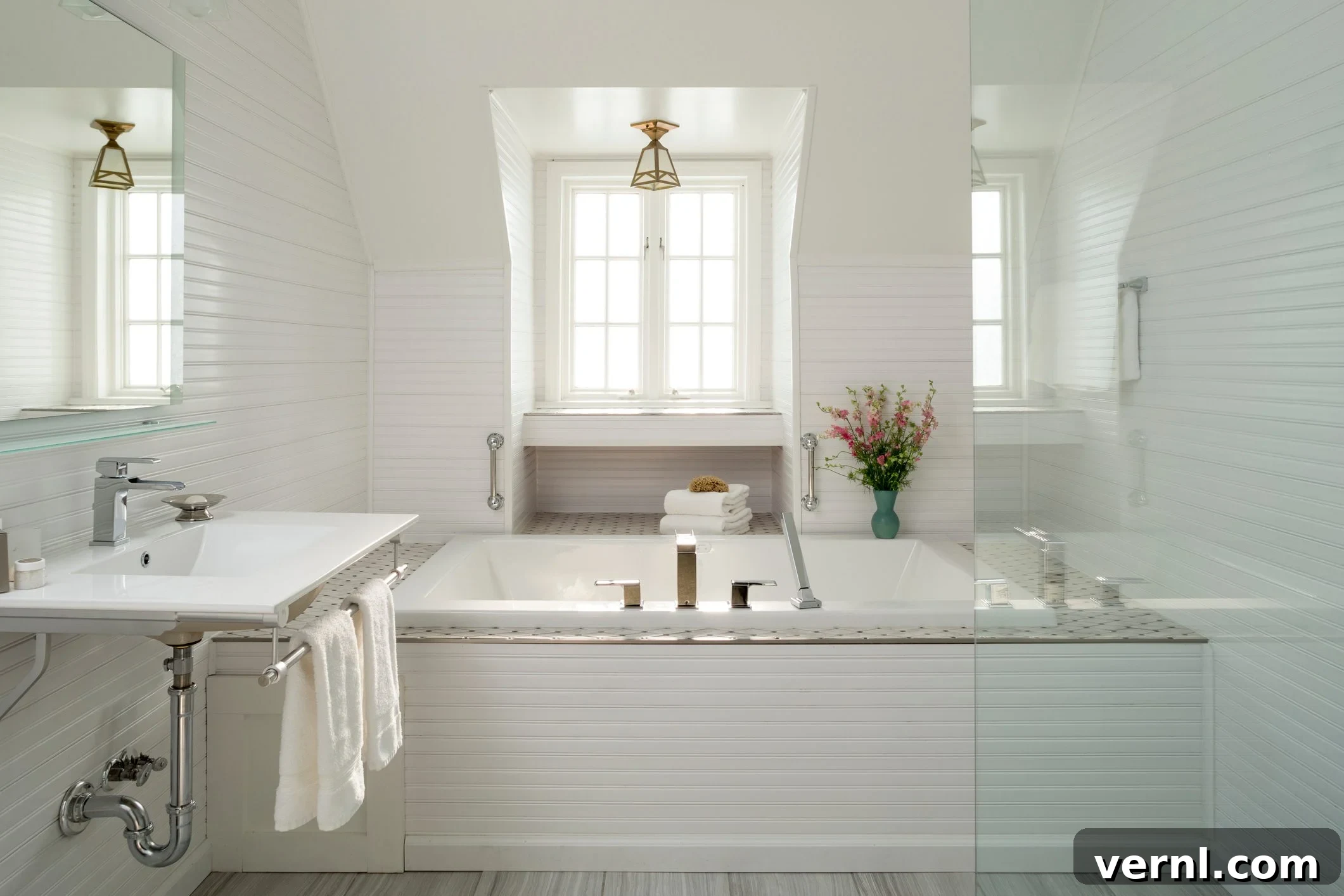
Transform Your Bathroom with a Luxurious Drop-In Bathtub: Your Ultimate Guide
Craving a luxurious escape right in your own home? Imagine unwinding after a long day in a personal spa oasis. While a full home spa might seem like a distant dream, achieving that serene ambiance is closer than you think. Consider embracing the elegance and comfort of a drop-in bathtub – a sophisticated and often more affordable alternative to many standard bathtub types. These distinctive tubs are designed to transform your ordinary bathroom into a tranquil retreat, offering a true spa experience without requiring a complete overhaul.
But what exactly makes a drop-in tub so special, and how can it elevate your daily routine? Let’s delve into the world of drop-in bathtubs, exploring their unique features, installation process, and why they might be the perfect choice for your next bathroom renovation.
What Exactly Is a Drop-in Bathtub?
At its core, a drop-in bathtub is essentially a self-contained tub shell. Unlike freestanding or alcove tubs which feature finished exterior sides, a drop-in tub is designed without exterior paneling. It typically includes a structural base or feet and a rim, but its beauty lies in how it’s integrated into your bathroom’s design. This “shell” is then “dropped” into a custom-built, raised platform or deck, which artfully conceals the plumbing and the unfinished sides of the tub. This innovative design creates a seamless, built-in look that can be customized to match your bathroom’s aesthetic perfectly.
This surrounding deck serves multiple purposes. Beyond hiding the functional components, it provides a practical surface for bath essentials, a comfortable place to sit while entering or exiting the tub, and a cohesive design element that ties the tub into the overall room. It’s crucial to understand that while the platform deck surrounds and finishes the tub’s appearance, the tub itself rests directly on the bathroom floor, which bears the weight. The deck’s primary role is aesthetic integration and practical access.
Distinctive Features of Drop-in Bathtubs
The versatility of drop-in bathtubs is one of their most appealing aspects. Your personal preferences, desired level of luxury, and budget will ultimately guide your choice. Here’s a closer look at the features that make these types of tubs so popular:
Materials: The Foundation of Your Bath Experience
When selecting a drop-in tub, the primary material choices are centered around durability, appearance, and heat retention. According to Chuck Khiel, vice president of Fred Home Improvement in Bethesda, Maryland, “For drop-in tubs, you really just have two options—acrylic or cast iron.”
- Acrylic: The most popular choice due to its balance of cost-effectiveness, lightweight nature, and versatility. Acrylic tubs are warm to the touch, resistant to chipping and cracking, and come in a vast array of shapes and sizes. Their lighter weight also simplifies the installation process, reducing labor costs.
- Cast Iron: A premium option known for its exceptional durability, superior heat retention, and classic, substantial feel. Cast iron tubs are typically more expensive to purchase and significantly heavier, requiring more robust support and additional labor for installation. However, their longevity and ability to keep bathwater warmer for longer often justify the investment for those seeking a truly luxurious and enduring fixture.
Beyond the tub itself, the surrounding deck also plays a crucial role in both aesthetics and functionality. These decks are typically constructed from wood, then finished with materials such as ceramic or porcelain tile, natural stone (like marble or granite), or modern solid surface materials. “Polymer quartz is popular right now,” notes Khiel, highlighting the trend towards sleek, durable finishes. You can also opt for a combination, perhaps with a tiled top surface and elegant wood paneling on the sides to create a unique and sophisticated look.
Styles: Tailoring Your Hydrotherapy Experience
Drop-in tubs offer a diverse range of styles, each designed to provide a specific kind of bathing experience:
- Soaking Tubs: These are designed for deep immersion and ultimate relaxation. Characterized by their extra depth and often a comfortable slanted back, soaking tubs allow bathers to submerge their entire body, promoting stress relief and muscle relaxation. Faucets are typically positioned at one end, though central placement is also an option, making them ideal for single or dual bathers. Khiel emphasizes their popularity, stating, “Soaking tubs are super-popular these days… And we’re doing a lot of projects replacing older whirlpools with soaking tubs.”
- Jetted Styles: For those seeking therapeutic benefits, jetted tubs come in various configurations:
- Whirlpool Tubs: These classic jetted tubs feature powerful water jets strategically placed to deliver a focused, invigorating massage, targeting specific muscle groups.
- Air-Jetted Tubs: Offering a gentler, effervescent experience, air-jetted tubs release thousands of warm air bubbles from the tub floor, creating a soothing, full-body massage that can be incredibly relaxing.
- Heated Jetted Tubs: For extended comfort, some jetted tubs include an in-line heater that maintains the water temperature, ensuring your hydrotherapy session remains perfectly warm from start to finish.
- Japanese-Style Tubs: Also known as Ofuro tubs, these feature a deep basin and often an integrated bench, allowing for a unique, upright full-body soak. The water level can reach up to your shoulders while you are in a seated position, offering a profoundly relaxing and space-efficient bathing solution, particularly for smaller bathrooms that still desire a deep soaking experience.
Shapes: Defining Your Bathroom’s Aesthetic
While the custom deck allows for extensive design flexibility, the tubs themselves typically come in classic, foundational shapes:
- Rectangular: The most common and versatile shape, fitting well into various bathroom layouts.
- Oval: Offers a softer, more organic aesthetic, often associated with modern or transitional designs.
- Round: A statement piece that creates a luxurious focal point, ideal for larger bathrooms.
Sizes: Customization for Any Space
One of the significant advantages of drop-in bathtubs is the sheer variety of sizes available, making them adaptable to almost any bathroom dimension. “I’ve seen them less than five feet long (five feet is standard tub size) up to seven feet long, and as small as 23 inches wide up to 36 inches wide,” Khiel remarks. This extensive range means you can find a tub that perfectly suits your available space, whether you’re installing it within an alcove setting or as a prominent feature out in the room. The ability to customize both the tub’s dimensions and the surrounding deck ensures a truly bespoke fit.
The Advantages of Choosing a Drop-in Bathtub
Embracing a drop-in tub brings a wealth of benefits to your bathroom:
- Extensive Size Options: As highlighted, the vast range of sizes ensures a perfect fit for nearly any bathroom layout, from compact to grand.
- Customizable Surround: The ability to build a custom deck around the tub allows for seamless integration into your bathroom’s design. This deck can be tailored with various materials, colors, and even built-in shelving or seating, creating a cohesive and personalized look.
- Luxurious and Integrated Appearance: Drop-in tubs inherently offer a high-end, built-in aesthetic that elevates the entire bathroom. They exude sophistication and provide a focal point that feels intentional and luxurious.
- Deeper Soaking Experience: Many drop-in models are deeper than conventional tubs, providing an immersive soaking experience that promotes relaxation and therapeutic benefits.
- Enhanced Features: Beyond just depth, these tubs often come with options for invigorating jets, soothing air bubbles, and in-line heaters for extended comfort, truly delivering a spa-like experience at home.
Considerations Before Installing a Drop-in Bathtub
While the allure of a drop-in tub is strong, it’s important to be aware of certain aspects:
- Higher Overall Cost: Drop-in bathtubs are generally more expensive than basic classic bathtubs. This isn’t just due to the tub itself, but also the significant costs associated with custom deck construction, specialized installation labor, and the finishing materials for the surround.
- Requires More Space: The addition of a surrounding deck means that drop-in tubs typically demand more floor space than a standard alcove tub or even some freestanding models. Careful planning is essential to ensure it fits comfortably within your bathroom’s dimensions.
- Challenging Plumbing Access: Because the plumbing is concealed within the custom deck, accessing it for future repairs or maintenance can be more difficult. This necessitates meticulous planning during installation, including the crucial inclusion of an easily accessible panel.
The Installation Process: How to Install a Drop-in Bathtub
Installing a drop-in bathtub is a project that requires precision and careful planning, whether you’re building a new bathroom or renovating an existing one. Khiel outlines the essential steps:
- Rough-in the Plumbing: Begin by precisely roughing in the plumbing lines to the exact location where the tub faucet and drain will be situated. It is paramount to follow the manufacturer’s instructions for both the tub and the chosen faucet to ensure proper function and adherence to building codes.
- Construct the Platform Deck Framing: Build the sturdy wooden framework for the custom platform deck. This frame must be structurally sound and perfectly level. Critically, plan for and integrate an access panel into the design during this stage. Neglecting an access panel can lead to significant headaches and costly demolition if plumbing issues arise in the future.
- Create a Template (for Solid Surfaces): If you plan to use a solid surface material like quartz or granite for the deck finish, create a precise template of the tub’s opening and the deck’s shape. This template will be sent to a fabricator to custom-cut the finishing material, ensuring a perfect fit.
- Drop in the Tub: Carefully lower the tub into the framed opening. The tub should rest securely on its feet directly on the bathroom’s subfloor, which must be level and capable of supporting the tub’s weight when filled with water and a bather. If the floor isn’t perfectly level, shims can be used for minor adjustments, as Khiel advises. Apply a high-quality sealant around the rim of the tub where it meets the deck to prevent any water from seeping into the structure below.
- Install the Access Panel: Once the tub is in place and sealed, build and install the access panel. This panel should be discreetly located but easily removable, providing convenient access to the plumbing for any future maintenance or repairs without damaging the deck’s finished surface.
- Apply Finishing Materials and Seal: Finally, top the deck with your chosen finishing material—be it tile, natural stone, or solid surface. Carefully seal all joints between the finishing material and the tub rim, as well as any other seams, using a waterproof caulk to create a durable, watertight, and aesthetically pleasing finish.
Frequently Asked Questions About Drop-in Bathtubs
Why Are Drop-in Tubs Generally More Expensive?
The cost of a drop-in tub encompasses more than just the price of the tub shell itself. While a standard-size, basic white acrylic drop-in tub might start around $550, prices can escalate significantly, reaching $3,000 to $3,500 for cast iron models. Basic whirlpool drop-ins begin at approximately $1,500, but the best jetted tubs with advanced features can cost as much as $5,000.
The higher expense primarily stems from several factors: the need for a custom-built platform deck, the associated labor costs for carpentry and finishing, the specialized installation of the tub itself, and the premium materials often chosen for both the tub and its surround. Furthermore, luxurious features like hydro-massage jets, air systems, in-line heaters, and chromotherapy lighting add to the overall investment. When planning your bathroom upgrade, it’s crucial to factor in not just the tub’s price but also the extensive labor and material costs for the complete custom installation.
What Are the Key Advantages of a Drop-in Tub?
Drop-in bathtubs offer a compelling blend of design and functionality. Their primary advantages include:
- Seamless Design Integration: They allow for a cohesive, built-in look that can be customized to flow perfectly with your bathroom’s overall aesthetic. This integrated design often makes the bathroom feel larger and more luxurious.
- Increased Depth for Soaking: Most drop-in models are designed for deeper immersion, providing a superior soaking experience that promotes relaxation and therapeutic benefits.
- Enhanced Luxury Features: They frequently come with options for advanced hydrotherapy features like whirlpool jets, air jets, and in-line heaters, transforming a simple bath into a spa-like retreat.
- Customization Opportunities: The surrounding deck offers unparalleled opportunities for customization in terms of materials, finishes, and the addition of practical elements like built-in storage, shelving, or even a comfortable bench.
- Potential Resale Value: A beautifully designed and well-installed drop-in tub can be a significant selling point, adding perceived value and luxury to your home.
What Is Required for Support Underneath a Drop-in Tub?
For safe and functional installation, proper support underneath a drop-in tub is absolutely critical. While the tub shell itself usually has feet or a structural base, the primary support comes from the bathroom’s subfloor. The floor must be level, structurally sound, and capable of handling the combined weight of the tub, water, and bathers. In some cases, floor reinforcement may be necessary, especially for heavier materials like cast iron or larger tubs.
The surrounding wood framework of the custom deck also provides indirect support and stability, encasing the tub securely. Additionally, some installers may use mortar, cement, or high-density foam insulation beneath the tub’s base to provide additional, continuous support, prevent flexing, reduce noise, and enhance heat retention. This comprehensive support system ensures the tub remains stable and durable for years of enjoyable use.
Where to Buy a Drop-in Bathtub
Acquiring a drop-in bathtub is the first step toward your personal spa sanctuary. As previously mentioned, a basic drop-in tub can start around $550, but prices can vary significantly based on the model, material, features, and brand you select. You can explore a wide range of options at major home improvement retailers like Home Depot and Lowe’s, both in-store and through their extensive online catalogs. These retailers often carry models that range from $600 to $700 for solid, reliable choices.
For an even broader selection, including more specialized designs and luxury brands, consider online marketplaces such as Amazon or dedicated manufacturers like Kohler, which offer a diverse array of styles and price points. When purchasing, it’s wise to visit showrooms if possible to see the tubs in person, assess their size and feel, and consult with specialists. Always consider warranty, delivery options, and return policies before making your final decision. Investing in a high-quality drop-in tub is an excellent way to elevate your bathroom, providing a luxurious fixture you’re sure to enjoy for many years to come.