Ensuring the longevity and efficiency of your septic system is a far simpler and less expensive endeavor than many homeowners realize. Neglecting this vital component of your home’s infrastructure, however, can lead to devastating consequences and exorbitant repair costs, potentially reaching tens of thousands of dollars for excavation and replacement. This comprehensive guide will empower you with the knowledge and practical tips needed to maintain a healthy septic system, safeguard your property, and protect your finances.
What Exactly Is a Septic System? An Essential Home Component
For homes not connected to a municipal water and sewer system, a septic system serves as the primary and most crucial method for treating and disposing of all household wastewater. This includes water from your bathrooms, kitchen, and laundry room, effectively managing all liquid waste generated within your residence. Understanding its basic operation is the first step toward effective maintenance.
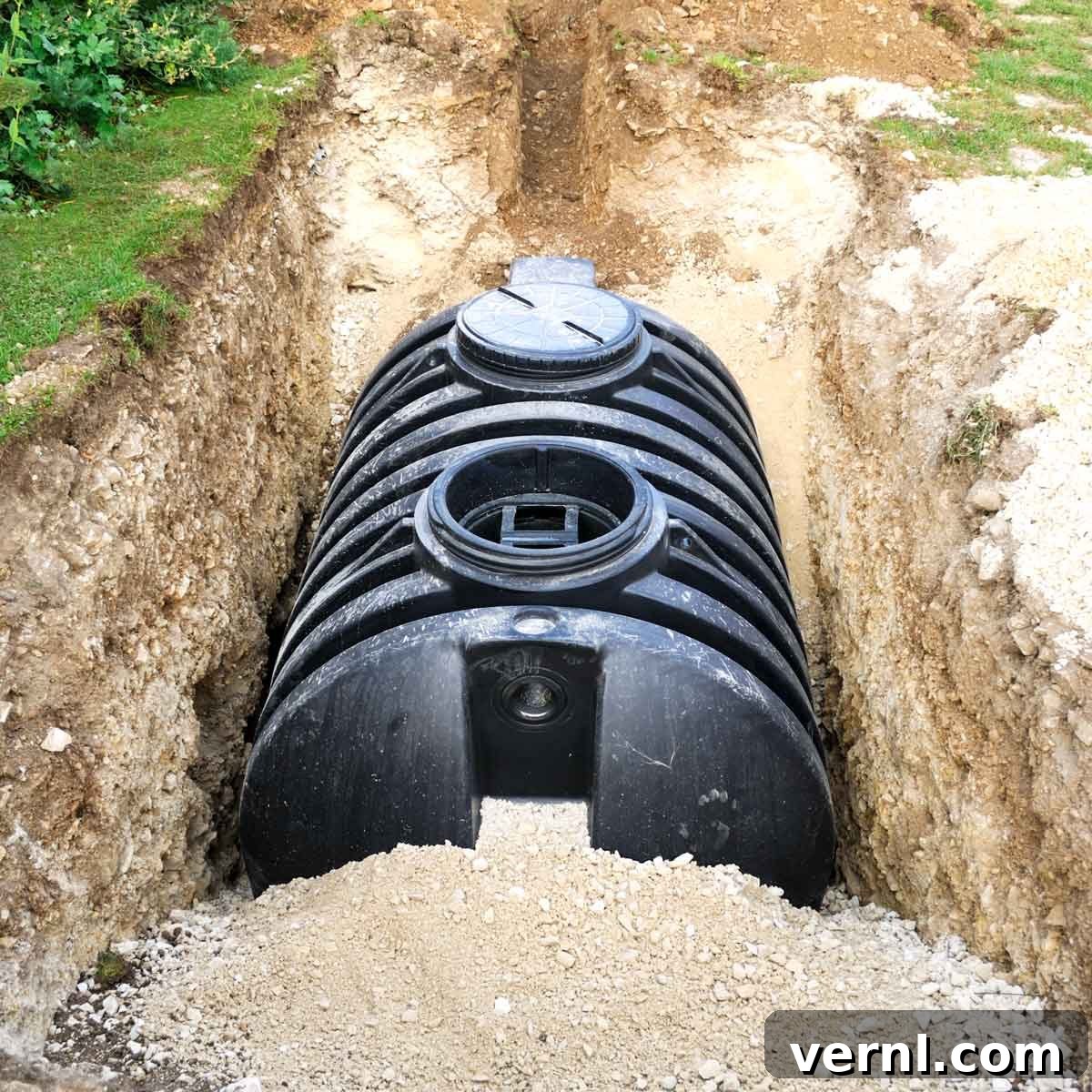
A typical septic system comprises two main components: the septic tank and the drain or leach field. Wastewater from your home flows into the septic tank, an underground, watertight container, usually made of concrete, fiberglass, or plastic. Inside the tank, a natural separation process occurs: heavier solids settle to the bottom, forming a layer of sludge, while lighter materials like grease and oil float to the top, creating a scum layer. The liquid wastewater, known as effluent, remains in the middle. Microorganisms naturally present in the wastewater play a vital role here, breaking down organic matter in the effluent through anaerobic digestion.
Once partially treated in the tank, the effluent flows out into the drain or leach field. This area consists of a network of perforated pipes buried in trenches filled with gravel. The effluent slowly seeps out of these pipes and into the surrounding soil. Here, the soil acts as a natural filter, and aerobic bacteria (bacteria that require oxygen) further treat the wastewater, removing remaining impurities before it eventually evaporates or recharges the groundwater. The integrity and proper functioning of both the tank and the drain field are paramount for effective wastewater treatment and environmental safety.
Getting Acquainted: The First Step in Septic System Maintenance
Effective septic system maintenance begins with a thorough understanding of your specific setup. This involves knowing how your septic tank functions, identifying the type of system installed on your property, and, critically, knowing its precise location. Different septic system types, such as conventional, aerobic, or mound systems, have unique maintenance requirements. Ignorance of your system’s specifics can lead to improper care and premature failure.
Because state and local laws mandate permits for septic system installations, your county or town records office should have documentation detailing the permit and a map illustrating your tank’s layout and exact location on your property. This is often the most reliable way to find it. In the absence of official records, you might find visual clues, such as accessible sewer covers in your yard. Alternatively, by observing the direction the main sewer pipe exits your home, usually from the basement or crawl space, you can often approximate the tank’s general direction. Familiarizing yourself with these details is invaluable for routine maintenance and troubleshooting.
Routine Pumping: The Cornerstone of Septic System Health
Regular septic tank pumping is arguably the most critical aspect of septic system maintenance. For the average household, it’s recommended that your septic tank be pumped—meaning the accumulated solids (sludge and scum) are removed—every three to five years. This frequency can vary based on several factors, including the number of occupants in your home, the size of your septic tank, and the presence and usage frequency of a garbage disposal.
The average cost for pumping a residential septic tank typically ranges between $300 and $600, a modest investment compared to the potential costs of system failure. When you engage a professional septic service provider, their visit should encompass more than just pumping. They will also conduct a thorough inspection for leaks, examine the condition of baffles (components that prevent solids from exiting the tank), and measure the thickness of the sludge and scum layers. This inspection provides valuable insights into your system’s health and helps anticipate potential issues before they escalate.
It is paramount to meticulously save ALL maintenance records for any work performed on your septic system. These records serve as a historical log, proving invaluable for diagnosing future problems, demonstrating proper care during a home inspection, or enhancing your property’s value when you decide to sell your house. A well-maintained and documented septic system is a significant asset.
Optimize Water Usage: Distribute Laundry and Dishwasher Loads
While having a dedicated “laundry day” or running your dishwasher multiple times on a single day might seem like an efficient way to manage household chores, it places immense stress on your septic system. Concentrating high volumes of water usage within a short period can lead to what is known as “hydraulic overload.”
Your septic system, particularly the drain field, requires adequate time to process the incoming wastewater effectively. Overloading the system can saturate the drain field, preventing proper treatment and potentially leading to premature system failure, foul odors, or even sewage backups into your home. Instead, adopt a strategy of spreading out your water-intensive activities throughout the week. For example, do a full load of laundry every couple of days rather than several loads all at once. This ensures you’re not wasting water with partial loads, while also giving your septic system the necessary recovery time between cycles. Consider investing in high-efficiency washing machines and dishwashers, which significantly reduce water consumption, further easing the burden on your septic system.
Your Toilet is Not a Trash Can: Understanding Flushable Limits
This rule is simple yet frequently violated: the ONLY thing that should be flushed down your toilet, aside from human waste, is toilet paper. Period. Treating your toilet as a secondary trash can introduces a host of problems for your septic system, leading to blockages, pump failures, and expensive repairs.
Items such as tissues, paper towels, “flushable” wipes (which are often anything but flushable), diapers, feminine hygiene products, cotton swabs, dental floss, hair, and even cigarette butts are not designed to break down in the septic tank. Unlike toilet paper, which is specifically engineered to disintegrate rapidly in water, these items accumulate, form dense clogs, and disrupt the delicate balance of bacteria essential for wastewater treatment. They can also damage the pump if your system has one, or block the inlet and outlet baffles of the septic tank, causing backups.
When selecting toilet paper, opt for varieties specifically labeled as “septic-safe.” Some lush, expensive brands that contain lotions, dyes, or have multiple plies can take longer to break down or introduce unwanted chemicals into your system. Simple, single-ply, biodegradable toilet paper is always the safest choice for a healthy septic system.
Mind the Drain: What Goes Down Your Kitchen Sink Matters
The kitchen sink often becomes a convenient conduit for disposing of various items that can wreak havoc on a septic system. What you pour or wash down your kitchen sink drain directly impacts the health and longevity of your septic tank and drain field. Developing good kitchen habits is crucial.
Never wash insoluble items like coffee grounds, eggshells, fruit and vegetable peels, produce stickers, flour, or pasta down the sink. These materials do not break down easily in the septic tank; they contribute to the sludge layer, can clog pipes, or block screens and baffles, leading to system inefficiencies or failures. Instead, dispose of these items in the trash or, better yet, compost them.
Furthermore, avoid discarding any type of oil, including cooking oil, motor oil, paint, grease, and fat. These substances solidify in cooler pipes, creating blockages. In the septic tank, they contribute to an excessively thick scum layer, which can eventually overflow into the drain field, leading to severe clogs and system contamination. Even dairy products like milk, cream, and butter are problematic. The high organic content and the anaerobic environment of the septic tank make it difficult for dairy products to break down effectively, adding an unnecessary organic load to the system.
If you use a garbage disposal with a septic tank, it’s vital to be extra vigilant. While convenient, garbage disposals grind food particles into smaller pieces, but these still contribute significantly to the layer of solids deposited on the bottom of your tank. This accelerates sludge accumulation, necessitating more frequent septic tank pumping. Homeowners with garbage disposals might need to pump their tanks annually or biennially. Ideally, minimize garbage disposal use and ensure that only easily biodegradable food scraps are introduced. To truly understand the full mechanism, re-familiarize yourself with how a septic tank works to appreciate these impacts fully.
Chemical Caution: Protecting Your Septic System’s Microbiome
The health of your septic system relies heavily on a thriving community of beneficial bacteria within the tank. These microorganisms are responsible for breaking down solid waste. Unfortunately, many common cleaning products used by homeowners can be highly detrimental to this delicate microbial ecosystem, effectively killing off the very bacteria needed for proper wastewater treatment.
It is strongly advised to avoid using harsh chemicals like bleach when washing clothes. If absolutely necessary, use bleach sparingly and infrequently. Bleach and other strong disinfectants can sterilize your septic tank, halting the essential decomposition process. Similarly, never use chemical drain cleaners to clear clogs. These highly corrosive products not only obliterate beneficial bacteria but can also cause significant damage to your plumbing pipes and even the septic tank itself. If a plunger doesn’t resolve a clog, opt for a mechanical solution like a toilet drain snake, which is effective for clearing blockages in toilets, kitchen, and bathroom sinks without introducing harmful chemicals. Many toilet bowl cleaners also contain bleach and other powerful disinfectants; avoid their regular use. Furthermore, steer clear of antibacterial soaps and disinfectants containing quaternary ammonia, as these chemicals are designed to kill bacteria and will similarly disrupt your septic system’s biological balance.
Fortunately, there is a growing array of natural or plant-based cleaning product alternatives that are effective and safe for septic systems. These eco-friendly options allow you to maintain a clean home without compromising the health of your septic system’s vital microorganisms.
Protect Your Drainfield: The Final Stage of Wastewater Treatment
The drainfield (also known as the leach field) is the final and often most vulnerable component of your septic system. Its proper maintenance is crucial for effective wastewater treatment and preventing groundwater contamination. As mentioned, closely monitoring water usage and being mindful of what enters your septic system are the first lines of defense for your drainfield.
Physical protection of the drainfield is equally important. Never drive or park vehicles, heavy equipment, or even ride-on lawnmowers over this area. The weight can compact the soil, reducing its ability to absorb and treat wastewater, and can also damage the underground pipes, leading to costly repairs. Similarly, avoid constructing sheds, patios, or any other structures on top of the drainfield.
Ensure that all excess surface water is diverted away from the drainfield. This means positioning gutters and sump pump discharge pipes far from the area. Excessive water saturation from heavy rainfall or irrigation can hydraulically overload the drainfield, hindering its ability to function correctly and potentially causing effluent to surface. Lastly, be mindful of landscaping. Avoid planting trees and shrubs with extensive root systems near the drainfield. Tree and shrub roots naturally seek out water and nutrients, and they can aggressively invade and clog the perforated pipes, causing blockages and severe damage to the entire system. Opt for shallow-rooted grasses or small perennial flowers that pose less risk to the underground infrastructure. Proper drainfield care ensures the long-term effectiveness of your entire septic system.
Conclusion: Invest in Preventative Septic Care
Caring for your septic system doesn’t have to be an overwhelming or expensive task. By understanding its basic functions and committing to a few simple, preventative maintenance habits, homeowners can significantly extend the life of their system, avoid costly repairs, and ensure the health and safety of their property and the environment. From regular pumping and mindful waste disposal to careful chemical usage and protecting your drainfield, each step contributes to a robust and efficient septic system.
Embrace these best practices as an essential part of your homeownership responsibilities. The minor effort and expense invested in routine septic system maintenance today will undoubtedly save you thousands of dollars and countless headaches down the line, ensuring your home’s hidden wastewater treatment plant continues to perform flawlessly for decades to come.