
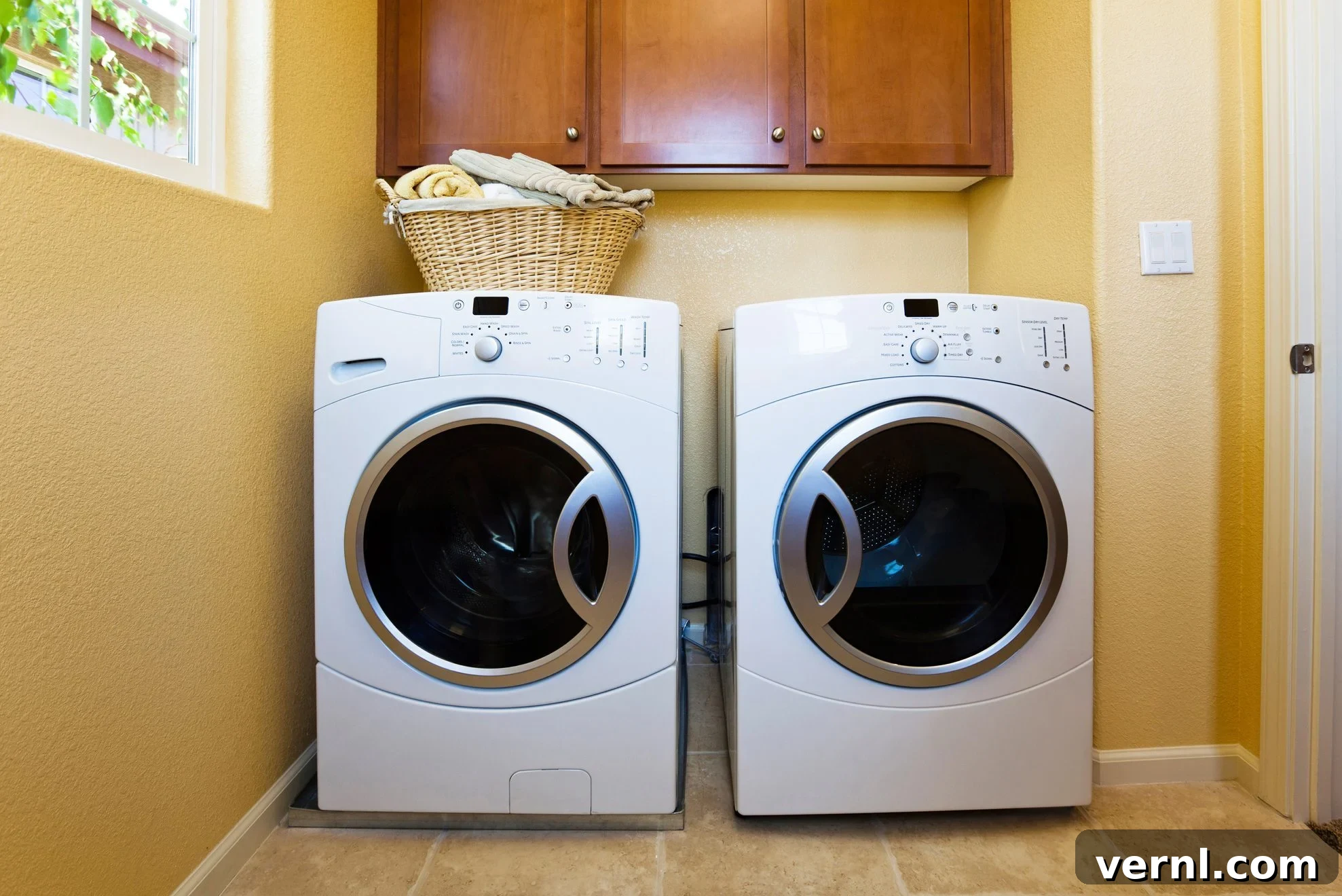
Electric Dryers: Your Comprehensive Guide to Modern Laundry Solutions
The landscape of home appliances is undergoing a significant transformation, driven by a global push towards environmental sustainability and heightened energy efficiency. As concerns over potential health impacts and climate issues associated with natural gas continue to grow, many U.S. cities and communities are actively implementing policies to curb its use. This includes banning gas-powered appliances in new construction projects or offering robust incentive programs to encourage the gradual phase-out of existing gas infrastructure. This pivotal shift is paving the way for a future predominantly reliant on electric solutions, with electric dryers rapidly emerging as a popular and sustainable choice for homeowners seeking efficient and eco-conscious laundry solutions.
Electric dryers operate on a fundamentally different principle than their gas counterparts. Instead of generating heat through a gas jet and combustion, electric models employ a sophisticated heating element, typically a durable coiled wire. This element efficiently converts electrical energy into thermal energy, which is then propelled into the dryer drum by a powerful blower. This circulated hot air works to effectively evaporate moisture from your garments, leaving them perfectly dry and fresh. Understanding this core mechanism is crucial for appreciating the distinct operational advantages and installation considerations associated with modern electric dryers.
Distinguishing Your Dryer Type: Electric vs. Gas
Accurately identifying whether a dryer is electric or gas is the first vital step for proper installation, maintenance, and safety. The most straightforward method involves inspecting the rear of the appliance or the designated hookup area in your laundry room. A gas dryer will invariably have both a gas hookup, which typically appears as a sturdy, flexible gas line (often yellow or black), and a standard electrical plug. Conversely, an electric dryer will only require an electrical connection, lacking any gas line attachment.
According to Ron Shimek, president of Mr. Appliance, a trusted Neighborly company, the electrical plugs themselves provide an unmistakable visual cue. Shimek explains, “A gas dryer typically utilizes a standard electrical plug, similar to what you would find on many other common household appliances, designed for a 110V or 120V outlet.” He continues, “In contrast, an electric dryer is characterized by a larger, heavy-duty plug, featuring either three or four robust prongs. This specialized plug is engineered to connect to a dedicated 240V outlet and cannot be safely or functionally plugged into a conventional 110V household outlet. This physical difference is a definitive indicator of the dryer’s power requirements and should never be overlooked.”
The Indispensable Role of Venting in Electric Dryers
A frequent query among potential electric dryer owners concerns venting requirements. For the vast majority of conventional electric dryers, the answer is an emphatic yes. As laundry dries, the machine generates significant amounts of warm, moist air saturated with water vapor and microscopic lint particles. This humid air absolutely must be exhausted outside your home to prevent a range of issues. Shimek underscores the primary risk: “Without adequate venting, that moisture would rapidly accumulate within the confined space of your laundry room, creating an ideal breeding ground for mold and mildew. This can lead to unpleasant musty odors, potential damage to your home’s structural integrity, and adverse health effects for occupants.”
Beyond moisture management, proper venting is also crucial for fire safety. Lint, a highly flammable material, collects within the dryer and its vent path. A clear, unobstructed vent significantly reduces the risk of dryer fires by ensuring lint is expelled and doesn’t build up to dangerous levels. Furthermore, efficient venting contributes to optimal dryer performance and energy efficiency by allowing moist air to escape quickly, thereby shortening drying cycles and reducing energy consumption. While ventless dryer technologies offer an alternative, it’s important to recognize their distinct operational characteristics. Traditional condenser ventless dryers, for example, typically require considerably longer drying times because they recirculate and cool the air internally to condense moisture, which then necessitates manual draining or a connection to a drain line. More advanced heat pump ventless dryers offer superior energy efficiency but still operate without external venting and may have different drainage requirements. P.S. If you’re passionate about energy conservation and exploring eco-conscious alternatives, discovering how to dry clothes without a dryer can be an empowering step towards a more sustainable lifestyle.
Powering Your Electric Dryer: Why a Regular Outlet Isn’t Enough
One of the most critical aspects differentiating electric dryers from many other household appliances is their substantial electrical power demand. Unlike standard devices that operate on a 110V or 120V circuit, electric dryers necessitate a dedicated 240V circuit. This higher voltage supply is essential for two key reasons: to efficiently power the robust heating element that generates the intense heat required for effective drying, and to drive the powerful motor that tumbles the clothes. Attempting to connect an electric dryer to a standard 110V outlet will not only prevent the appliance from functioning but also poses severe electrical hazards. In the best-case scenario, the circuit breaker for that outlet will immediately trip, cutting power and preventing damage. However, if the breaker malfunctions or is improperly rated, the overloaded circuit could overheat, potentially igniting an electrical fire. Therefore, verifying that your laundry area is equipped with a properly installed 240V outlet, connected to its own dedicated circuit, is an absolute prerequisite for the safe and reliable operation of an electric dryer.
For homes that do not currently possess a 240V outlet in the designated laundry space, professional installation by a licensed electrician is typically required. This process generally involves running new heavy-gauge wiring from your home’s main electrical panel, installing a new dedicated circuit breaker, and fitting the appropriate 240V receptacle. While this might incur an additional upfront cost, it is an indispensable investment that ensures the safety, efficiency, and longevity of your electric dryer, safeguarding your home and family.
The Efficiency Debate: Electric vs. Gas Dryers
The question of whether an electric dryer is intrinsically more efficient than a gas dryer is complex and relies heavily on the specific technologies being compared and the definition of “efficiency.” Historically, gas dryers were often perceived as superior in efficiency due to their ability to achieve higher operating temperatures more rapidly, leading to shorter drying times. Shimek points out that traditional electric dryers, which rely on resistive heating elements, “typically take longer to reach their optimal operating temperature and may not get as hot as gas dryers, necessitating longer run times to thoroughly dry the same volume of clothing.” For conventional electric models, this extended operational period can indeed translate to higher electricity consumption per load when pitted against a gas dryer of comparable age and design.
However, this perspective overlooks significant technological advancements, particularly the advent of heat pump electric dryers. Heat pump dryers represent a paradigm shift in energy efficiency. Rather than directly heating air with an element, they function much like a refrigerator in reverse, extracting heat from the surrounding air and using it to dry clothes in a closed-loop system. This innovative process dramatically reduces energy consumption, often by 30-50% compared to standard electric or gas dryers. While heat pump models may have slightly longer cycle times, their reduced energy footprint leads to substantial long-term savings on utility bills, making them an exceptionally attractive option for environmentally conscious consumers. Furthermore, the broader environmental impact of an electric dryer is also contingent on the energy grid’s composition. In regions where electricity is increasingly generated from renewable sources, an electric dryer – even a conventional one – can boast a significantly lower carbon footprint than a gas dryer, irrespective of the instantaneous energy consumption per cycle.
Key Considerations When Investing in an Electric Dryer
Acquiring a new electric dryer represents a substantial investment in your home’s functionality and efficiency. To ensure you select the model that best aligns with your unique needs and lifestyle, a thorough evaluation of various features and specifications is essential. Here’s an in-depth guide to help you navigate the options and make an informed decision:
1. Power Source Availability and Installation Readiness
This is arguably the most foundational aspect to address before even beginning your dryer search. Critically assess your laundry room’s current electrical infrastructure. Do you already have a dedicated 240V outlet installed and properly wired? If this crucial component is absent, you must factor in the additional cost and potential logistical complexities of having a licensed electrician install one. The installation process for a new 240V circuit involves running new wiring from your main electrical panel, installing a specific circuit breaker, and fitting the appropriate receptacle, which can add several hundred dollars to your overall budget. If installing a 240V outlet proves impractical, prohibitively expensive, or impossible (e.g., for renters with landlord restrictions), a gas dryer might remain a more convenient option, assuming a gas line is already present. Understanding your electrical readiness upfront will prevent considerable frustration and unforeseen expenses down the line. As you consider these practicalities, learning why your dryer is squeaking and how to address it can be useful for future maintenance.
2. Physical Size and Laundry Room Dimensions
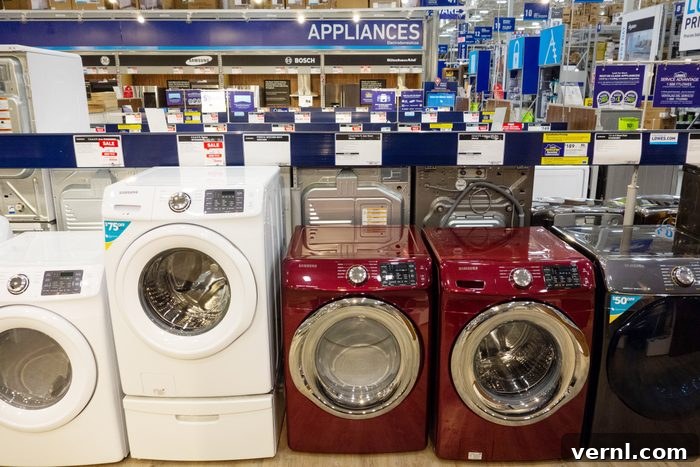
Beyond simply ensuring the dryer fits into a designated alcove, Shimek also strongly advises a meticulous consideration of the appliance’s overall physical dimensions. Precisely measure the available space in your laundry room, taking into account width, depth, and height. Remember to allow ample clearance for the dryer door to swing open fully (especially for front-loading models) and sufficient room for utility hookups at the rear. Crucially, you will need at least four feet of unobstructed space directly in front of the dryer to facilitate comfortable and ergonomic loading and unloading of your laundry baskets. Neglecting these spatial considerations can result in a cramped and inconvenient laundry area, hindering your daily routine and potentially leading to frustrating experiences.
3. Optimal Drying Capacity Tailored to Your Household
The internal capacity of your dryer drum plays a pivotal role in achieving efficient drying results and overall appliance performance. Shimek recommends, “Carefully assess the number of individuals residing in your home and your typical weekly laundry volume, specifically how many loads you anticipate needing to dry at any given time.” A reliable guideline is to select a dryer with approximately twice the cubic footage of your washing machine’s capacity. For example, if you own a 3.5 cubic foot washer, target an electric dryer with a minimum of seven cubic feet of capacity. This generous sizing allows garments to tumble freely, promoting superior airflow, significantly faster drying times, and fewer wrinkles. Conversely, habitually overloading a dryer, irrespective of its capacity, invariably leads to inefficient drying, increased energy consumption, and can prematurely diminish the lifespan of your appliance.
4. Vented vs. Ventless Technology: A Modern Choice
While the vast majority of electric dryers currently available are conventional vented models requiring an exhaust duct to the exterior of your home, innovative ventless options are becoming increasingly popular. These are particularly well-suited for specific living arrangements and structural limitations, such as apartments, condominiums, or homes where installing exterior ductwork is either impractical, prohibited by local building codes, or structurally challenging (e.g., for renters or those with architectural constraints). Ventless dryers, instead of expelling hot, moist air outdoors, ingeniously recirculate that air through the dryer drum. The moisture is then condensed into water, which either collects in a readily accessible, removable drawer or is automatically pumped out through a drain hose, similar to a washing machine. It’s important to acknowledge that ventless dryers typically require longer drying times compared to their vented counterparts and may come with a higher initial purchase price. However, they offer unparalleled flexibility in terms of installation location within your home. Before committing to a purchase, it’s highly recommended to understand everything you need to know about ventless washer-dryer combos, which integrate both functions into a single, compact unit.
5. Advanced Settings and Smart Features for Enhanced Laundry Care
Modern electric dryers are equipped with a dazzling array of sophisticated settings and smart features meticulously designed to elevate convenience, provide superior garment care, and optimize energy usage. When comparing models, consider which specific drying capabilities you anticipate utilizing regularly. Highly beneficial settings often include:
- Sensor Drying: This intelligent feature employs advanced moisture sensors to detect precisely when clothes are dry, automatically terminating the cycle. This prevents over-drying, which saves energy, protects delicate fabrics, and reduces wear and tear on your clothes.
- Delicate/Low Heat Cycles: Absolutely essential for safeguarding sensitive fabrics, such as silks, synthetics, and activewear, from potential damage caused by excessive heat.
- Wrinkle Guard/Steam Cycles: These thoughtful settings periodically tumble clothes without heat after the main drying cycle or introduce a burst of steam to effectively reduce wrinkles, significantly minimizing your ironing time.
- Refresh Cycles: Perfect for quickly fluffing up clean items, neutralizing light odors (e.g., from stored clothes), or gently de-wrinkling garments that have been left in the dryer for an extended period.
- Sanitation Cycles: Utilizing intensely hot air, these specialized cycles are engineered to eliminate a high percentage of germs and bacteria, providing an invaluable layer of cleanliness, particularly beneficial for baby clothing, towels, and linens.
- EcoBoost/Energy Saver Modes: While sometimes extending drying time slightly, these modes are designed to significantly reduce overall energy consumption, contributing to lower utility bills and a smaller carbon footprint.
- Smart Features and Wi-Fi Connectivity: Many high-end electric dryers now offer integrated Wi-Fi connectivity, enabling you to remotely monitor cycle progress, receive completion notifications, and even start or stop your dryer from anywhere via a dedicated smartphone application. Some models can seamlessly integrate with existing smart home systems for a truly connected experience.
Carefully considering which of these features best aligns with your personal laundry habits and preferences will empower you to select a dryer that not only performs its primary function flawlessly but also genuinely enhances your home life.
6. Energy Efficiency Ratings and Energy Star Certification
For environmentally conscious consumers and those prioritizing reduced utility expenses, scrutinizing the Energy Star certification is paramount. Electric dryers bearing the Energy Star label are independently certified to adhere to stringent energy efficiency guidelines established by the U.S. Environmental Protection Agency. These models typically incorporate cutting-edge technologies, such as advanced sensor drying systems that prevent over-drying, and highly efficient heating mechanisms (especially those utilizing heat pump technology), which collectively lead to substantial energy savings over the appliance’s operational lifespan. While Energy Star-rated dryers might sometimes carry a slightly higher initial purchase price, the cumulative long-term savings on electricity costs can often significantly offset this upfront investment, making them a wise economic and environmental choice.
7. Noise Level: Enhancing Home Comfort
If your laundry room is situated in close proximity to main living areas, bedrooms, or is part of an open-concept home layout, the operational noise level of your dryer can be a critical factor influencing overall home comfort. Manufacturers frequently provide decibel ratings (dBA) for their appliances, indicating their noise output. Prioritizing models with lower dBA ratings, or those specifically marketed as featuring “quiet operation” or “silent technology,” can significantly improve your living environment. Innovative features like anti-vibration technology, robust internal insulation, and advanced motor designs also contribute to mitigating operational noise, ensuring a more peaceful household.
8. Brand Reputation and Comprehensive Warranty Coverage
Before finalizing your purchase, conducting thorough research into the reputation of various appliance brands is a judicious step. Investigate their track record for reliability, product longevity, and the quality of their customer service. Reading reviews from other consumers can provide invaluable real-world insights into a particular model’s performance, durability, and any potential common issues. Furthermore, pay meticulous attention to the warranty package offered by the manufacturer. A longer or more comprehensive warranty, covering both parts and labor, can offer significant peace of mind and financial protection against unexpected repairs or defects during the appliance’s initial years of operation.
Conclusion: Embracing the Electric Future of Laundry
The transition towards electric appliances, particularly electric dryers, is far more than a passing trend; it signifies a tangible and impactful step towards creating more sustainable, energy-efficient, and healthier homes. While the initial considerations regarding power requirements, venting options, and technological nuances might appear intricate, a thorough understanding of these aspects empowers you to make an exceptionally informed decision. Modern electric dryers offer a compelling synthesis of advanced features, dramatically improved energy efficiency (especially when incorporating innovative heat pump technology), and substantial environmental benefits. By meticulously evaluating your specific needs in terms of available power infrastructure, physical space, drying capacity, preferred venting type, and desired smart features, you can confidently select an electric dryer that not only perfectly fulfills your laundry demands but also actively contributes to a greener, more energy-efficient, and future-ready household. Embrace the powerful and efficient electric future of laundry, tailored precisely for your home and lifestyle.