
According to the National Highway Traffic Safety Administration (NHTSA), traffic crashes are a leading cause of death, especially for teens. Every time you get behind the wheel you accept some level of risk. That risk grows when drivers lack experience or are at the extremes of age, and it increases further because of hazardous roads or poor choices while driving.
I consulted research, spoke with a PennDoT‑certified driver education instructor, and reviewed expert analysis to identify practical strategies that both new and experienced drivers can use to reduce crash risk. Below is a concise, actionable guide to the major risks and how to manage them.
Driving Can Be a Risky Business

Certain behaviors significantly increase the likelihood of collisions. That pattern explains why insurance premiums are higher for young drivers, decline in middle age, and then rise again for older drivers. Key contributors to crashes include:
Speeding
Exceeding safe speeds remains one of the most common critical errors in crashes. Driving too fast for the conditions reduces vehicle control, increases stopping distances, and raises the chance of running off the road. Even when posted limits exist, many drivers treat them as flexible suggestions instead of safety rules.
Seat belts
Failure to buckle up remains a leading factor in fatal outcomes. A large share of passenger vehicle occupant deaths each year involve unrestrained occupants. Teen passengers are particularly at risk: studies show that a substantial portion of teens killed in crashes were not wearing seat belts, especially when riding with other teen drivers.
Teen passengers
Driving with peer passengers significantly raises risky behavior. Teen drivers are far more likely to take chances when one or more teen peers are present compared with when they drive alone or with an adult. Each additional peer increases distraction and pressure to show off.
Impaired driving
Alcohol, marijuana, and many medications—even over‑the‑counter drugs—impair judgment and reaction time. Young drivers who drink or use drugs face dramatically higher crash risk, even at low blood alcohol levels.
Personality and emotion
Strong emotions, impulsivity, or road rage can lead drivers to take unnecessary risks. Self‑control is still developing through adolescence and can remain imperfect in stressful situations, increasing the likelihood of reckless choices behind the wheel.
Experience, or Lack Thereof…
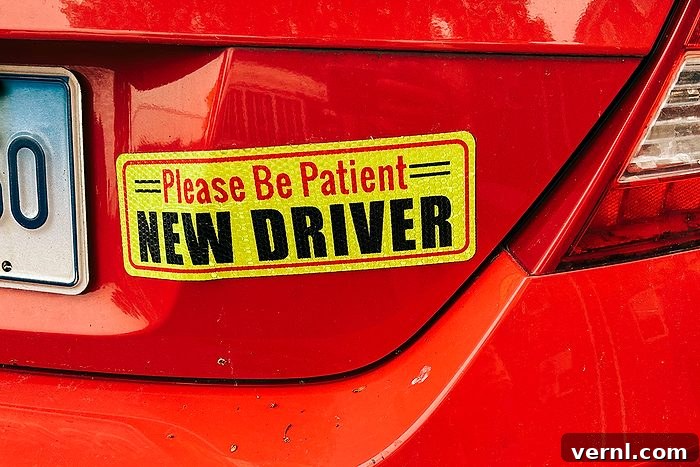
Both inexperienced and some long‑time drivers can miss hazards or react poorly to sudden events. The safest approach is to build core driving skills in low‑risk settings so they transfer to more challenging conditions.
What drivers don’t see can hurt them
Many drivers focus too close to the hood and fail to scan the road ahead, miss signs, or neglect mirror checks. Poor scanning leads to misjudging distances, delayed hazard recognition, and overcorrection. A significant portion of driver‑error crashes trace back to inadequate scanning and situational awareness.
Night driving is especially dangerous for young drivers; data show a disproportionate number of fatal crashes occur after dark. Maneuvers such as lane changes, parking, backing up, merging, and pulling away from a curb all begin with good visual scanning and mirror use.
Pickup trucks
Pickup trucks present specific hazards: tall hoods and blind zones can hide pedestrians immediately in front of the vehicle. Their greater mass, longer stopping distance, and higher center of gravity also make rollovers and more severe crashes more likely in certain scenarios. New drivers should be aware of these factors and adjust their driving distance and speed accordingly.
Tailgating
Following another vehicle too closely is a frequent cause of rear‑end collisions. New drivers disproportionately tailgate and are more likely to be involved in such crashes, so maintaining a safe following distance is critical.
Distractions Can Be Deadly

Distractions remove a driver’s eyes, hands, or attention from driving. Teens are especially vulnerable because inexperience magnifies the effect of even brief distractions. Distraction categories include:
Cell phones and texting
Using a phone behind the wheel—calling, texting, or using social apps—creates one of the highest risk behaviors on the road. Phone use has been linked to thousands of deadly crashes each year and remains a widespread cause of fatal collisions.
Inside‑vehicle distractions
- Using navigation, adjusting music or climate controls, or interacting with touchscreens
- Eating and drinking
- Grooming, such as applying makeup or combing hair
- Smoking
- Adjusting mirrors, seat position, or dashboard controls
- Peer pressure or trying to impress passengers
Outside distractions
- Rubbernecking at crash scenes
- Watching roadside events, construction, or eye‑catching billboards
- Sightseeing or watching pedestrians and other vehicles
- Weather that demands extra attention and adaptation
Other mental distractions
- Daydreaming or being mentally “zoned out”
- Strong emotions that reduce focus
- Fatigue or stress impairing concentration
Strategies to Combat These Risks
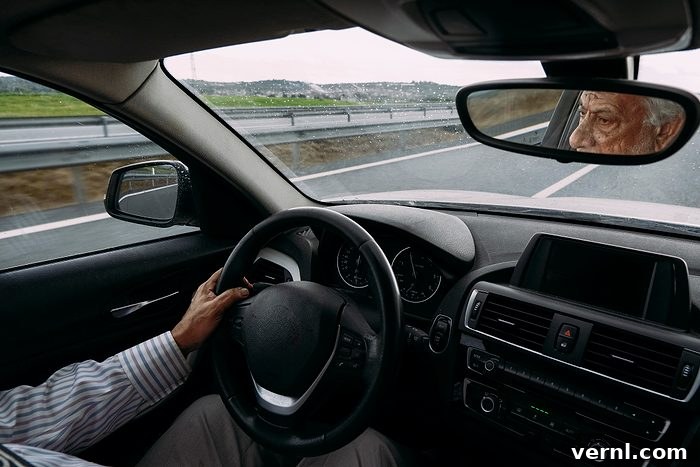
The most effective way to encourage safe driving is to model it. New drivers learn habits from the adults around them, so parents and guardians should demonstrate safe speed management, consistent seat belt use, and phone‑free driving.
For parents of teens, continued supervised driving in challenging conditions—nighttime, heavy traffic, and bad weather—builds real experience. Consider a parent‑teen driving agreement that sets clear expectations, staged privileges, and consequences tied to safe behavior. Monitor progress and limit passengers until teens consistently demonstrate maturity and sound skills.
Experience alone does not remove risk. Seasoned drivers can become complacent or overconfident, so periodically returning to the fundamentals helps prevent errors. Key driving fundamentals include:
- Stay fully attentive and avoid distractions.
- Maintain a safe following distance and reduce speed for conditions.
- Slow down in poor visibility, bad weather, school zones, and construction areas.
- Recognize and address fatigue—pull over if drowsy.
- Practice situational awareness: anticipate braking, scan ahead, and check mirrors frequently.
Experts
Erin Kemp is a consumer advocate with experience in automotive analysis and practical maintenance advice. Robin Saghian is a personal injury attorney specializing in roadway safety and motor vehicle accidents. Steven Norman, M.Ed., is a PennDoT‑certified driver education instructor with years of behind‑the‑wheel teaching experience. These experts emphasize driver modeling, continued supervised practice, and firm, clear expectations for new drivers.
Resources
There are many reputable sources for further guidance on teen driving safety, distracted driving, seat belt use, and graduated licensing programs. Consult national road‑safety organizations and your state motor vehicle agency for current recommendations, local regulations, and educational materials to support safer driving habits.