
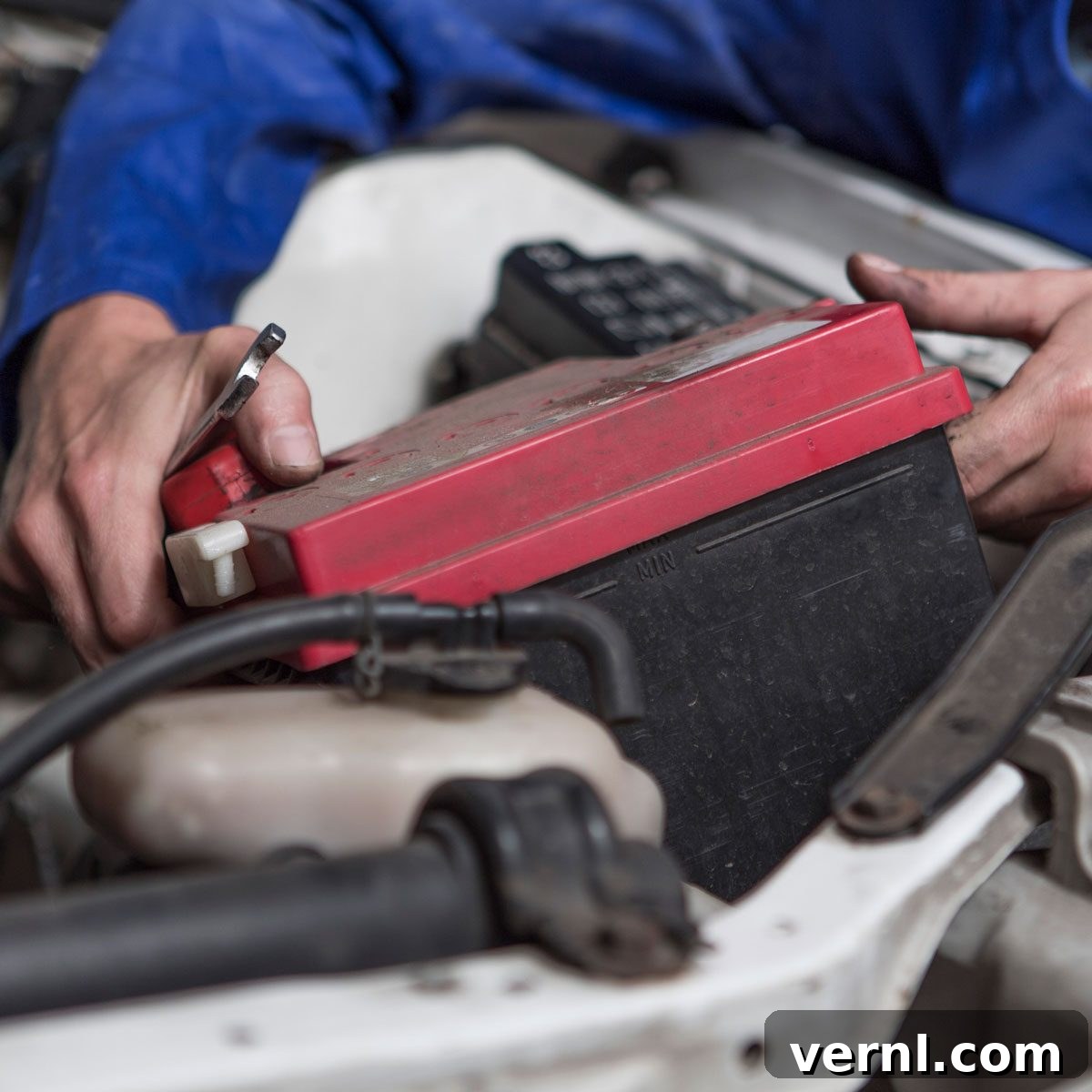
Decoding Your Dead Car Battery: Causes, Solutions, and Prevention Tips
Few things are as frustrating or inconvenient as discovering your car won’t start because of a dead car battery. That disheartening click or complete silence when you turn the key can quickly derail your day. While an occasional dead battery might be a minor annoyance, recurring issues suggest deeper problems, potentially indicating that your battery or even your vehicle’s alternator may need replacement. Understanding what caused the battery to discharge is the first crucial step towards prevention, saving you time, money, and stress in the long run. In this comprehensive guide, we’ll explore the most common reasons why your car battery might be losing its charge and provide practical advice to keep your vehicle running smoothly.
The Unexpected Drain: Accidental Discharge
One of the most common and often overlooked reasons for a dead car battery is simply leaving an electrical component on. Internal or external car lights left on by mistake can silently drain your battery overnight, leading to an unpleasant surprise in the morning. This includes not just your headlights, but also interior dome lights, trunk lights, glove compartment lights, or even a door left ajar that keeps the interior lights activated.
Modern vehicles often come equipped with automatic shut-off features for headlights and interior lights, designed to prevent this exact scenario. However, these systems are not foolproof. Older cars might lack them entirely, and even newer vehicles can have their auto-shutoff overridden or malfunction. If you park your car out of sight, such as in a garage, a dimly lit driveway, or a busy parking lot where you don’t immediately notice activated lights, this could easily explain your dead battery. Furthermore, seemingly minor accessories like a phone charger, dash cam, or GPS unit that remains plugged into an ‘always-on’ power outlet can also contribute to a parasitic drain over several hours or days.
Preventing Accidental Discharge:
- Routine Checks: Before exiting your vehicle, make it a habit to quickly scan the dashboard and interior for any illuminated warning lights or active accessory lights.
- Listen for Alerts: Many cars emit a chime or warning sound if the lights are left on and the door is opened. Pay attention to these alerts.
- Check Trunks and Doors: Ensure all doors, the trunk, and the hood are fully closed, as these often trigger interior lighting.
- Unplug Accessories: If your car’s power outlets remain active when the ignition is off, unplug phone chargers, GPS devices, or other accessories.
- Consider LED Upgrades: If your vehicle uses incandescent bulbs for interior or exterior lights, consider upgrading to energy-efficient LED bulbs. They draw significantly less power and are less likely to cause a complete drain if left on.
The Subtle Killer: Too Many Short Trips
Your car’s electrical system operates on a delicate balance. When you turn the key to start your vehicle, the battery provides a burst of power to the starter motor, initiating the engine’s operation. Once the engine is running, the alternator takes over. Its primary job is to generate electricity to power all the vehicle’s electrical components – from the radio and headlights to the fuel injectors and ignition system – and, critically, to continuously recharge the battery, ensuring it’s in top form for the next start.
The trouble arises when your driving habits predominantly consist of really short trips. Each time you start your car, a significant amount of energy is drawn from the battery. For the alternator to fully replenish this energy and return the battery to its optimal charge level, it needs sufficient running time, typically at least 15-20 minutes of driving, and often more in stop-and-go traffic. If you make lots of short trips – say, driving just a few miles to the grocery store, then home, and repeating this daily – the alternator simply doesn’t get enough time to fully recharge the battery. Over time, this repeated partial discharge and insufficient recharge cycle leads to a cumulative deficit, leaving your battery consistently undercharged and eventually dead.
Combating Short Trip Syndrome:
- Work in Longer Trips: If your daily routine involves many short drives, make an effort to include a longer trip (30 minutes or more) at least once or twice a week to allow the alternator ample time to fully charge the battery.
- Use a Battery Maintainer: For vehicles that are driven infrequently or primarily for short distances, investing in a high-quality “trickle charger” or “battery maintainer” is highly recommended. These devices plug into a standard wall outlet and connect to your battery, providing a slow, consistent charge that keeps the battery topped off without overcharging it.
- Reduce Electrical Load: On short trips, try to minimize the use of heavy electrical consumers like heated seats, rear defrosters, or high-volume sound systems until the engine has been running for a few minutes.
- Monitor Battery Health: Periodically check your battery’s voltage with a multimeter to get an idea of its charge level. A healthy battery should read around 12.6 volts when fully charged and the engine is off.
The Resistance Builder: Cable Corrosion
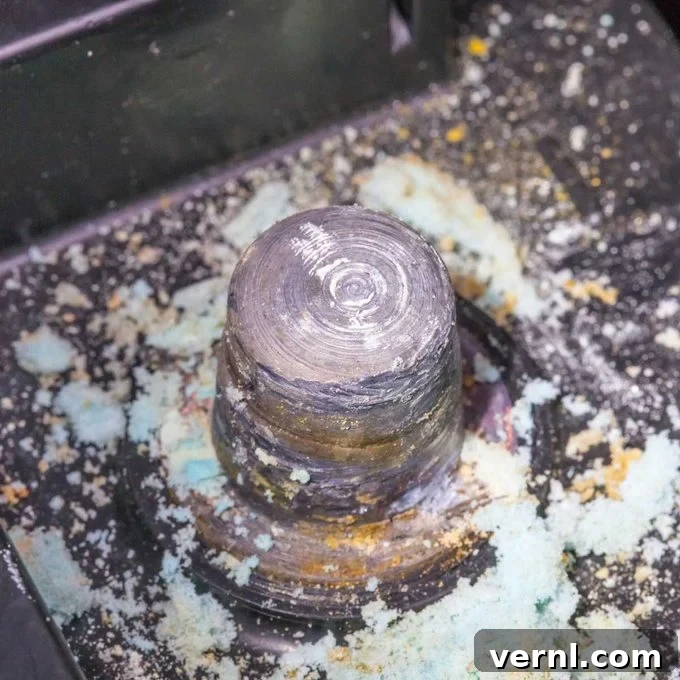
A car battery’s effectiveness isn’t just about its internal health; its connection to the vehicle’s electrical system is equally vital. No matter how new or powerful your battery is, if the cables connecting it to your car’s starter motor and charging system are dirty or corroded, they won’t be able to efficiently carry electricity. This poor connection significantly increases electrical resistance, preventing the strong current needed to crank the engine from reaching the starter, and hindering the alternator’s ability to recharge the battery.
Corrosion often appears as a white, blue, or greenish crusty material around the battery terminals and cable clamps. It’s typically caused by hydrogen gas escaping from the battery vents, reacting with the surrounding metal, moisture, and impurities in the air. This chemical reaction, while common, is detrimental to electrical conductivity.
Inspection and Cleaning Procedure:
To check for corrosion and ensure optimal conductivity, follow these steps:
- Safety First: Always wear gloves and eye protection when working with car batteries, as they contain corrosive acid.
- Pop the Hood: Open your car’s hood and locate the battery.
- Disconnect Safely: Carefully disconnect the cables from the battery terminals. It’s crucial to disconnect the wire from the negative (-) cable first to avoid creating a potential short circuit or sparks. Then disconnect the positive (+) cable.
- Inspect Terminals and Cables: Examine the contact surfaces of both the battery terminals and the cable clamps. They should be clean, shiny, and free of any crusty buildup.
- Clean Corrosion: If you find corrosion, prepare a paste of baking soda and water. Apply it liberally to the corroded areas. The baking soda will neutralize the acid. Use a small wire brush, a battery terminal cleaning tool, or even sandpaper to scrub away the corrosion until the metal is clean and bright.
- Rinse and Dry: Rinse the area with clean water (careful not to get water inside the battery if it’s not a sealed type) and thoroughly dry everything with a clean cloth.
- Reconnect: Reconnect the cables, attaching the positive (+) cable first, then the negative (-) cable. Ensure the connections are tight and secure.
- Prevent Future Corrosion: Apply a thin layer of petroleum jelly, dielectric grease, or a specialized anti-corrosion spray to the cleaned terminals and cable clamps to help prevent future buildup. Battery terminal protectors (small felt washers) can also be placed under the cable clamps for added protection.
The Power Hungry: Electrically Taxing Modifications
Your vehicle’s electrical system is engineered to support a certain load, with the alternator designed to produce enough power for all standard components and to recharge the battery. A healthy car battery, when the engine is running, should typically put out between 14 to 14.7 volts, indicating that the alternator is actively charging it and powering the vehicle’s systems. However, if you’ve recently upgraded your vehicle with additional components that significantly increase its electrical draw, you might inadvertently be overtaxing your system.
Common examples of such modifications include:
- Heavy-Duty Sound Systems: Aftermarket amplifiers, subwoofers, and multiple speakers can demand a tremendous amount of electrical power.
- Extra-Bright Headlights or Auxiliary Lights: Upgrading to high-intensity discharge (HID), powerful LED light bars, or additional off-road lighting on your roof or running boards can substantially increase the power draw beyond the factory design.
- Winch Systems: Essential for off-roaders, a powerful winch can momentarily draw hundreds of amps, putting immense strain on the battery and charging system.
- Aftermarket Climate Control or Heating Systems: Auxiliary heaters or coolers can significantly impact the electrical load.
- Multiple Screens/Monitors: Rear-seat entertainment systems or additional navigation screens.
- Performance Tuners and Electronic Modules: While some are efficient, others can add to the constant electrical demand.
When the combined electrical demand from your stock components and aftermarket modifications exceeds the alternator’s capacity, the alternator struggles to keep up. This means less power is available to recharge the battery, making it harder to keep your battery charged. The battery may become chronically undercharged, leading to premature failure, and the alternator itself can wear out faster due to constant overwork.
Managing Electrical Modifications:
- Assess Your Needs: Before installing significant electrical modifications, calculate their power draw (amperage) and compare it against your vehicle’s alternator output.
- Upgrade the Alternator: If your modifications significantly increase the electrical load, consider upgrading to a higher-amperage alternator specifically designed for your vehicle. This will ensure sufficient power generation.
- Install a Secondary Battery: For very high-draw systems (like powerful audio or winch setups), a secondary “deep cycle” battery with an isolation system can be installed. This powers the accessories while protecting your main starting battery.
- Professional Consultation: For complex electrical upgrades, it’s always best to consult with a qualified automotive electrician. They can help you design a system that safely accommodates your modifications without compromising your vehicle’s reliability.
- Monitor Voltage: Install a voltage gauge to keep an eye on your vehicle’s electrical system performance, especially when using high-draw accessories.
The End of the Road: A Failing Battery
Sometimes, the problem isn’t external factors or other components; it’s the battery itself. Car batteries are not designed to last forever. Their typical lifespan ranges from 3 to 5 years, though this can vary significantly based on climate (extreme heat and cold are detrimental), driving habits, and maintenance. If your battery has been run dead too many times, subjected to repeated deep discharges, or is simply too old, it may be losing its fundamental ability to hold a charge effectively.
Over time, the internal chemistry of a battery degrades. Sulfation – the buildup of lead sulfate crystals on the battery plates – can occur, especially in batteries that are frequently undercharged. This reduces the battery’s capacity to store and release energy. Additionally, internal sediment buildup or physical damage from vibrations can compromise its structure. When this happens, even if the alternator works perfectly and charges the battery, the battery can start discharging on its own almost as soon as you turn off the engine, a phenomenon known as excessive self-discharge. It’s like trying to fill a bucket with a hole in the bottom – it just won’t hold water.
Signs of a Failing Battery:
- Slow Cranking: The engine cranks sluggishly or takes longer than usual to start.
- Dim Lights/Flickering Dashboard: Headlights appear dim when the engine is off, or dashboard lights flicker during startup.
- Frequent Jump-Starts: If you find yourself needing a jump-start regularly, it’s a strong indicator.
- Battery Warning Light: A “battery” or “charge system” light on your dashboard may illuminate, though this can also point to an alternator issue.
- Bloated or Corroded Case: Visible swelling of the battery case or excessive corrosion around the terminals can signal internal problems.
- Age: If your battery is older than 3-5 years, its time is likely coming to an end.
When you notice these symptoms, it’s time for a new battery. Replacing a failing battery promptly not only ensures reliable starts but also prevents potential damage to other electrical components that might be stressed by an underperforming power source. Always ensure proper disposal of old batteries through designated recycling centers.
The Power Generator’s Fault: Failing Charging System
If you’ve ruled out accidental discharge, excessive short trips, corrosion, and you know your battery is relatively new and in good health, yet your car still struggles with dead batteries, the culprit is likely your charging system. The alternator is the heart of this system. Its job is to convert mechanical energy from the engine into electrical energy, supplying power to all the vehicle’s electrical components and recharging the battery. When alternators fail and need replacement, the battery won’t receive the necessary charge, leading to a dead battery relatively quickly, sometimes even while driving.
Beyond the alternator, the charging system also includes the voltage regulator (often integrated into the alternator), which controls the voltage output to prevent overcharging or undercharging, and the drive belt, which connects the alternator to the engine’s crankshaft. A problem with any of these components can lead to charging issues.
Symptoms of a Failing Charging System/Alternator:
- Battery Warning Light: This is the most obvious sign. The battery icon on your dashboard indicates a problem with the charging system.
- Dim or Flickering Lights: Headlights that dim at idle and brighten when you rev the engine, or flickering interior lights, suggest inconsistent power delivery.
- Strange Noises: A grinding, whining, or rattling sound coming from under the hood can indicate a failing alternator bearing or a loose/worn drive belt.
- Burning Smell: A smell of burning rubber or hot wires might point to an overworked alternator or slipping drive belt.
- Electrical Component Failure: Power windows operating slowly, the radio cutting out, or other electrical accessories malfunctioning can be signs of insufficient power.
- Frequent Stalling: If the alternator isn’t powering the ignition system, the car may stall unexpectedly.
Diagnosing and Addressing Alternator Issues:
Diagnosing an alternator issue can involve checking the drive belt for tension and wear, performing a visual inspection for loose wires, and using a multimeter to test the voltage output of the alternator while the engine is running. A healthy alternator should produce a steady 13.8 to 14.7 volts.
Most people prefer to have their alternators replaced by a professional mechanic due to the complexity, specific tools required, and the need to ensure proper installation and belt tension. However, with a little knowledge, the right tools, and some elbow grease, you can buy a new alternator and install it yourself, which can save on labor costs. It’s crucial to identify whether the issue is indeed the alternator or a separate component like the voltage regulator or even the battery itself, as misdiagnosis can lead to unnecessary repairs.
Conclusion: Stay Charged, Stay Prepared
A dead car battery is more than just a nuisance; it’s a signal from your vehicle that something isn’t quite right. Whether the cause is a simple oversight like leaving lights on, detrimental driving habits, poor cable connections, an overloaded electrical system, an aging battery, or a failing charging system, understanding these common culprits empowers you to take proactive steps. Regular maintenance, vigilant checks, and addressing issues promptly are key to extending your battery’s life and ensuring reliable starts every time. Don’t wait for that dreaded click; stay informed, stay prepared, and keep your car’s power system in prime condition for a smooth journey ahead.