Protect Your Investment: The Ultimate Guide to Preventing Concrete Spalling and Scaling
Concrete surfaces are a staple in homes and businesses, forming the foundation of our driveways, patios, walkways, and more. While renowned for their strength and durability, concrete isn’t entirely impervious to the elements. Over time, exposure to water, especially in regions with freeze-thaw cycles, can lead to significant damage known as “spalling” or “scaling.” This comprehensive guide will equip you with the knowledge to understand this common problem and, more importantly, how to effectively prevent it through the strategic application of concrete sealers. By understanding the causes, choosing the right sealer, and mastering the application, you can significantly extend the life and aesthetic appeal of your concrete surfaces.
Understanding the Enemy: What Causes Concrete Spalling and Scaling?
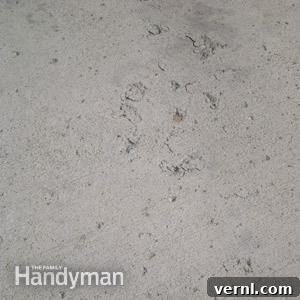
The damage often seen on concrete surfaces, characterized by flaking, peeling, or chipping, is commonly referred to as spalling or scaling. The underlying cause is remarkably straightforward, yet incredibly destructive to unprotected concrete. Concrete, by its very nature, is a porous material. It contains a vast network of microscopic capillaries and voids that readily absorb water, much like a sponge left out in the rain.
The true damage begins when this absorbed water freezes. As water transitions into ice, its volume expands by approximately 9%. Within the rigid, unyielding confines of concrete’s internal structure, this expansion creates immense hydraulic pressure. When temperatures fluctuate, leading to repeated cycles of freezing and thawing, this internal pressure builds, stressing the concrete from within. Each cycle causes minute fractures to form and propagate, eventually leading to pieces of the concrete surface breaking away. This process not only detracts from the visual appeal of your concrete but also compromises its structural integrity, leaving it vulnerable to further deterioration, cracks, and the need for costly repairs or even full replacement.
The Core Problem & Solution Simplified:
The Problem: Concrete, being porous, soaks up water. When temperatures drop below freezing, this absorbed water expands as it turns to ice, creating internal pressure that literally busts up the concrete surface, causing spalling and scaling.
The Solution: Applying a high-quality concrete sealer creates a protective barrier, preventing water from penetrating the concrete’s surface and thus eliminating the cause of freeze-thaw damage.
The Result: Your concrete looks pristine, just as it did before, but now water beads up and rolls off the surface instead of soaking in, providing vital protection against the elements and significantly prolonging its lifespan.
The Unquestionable Value: Why Sealing Your Concrete is a Smart Investment
While preventing freeze-thaw damage is a primary driver, the benefits of sealing concrete extend far beyond simply avoiding winter wear and tear. Sealing your concrete is a proactive and cost-effective measure that yields a multitude of advantages, enhancing both the longevity and aesthetic appeal of your outdoor and indoor surfaces:
- Superior Water Repellency: This is the most critical benefit, directly preventing water absorption and, consequently, protecting against spalling, scaling, and the damaging effects of freeze-thaw cycles.
- Enhanced Stain Resistance: A sealed surface is far less susceptible to absorbing common stains such as oil spills, grease, rust, tire marks, and food and drink spills. This makes cleanup significantly easier and more effective, preserving the concrete’s pristine appearance.
- Reduced Erosion and Abrasion: The protective layer or barrier created by a sealer helps the concrete stand up better to daily wear and tear from foot traffic, vehicular movement, and environmental factors like wind-driven rain and airborne grit.
- Inhibition of Organic Growth: By keeping the concrete surface dry and less permeable, sealers create an unfavorable environment for the growth of mold, mildew, algae, and moss. This not only improves aesthetics but also reduces potential slip hazards.
- Extended Service Life: By safeguarding against various forms of degradation, sealing dramatically increases the functional lifespan of your concrete. This delays the need for expensive repairs, resurfacing, or complete replacement, offering significant long-term savings.
- Improved Aesthetic Appeal: Many sealers can enhance the natural color of the concrete, providing a desirable “wet look” or a refined matte/satin finish. This can dramatically boost your property’s curb appeal and overall value.
- Simplified Maintenance: Sealed concrete surfaces are inherently easier to clean. Dirt and debris are less likely to adhere, requiring less effort and fewer harsh chemicals to maintain their attractive condition.
- Dust Reduction: For interior concrete floors, sealing helps to bind surface particles, significantly reducing dusting, which is common with unsealed concrete.
Navigating the Options: Choosing the Right Concrete Sealer
The market offers a diverse array of concrete sealers, each formulated with specific properties and intended applications. Selecting the appropriate type is paramount for achieving optimal performance, durability, and the desired aesthetic outcome. For the majority of residential outdoor applications, such as driveways, patios, and sidewalks, two primary categories are most relevant: acrylic sealers and penetrating sealers.
Acrylic Sealers: Versatile, Affordable, and Visually Appealing
Acrylic sealers are arguably the most popular choice for homeowners due to their balance of affordability, ease of application, and aesthetic flexibility. These sealers work by forming a thin, clear, protective film or coating on the very surface of the concrete. This film acts as a barrier, effectively preventing water, oils, and other contaminants from penetrating the concrete’s pores.
- Ease of Application: Applying an acrylic sealer is typically a straightforward DIY project. It can be efficiently rolled on with a standard paint roller (using an appropriate nap for smooth or textured surfaces) or sprayed using a pump sprayer for large areas. Proper surface preparation—ensuring the concrete is impeccably clean and dry—is crucial for optimal adhesion and finish.
- Expected Durability: The lifespan of an acrylic sealer varies based on several factors, including local weather conditions, the volume and type of traffic it endures (foot vs. vehicular), and the quality of the product itself. Generally, you can expect an acrylic sealer to last between two to five years, requiring reapplication to maintain continuous protection.
- Aesthetic Flexibility: One of the compelling advantages of acrylics is the range of finishes they offer. Some products are designed to impart a glossy, “wet look” that deepens and enhances the concrete’s natural color, making it pop. Others are formulated for a more subtle, natural matte or satin finish, ideal for those who prefer an understated elegance.
- Cost-Effectiveness: Acrylic sealers are a budget-friendly option, typically costing between $20 to $40 per gallon. Coverage rates are usually between 100 to 200 square feet per gallon, though this can fluctuate based on the concrete’s porosity and texture.
- Key Quality Indicators: When shopping, prioritize products labeled “nonyellowing,” especially if maintaining a clear, untinted finish over time is important to you. High-quality acrylics often specify that new concrete must be fully cured (typically 14 to 28 days post-pour) before application to ensure proper chemical bonding and long-term performance.
- Accessibility: These sealers are widely available at most major home improvement stores and hardware centers, usually found in the masonry or paint aisles. Common and reputable brands include Quikrete High Gloss Sealer, Quikrete Acrylic Cure & Seal, Rust-Oleum Concrete Sealer, and Sikagard Sealer.
- Important Consideration: Potential Slipperiness: A critical point to be aware of is that the smooth, film-forming nature of acrylic sealers can potentially make concrete surfaces slippery when wet. This is particularly true for smooth-troweled concrete, inclines, or steps. For areas where slip hazards are a concern, consider incorporating an anti-slip additive directly into the sealer during application or exploring alternative sealer types. You can find more practical tips for enhancing your concrete pathways, including sealing advice, by checking out resources like this guide on upgrading your pathway with Quikrete.
Penetrating Sealers: The Invisible, Long-Lasting Barrier
For those who prioritize maximum, long-term protection without altering the concrete’s natural appearance or introducing any slip risks, penetrating sealers offer an excellent, advanced solution. These sealers, primarily based on silane or siloxane compounds (often combined for enhanced performance), operate on a fundamentally different principle than film-forming acrylics.
- How They Function: Instead of creating a topical film, penetrating sealers absorb deep into the concrete’s pores. Once absorbed, they react chemically with the minerals present in the concrete to form a hydrophobic (water-repelling) barrier within the concrete’s matrix. This protection typically extends up to a quarter-inch or more below the surface, leaving the surface itself unfilmed and preserving the concrete’s original texture and breathability.
- Key Advantages:
- Superior Water Repellency: Their deep-set barrier provides exceptional protection against water absorption, making them highly effective against freeze-thaw damage, chloride intrusion (from de-icing salts), and efflorescence.
- Breathability: Unlike film-forming sealers, penetrating sealers do not trap moisture vapor within the concrete. This “breathability” is vital for preventing issues like blistering, delamination, and moisture-related problems, especially in basements or high-moisture environments.
- Non-Slippery Surface: Since they do not alter the surface texture, penetrating sealers maintain the natural grip of the concrete, eliminating concerns about increased slipperiness. This makes them ideal for pool decks, walkways, steps, and driveways where safety is paramount.
- Exceptional Longevity: High-quality penetrating sealers are renowned for their superior durability. Because their protective mechanism is embedded within the concrete, they are not subject to surface wear and tear from foot traffic, vehicle abrasion, or UV degradation in the same way film-forming sealers are. Many silane/siloxane sealers can last 5-10 years, and some even longer, before reapplication is needed.
- Natural Appearance: They leave no visible film or sheen, ensuring the concrete retains its completely natural look and feel.
- Cost and Availability: Penetrating sealers typically represent a higher upfront investment per gallon compared to acrylics, reflecting their advanced chemistry and long-term performance benefits. They are generally found at specialty concrete supply stores, industrial suppliers, or reputable online retailers, rather than standard big-box home centers.
- Application Considerations: While application methods (sprayer or roller) are similar to acrylics, proper surface preparation and ensuring adequate saturation of the concrete are crucial for the chemicals to react effectively and achieve full penetration.
Other Specialized Sealer Types (Brief Overview)
While acrylics and penetrating sealers cover the majority of residential outdoor concrete sealing needs, other types exist for specialized or heavy-duty applications:
- Epoxy Sealers: Extremely durable, hard, and highly chemical-resistant, epoxy sealers are commonly used for garage floors, industrial settings, and commercial spaces. They form a thick, protective layer and are available in clear or pigmented formulations.
- Polyurethane Sealers: Offering excellent abrasion resistance, good flexibility, and superior chemical resistance compared to acrylics, polyurethanes are often chosen for high-traffic areas, garage floors, and decorative concrete. They are available in both water-based and solvent-based varieties.
The Foundation of Success: Preparing Your Concrete for Sealing
Regardless of the type of sealer you choose, its performance, longevity, and aesthetic outcome are overwhelmingly dependent on thorough and meticulous surface preparation. Skipping or skimping on this critical step can lead to poor adhesion, uneven finishes, bubbling, and premature failure of the sealer. Adhere to these essential steps for optimal results:
- Thorough Cleaning: The concrete surface must be impeccably clean. Remove all dirt, grime, dust, oil stains, grease, paint, efflorescence (white powdery deposits), and any other contaminants. A robust pressure washer combined with a high-quality concrete cleaner or degreaser is highly recommended. For stubborn oil or rust stains, specialized stain removers may be necessary.
- Repair Existing Damage: Before applying any sealer, it’s crucial to address any existing damage. Fill cracks with appropriate concrete crack fillers and repair any spalled, chipped, or pitted areas. This ensures a smooth, uniform surface for the sealer and prevents further deterioration.
- Ensure Complete Dryness: This step cannot be overstated. The concrete must be completely and thoroughly dry before applying any sealer. Trapped moisture beneath the sealer can cause bubbling, hazing, cloudiness, and delamination. After cleaning, allow several days of dry, warm weather for the concrete to dry out. A simple plastic sheet test can confirm readiness: Tape a 2×2 ft plastic sheet tightly to the concrete surface, seal all edges, and leave it for 24 hours. If condensation forms underneath the plastic, the concrete is still too wet.
- Etching (If Required): For very smooth, dense, or hard-troweled concrete surfaces that lack porosity, a light acid etching (always following all safety precautions, including PPE and proper ventilation) or mechanical abrasion might be necessary. This process creates a slight surface profile, allowing the sealer to penetrate and adhere better. Always rinse the surface thoroughly after etching to neutralize any acid residue.
Mastering the Application: Tips for Professional-Grade Results
Once your concrete surface is meticulously prepared, applying the sealer is the final, rewarding step. Always consult and adhere strictly to the manufacturer’s specific instructions for your chosen product, as formulations and recommendations can vary. However, these general best practices will guide you toward a successful, professional-looking application:
- Optimal Weather Conditions: Apply sealer on a calm, dry day with ambient and surface temperatures ideally between 50°F (10°C) and 90°F (32°C). Avoid applying in direct, intense sunlight, during strong winds (which can cause rapid drying and uneven application), or if rain is forecasted within 24-48 hours.
- Choose the Right Tools: For rolling, use a high-quality, lint-free roller with an appropriate nap for your concrete’s texture (e.g., 3/8-inch nap for smooth surfaces, 1/2-inch for textured or broomed finishes). A pump sprayer is an excellent alternative, especially for larger areas, as it helps achieve a thin, even coat.
- Work in Manageable Sections: Divide your concrete surface into smaller, manageable sections. This helps ensure even coverage, allows you to maintain a wet edge (preventing unsightly lap lines), and prevents the sealer from drying prematurely.
- Thin, Even Coats are Key: It is almost always better to apply two thin, even coats of sealer rather than one thick coat. Thick coats are prone to bubbling, hazing, uneven drying, and can peel or flake prematurely. Allow adequate drying time between coats as specified by the manufacturer, typically a few hours.
- Prioritize Safety: Always wear appropriate personal protective equipment (PPE), including chemical-resistant gloves, eye protection, and if working with solvent-based sealers or in enclosed areas, a respirator. Ensure excellent ventilation.
- Backroll for Uniformity: After applying the sealer, especially with a sprayer, a light backrolling with a fresh roller cover can help spread the product evenly, work it into the pores, and eliminate any puddles or streaks.
Sustaining the Shield: Maintaining Your Sealed Concrete
Sealing your concrete is an investment in its longevity and appearance, but it’s not a set-it-and-forget-it solution. Periodic maintenance and timely reapplication are essential to maximize its benefits and ensure continuous protection. Here’s how to keep your sealed concrete surfaces looking their best for years to come:
- Regular Cleaning: Regularly sweep or blow off loose dirt, leaves, and debris. For deeper cleaning, use a mild, pH-neutral detergent mixed with water and a stiff brush, then rinse thoroughly. Avoid harsh acidic or alkaline cleaners, abrasive scrubbers, or high-pressure washing that can degrade or damage the sealer over time.
- Annual Inspection: Dedicate time once a year to meticulously inspect your sealed concrete. Look for signs of wear such as dull spots, areas where the finish has faded, or where water no longer beads up effectively. These are clear indicators that the sealer’s protection is diminishing and reapplication may be needed.
- Timely Reapplication: The frequency of reapplication depends heavily on the sealer type, the amount of traffic the surface receives, and its exposure to harsh environmental conditions (UV, extreme temperatures, de-icing salts). As a general guideline, acrylic sealers typically require reapplication every 2-5 years, while high-quality penetrating sealers can last 5-10 years or even longer. Do not wait until the sealer has completely failed or your concrete shows signs of spalling before reapplying.
- Prompt Spill Cleanup: Even though sealed concrete offers excellent stain resistance, it’s still best practice to clean up spills—especially oil, grease, rust, or colored liquids—as quickly as possible. This minimizes the chance of any penetration or staining.
- Winter Care: In colder climates, avoid using de-icing salts, particularly rock salt (sodium chloride), on sealed concrete, as they can be very harsh and accelerate sealer breakdown. Opt for sand or calcium chloride if necessary, but manual removal of snow and ice is always preferable.
Beyond Sealing: Essential Related Concrete Care
A holistic approach to concrete care involves more than just regular sealing. Tackling existing damage and knowing how to handle common issues is crucial for maintaining strong, beautiful surfaces. Explore these valuable, related resources from The Family Handyman for further insights and DIY projects to keep all your concrete in top-notch condition:
- DIY Concrete Crack Repair: Learn how to effectively fix unsightly cracks before they worsen and compromise your concrete’s integrity.
- How to Remove Oil, Paint, and Other Stubborn Concrete Stains: Master the techniques for tackling tough stains that can mar your concrete’s appearance.
- Concrete Garage Floor Resurfacing: Discover how to fix and transform a pitted, spalled, or damaged garage floor, restoring its durability and look.