
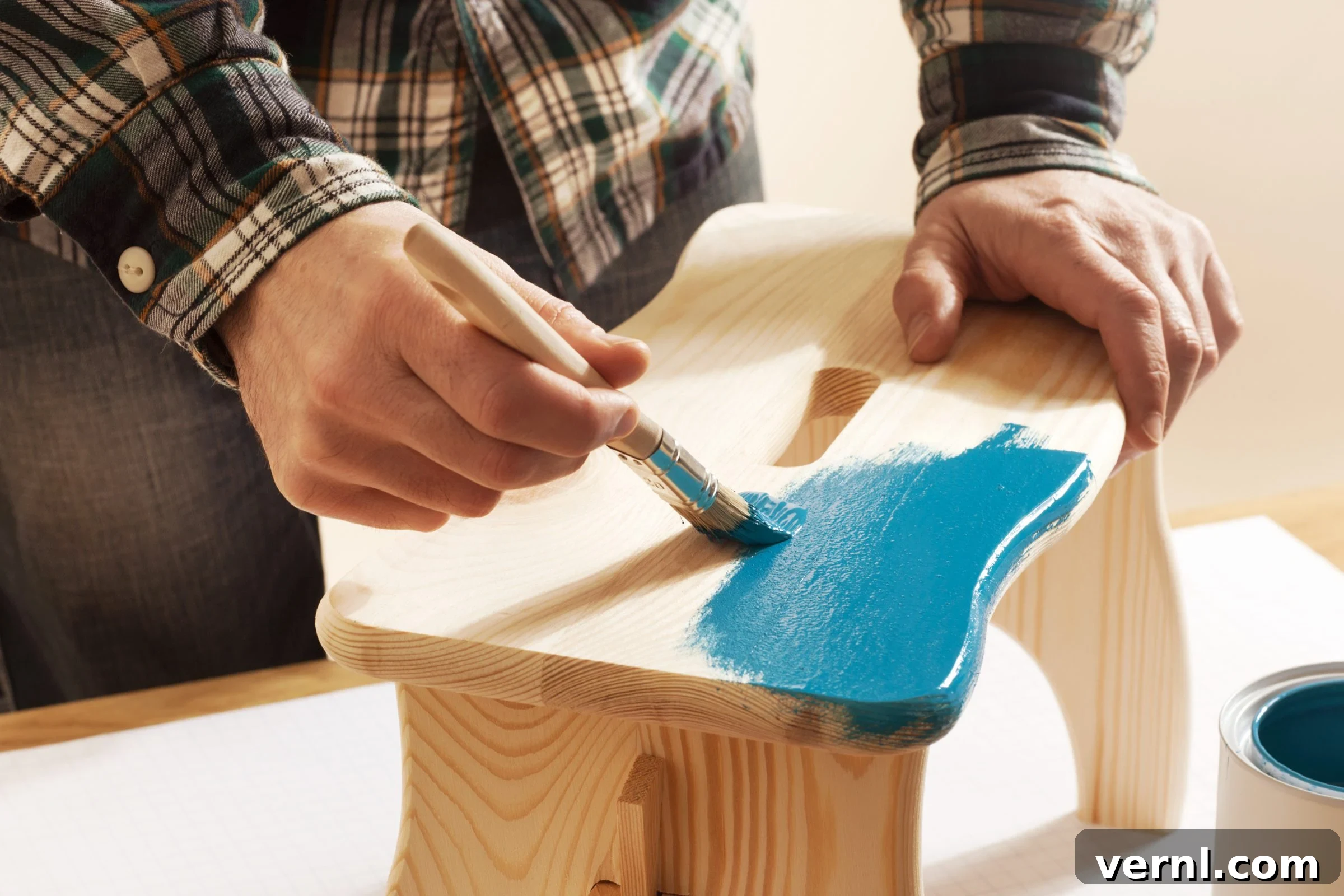
Mastering Acrylic Paint on Wood: Your Ultimate Guide to Durable and Beautiful Finishes
Embarking on a painting project can be incredibly rewarding, especially when you choose the right materials to achieve stunning, long-lasting results. For transforming wood surfaces, both indoors and out, acrylic paint stands out as a versatile and high-performing option. Renowned for its ease of use and exceptional durability, acrylic paint adheres beautifully to all types of wood, making it a preferred choice for professional home improvement specialists and DIY enthusiasts alike.
Rachel Otto, a distinguished Benjamin Moore paint specialist at Fleury Lumber in Easthampton, Massachusetts, enthusiastically describes acrylic paint as “the newest technology in interior and exterior paint and a real game-changer in the industry.” This innovative formulation has revolutionized how we approach painting wood, offering benefits that were once unattainable with traditional paint types.
If you’ve ever pondered the question, “Can I use acrylic paint on wood?” you’re in the right place. This comprehensive guide will delve deep into the myriad advantages of using acrylic paint for your woodworking projects, providing expert tips, detailed product recommendations, and step-by-step instructions to ensure a flawless finish every time. Prepare to unlock the full potential of your next painting endeavor with acrylic paint on wood.
Unveiling the Advantages: Benefits of Acrylic Paint on Wood Surfaces
The widespread adoption of acrylic paint in the world of home improvement is no accident. Its advanced formulation offers a compelling suite of benefits that make it an ideal choice for wood surfaces. When applied correctly, acrylic paint creates a remarkably durable, hard finish that not only enhances the aesthetic appeal of your wood but also provides superior protection and longevity.
- Exceptional Durability and Hard Finish: Acrylic paint dries to a robust, hard shell that is highly resistant to chipping, scratching, and general wear and tear. This makes it perfect for high-traffic furniture, cabinetry, or exterior elements exposed to the elements. Its resilience ensures your painted wood maintains its beauty for years, making acrylic paint a top choice for a lasting finish.
- Effortless Application and Faster Drying Times: Unlike some traditional paints, acrylic paint is remarkably easy to work with. Its smooth consistency allows for excellent flow and leveling, minimizing brush strokes and providing a professional-looking finish. Crucially, acrylic paint boasts significantly faster drying times compared to oil-based alternatives. This means you can apply multiple coats in a single day, dramatically reducing project duration and allowing you to enjoy your newly painted items sooner.
- Lower Volatile Organic Compounds (VOCs): Modern acrylic formulations are typically low in VOCs, which are harmful chemicals released into the air as paint dries. This makes acrylic paint a more environmentally friendly and healthier option for indoor painting projects, contributing to better indoor air quality for your home and family.
- Flexible Finish Resists Cracking: Wood is a natural material that expands and contracts with changes in temperature and humidity. Acrylic paint’s inherent flexibility allows it to move with the wood, preventing the common problem of cracking and peeling that can occur with more rigid paint types. This elasticity is vital for maintaining an intact and beautiful finish over time, especially for exterior wood or items subject to significant environmental shifts.
- Superior Water-Resistant Protection: While not fully waterproof (a common misconception we’ll address), acrylic paint provides excellent water resistance. It forms a protective barrier that repels moisture, safeguarding your wood from spills, humidity, and light rain. This added layer of protection is invaluable for both interior surfaces like kitchen cabinets and exterior elements such as deck railings or garden furniture.
- Simple Soap and Water Cleanup: One of the most user-friendly aspects of acrylic paint is its easy cleanup. Brushes, rollers, and spills can be effortlessly cleaned with just soap and water while the paint is still wet, eliminating the need for harsh chemical solvents. This convenience makes the painting process more pleasant and less cumbersome.
- Vast Spectrum of Colors and Sheens: Acrylic paint is available in an almost limitless array of colors, from subtle neutrals to vibrant hues, ensuring you can find the perfect shade to match your aesthetic vision. Furthermore, it comes in various sheens—matte, eggshell, satin, semi-gloss, and high-gloss—each offering a distinct look and level of durability. This extensive selection empowers you to customize your projects precisely.
Ensuring Lasting Adhesion: How to Get Acrylic Paint to Stay on Wood
Achieving a durable, long-lasting finish with acrylic paint on wood hinges significantly on proper preparation and the strategic use of primer. While many modern interior paints and some exterior varieties offer a “paint and primer in one” solution, seasoned professionals often advocate for using a separate, dedicated primer for optimal adhesion and performance.
“Primers can be water-based or oil-based depending on your preference and what type of wood you’re painting on,” explains Rachel Otto. “But generally, a primer will significantly help the paint stay longer by creating a superior bonding surface.” A primer serves as a crucial intermediary layer, preparing the wood to accept the paint effectively and preventing issues like peeling, blistering, or poor coverage. This foundation is key for successful acrylic paint application on wood.
The time invested in thoroughly preparing your wood surfaces prior to painting is not merely a suggestion; it’s a fundamental step that directly correlates to the longevity and beauty of your finished project. Neglecting proper preparation can lead to disappointing results, even with the highest quality paint.
Understanding Primer: The Foundation of a Flawless Finish
A high-quality primer does more than just provide a base coat. It penetrates the wood, sealing its pores, blocking stains, and creating a uniform surface that allows the topcoat to adhere evenly and beautifully. For bare wood, primer prevents the paint from being absorbed excessively, ensuring better coverage and true color development. For previously painted or stained wood, it helps smooth imperfections and provides a consistent surface for the new paint.
- Water-Based Primers (Latex Primers): These are excellent for most general-purpose applications. They dry quickly, have low VOCs, and clean up easily with water. Ideal for new, unpainted wood, previously painted surfaces, and areas where quick recoating is desired.
- Oil-Based Primers (Alkyd Primers): Known for their superior stain-blocking capabilities, oil-based primers are particularly effective on knotty woods (like pine and cedar) to prevent sap and tannins from bleeding through the topcoat. They are also recommended for heavily stained wood, water-damaged areas, or glossy surfaces that require maximum adhesion. While they have a stronger odor and longer drying times, their sealing power is unparalleled in specific situations.
Water-Resistant vs. Waterproof: Clarifying Acrylic Paint’s Protection for Wood
A common question among those looking to protect wood is whether acrylic paint makes wood waterproof. The answer, as Rachel Otto clarifies, is definitively “No.” She states, “[Acrylic paint’s] durable finish will make wood more water-resistant, but not waterproof.” It’s critical to understand the distinction between these two terms to choose the right protective measures for your project.
The Difference Between Water-Resistant and Waterproof
- Water-Resistant: Acrylic paint creates a barrier that significantly slows down the absorption of moisture and repels incidental water exposure, such as splashes, humidity, or light rain. This protection is ample for most indoor furniture, decorative items, or covered outdoor pieces. It prevents swelling, warping, and mildew growth under normal conditions.
- Waterproof: A truly waterproof surface means absolutely no water can penetrate it, even when submerged or exposed to constant heavy moisture. Achieving true waterproofing for wood typically requires specialized sealants that form an impenetrable membrane.
For applications where genuine waterproofing is essential—such as outdoor furniture fully exposed to the elements, items in consistently wet environments (e.g., bathrooms without proper ventilation, garden beds), or marine applications—you will need to apply additional products. Options include:
- Lacquer: Offers a hard, durable, and highly water-resistant finish, often used on fine furniture.
- Varnish: Provides a tough, transparent, and water-resistant film. Marine varnishes are specifically formulated for extreme outdoor conditions.
- Polyurethane: A very popular choice, polyurethane creates a highly durable, water-resistant, and scratch-resistant finish. It comes in both oil-based (more ambering, tougher) and water-based (clearer, faster-drying) varieties. Polycrylic is a water-based alternative that is clearer and less prone to yellowing.
- Epoxy Sealers: For the ultimate waterproof barrier, especially for boat parts or outdoor surfaces prone to standing water, epoxy sealers are a robust solution. They create a thick, impermeable layer.
While acrylic paint provides a robust first line of defense against moisture, layering it with a dedicated waterproofing product when necessary ensures maximum protection for your cherished wood pieces.
The Foundation of Success: Prepping Wood for Acrylic Paint
Proper preparation is the cornerstone of any successful painting project, especially when working with wood. Skipping or rushing these vital steps can compromise adhesion, lead to premature peeling, and result in an unprofessional finish. Take the time to ensure your surfaces are clean, dry, and structurally sound, free from rotted areas or loose paint. This meticulous approach guarantees that your acrylic paint adheres beautifully and lasts for years.
Step-by-Step Wood Preparation Guide:
- Initial Inspection and Repair:
- Thoroughly inspect the wood for any signs of damage such as rot, cracks, holes, or loose splinters.
- For small holes and cracks, use a high-quality wood filler, applying it according to manufacturer instructions. Allow it to dry completely, then sand smooth.
- Remove any existing loose or peeling paint using a paint scraper or wire brush. Ensure all unstable layers are gone to prevent future adhesion issues for your acrylic paint.
- Cleaning the Wood Surface:
- Before any sanding, the wood must be immaculately clean. Remove all dirt, grime, mildew, grease, and dust.
- For general cleaning, a non-soapy cleaner like trisodium phosphate (TSP) is highly effective. Always wear appropriate personal protective equipment (gloves, eye protection) when working with TSP. Mix according to package directions.
- Apply the TSP solution with a sponge or brush, scrubbing the surface thoroughly. For mildew, allow the solution to sit for a few minutes before scrubbing.
- Rinse the surface thoroughly with clean water to remove all traces of the cleaner. Any residue can interfere with paint adhesion.
- Allow all surfaces to dry completely. This is crucial; moisture trapped in the wood can lead to blistering or peeling paint. Depending on humidity and temperature, this could take 24-48 hours.
- Sanding for Optimal Adhesion and Smoothness:
- Previously Painted Wood: After scraping loose paint, smooth the entire surface with 120-grit sandpaper. The goal is to scuff the existing finish, creating a “tooth” for the new paint to grip. Avoid over-sanding to bare wood unless necessary.
- Bare or Unfinished Wood: Start with 80 or 100-grit sandpaper to smooth out any rough spots or imperfections, then progress to 120 or 150-grit for a finer finish. Always sand with the grain of the wood to prevent scratches.
- Between Coats (if applicable): For an exceptionally smooth finish, lightly sand with 220-grit sandpaper between primer coats (if applying multiple) and between paint coats after they have dried. This helps eliminate minor imperfections and promotes inter-coat adhesion.
- Thorough Dust Removal:
- After sanding, it is imperative to remove all sanding dust. Use a vacuum cleaner with a brush attachment, followed by a tack cloth or a damp cloth (ensure the surface dries thoroughly after using a damp cloth).
- Any dust left behind will mix with the paint, creating a gritty, uneven finish and compromising adhesion for your acrylic paint.
- Applying the Right Primer:
- For unpainted or bare wood exposed after scraping, applying a separate primer is non-negotiable. It seals the wood, provides a uniform base, and ensures true color development.
- Otto also strongly advises a separate primer to seal knotty pine and cedar. Both wood types contain natural resins and tannins that can bleed through even multiple coats of paint, causing unsightly discoloration or yellowing. A quality stain-blocking primer, often oil-based, is essential here.
- For dark color paint, use a separate tinted primer that is close to your final paint color. This practice significantly reduces the number of topcoats required for true color results, saving both time and paint.
- If you encounter challenging surfaces such as water stains, smoke-damaged areas, or extremely slick, non-porous surfaces (like laminate or glossy old finishes), consider applying a specialized primer. Products like Kilz Restoration are specifically formulated to block severe stains and provide maximum adhesion on difficult substrates, ensuring your acrylic paint adheres flawlessly.
Choosing Wisely: Best Type of Acrylic Paint for Wood Projects
With an abundance of options available, selecting the best acrylic paint for your wood project can seem daunting. However, understanding the key features and reputable brands can simplify the process, ensuring you pick a product that meets your specific needs for durability, finish, and aesthetic appeal. High-quality acrylic paints are engineered with advanced formulations to deliver exceptional results on wood, both indoors and out.
Benjamin Moore, a leader in the paint industry, offers an extensive selection of premium interior and exterior acrylic paints across their distinguished Ben, Aura, and Regal lines. These product families cater to various project requirements and budget considerations, all while promising a durable, long-lasting finish.
- Benjamin Moore Ben: A high-quality, user-friendly option ideal for everyday projects, offering excellent coverage and a smooth finish.
- Benjamin Moore Regal Select: A step up, known for its superior hide, durability, and washability. It’s a favorite for its performance and ease of application, making it a reliable acrylic paint for wood.
- Benjamin Moore Aura: Represents the pinnacle of Benjamin Moore’s acrylic paint technology. Aura paints offer unparalleled color depth, exceptional durability, mildew resistance, and self-priming capabilities for many surfaces. Its proprietary Gennex Color Technology is a game-changer, improving color consistency between gallons. “Your first gallon to your tenth gallon will always have the same color,” Otto affirms, “There’s no need to combine cans for uniform color results, which is a huge time-saver and ensures perfection for larger projects.”
Sherwin-Williams is another highly respected brand that provides outstanding acrylic paint options for both interior and exterior wood projects. Their diverse range of formulas ensures there’s a perfect match for every application:
- Sherwin-Williams Emerald: Their top-tier option, offering exceptional durability, washability, and stain resistance, making it ideal for high-traffic areas and premium finishes.
- Sherwin-Williams Duration Home: Known for its advanced stain-blocking technology and superior hide, providing a tough, lasting finish that stands up to daily life.
- Sherwin-Williams SuperPaint: A reliable and versatile choice for both interior and exterior use, offering excellent coverage and durability at a great value.
- Sherwin-Williams ProClassic: Specifically formulated for trim, doors, and cabinets, ProClassic delivers a smooth, furniture-like finish with excellent flow and leveling properties.
Factors to Consider When Selecting Acrylic Paint:
- Interior vs. Exterior: Exterior acrylic paints are formulated with additives to resist fading from UV rays, mildew growth, and extreme temperature fluctuations, making them crucial for outdoor wood projects. Interior paints are designed for scrubbability and a smooth aesthetic finish.
- Sheen Level:
- Matte/Flat: Offers a non-reflective finish that hides imperfections well, but is less durable and harder to clean. Best for low-traffic decorative items.
- Eggshell/Satin: A popular choice for its subtle sheen and good durability. Easier to clean than flat, ideal for walls, trim, and medium-traffic furniture.
- Semi-Gloss: Provides a noticeable shine, excellent durability, and is very easy to clean. Perfect for trim, doors, cabinets, and other high-touch areas.
- High-Gloss: The most reflective and durable sheen, offering a glass-like finish. While stunning, it highlights imperfections, so meticulous surface prep is a must.
- Paint & Primer in One: While convenient for some well-prepped surfaces, a separate primer is generally recommended for bare wood, stained wood, or challenging surfaces to ensure superior adhesion and true color when using acrylic paint.
Mastering the Brush and Roller: Expert Acrylic Paint Application Tips
Applying acrylic paint correctly is just as important as choosing the right product and preparing the surface. Following expert application techniques will ensure a smooth, durable, and aesthetically pleasing finish that stands the test of time. Precision and patience are key to transforming your wood projects beautifully.
Crucial Application Considerations:
- Optimal Weather Conditions and Environment:
- Weather conditions are paramount, not just on the day of application but also during the crucial 24-48 hour drying and curing period.
- Always consult the paint manufacturer’s recommendations for ideal temperature and humidity ranges. Painting in extreme cold can prevent the paint from curing properly, leading to cracking or poor adhesion, while excessive humidity can prolong drying times and affect the finish.
- Ensure good ventilation, especially for interior projects. Open windows and use fans to help with drying and dissipate any residual odors, even with low-VOC paints.
- Protecting Adjacent Surfaces:
- Acrylic paint, once dry, is incredibly tough and difficult to remove. “When acrylic paint is wet it cleans up really nicely with soap and water,” Otto reminds us, “But once it’s dry it’s harder to get off, so make sure to cover floors and carpets thoroughly.”
- Use high-quality painter’s tape to mask off areas you don’t want painted, ensuring crisp lines. Apply drop cloths or plastic sheeting to protect floors, furniture, and surrounding areas from drips and splatters.
- Selecting the Right Application Tools:
- Acrylic paint can be applied using brushes, rollers, or air sprayers, depending on the project’s size, desired finish, and your personal preference.
- Brushes: For acrylic paints, synthetic bristles (nylon/polyester blends) are ideal as they hold their shape and don’t absorb water like natural bristles. Choose medium to firm bristles for most applications. Use angled brushes for cutting in and detail work, and flat brushes for broader strokes.
- Rollers:
- For smooth, fine surfaces (like cabinets, trim), use a 1/4-inch nap roller for a very smooth finish with minimal texture.
- For semi-smooth surfaces (like walls, doors), a 3/8-inch or 1/2-inch nap roller will provide good coverage and a slight texture.
- For textured or rough wood, a longer nap (e.g., 3/4-inch) might be necessary to penetrate crevices.
- Always use a roller cover designed for acrylic/latex paints.
- Sprayers: For large projects or when a glass-smooth, factory-like finish is desired, an air sprayer (HVLP or airless) can be highly effective. Sprayers require more masking and cleanup but offer unparalleled speed and finish quality.
- Mastering Painting Technique:
- As with any painting project, proper technique leads to superior results.
- Cutting In: Begin by “cutting in” or painting your edges first. Use an angled brush to carefully paint along trim, corners, and adjacent surfaces where a roller cannot reach. This creates a clean border for the rolled areas.
- Rolling Technique: When painting larger flat surfaces with a roller, load the roller evenly and apply the paint in a ‘W’ or ‘M’ pattern, spreading the paint across a section before filling it in with vertical strokes. This ensures even coverage and helps prevent missed spots or streaking. Work in small sections, maintaining a wet edge to avoid lap marks.
- Multiple Thin Coats: Always opt for two or three thin coats rather than one thick coat. Thin coats dry and cure more evenly, provide a stronger, more durable finish, and are less prone to drips, runs, or cracking. Allow adequate drying time between coats as recommended by the manufacturer.
Does Acrylic Paint Need To Be Sealed? Understanding Topcoat Requirements for Wood
A common question arises regarding whether an additional sealant is required over acrylic paint on wood surfaces. The good news for most projects is that, generally, no, acrylic paint does not inherently need to be sealed with an extra topcoat. This is one of the distinct advantages of modern acrylic formulations.
“Acrylic paint hardens with a really nice self-sealing resin over it, so it doesn’t require an additional application of sealant for most purposes,” explains Rachel Otto. The advanced binders and resins in acrylic paints create a tough, durable, and protective layer as they dry and cure, providing excellent resistance to moisture, abrasion, and daily wear.
When Might You Consider an Additional Topcoat?
While often unnecessary, there are specific scenarios where applying an additional sealant or topcoat over acrylic paint on wood can offer enhanced protection or achieve a particular aesthetic:
- High-Traffic or High-Wear Surfaces: If your painted wood item will endure exceptionally heavy use, constant handling, or frequent cleaning (e.g., tabletops, cutting boards, highly-used outdoor benches, children’s toys), an extra layer of protection can significantly extend its lifespan and prevent chipping or scratching.
- Exposure to Harsh Elements: For exterior wood that will be fully exposed to extreme weather conditions, direct sunlight, heavy rain, or snow, a marine-grade varnish or exterior-grade polyurethane can provide superior, long-term protection against the elements, UV degradation, and moisture ingress, bolstering the paint’s natural resistance.
- Achieving a Specific Sheen or Finish: While acrylic paints come in various sheens, you might desire an even higher gloss, a deeper matte, or a particular feel that a specialized topcoat can provide. For instance, a high-gloss clear coat can add incredible depth and a glass-like finish.
- Increased Water Resistance (Near-Waterproof): If the item will be in a consistently damp environment or frequently splashed, a waterproof sealer like a robust polyurethane or epoxy resin can provide an added layer of peace of mind, although it still won’t make the wood truly submersible unless explicitly designed for such.
Types of Topcoats to Consider (If Needed):
- Polycrylic: A water-based, clear protective finish that is highly durable, dries quickly, and is non-yellowing. Excellent for indoor furniture, cabinets, and trim where a clear finish is desired over lighter paint colors.
- Polyurethane: Available in oil-based (very durable, slight amber tint, good for darker woods/paints) and water-based (clearer, faster drying, less odor) formulations. Offers strong resistance to abrasion and moisture.
- Varnish: A traditional clear finish, often used for exterior applications (marine varnish for boats) due to its excellent UV and weather resistance.
Ultimately, the decision to seal acrylic paint on wood depends on the specific demands of your project. For most decorative and functional pieces, the inherent durability of modern acrylic paint is more than sufficient. However, for items subjected to extreme conditions or heavy wear, a thoughtful application of an appropriate topcoat can provide that extra layer of confidence and longevity.
Conclusion
Acrylic paint offers an unbeatable combination of versatility, durability, and ease of use, making it an outstanding choice for nearly any wood painting project, from revitalizing old furniture to protecting exterior elements. By understanding its benefits, diligently preparing your surfaces, selecting the right product, and applying it with care, you can achieve professional-quality results that will stand the test of time and enhance the beauty of your home.
Whether you’re a seasoned professional or embarking on your first DIY adventure, embracing the power of acrylic paint on wood will undoubtedly lead to rewarding outcomes. Follow these expert guidelines, and transform your wooden pieces into vibrant, protected works of art.