Smart Cleaning Hacks: Reusing Vacuum Bags and Boosting Efficiency
In the world of home maintenance, resourcefulness often shines brightest when you’re caught unprepared. What if you’re in the middle of a crucial cleaning session and suddenly, your vacuum cleaner bag is full with no spare in sight? Before panic sets in or a trip to the store derails your plans, there’s a surprisingly simple, budget-friendly solution that can get you back on track. This guide dives deep into an ingenious hack for reusing vacuum bags and explores broader strategies for keeping your cleaning routine efficient, economical, and environmentally conscious.
The Ingenious Vacuum Bag Reuse Trick: A Lifesaver in a Pinch
Imagine this: Dust bunnies have taken over, pet hair is everywhere, and your home desperately needs a good vacuuming. You start the chore, only to discover your vacuum’s bag is completely full. Frustration mounts, especially if it’s late, stores are closed, or you simply don’t have a replacement handy. This is precisely the scenario where a clever, old-school trick comes into play, offering a temporary reprieve and proving that necessity truly is the mother of invention.
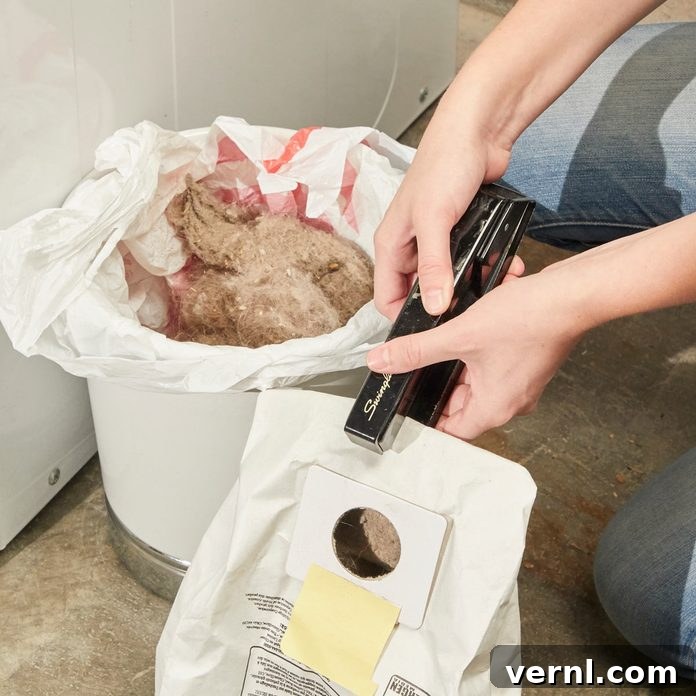
“In a pinch, a vacuum cleaner bag is actually reusable. The bottom end of the bag is usually folded over a few times and glued shut. To reuse a bag, unroll its end, being careful not to tear it, and then empty the contents into the trash. Refold the end and staple it back together. This hint definitely deserves a cheapskate award, but it works when you need it to.” — Travis Larson
Step-by-Step Guide to Reusing Your Vacuum Bag
- Carefully Unroll the Bag’s End: Most traditional paper vacuum bags have a folded and glued seam at the bottom. Gently unroll or unfold this seam. The goal is to open the bag without tearing the paper, as a tear could compromise its ability to hold dust and debris effectively. Take your time to preserve the integrity of the paper.
- Empty the Contents: Once the end is open, position the bag over a trash can and carefully empty all the collected dust, dirt, and debris. It’s advisable to do this outdoors or in a well-ventilated area to minimize dust exposure. Tap the bag gently to dislodge any clinging particles.
- Refold and Secure: After emptying, refold the bottom end of the bag exactly as it was before, creating a tight seal.
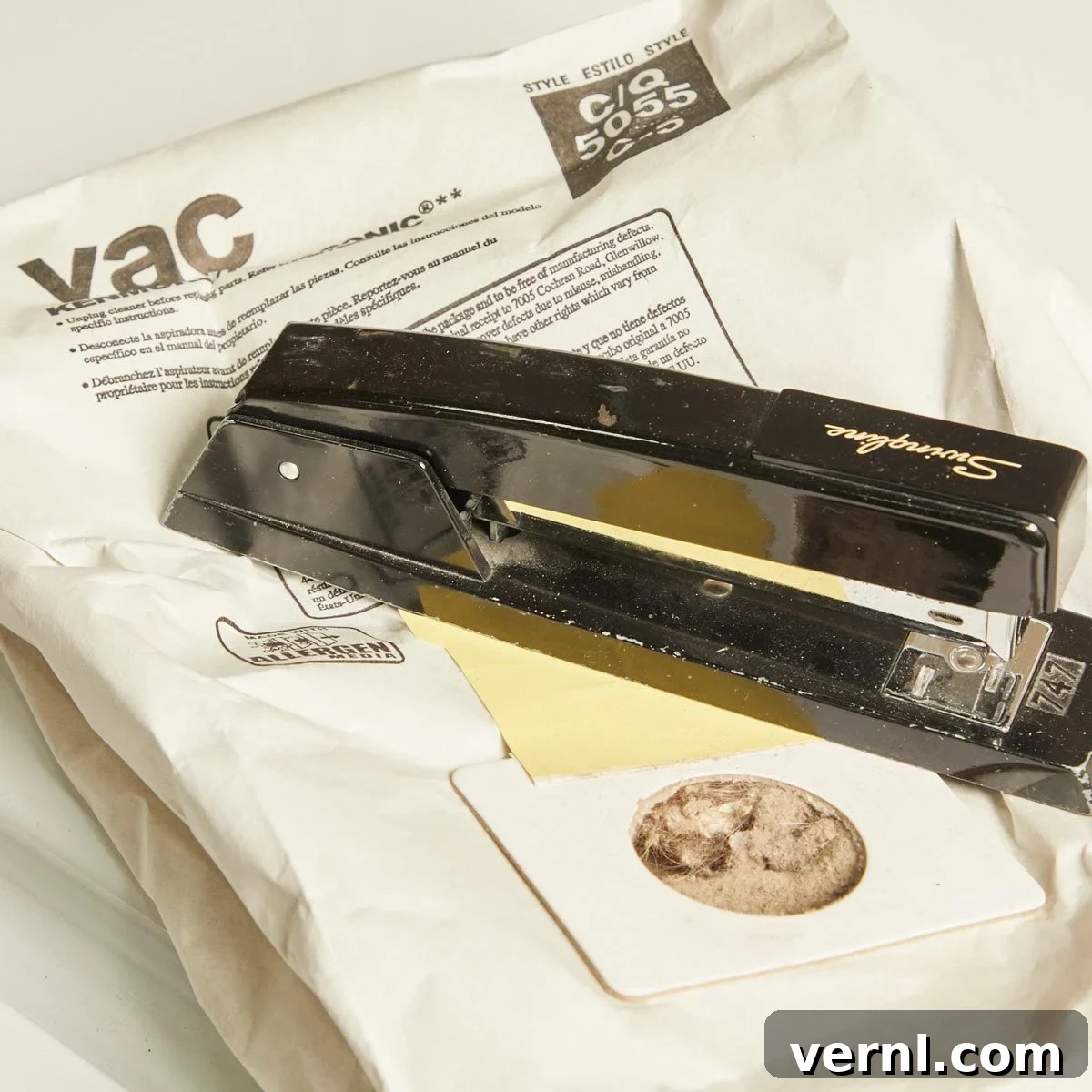
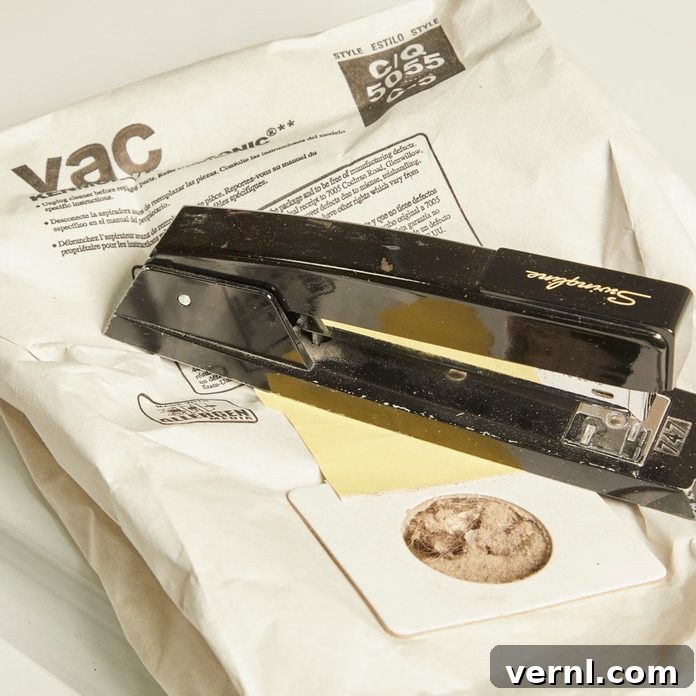
- Staple it Shut: Using a standard stapler, securely staple the folded end shut. Apply several staples across the seam to ensure it holds firm under the vacuum’s suction and the weight of new debris. Overlapping staples can provide extra security.
This “cheapskate award” worthy tip, as Travis Larson aptly puts it, isn’t meant to be a permanent solution. Its primary purpose is to serve as an emergency fix, allowing you to complete your cleaning task without interruption. While modern vacuum cleaner bags, especially synthetic ones, are designed for optimal filtration and disposal, this method is remarkably effective for traditional paper bags when options are limited. It embodies the spirit of resourcefulness, turning a potential setback into a minor inconvenience.
Beyond the Pinch: The Importance of Vacuum Maintenance and Bag Management
While reusing a bag in an emergency is a brilliant hack, understanding general vacuum cleaner maintenance is crucial for its long-term performance and efficiency. Proper care ensures your vacuum cleans effectively, lasts longer, and doesn’t become a source of allergens or odors.
Why Regular Bag Changes (or Emptying for Bagless) Matters
- Optimal Suction Power: A full or nearly full vacuum bag significantly reduces suction power. As dust and debris accumulate, airflow is restricted, forcing the motor to work harder and diminishing its cleaning capability.
- Motor Longevity: When airflow is restricted due to a full bag or clogged filter, the vacuum’s motor can overheat. This extra strain not only wastes energy but can also shorten the lifespan of your appliance.
- Air Quality and Filtration: Vacuum bags are designed to trap dust, allergens, and microscopic particles. A bag that’s too full can sometimes allow finer particles to escape back into the air, defeating the purpose of vacuuming. Additionally, some older or compromised bags might allow dust to leak from seams.
- Preventing Odors: Over time, trapped dirt, pet hair, and food particles in a vacuum bag can start to smell. Regularly changing the bag helps keep your vacuum (and your home) smelling fresh.
Bagged vs. Bagless Vacuums: A Quick Comparison
The vacuum bag reuse tip primarily applies to traditional bagged vacuums. However, understanding the differences between bagged and bagless systems can help you choose the best option for your cleaning needs and habits.
- Bagged Vacuums:
- Pros: Excellent for allergy sufferers as the bag traps dust and is sealed upon disposal, minimizing exposure to allergens. Often quieter.
- Cons: Requires ongoing purchase of bags, which adds to operating cost and creates waste. Suction can decrease as the bag fills.
- Bagless Vacuums:
- Pros: No bags to buy, reducing ongoing costs and environmental impact. You can see when the canister needs emptying. Consistent suction until the canister is very full.
- Cons: Emptying the canister can release a plume of dust and allergens into the air, making it less ideal for allergy sufferers. Filters require regular cleaning/replacement.
Embracing Sustainable and Economical Cleaning Practices
The vacuum bag reuse hack is a prime example of frugal and sustainable living. It’s about making the most of what you have and reducing waste. Extending this mindset to other areas of home cleaning can lead to significant savings and a smaller environmental footprint.
Tips for a Greener and Cheaper Cleaning Routine:
- DIY Cleaning Solutions: Many effective cleaning products can be made with common household ingredients like white vinegar, baking soda, lemon juice, and castile soap. These are often cheaper, free of harsh chemicals, and reduce plastic waste.
- Reusable Cleaning Cloths: Ditch paper towels for reusable microfiber cloths or old cotton shirts. They’re more absorbent, last longer, and can be washed and reused hundreds of times.
- Proper Storage: Storing cleaning supplies correctly (e.g., in airtight containers, away from direct sunlight) can extend their shelf life and prevent spoilage.
- Preventative Maintenance: Regularly dusting, wiping spills immediately, and using doormats can significantly reduce the amount of dirt and grime that builds up, lessening the need for intensive cleaning.
- Repair Over Replace: Before tossing a broken item, consider if it can be repaired. From a loose vacuum hose to a torn mop head, a simple fix can save you money and prevent waste.
What You Should Never, Ever Vacuum: Protecting Your Appliance and Home
While we’re discussing vacuum cleaner efficiency and longevity, it’s paramount to highlight items that should never come into contact with your vacuum. Vacuuming the wrong things can cause serious damage to your machine, create hazards, or simply be ineffective. This knowledge is as important as knowing how to maintain your vacuum or reuse its bag.
For a comprehensive guide on what to avoid, it’s highly recommended to consult expert advice. The Family Handyman provides an excellent resource detailing common vacuuming mistakes and the items that pose a threat to your vacuum and your home’s safety:
To be safe check out these 13 Things You Should Never, Ever Vacuum
Commonly Harmful Items to Avoid:
- Liquids: Never vacuum any liquids. This can cause electrical shorts, damage the motor, and create a shock hazard. Wet/dry vacs are specifically designed for this purpose.
- Large, Sharp Objects: Glass shards, nails, screws, coins, or large pieces of debris can clog hoses, damage the brush roll, or even tear the vacuum bag/canister.
- Fine Powders: Very fine dust like fireplace ash, drywall dust, or large quantities of flour can clog filters almost instantly, potentially escaping through the exhaust and spreading hazardous particles throughout your home. These require specialized HEPA filter vacuums or shop vacs.
- Electrical Cords and Cables: The rotating brush roll can easily snag and fray electrical cords, creating a fire hazard or damaging your appliances.
- Hair (in excess): While vacuums handle some hair, long strands, especially pet hair, can easily wrap around the brush roll, reducing its effectiveness and requiring frequent manual cleaning.
- Plants and Soil: While a small amount of soil is fine, vacuuming large quantities of potting soil or plant matter can introduce moisture and bugs into your vacuum, potentially leading to mold or unpleasant odors.
- Flammable Materials: Never vacuum anything flammable or explosive, such as lighter fluid, paint thinners, or even hot ashes. This is an extreme fire hazard.
By being mindful of what you vacuum, you not only protect your appliance but also ensure a safer and more effective cleaning environment for your home.