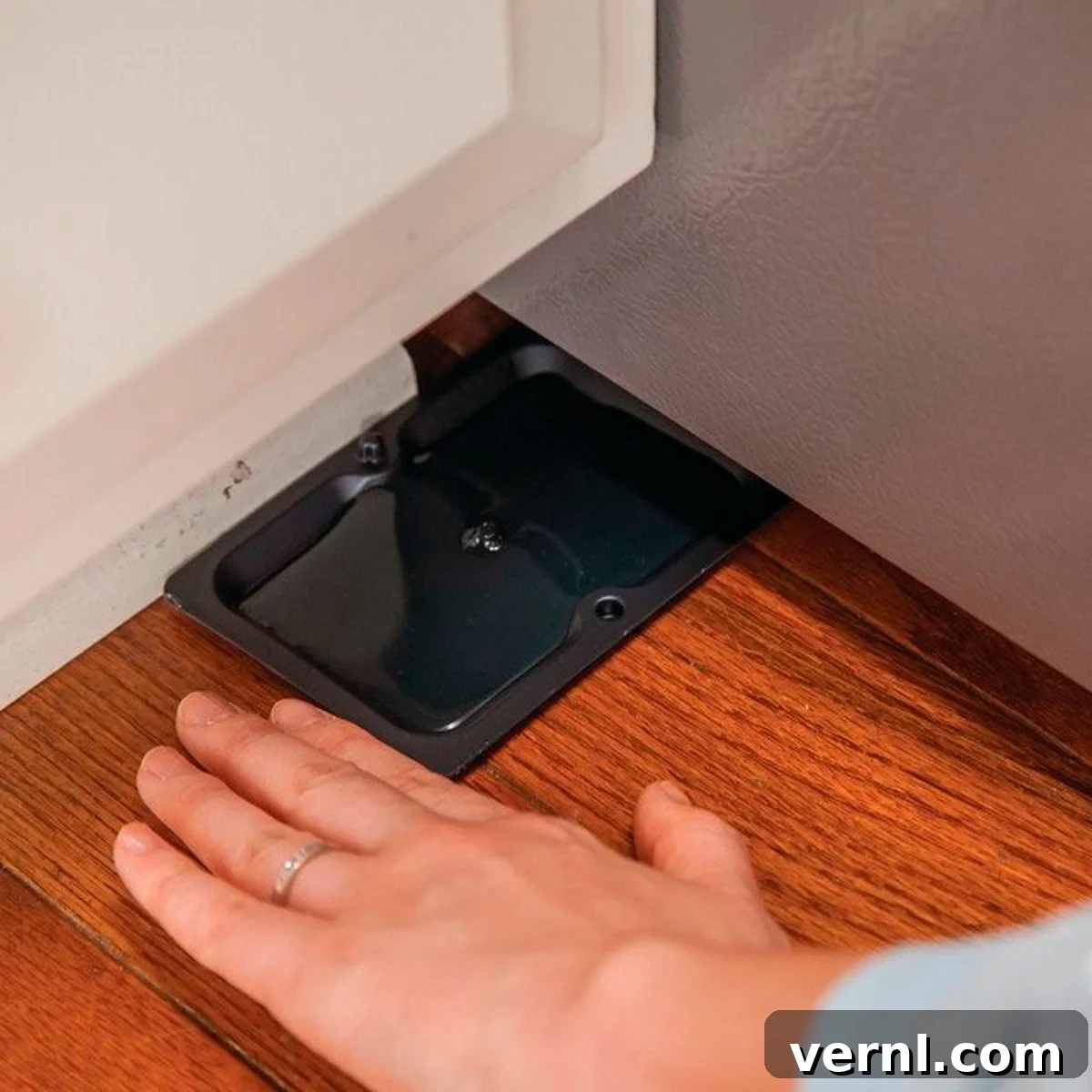
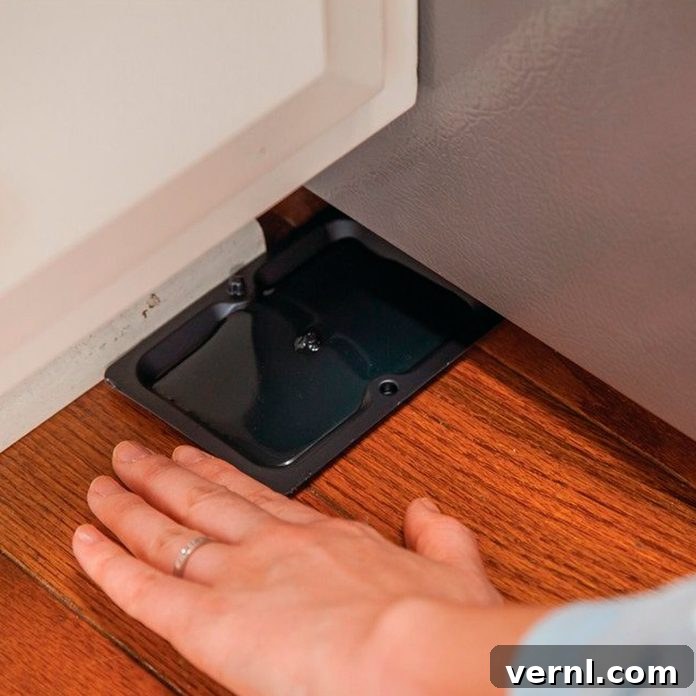
Dealing with a mouse infestation can be a frustrating and unsettling experience for any homeowner. When faced with these unwelcome guests, many immediately turn to trapping as a primary solution. While traditional snap traps, often known as spring-loaded bar traps, have long been a go-to method, they are certainly not the only option available on the market. Another commonly considered alternative is the sticky mousetrap, widely recognized as a glue trap. This pest control device typically consists of a flat piece of cardboard or plastic, meticulously coated with a specially engineered, extremely strong adhesive.
The fundamental question many homeowners ask is: “Do sticky mousetraps actually work?” The straightforward answer is yes, they can be effective in immobilizing mice. However, it’s crucial to understand that the results are often far from pleasant, raising significant ethical concerns. When a mouse, enticed by bait or simply exploring its environment, walks onto the adhesive surface, it becomes immediately stuck. The potent glue quickly immobilizes the rodent, preventing it from moving freely. Unlike snap traps that deliver a quick kill, sticky traps lead to a slow, agonizing demise. Trapped mice often succumb to hypothermia because they cannot move to maintain their body temperature, or they may die from starvation, dehydration, and immense stress. Once the mouse has expired, the entire trap, mouse and all, can be picked up and discarded. While seemingly convenient for disposal, the process itself is deeply distressing for the animal and can be unpleasant for the homeowner.
Sticky Mousetrap: Exploring the Pros and Cons of Glue Traps
Sticky mousetraps, despite their controversial nature, do possess certain characteristics that appeal to some users. Understanding these advantages and disadvantages is essential for making an informed decision about your pest control strategy.
Advantages of Using Sticky Mousetraps
- Non-Toxic Nature: One of the most attractive benefits of glue traps is that they do not rely on toxic baits or chemicals. This can be a significant advantage in homes with children or pets, where the risk of accidental poisoning from rodenticides is a serious concern. The adhesive itself is generally non-toxic, reducing the chemical footprint of your pest control efforts.
- Simplicity and Ease of Use: Sticky traps are remarkably straightforward to deploy. There’s no complex setup, no baiting mechanisms to trigger precisely, and no intricate instructions to follow. You simply unpackage them and place them in strategic locations. Their flat design also allows them to be discreetly placed in tight spaces.
- Cost-Effectiveness: Generally, sticky mousetraps are one of the most inexpensive options available for dealing with rodent problems. Their low cost makes them accessible for many budgets, allowing homeowners to purchase several traps to cover multiple areas without a significant financial outlay.
- Clear Evidence of Capture: Unlike poisons where mice may wander off to die in inaccessible locations, glue traps provide immediate and undeniable evidence of a catch. The mouse remains stuck on the glue surface, making disposal straightforward and confirming that a pest has been removed from your home. This eliminates the uncertainty associated with other methods where you might not know if the pest control measure was successful.
Disadvantages and Limitations of Sticky Mousetraps
While the benefits might seem appealing, the downsides of sticky traps are considerable and often outweigh the perceived advantages:
- Decreased Effectiveness Over Time: The longer a sticky mouse trap sits exposed, the less effective its adhesive surface becomes. Dust, dirt, pet hair, and other debris can accumulate on the glue, reducing its stickiness and making it easier for mice to escape or avoid getting stuck altogether. This means traps need to be checked and replaced frequently, adding to ongoing costs and effort.
- Environmental Sensitivity: Glue traps are particularly ineffective in challenging environmental conditions. High levels of dust, dirt, or moisture can quickly compromise the adhesive properties. Similarly, extreme hot or cold temperatures can affect the glue’s efficacy, either making it too soft and messy or too brittle and ineffective. This limits their practical application in various areas of a home or outdoors.
- Inhumane Treatment of Animals: Perhaps the most significant drawback is the extreme suffering inflicted upon trapped animals. Mice can remain alive and struggling on these traps for hours, even days, experiencing intense fear, pain, and distress. They may attempt to chew off their own limbs to escape, tear their fur, or suffer from severe injuries. This slow and painful death is widely considered inhumane by animal welfare organizations and many pest control experts.
- Risk to Non-Target Animals: Sticky traps pose a risk not only to mice but also to other small creatures, including pets like kittens or puppies, small birds, lizards, or beneficial insects. If a pet gets stuck, it can be a distressing and potentially harmful situation, requiring careful and often difficult removal.
- Difficult and Unpleasant Disposal: While providing clear evidence of a catch, disposing of a live or recently deceased mouse stuck to a glue trap can be a traumatic experience. Homeowners may find themselves dealing with a struggling animal, which can be distressing for both the animal and the person.
Exploring Humane and Effective Alternative Trapping Methods for Rodent Control
When confronted with a mouse problem, it’s understandable that being “nice” to these unwelcome visitors might not be your immediate priority. However, the ethical implications of certain trapping methods, particularly those that inflict slow and agonizing suffering, are increasingly a concern for many. It’s important to remember that mice, like any living creature, are simply trying to survive. Fortunately, there are several more humane and often more effective alternatives to sticky traps available for managing a rodent infestation.
Humane Live Traps: Catch and Release
If you prefer a method that avoids harm entirely, live traps are an excellent choice. These traps typically feature a spring-loaded door that snaps closed once the mouse enters, often lured by bait such as peanut butter or seeds. The design ensures the mouse is captured unharmed and can then be released back into its natural habitat. This is the method many environmentally conscious individuals and families, including my own, prefer.
When using live traps, it’s crucial to check them frequently—at least every few hours—to minimize the stress and fear for the trapped animal. Once a mouse is caught, it should be released promptly. It’s recommended to relocate the mouse a significant distance from your home (at least a mile or two) and away from other residential areas, such as a local state park or a densely wooded area. While there’s no guarantee the mouse will thrive in its new environment, this method at least gives them a fighting chance at survival, embodying a more compassionate approach to pest management.
Traditional Snap Traps: Quick and Efficient
For those who prioritize effectiveness and a rapid resolution to the problem, traditional snap traps remain a popular and generally more humane alternative to glue traps. These traps are designed to deliver a quick, decisive strike that kills the mouse instantly, minimizing suffering. Modern snap traps have evolved beyond simple wooden designs, now often featuring plastic construction that is easier to bait, set, and clean. When properly baited and strategically placed, snap traps can be highly effective in controlling rodent populations swiftly.
Electronic Traps: A Modern and Humane Kill Option
A more advanced alternative to traditional snap traps are electronic mouse traps. These devices use a high-voltage electrical shock to kill mice quickly and humanely. The mouse enters a chamber, makes contact with baited plates, and receives a fatal jolt. Electronic traps are often praised for their cleanliness, as the mouse remains contained within the chamber, making disposal simple without direct contact. They are also reusable, offering a long-term solution. Many models include indicator lights to signal a catch, ensuring timely disposal.
Prevention and Exclusion: The Best Long-Term Solution
Ultimately, the most effective and humane approach to rodent control is prevention and exclusion. Addressing how mice enter your home and eliminating attractants can prevent infestations before they start. This involves a multi-faceted strategy:
- Seal Entry Points: Conduct a thorough inspection of your home’s exterior and interior. Mice can squeeze through incredibly small openings—as little as a quarter-inch gap. Seal cracks in foundations, gaps around utility pipes, vents, and openings around windows and doors with materials like steel wool, caulk, or mesh.
- Proper Food Storage: Store all food, including pet food and birdseed, in airtight containers. Clean up crumbs and spills immediately. Avoid leaving pet food out overnight.
- Maintain Cleanliness: Regular cleaning, vacuuming, and decluttering can significantly reduce nesting sites and food sources for mice.
- Yard Maintenance: Keep your yard tidy, trimming bushes and trees away from the house, and storing firewood at least 20 feet away from your home and off the ground.
Natural Deterrents: Keeping Mice Away Naturally
In addition to physical barriers, certain strong scents can act as natural deterrents, making your home less inviting for mice. These methods are typically more effective as preventative measures or to encourage mice to leave, rather than as primary trapping solutions:
- Peppermint Oil: Mice are known to dislike strong scents like peppermint. Soaking cotton balls in peppermint essential oil and placing them in suspected entry points or areas of high activity can help deter them. Regularly refresh the cotton balls as the scent fades.
- Used Kitty Litter: The scent of a predator is a powerful deterrent. Placing small amounts of used kitty litter (from a cat known to hunt) in non-traffic areas, out of reach of children and pets, can make mice think twice about settling in.
- Other Essential Oils: Clove oil, cayenne pepper, and eucalyptus oil are also strong, natural scents that can be used similarly to peppermint oil.
Frequently Asked Questions About Mouse Trapping and Rodent Control
Are sticky traps more effective or humane than traditional mousetraps?
If trapping is your preferred method to get rid of your mouse problem, snap traps are generally considered more reliable and significantly more humane than sticky mousetraps. Snap traps are designed for a quick kill, minimizing the animal’s suffering, whereas sticky traps lead to a prolonged and agonizing death from exposure, starvation, or stress. For an even swifter and often cleaner kill, you can also try traps that kill with electricity, which deliver a high-voltage shock. When considering overall effectiveness and ethical implications, both snap traps and electronic traps typically outperform sticky traps.
Where should I place sticky traps or any mouse traps in my home for maximum effectiveness?
Regardless of the trapping method you choose, pinpointing where the mice are gaining entry to your home and identifying their travel paths is of the utmost importance. This can be challenging because, as pest control expert Meg Pearson points out, “Mice are able to squeeze through cracks in your home that are so small, you likely don’t even realize they’re there.” Mice are also adept at hiding and can show up in places where you don’t expect them, often preferring dark, secluded areas close to food and water sources.
Anywhere you observe signs of mouse activity, such as droppings, gnaw marks, or scurrying sounds, is a prime spot to set mouse traps. Common areas include the kitchen (especially under sinks, behind appliances, and inside pantries), storage areas, basements, attics, and anywhere there might be food crumbs on the floor or readily available nesting materials. Mice tend to hug walls, so place traps perpendicular to walls with the trigger facing the baseboard. For optimal results, set a generous number of traps—the more traps you set, the higher your chances of catching mice quickly and effectively, leading to a faster resolution of your infestation.
What should I do if a pet or child gets stuck on a glue trap?
If a pet or child accidentally comes into contact with a glue trap, it’s crucial to remain calm. Do not try to forcefully pull them off, as this can cause significant injury. Instead, apply a small amount of vegetable oil, olive oil, or mineral oil to the affected area where they are stuck to the glue. Gently work the oil under the edges of the glue to dissolve the adhesive bond. This process may take some time and patience. For pets, it might be helpful to use a comb to slowly work the glue out of their fur. If a significant amount of glue is ingested or if you are concerned about injury, contact a veterinarian or poison control immediately. Always place traps in areas inaccessible to children and pets.
How do I properly dispose of a trapped mouse, whether dead or alive?
For a dead mouse on any type of trap, wear gloves and place the entire trap and mouse into a sealed plastic bag. Then, dispose of it in an outdoor garbage bin. For a live mouse caught in a live trap, release it far from your home as described earlier. If a mouse is caught on a sticky trap and is still alive, many find the situation distressing. The most humane approach is often to swiftly and decisively end its suffering. This can be done by placing the entire trap into a bucket of water to drown the mouse quickly, or by striking the trap with a heavy object. This is an unpleasant task, highlighting another reason why many prefer other trapping methods or professional pest control.
About the Expert
- Meg Pearson is the Training Manager at Critter Control, a leading pest control company, and is widely recognized as an expert in the field of pest management and animal behavior. Her insights provide valuable guidance on effective and responsible rodent control strategies.