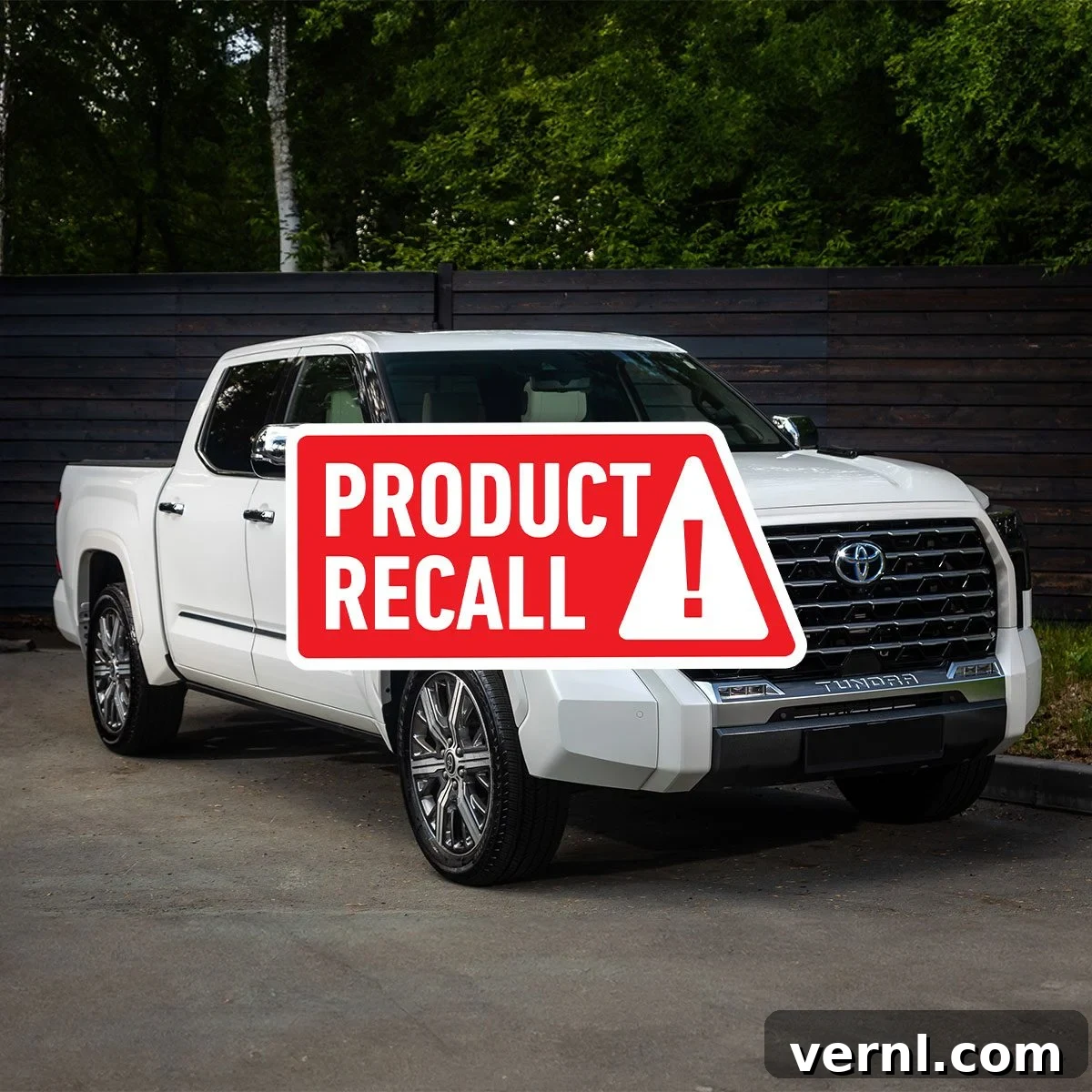
Urgent Toyota Tundra Recall: Critical Reverse Light Issue Affects Hundreds of Thousands of Vehicles
Disturbing news has emerged for a significant number of Toyota Tundra owners: a new recall has been announced that could directly impact your vehicle’s safety. The National Highway Traffic Safety Administration (NHTSA) has officially reported that hundreds of thousands of Toyota Tundra models are experiencing critical lighting issues, rendering these vehicles potentially dangerous on public roads. This widespread problem, specifically related to malfunctioning reverse lights, severely reduces vehicle visibility and increases the risk of accidents. It’s imperative for affected owners to understand the details of this recall, identify if their vehicle is included, and take immediate action to address the problem.
This comprehensive guide will walk you through everything you need to know about this pressing safety recall. We will cover the specific reasons behind the recall, identify the affected Toyota Tundra models, detail the repair process, and provide crucial steps you can take to ensure your safety and the safety of others on the road. Don’t wait to find out if your vehicle is among those with faulty lighting systems; your prompt attention could prevent a serious incident.
Understanding the Toyota Tundra Reverse Light Recall: What You Need to Know
The core of this recall stems from a fundamental design flaw in the reverse light assemblies of numerous Toyota Tundra and Tundra Hybrid vehicles. According to the detailed NHTSA brief, these crucial lighting components are not adequately waterproofed. This design oversight allows moisture to infiltrate the reverse light assemblies, which can lead to premature failure of the lights. When these lights fail, the consequences for vehicle safety are significant and potentially catastrophic.
A non-functional reverse light is more than just an inconvenience; it’s a critical safety hazard. The NHTSA explicitly warns that “Reverse light failure may reduce visibility.” This diminished visibility primarily impacts other drivers and pedestrians who rely on these visual cues to anticipate your vehicle’s movements. Without working reverse lights, there is no clear indication that your vehicle is engaging in a backing maneuver. This lack of communication can catch other road users off guard, dramatically increasing the likelihood of collisions, especially in parking lots, driveways, or busy urban environments. The increased risk of being involved in a car crash necessitates immediate attention to this recall.
The Critical Safety Implications of Faulty Reverse Lights
The implications of having malfunctioning reverse lights extend far beyond a minor annoyance; they pose substantial risks to both vehicle occupants and the general public. When your reverse lights fail, your vehicle essentially loses a vital communication tool. Drivers behind you, cyclists, and pedestrians will not receive the standard visual warning that you are about to move backward, making them unaware of potential danger. This can lead to rear-end collisions, pedestrian accidents, and even severe injuries.
Imagine attempting to back out of a parking space in a busy shopping center or reversing down a dark driveway without illuminated reverse lights. The absence of these bright white indicators significantly compromises your ability to be seen and understood by others. In low-light conditions or inclement weather, the risk is further compounded. Such failures also place an undue burden on the driver, who must then rely on less effective methods like hand signals or extremely cautious maneuvers, which are not always practical or safe in dynamic driving situations. Toyota’s proactive recall addresses this serious safety concern by aiming to restore full functionality and peace of mind to its customers.
Is Your Toyota Tundra Affected? Identifying Recalled Models
This extensive recall program impacts a staggering 440,000 Toyota vehicles across various model years. Owners of the following Toyota Tundra and Tundra Hybrid models should pay close attention:
- 2022 Toyota Tundra
- 2023 Toyota Tundra
- 2024 Toyota Tundra
- 2025 Toyota Tundra
- 2022 Toyota Tundra Hybrid
- 2023 Toyota Tundra Hybrid
- 2024 Toyota Tundra Hybrid
- 2025 Toyota Tundra Hybrid
If you own any of the vehicles listed above, it is crucial to understand the next steps. Toyota plans to dispatch official owner notification letters by mail in late June 2025. This letter will serve as confirmation of your vehicle’s inclusion in the recall and will provide detailed instructions on how to proceed with the repair. While awaiting this official communication, it is highly advisable to exercise extreme caution when operating your vehicle. Owners should make a conscious effort to minimize situations requiring them to drive in reverse, and when it is unavoidable, proceed with heightened vigilance, checking all mirrors and surroundings multiple times.
Even before receiving the letter, you can proactively check if your specific vehicle is part of this recall. You will need your Vehicle Identification Number (VIN). Visit the official NHTSA recalls website or Toyota’s dedicated recall checker (usually found on their customer service portal) and enter your VIN. This will give you immediate confirmation and details specific to your vehicle, allowing you to plan for the necessary repairs without delay.
Toyota’s Commitment to Safety: The Repair Process Explained
Toyota is committed to rectifying this safety defect efficiently and without any financial burden on its customers. The solution for the faulty reverse lights involves a comprehensive repair process carried out by authorized Toyota dealerships. Specifically, dealers will undertake the replacement of both reverse light assemblies in your vehicle. Furthermore, they will inspect and, if necessary, repair the associated wire harnesses that may have been affected by moisture ingress or subsequent damage. Crucially, all these repair services, including parts and labor, will be provided free of charge to the owner.
While you are waiting for your vehicle to be repaired, it is paramount to prioritize safety. Be extra diligent during all driving maneuvers, and especially when reversing. Since you will not have the visual assistance of functioning reverse lights, you will need to rely more heavily on your mirrors, rear-view camera (if equipped and functional), and manual checks of your surroundings. In situations where communication with other road users is essential, consider using appropriate hand signals to indicate your intention to reverse. Schedule your repair as soon as you receive your notification or confirm your vehicle’s involvement to minimize the period during which your vehicle operates with this safety defect.
Immediate Steps for Owners: Confirming Your Vehicle’s Status and Getting Support
If you have further questions regarding this recall, wish to confirm if your vehicle is affected without waiting for the mail, or require immediate assistance, you have several direct channels for support. You can reach out directly to Toyota’s dedicated customer service line. Their representatives are equipped to assist you with recall-related inquiries. When you call, make sure to clarify that you are inquiring about recall numbers 24TB06 and 24TA06 to ensure you receive accurate and specific information regarding the reverse light issue.
- Toyota Customer Service: 1-800-331-4331 (Mention recall numbers 24TB06 and 24TA06)
Additionally, you can contact the National Highway Traffic Safety Administration (NHTSA) Vehicle Safety Hotline. The NHTSA serves as a crucial resource for all vehicle safety recalls and can provide independent verification and information. For this specific recall, please reference the NHTSA campaign number 25V322000 when contacting them.
- NHTSA Vehicle Safety Hotline: 1-888-327-4236 (Reference NHTSA recall number 25V322000)
It is always recommended to check the official NHTSA website by entering your Vehicle Identification Number (VIN) to get the most up-to-date and specific information pertaining to your vehicle. This online tool is typically the fastest way to confirm any open recalls associated with your car.
Beyond the Recall: The Importance of Vehicle Lighting and Road Safety
This recall serves as a critical reminder of the fundamental role vehicle lighting plays in overall road safety. Beyond reverse lights, every lighting component on your vehicle – headlights, tail lights, brake lights, and turn signals – is a vital communication device. They allow you to see the road ahead, make your vehicle visible to others, and signal your intentions clearly. Regular checks of all your vehicle’s lights are not just good practice but a crucial aspect of responsible vehicle ownership and preventative safety.
Faulty lights, whether due to a manufacturing defect or simple wear and tear, compromise your ability to drive safely and increase the risk of accidents. Drivers should make it a habit to periodically inspect their vehicle’s lights, ensuring they are clean, functional, and properly aimed. Addressing issues like burnt-out bulbs or malfunctioning assemblies promptly can prevent potential dangers and ensure you comply with local traffic laws. This particular Toyota Tundra recall highlights how a seemingly minor component failure can have significant safety repercussions, underscoring the interconnectedness of all vehicle systems.
Staying Informed: Your Role in Vehicle Safety
Staying informed about potential vehicle recalls is a shared responsibility between manufacturers, regulatory bodies, and vehicle owners. While manufacturers like Toyota are obligated to notify owners of safety defects, proactive engagement from consumers is equally important. Subscribing to recall alerts, regularly checking your vehicle’s VIN on the NHTSA website, and paying attention to automotive news can help you stay ahead of potential safety issues.
Vehicle recalls are not a reflection of a brand’s overall quality but rather a testament to the rigorous safety standards and the ongoing commitment to address any discovered issues. By promptly responding to recall notices and ensuring necessary repairs are completed, you contribute to safer roads for everyone. Don’t underestimate the impact of a single safety recall; it’s a call to action to protect yourself and your community.
Source & Further Reading
Vehicle Lighting Failure, National Highway Traffic Safety Administration, 2025.
RELATED:
- Do You Know What That Little Button on Your Seat Belt Is For?
- What Those Lines on Your Backup Camera Really Tell You
- Here’s What The Small Panel On Your Car’s Front Bumper Is For