
Phone Not Charging? Your Ultimate Guide to Troubleshooting and Fixes
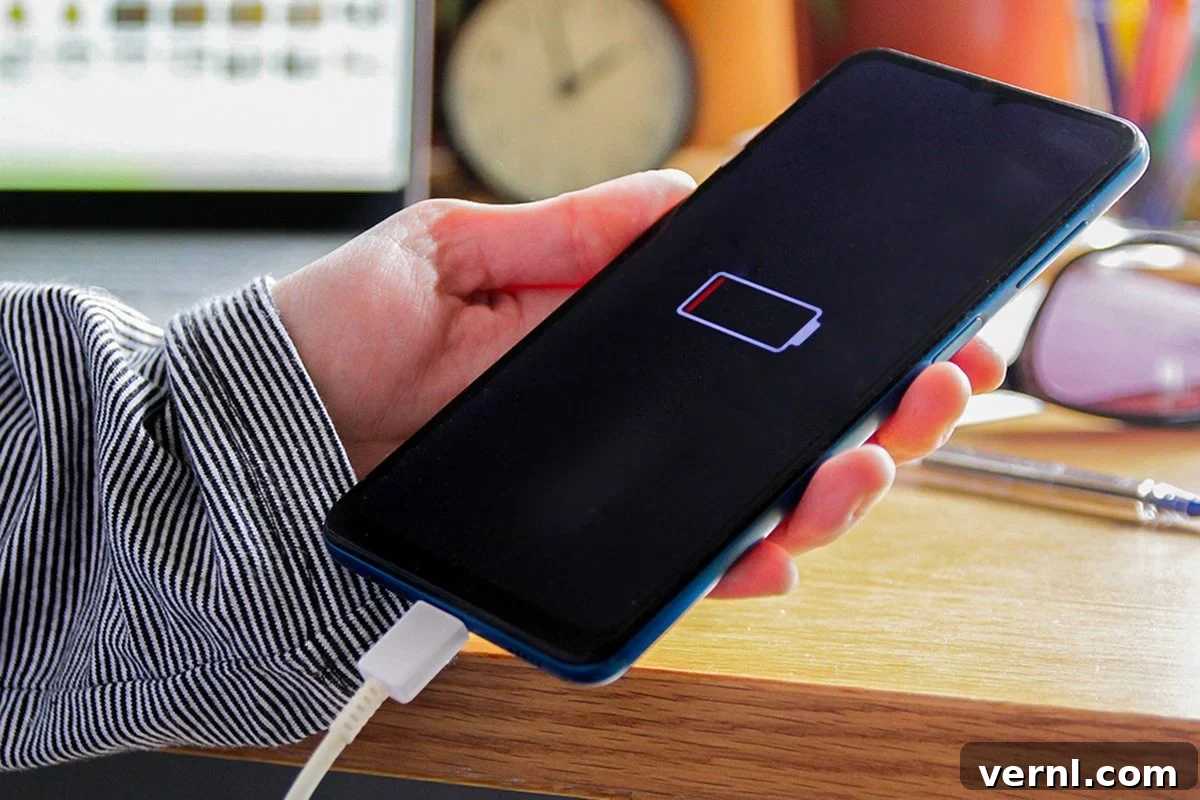
There’s arguably no worse feeling in the digital age than reaching for your smartphone, expecting it to be fully charged and ready for the day, only to find it stubbornly stuck in the red – or worse, completely dead. That moment of frustration, often just before an important meeting, a planned photo-op, or when you simply need to stay connected, is universally understood. Our phones have become indispensable tools, vital for communication, navigation, entertainment, and even banking. When they fail to charge, it throws a significant wrench into our daily routines.
The good news is that a non-charging phone doesn’t always spell disaster. Often, the culprit is something relatively simple and easily fixable. From mundane issues like a dirty charging port to more complex software glitches or an aging battery, understanding the root cause is the first step toward a solution. This comprehensive guide will delve into the seven most common reasons your phone might not be charging, provide actionable fixes, and equip you with the knowledge to troubleshoot like a pro. Let’s get your device back to 100%.
Unraveling the Mystery: Why Your Phone Refuses to Charge
Faulty Power Source
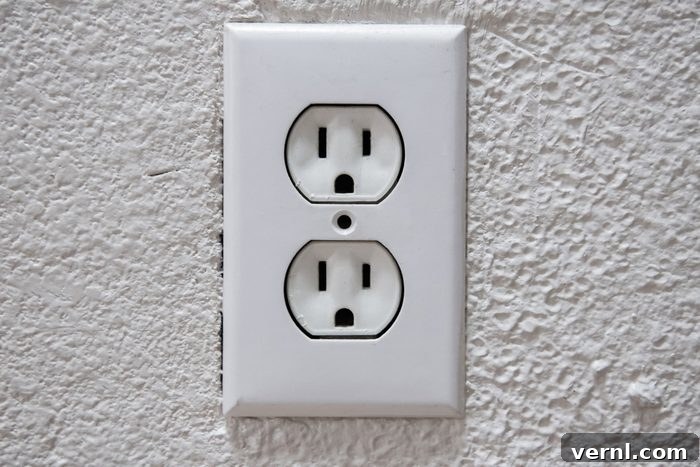
Before diving into complex diagnostics, always start with the simplest explanation: the power source itself. It’s surprisingly common for the issue to lie not with your phone or charger, but with the electrical outlet you’re using. An outlet might be dead, faulty, or simply not receiving power for various reasons. For instance, some outlets, particularly in older homes or specific rooms like bedrooms and living areas, are wired to a light switch that controls their power supply. If that switch is off, the outlet won’t provide electricity, and your phone won’t charge.
Dylan Vercher, a seasoned manager at a T-Mobile store in Farragut, TN, frequently encounters this problem. He notes, “One of the first things I ask customers bringing in non-charging phones is, ‘Is it plugged into a socket that’s controlled by a light switch that got turned off?'” This highlights just how prevalent this seemingly obvious issue can be.
**The Fix:** Begin by testing the outlet. Plug another device that you know works, like a lamp or another small appliance, into the same outlet. If that device doesn’t power on, the outlet is likely the problem. Next, check for any nearby light switches that might control the outlet and ensure they are in the ‘on’ position. If the outlet still doesn’t work, try plugging your phone’s charger into a different, known-working outlet in another room. This simple step can quickly rule out or confirm the power source as the culprit, saving you time and frustration.
Broken Charger or Adapter
Your charging cable and wall adapter endure a lot of stress. They are bent, coiled, stepped on, and sometimes even chewed by curious pets. Over time, this wear and tear can lead to damage that compromises their ability to conduct electricity efficiently or safely. A frayed cable, bent connector pins, a cracked adapter housing, or even internal wire breaks that aren’t immediately visible can disrupt the power flow to your device. If either the cable or the adapter is compromised, power simply won’t reach your phone reliably, if at all.
Physical damage isn’t the only concern; internal components can also degrade. Connectors can become loose, or circuits within the adapter can fail due to age or stress. Using a damaged charger is not only ineffective but can also pose significant safety risks, including overheating, short circuits, and even fire hazards.
**The Fix:** Carefully inspect your charging cable and wall adapter for any visible signs of damage. Look for frayed wires, kinks, exposed inner cables, bent or broken pins on the connector, or cracks in the adapter’s casing. If you spot any damage, immediately replace both the cable and the adapter with new, high-quality units. To confirm if the issue lies with your charger, try charging another device (like a tablet or a friend’s phone) using your current charger. If the other device also fails to charge, you’ve likely found your problem. Conversely, try charging your phone with a different, known-working charger and adapter. If your phone charges perfectly with the new set, then your old charger was indeed the issue.
Dirty Charging Port
Your phone accompanies you everywhere, and with that mobility comes exposure to a multitude of environments. Over time, tiny particles like lint from your pocket, dust, sand, crumbs, lotion residue, or even minuscule bits of food can accumulate inside your phone’s charging port. This seemingly innocuous buildup can create a physical barrier between the charging cable’s connector and the electrical contacts within your phone, preventing a secure connection and thus hindering charging. Even a thin layer of grime can be enough to disrupt the delicate connection required for power transfer.
It’s often difficult to see this debris without proper illumination. The port might look clear at first glance, but a closer inspection can reveal hidden blockages. A flashlight can be an invaluable tool to peer inside the port and identify any foreign material.
**The Fix:** Extreme caution is paramount when cleaning your charging port to avoid causing further damage to the delicate internal pins. The safest and most recommended method is to use a can of compressed air. Hold the can upright and deliver short, controlled bursts into the port to dislodge dust and lint. Alternatively, a soft-bristled, non-metallic brush (like a new, clean toothbrush or a specialized anti-static brush) can be used very gently to sweep out debris. Avoid using sharp objects like paper clips, toothpicks made of wood that could splinter, or anything metallic, as these can easily bend or break the charging pins, leading to irreparable damage. If, after gentle cleaning, your phone still won’t charge, or if you notice any visible damage to the pins, it’s best to take your phone to a professional repair technician to prevent aggravating the issue.
Incompatible or Low-Quality Charger
While it might seem like a marketing ploy, cell phone manufacturers strongly recommend using their branded or officially certified charging accessories for a good reason. Not all chargers are created equal. Using an incompatible or low-quality charger can lead to slow charging, inconsistent charging, or even damage to your phone’s battery and internal components over time. These issues arise because “cheap” or generic chargers often lack the proper voltage, amperage, and safety protocols required by your device. They might not deliver power efficiently, leading to overheating, or they could provide unstable power that stresses your phone’s delicate charging circuitry.
Apple support, for instance, explicitly stresses the importance of using Apple-certified chargers, identifiable by their “MFi-certified” (Made for iPhone/iPad) label, ensuring compatibility and safety. Similarly, Samsung advises using Samsung Authorized chargers and cables, which are engineered to maximize battery life and performance. For wireless charging, devices should be Qi certified to ensure safe and efficient power transfer.
Dylan Vercher from T-Mobile also cautions against the allure of “cheap chargers from the gas station,” emphasizing that their inconsistent quality can cause more harm than good. He recommends sticking with chargers from reputable brands, ideally the same brand as your phone, or well-established third-party manufacturers like Belkin, which adhere to strict quality and safety standards.
**The Fix:** Prioritize purchasing chargers and cables that are specifically designed and certified for your device. Look for official certifications (MFi for Apple, Qi for wireless) and choose reputable brands. While they might be slightly more expensive upfront, the investment in a quality, compatible charger can prevent potential damage to your phone’s battery and ensure optimal charging performance and safety in the long run.
Software Glitches
While charging is primarily a hardware function, your phone’s software plays a crucial role in managing the power flow and battery health. Software glitches, bugs in the operating system, or rogue background applications can significantly interfere with the charging process. If your phone’s software is not optimized, it might incorrectly report battery levels, limit charging speed, or even prevent charging altogether. Apps that constantly run in the background, especially those using location services, streaming media, or performing intensive calculations, can siphon a considerable amount of power, making it seem like your phone isn’t charging, or is charging very slowly, even when plugged in. Samsung and other manufacturers frequently point out that outdated software is a common cause of unexpected charging issues, as critical bug fixes and power management optimizations are often included in updates.
**The Fix:** A simple restart is often the quickest solution for minor software glitches. It can clear temporary bugs, reset processes, and give your phone a fresh start. If the issue persists, go into your phone’s settings and identify any apps that are consuming excessive power in the background. Close unnecessary apps or restrict their background activity. Finally, ensure your phone’s operating system and all applications are up to date. Software updates often contain crucial bug fixes and improvements to battery management. If these steps don’t resolve the issue, a more drastic step like backing up your data and performing a factory reset might be considered as a last resort, as it can eliminate deeper software conflicts.
Your Phone Case
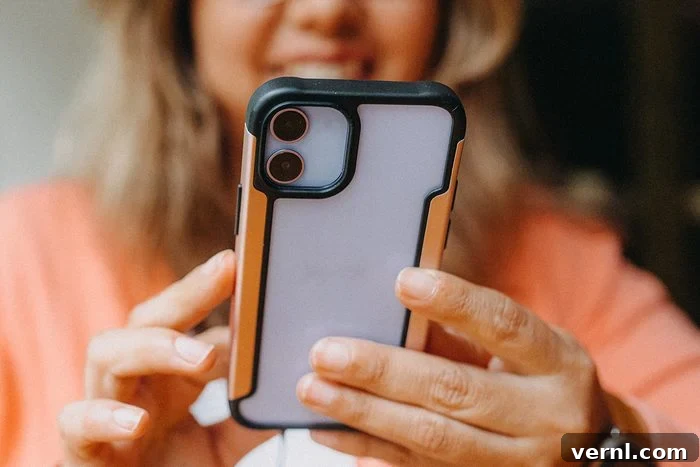
It might seem counterintuitive, but your phone case, designed to protect your device, can sometimes be the very thing interfering with its ability to charge. Cases that are too bulky, excessively thick, or have ill-fitting cutouts around the charging port can physically obstruct the charging cable from fully seating itself. If the cable isn’t securely connected, the electrical contacts won’t align properly, preventing a stable charge. This is a particularly common issue with rugged cases or those with deeply recessed ports. Furthermore, some cases can trap heat, which is detrimental to battery health and can also slow down charging, especially with wireless charging setups.
For phones that support wireless charging, certain cases – particularly those made with thick materials or containing metal elements – can interfere with the electromagnetic field required for power transfer, making wireless charging unreliable or impossible.
**The Fix:** Before troubleshooting anything else, simply remove your phone’s case and then attempt to charge your device. If it charges normally without the case, you’ve identified the problem. While continuously removing your case every time you charge can be annoying, it confirms the case is the culprit. In such a scenario, consider investing in a new phone case that is either slimmer, has a more precise cutout for the charging port, or is explicitly designed to be compatible with both wired and wireless charging standards for your specific phone model.
Old Battery
Just like any rechargeable battery, your phone’s lithium-ion battery has a finite lifespan. With each charge and discharge cycle, the battery’s chemical components degrade, reducing its overall capacity and ability to hold a charge. Dylan Vercher highlights that the average smartphone battery is designed for approximately 500 to 700 full charge cycles before its performance noticeably declines. He further explains that smartphones are “small computers with no fans,” meaning the heat generated during processing and even during charging significantly contributes to battery degradation over time. Eventually, the battery will reach a point where it can no longer store sufficient energy, leading to rapid discharge, inconsistent charging, or a complete failure to accept a charge.
Signs of an aging battery include your phone dying suddenly even when showing 20-30% charge, significantly shorter battery life compared to when it was new, or the phone feeling unusually warm during normal use or charging. In some extreme cases, a severely degraded battery can even swell, causing the phone’s screen or back panel to bulge – a definite sign to seek professional help immediately.
**The Fix:** If you suspect an old battery is the issue, there are a few options. Many modern smartphones provide battery health information in their settings (e.g., iPhone Battery Health). If your phone supports user-replaceable batteries, acquiring a new, genuine battery and replacing it can revive your device. However, for most contemporary smartphones, battery replacement is a complex procedure best handled by certified technicians or the manufacturer. If replacement isn’t feasible or cost-effective, it might be time to consider a warranty upgrade or a new phone entirely. Consult your local dealer or a reputable repair shop to confirm battery issues and discuss the best course of action for your specific device.
Systematic Troubleshooting: Is It Your Phone or Your Charger?
When your phone refuses to charge, isolating the problem to either the phone itself or the charging accessories is key to finding a solution. A systematic approach will save you time and prevent unnecessary expenses. Here’s a step-by-step guide to determine the culprit:
- Check the Power Source First: As discussed, this is the easiest to rule out.
- Plug a different device (like a lamp or another phone) into the wall outlet. If it doesn’t work, the outlet is likely dead.
- Ensure any light switches controlling the outlet are in the ‘on’ position.
- Try a completely different wall outlet in another room.
- Inspect and Test Your Charger (Cable and Adapter):
- Visually inspect both the charging cable and the wall adapter for any signs of physical damage: fraying, bent pins, kinks, or cracks.
- Test the Cable: Try using your cable with a different, known-working wall adapter. If your phone charges, your original adapter was likely faulty.
- Test the Adapter: Try using your wall adapter with a different, known-working charging cable. If your phone charges, your original cable was likely faulty.
- Use a Full Replacement: If you have access to a completely different, high-quality, and compatible charger (both cable and adapter), try charging your phone with it. If your phone charges perfectly, your old charger (either cable, adapter, or both) was the problem.
- Examine Your Phone’s Charging Port:
- Shine a flashlight into the port. Look for lint, dust, dirt, or any foreign objects obstructing the connection.
- Gently clean the port using compressed air or a soft, non-metallic brush. Do NOT use sharp or metallic objects.
- Remove Your Phone Case:
- Take off your phone’s protective case and attempt to charge the device again. If it charges, your case was interfering with the connection or heat dissipation.
- Address Software Issues:
- Restart your phone. This can often resolve minor software glitches.
- Close all background apps and ensure your phone’s operating system is updated to the latest version.
- Consider Battery Health:
- If you’ve systematically ruled out all the above, and especially if your phone is older (2+ years), an aging battery is a strong possibility. Look for battery health indicators in your phone’s settings if available.
By following these steps, you should be able to pinpoint whether the charging problem originates from an external component (power source, charger, case) or an internal one (charging port, software, battery) within your phone. If after all these checks your phone still refuses to charge, it’s highly probable that the issue lies with the phone’s internal charging circuitry or a severely degraded battery, warranting professional attention.
Preventative Measures: Extending Your Phone’s Charging Lifespan
While troubleshooting is essential when problems arise, adopting good habits can prevent many charging issues in the first place and extend the overall life of your phone’s battery and charging port. Being proactive can save you future frustration and potential repair costs.
- Handle Cables with Care: Avoid sharp bends, tugging on the cable when unplugging, or leaving cables in high-traffic areas where they can be tripped over or crushed. Always grip the connector head, not the cable, when plugging or unplugging.
- Keep Ports Clean: Regularly check your charging port for lint and debris, especially if you carry your phone in your pocket or bag. A quick blast of compressed air once a month can prevent buildup.
- Invest in Quality Chargers: Always opt for MFi-certified, Qi-certified, or manufacturer-approved chargers and cables. Cheap, unbranded accessories might save a few dollars upfront but can lead to long-term damage and safety risks.
- Avoid Extreme Temperatures: Excessive heat and cold can degrade battery health. Avoid charging your phone in direct sunlight, on soft surfaces that trap heat (like blankets), or leaving it in a hot car. Also, avoid using your phone for demanding tasks while it’s charging, as this generates extra heat.
- Update Your Software Regularly: Keep your phone’s operating system and apps updated. Manufacturers frequently release software updates that include optimizations for battery management and charging efficiency.
- Mind Your Charge Cycles: While it’s largely automated now, try to keep your battery between 20% and 80% charge for optimal long-term health, rather than letting it consistently drain to zero or charge to 100%.
- Choose Compatible Cases: Ensure your phone case doesn’t obstruct the charging port or cause excessive heat retention. If using wireless charging, make sure your case is compatible.
When to Seek Professional Help
Despite your best troubleshooting efforts, there are times when a phone charging issue requires the expertise of a professional. Knowing when to stop DIY attempts and hand over your device can prevent further damage and ensure a proper, safe repair. You should consider professional help if:
- The Charging Port is Damaged: If you observe bent pins, loose connections, or corrosion inside the charging port, attempting to fix it yourself can cause irreversible damage to the phone’s motherboard.
- The Battery is Swelling: A bulging screen or back panel is a critical sign of a swelling battery, which is a significant safety hazard. Do not attempt to charge or use the phone; seek immediate professional assistance.
- No Fix After Comprehensive Troubleshooting: If you’ve systematically gone through all the steps outlined above (checked power source, tried multiple chargers, cleaned the port, removed the case, updated software, restarted phone) and the phone still won’t charge, the problem is likely internal and beyond a user’s repair capabilities.
- Intermittent Charging Issues Persist: If your phone charges sometimes but not always, or only at certain angles, it could indicate a deeper hardware issue like a loose internal connection or a failing charging circuit.
- Warranty Coverage: If your phone is still under warranty, attempting a DIY repair will likely void it. It’s best to contact the manufacturer or your service provider for repair or replacement options.
A reputable repair shop or an authorized service center has the specialized tools, diagnostic equipment, and expertise to safely identify and fix complex hardware problems, ensuring your phone functions correctly and safely after the repair.
About the Experts
-
Dylan Vercher is a highly experienced manager at a T-Mobile branch located in Farragut, TN. With over a year in his current management role and four years dedicated to serving T-Mobile customers, Dylan possesses extensive hands-on experience in mobile device diagnostics and customer support. He regularly assists individuals who bring in their phones with charging difficulties, adeptly identifying the root cause of the issue and guiding them toward effective solutions, including professional repairs or device replacements when necessary.
Other primary sources and references used for this comprehensive guide:
- “Apple Support: If your iPhone or iPod touch won’t charge” (2024)
- “Google Help: Fix a phone that doesn’t charge properly or won’t turn on”
- “Samsung Support: What to do if your phone is not charging”
- “Verizon: Phone Not Charging? Here’s What To Do”