
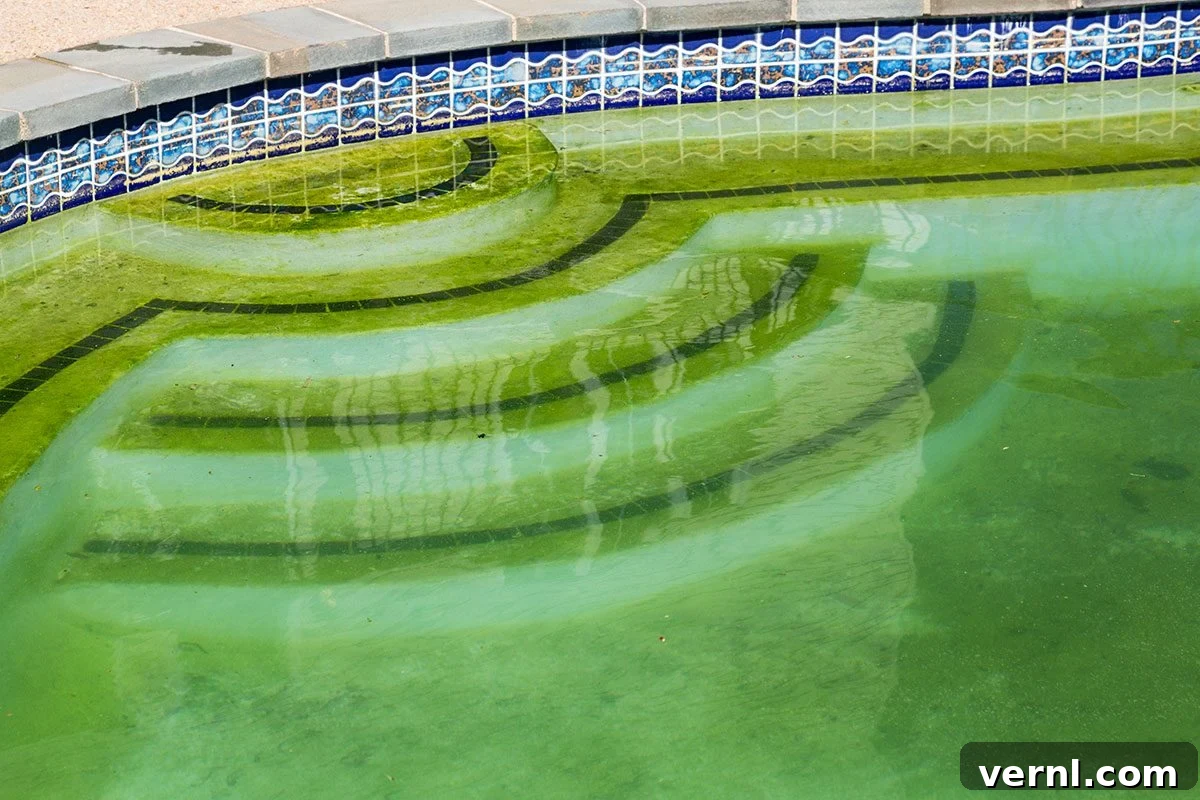
During a time when the Reflecting Pool at the Lincoln Memorial in Washington put algae in the national spotlight, pool owners everywhere could relate. Even a hint of green in a backyard pool signals a problem that can escalate quickly. If left untreated, algae can make pool water unsightly and potentially unsafe.
A residential pool contains only a fraction of the water of the Reflecting Pool, but algae control remains a constant challenge. To explain what algae is, why it appears, how to identify dangerous blooms, and how to treat and prevent outbreaks, we consulted several experienced professionals: Graham Banks and Rafi Friedman, pool contractors from Florida; Brock Falk, a pool care manager from Arizona; and Randy Huckstadt, a consultant with two decades in the pool industry.
What Is Algae, and Why Does It Thrive in Pools?
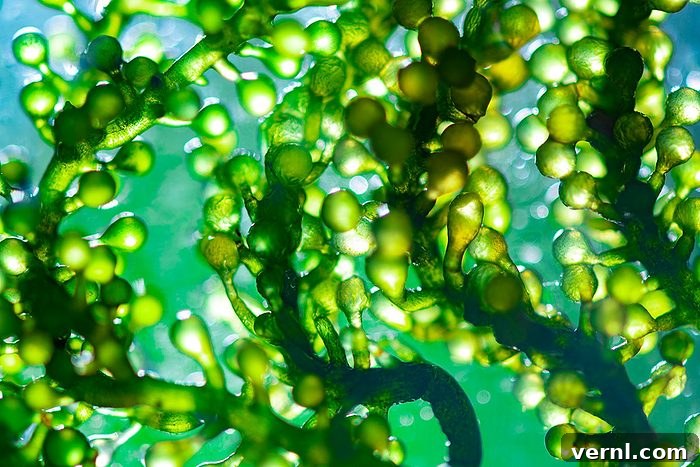
Algae are microscopic plants that flourish when three basic elements are present: food, warmth, and sunlight. In pools, the primary food source for algae is phosphates. Phosphates often enter pool water through rain runoff, debris blown from surrounding landscaping, and fertilizer applied to nearby lawns. Heavy rain or recent lawn treatment frequently precedes a sudden green tint in pool water, even if chlorine levels seemed adequate beforehand.
Most pools use a sanitizer such as chlorine to control algae. Properly maintained sanitizer levels will prevent many outbreaks. However, chlorine degrades in direct sunlight, and algae blooms increase during summer months unless a chlorine stabilizer like cyanuric acid (CYA) is used to protect the sanitizer from rapid breakdown.
Nuisance Algae vs. Toxic Algae: What’s the Difference?
Most pool algae are nuisance algae—types that include green, yellow (mustard), and black algae. These varieties are expensive and time-consuming to remove, cloud the water, make pool surfaces slippery, and quickly consume available sanitizer, but they are not typically toxic to humans.
Blue-green algae, however, is different. Also known as cyanobacteria, it is not a plant but bacteria that can produce hazardous cyanotoxins. When cyanobacteria are present, the health risks are greater and prompt treatment is required.
How to Tell When Algae Is Toxic
You can’t reliably tell by sight alone if algae are producing toxins, so visible algae should always be treated as a potential health hazard. Visible algae is the first sign your pool water could harbor bacteria or toxins. If algae is present, avoid using the pool until it has been properly treated.
Signs that indicate a more serious or potentially toxic bloom include:
Blue-green color
Blue-green or teal shades are typical of cyanobacteria. Test kits can confirm the presence of cyanotoxins if identification is uncertain.
Thick algae layer
Pea-soup green water, surface scum, paint-like sheens, or clumps resembling spilled paint are indicators of an advanced bloom. A simple rule: if you cannot see the bottom of the pool, keep people and pets out until it is treated.
Smell
Non-toxic green algae often has a musty, pond-like smell. Toxic blooms tend to give off a putrid, rotting odor. Paradoxically, a strong chlorine smell can also be a red flag. That odor often comes from chloramines—byproducts of insufficient sanitation—meaning there may not be enough free chlorine to control contaminants.
Health Risks of Toxic Algae Exposure
Contact with algae itself is not always harmful, but cyanobacteria-produced cyanotoxins can cause health problems. Skin contact can produce rashes, blisters, and hives. Swimming in contaminated water may irritate the eyes, nose, and throat. Swallowing water with cyanotoxins can cause stomach cramps, nausea, vomiting, and diarrhea. Even inhaling aerosolized toxins near a bloom can trigger respiratory issues.
How to Get Rid of Algae in a Pool
Eradicating algae requires a coordinated approach. Pool professionals generally recommend the following steps:
– Shock the pool with a sufficiently high dose of chlorine to kill the algae.
– Thoroughly scrub pool walls, steps, and the floor to dislodge clinging algae.
– Run filtration continuously and backwash or clean filters to remove dead algae particles.
– Repeat shock and brushing if necessary until the water clears, a process that can take 24 to 48 hours or longer for severe blooms.
– After clearing, rebalance water chemistry: adjust pH, alkalinity, and maintain appropriate free chlorine and CYA levels.
– In persistent or severe cases, a labeled algaecide may be recommended as an adjunct to chlorination.
How to Prevent Algae From Returning
Prevention focuses on removing the conditions algae need to grow. Key steps include:
– Maintain consistent circulation. Run the pool pump daily; a good rule of thumb is one hour of runtime for each 10°F of ambient temperature (for example, eight to nine hours on a hot summer day).
– Keep filters clean and operating efficiently.
– Maintain proper water balance and sanitizer levels.
– Minimize phosphates by limiting runoff from landscaping, removing debris promptly, and using phosphate removers if needed.
– Regularly vacuum and brush the pool to discourage buildup.
– Use a pool cover when practical and keep water temperature moderated to reduce ideal algae conditions.
FAQ
Is the algae at the Lincoln Memorial Reflecting Pool toxic?
The Reflecting Pool’s shallow, sun-exposed, untreated standing water creates ideal conditions for cyanobacteria. Such blooms can be toxic and should not be approached or entered. While routine treatment can resolve many blooms, untreated water with visible algae is unsafe for wading or swimming.
About the Experts
- Graham Banks is a licensed Florida pool & spa contractor and the founder of a contractor license lookup service.
- Rafi Friedman is president of Coastal Luxury Pool Builders in Nocatee, FL, a firm that services more than 1,000 clients.
- Randy Huckstadt has over 20 years in the pool and HVAC industries and works as a contractor and service technician.
- Brock Falk is a pool care field manager based in Arizona.