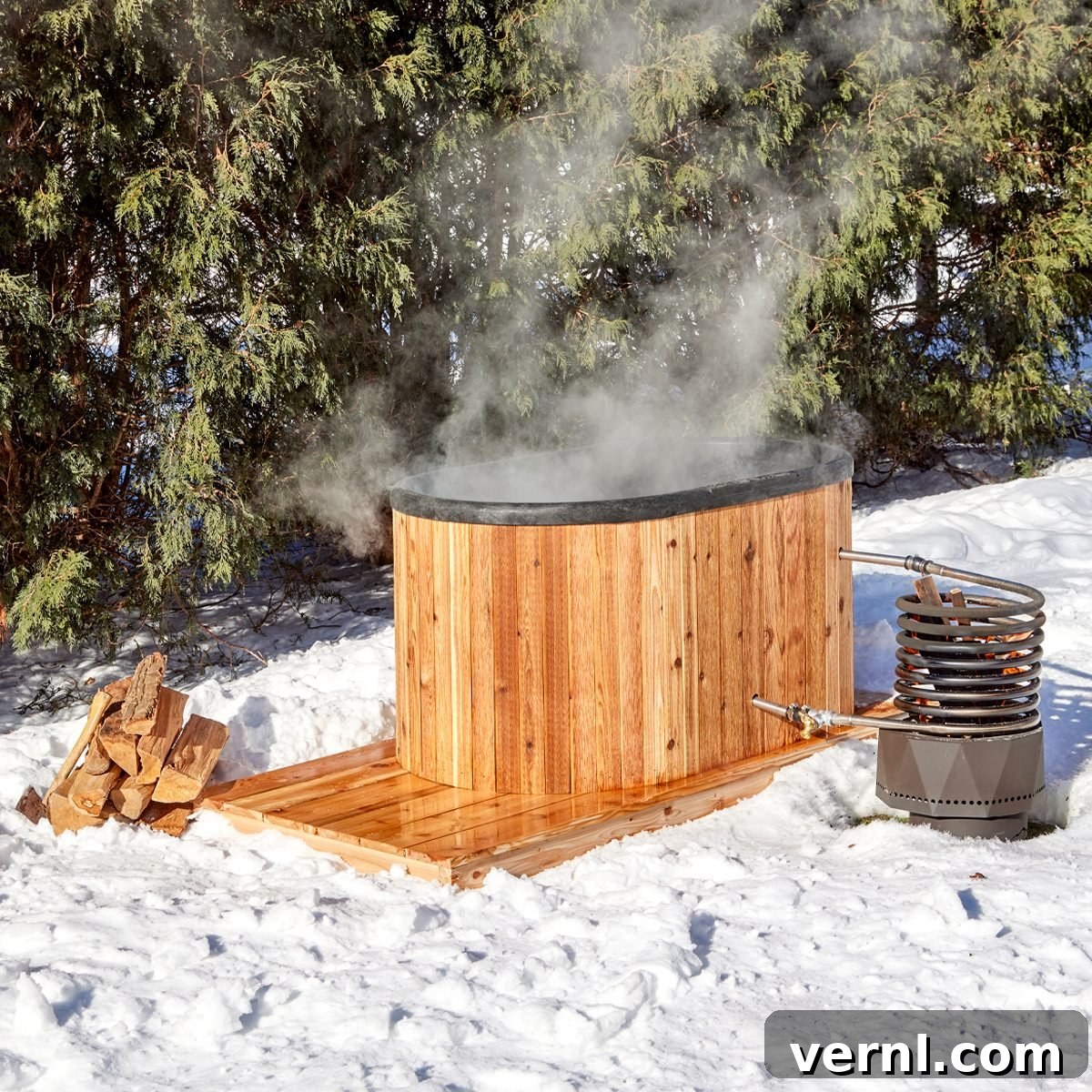
Build Your Own Wood-Fired Hot Tub: The Ultimate DIY Guide for Backyard Bliss
Transform your outdoor space with a DIY wood-fired hot tub that offers relaxation, rustic charm, and incredible savings.
Unlock Affordable Outdoor Relaxation: Your DIY Wood-Fired Hot Tub Project
Imagine unwinding under the stars, enveloped in the warm, therapeutic waters of your very own hot tub, heated naturally by a crackling wood fire. Sounds like a dream, right? What if we told you this dream is not only achievable but can also be built quickly, easily, and affordably? A DIY wood-fired hot tub offers a unique blend of rustic luxury, sustainable living, and profound personal satisfaction that electric models simply can’t match.
Many homeowners are intimidated by the perceived complexity or cost of adding a hot tub to their property. However, the wood-fired variant bypasses many of these concerns, offering an eco-friendly and budget-conscious alternative. This guide will explore the myriad benefits of building your own wood-fired hot tub, outlining why it’s a project you can confidently embark on today to create your personal oasis.
Get a glimpse of the simplicity and effectiveness of this design:
This DIY wood-powered hot tub can be built quickly, easily, AND cheaply, bringing an unparalleled sense of accomplishment along with luxurious relaxation right to your backyard.
Why Choose a Wood-Fired Hot Tub? Unmatched Benefits
Beyond the simple appeal of a warm soak, a wood-fired hot tub brings a host of advantages that make it an exceptionally appealing project for any homeowner:
- Exceptional Cost Savings: One of the most significant draws of a wood-fired hot tub is its affordability. Building one yourself drastically cuts down on installation and purchase costs compared to conventional electric spas. Furthermore, heating it with readily available firewood means you’re not burdened by soaring electricity bills, making it incredibly economical in the long run.
- Eco-Friendly and Sustainable: Embrace a greener lifestyle! By using wood as your primary heat source, you reduce your reliance on fossil fuels and lower your carbon footprint. Sourcing local, sustainably harvested wood or utilizing fallen branches from your property makes this an incredibly environmentally conscious choice.
- Rustic Charm and Aesthetic Appeal: There’s an undeniable allure to a wood-fired hot tub. Its natural aesthetic blends seamlessly with any outdoor environment, creating a picturesque focal point. The sensory experience of a crackling fire, the scent of woodsmoke, and the warmth of the water create an atmosphere of pure tranquility and rustic elegance that modern spas often lack.
- Off-Grid Potential and Independence: For those seeking greater self-sufficiency or living in remote areas, a wood-fired hot tub is a game-changer. It operates completely independently of electricity grids, offering freedom and reliability regardless of power outages. This makes it perfect for cabins, homesteads, or simply enjoying uninterrupted relaxation.
- Therapeutic Benefits and Deep Relaxation: The warmth of a hot tub is renowned for its ability to soothe muscles, reduce stress, and improve circulation. Add to that the calming ritual of tending a fire, and you have a recipe for profound relaxation and wellbeing. It’s more than just a soak; it’s a mindful escape.
- Simplicity in Design and Maintenance: Without complex electrical components and intricate plumbing systems, wood-fired hot tubs are generally simpler to build and maintain. This reduces potential points of failure and makes troubleshooting more straightforward for the average DIY enthusiast.
Is a DIY Wood-Fired Hot Tub Project Right For You? Considerations Before You Begin
While building your own wood-fired hot tub is a rewarding endeavor, it’s important to consider a few factors to ensure a successful and enjoyable experience. This project is ideal for individuals who:
- Enjoy Hands-On Projects: If you love working with your hands and have a knack for problem-solving, this project will be incredibly satisfying.
- Have Access to Materials: Consider what materials you can source locally and affordably, whether it’s a suitable container or wood for the firebox.
- Appreciate Natural Processes: The heating process is slower and more deliberate than an electric spa, requiring patience and an appreciation for the natural rhythm of fire.
- Seek Unique Outdoor Experiences: This isn’t just about a hot tub; it’s about creating a unique outdoor living experience that connects you with nature.
Key considerations include your available space, local building codes (some areas may have regulations regarding outdoor structures or fire pits), and your comfort level with basic construction and plumbing tasks. However, with the right guidance and a willingness to learn, most challenges can be overcome.
Essential Components of Your Homemade Spa
Understanding the basic components of a wood-fired hot tub will help you visualize the project and source materials effectively. While designs can vary, the core elements remain consistent:
- The Tub/Container: This is the vessel that holds the water. Common choices include large stock tanks (galvanized steel or plastic), cedar barrels, concrete structures, or even custom-built wooden tubs. The material needs to be watertight and able to withstand heat.
- The Wood-Burning Heater (Stove): This is the heart of your system. It can be an internal heater (submerged directly in the water) or an external heater (connected via pipes, often more efficient and safer). Materials typically include stainless steel, aluminum, or even repurposed steel drums.
- Circulation System (Optional but Recommended): While some simple designs rely on convection, a small pump can greatly improve heating efficiency and water clarity by circulating the water through the heater.
- Plumbing: Simple piping connects the heater to the tub (for external heaters) and allows for draining. Materials like copper, PEX, or even garden hoses (for temporary fills/drains) can be used, depending on the design.
- Insulation: To retain heat and speed up the heating process, insulation around and under the tub is crucial. Materials like foam boards, straw bales, or even a simple wooden frame with air gaps can be effective.
- Cover: A well-fitting cover is essential for retaining heat, keeping debris out, and ensuring safety when the tub is not in use.
A Glimpse into the Building Process: From Concept to Comfort
While a detailed step-by-step guide is beyond the scope of this overview (and linked below!), understanding the general phases can help you mentally prepare for your DIY wood-fired hot tub project:
- Planning and Design: Determine your desired size, location, and choice of materials. Sketch out your design, considering dimensions, heater type, and how water will circulate.
- Sourcing Materials: Gather your tub, heater components, plumbing, insulation, and any necessary tools. Look for reclaimed or repurposed materials to keep costs down.
- Site Preparation: Choose a level, stable spot for your hot tub, ensuring good drainage and proximity to firewood storage. Consider privacy and aesthetics.
- Tub Assembly and Sealing: Prepare your chosen tub. If it’s a stock tank, it’s relatively straightforward. If building a wooden tub, careful joinery and sealing are paramount.
- Heater Construction/Installation: Build or install your wood-burning heater, ensuring it’s safe, efficient, and properly connected (if external).
- Plumbing and Insulation: Install pipes for water circulation and drainage. Apply insulation generously to maximize heat retention.
- Testing and Finishing: Fill the tub, test for leaks, and conduct your first heating cycle. Add any desired finishing touches like decking or seating.
- Enjoyment! Once everything is safe and operational, it’s time to light a fire, fill the tub, and immerse yourself in the warm, inviting waters you built with your own hands.
Tips for a Successful and Safe Build
To ensure your DIY wood-fired hot tub project goes smoothly and safely, keep these valuable tips in mind:
- Prioritize Safety: Always consider fire safety. Ensure your heater is well-ventilated, distanced from flammable materials, and has a safe chimney or exhaust. Have a fire extinguisher handy during initial testing.
- Water Quality Matters: Even without chemicals, maintaining water quality is important. Consider a basic filtration system or plan for regular water changes. Natural options like small amounts of hydrogen peroxide or UV sterilizers can also be explored.
- Insulate Thoroughly: The better your insulation, the faster your tub will heat up and the longer it will stay warm, saving you firewood and effort.
- Consider a Heat Exchanger: For external heaters, a coil-type heat exchanger can be highly efficient, transferring heat from the firebox to the water effectively.
- Build a Good Foundation: A full hot tub is heavy. Ensure your foundation is robust and level enough to support the weight of the water and the tub itself.
- Plan for Drainage: Make sure you have an easy and safe way to drain your hot tub, directing water away from your home or garden.
- Don’t Rush the Process: Take your time with each step, paying attention to details. A well-built hot tub will provide years of enjoyment.
Embrace the Off-Grid Lifestyle and Unplug
More than just a backyard amenity, a wood-fired hot tub embodies a connection to nature and a step towards a more self-sufficient lifestyle. It encourages you to slow down, disconnect from digital distractions, and truly immerse yourself in the present moment. The process of gathering wood, stoking the fire, and waiting for the perfect temperature becomes a meditative ritual, culminating in a deeply satisfying soak. It’s an invitation to experience the simplicity and profound joy of nature, right in your own backyard.
Whether you dream of late-night stargazing soaks, invigorating morning dips, or cozy gatherings with friends, your DIY wood-fired hot tub promises to be a cherished addition to your home, offering endless hours of natural relaxation and enjoyment. It’s a testament to ingenuity, sustainability, and the timeless appeal of warmth and water.
Ready to Start Your Project?
The journey to building your very own wood-fired hot tub is an exciting one, promising not just a luxurious outdoor spa but also a deeply rewarding DIY experience. If you’re ready to roll up your sleeves and bring this vision to life, detailed plans and comprehensive guides are available to help you every step of the way.
Get this project started today and transform your backyard into the ultimate relaxation retreat:
How to Build a Wood-Fired Hot Tub: Your Comprehensive Guide