
In the quest for a more energy-efficient and comfortable home, many homeowners are weighing their options for window replacement. Among the most talked-about solutions are triple pane windows. Often lauded as a superior alternative to their double pane counterparts, these advanced windows promise enhanced insulation, reduced noise, and significant savings on energy bills. But beneath the hype, a crucial question remains: do the benefits truly justify the higher upfront cost?
While double-glazed windows certainly offer a noticeable improvement over single-pane, providing better thermal performance and contributing to energy savings, triple pane windows take this efficiency to the next level. Especially in regions that experience extreme temperature fluctuations, such as the harsh winters of New England or scorching summers, triple pane windows can cut two to three percent more off your annual energy costs compared to even the most efficient double pane options. This seemingly small percentage can translate into substantial savings over the lifespan of the windows, impacting not just your wallet but also your overall comfort and the environmental footprint of your home.
Understanding Triple Pane Windows
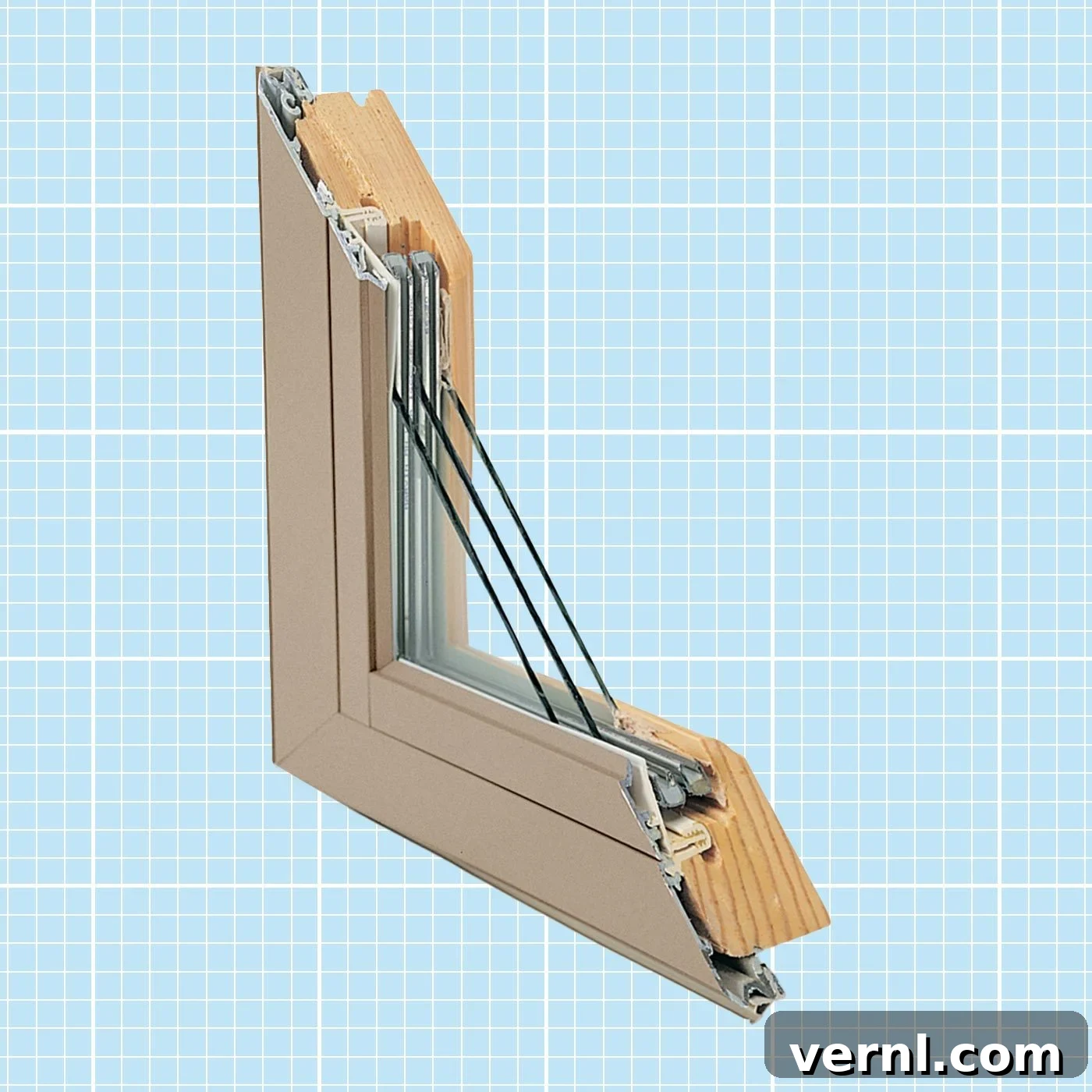
Triple pane windows, also frequently referred to as triple glazed windows, represent a significant advancement in window technology. Unlike traditional windows that feature a single or double layer of glass, triple pane units are constructed with three distinct layers of glass. These glass panes are separated by two sealed air gaps, which are typically filled with an inert gas like argon or krypton. This sophisticated design is engineered to create a powerful thermal barrier, substantially improving insulation and energy efficiency compared to standard double pane windows.
The core principle behind triple pane windows lies in minimizing heat transfer. Each additional layer of glass and gas-filled space acts as an insulator, significantly reducing the amount of heat that can escape your home in winter or penetrate it in summer. This enhanced thermal performance is measured by a lower U-factor (which indicates how well a window prevents heat from escaping or entering) and a higher R-value (which measures resistance to heat flow). A lower U-factor and higher R-value signify superior insulation, leading to more stable indoor temperatures and, consequently, reduced reliance on your heating and cooling systems.
Beyond their impressive thermal capabilities, triple pane windows often incorporate low-emissivity (low-E) glass. This specialized glass features a microscopic, transparent coating that reflects infrared light, the primary carrier of heat. In cooler climates, low-E coatings help to reflect indoor heat back into the room, preventing it from escaping. In warmer climates, they reflect external solar heat away from the building, keeping interiors cooler. Furthermore, low-E glass is effective at blocking harmful ultraviolet (UV) rays, which can cause furniture, flooring, and other interior elements to fade and deteriorate over time. By maintaining a comfortable indoor temperature and protecting your belongings, triple pane windows contribute to both the longevity and aesthetic appeal of your home’s interior.
How Triple Pane Windows Work to Enhance Your Home
To fully appreciate the benefits of triple pane windows, it’s helpful to understand the science behind their effectiveness. Heat transfer occurs through three primary mechanisms: conduction, convection, and radiation. Triple pane windows are meticulously designed to combat all three.
- Conduction: This is the direct transfer of heat through materials. With three panes of glass, there are more layers for heat to conduct through, effectively slowing down the process. The glass itself is a poor conductor of heat compared to air, and the multiple layers create a longer, more circuitous path for heat energy.
- Convection: This involves heat transfer through the movement of fluids (liquids or gases). In a single pane window, air can easily move between the warm and cold sides. In triple pane windows, the sealed air gaps, filled with denser inert gases like argon or krypton, significantly reduce convective heat loss. These gases are heavier and less conductive than air, limiting their movement within the gap and thus minimizing heat transfer by convection.
- Radiation: Heat can also travel as electromagnetic waves. This is where low-E coatings play a vital role. Applied to one or more glass surfaces, these thin, transparent metallic layers reflect radiant heat. In winter, they reflect indoor heat back into the room. In summer, they reflect external solar radiation away from the house, preventing it from warming the interior. This reflective property significantly reduces radiant heat transfer, contributing to a stable indoor temperature regardless of the season.
By effectively mitigating these three forms of heat transfer, triple pane windows create a superior thermal barrier, leading to a much more stable and comfortable indoor environment, all while demanding less from your heating and cooling systems.
The Investment: Are Triple Pane Windows Worth the Money?
The question of whether triple pane windows are a worthwhile investment is multifaceted, largely dependent on your specific circumstances, priorities, and long-term plans. While they undeniably offer superior performance, their higher upfront cost — typically 10 to 15 percent more than high-quality low-E double-glazed windows — means that recouping the extra expense can take time, often several decades.
Let’s consider a practical example: Suppose your annual energy bill is $1,000, and your home has 20 windows, with an average of 22 percent of your energy lost through these windows. This translates to approximately $11 worth of energy lost per window each year. A triple pane energy-efficient window might reduce that loss by about $1 per year. If the upcharge for a triple pane window is $35, it would take roughly 35 years to cover that additional cost through energy savings alone. However, this payback period can vary significantly. If your energy bills are substantially higher, your home’s existing windows are very inefficient, or energy prices rise considerably, the payback period could be shorter.
It’s crucial to view the return on investment (ROI) for triple pane windows not solely through energy cost savings but also through improved home comfort and potential property value. The enhanced insulation dramatically reduces cold drafts near windows and allows for a higher indoor relative humidity in cold weather without causing condensation. This creates a consistently more comfortable living space, which is a priceless benefit for many homeowners, especially those planning to stay in their homes for a long time.
For those hesitant to invest in triple pane windows for the entire house, a strategic approach can maximize their impact. Installing them in rooms facing north and east, which typically experience the most heat loss in winter and are prone to cold drafts, can yield the biggest and most immediate comfort and efficiency payoffs. Similarly, for homes in extremely noisy urban environments or near busy roads, the soundproofing benefits alone might justify the investment.
Pros and Cons of Triple Pane Windows
Making an informed decision about triple pane windows requires a thorough understanding of their advantages and disadvantages compared to their double-paned counterparts. Let’s delve deeper into each point:
Pros of Triple Pane Windows:
-
Superior Energy Efficiency: This is arguably the primary benefit. With three panes of glass and two inert gas-filled spaces, triple pane windows achieve significantly lower U-factors and higher R-values than double pane options. This superior thermal insulation drastically reduces heat transfer, leading to substantial savings on heating and cooling costs year-round. Homes become easier to maintain at a desired temperature, reducing the workload on HVAC systems and potentially extending their lifespan. This also contributes to a smaller carbon footprint for your household.
-
Enhanced Soundproofing: The multiple layers of glass and gas-filled gaps create an effective barrier against external noise. Sound waves struggle to penetrate the different densities of glass and gas, making triple pane windows excellent at dampening noise from traffic, neighbors, airplanes, or other disturbances. This creates a quieter, more peaceful indoor environment, which is particularly valuable in urban settings or homes located near busy areas.
-
Reduced Condensation: In colder climates, condensation can be a common issue on interior window surfaces, leading to moisture buildup, potential mold growth, and obscured views. Triple pane windows keep the interior surface of the innermost glass pane warmer, even on very cold days, raising its temperature above the dew point of the indoor air. This significantly reduces or eliminates condensation, maintaining clearer views and contributing to healthier indoor air quality by preventing moisture-related issues.
-
Increased Comfort: Beyond energy savings, triple pane windows dramatically improve indoor comfort. They virtually eliminate cold spots and drafts near windows, which are common with less insulated units. The consistent temperature maintained across the window surface means you can sit closer to your windows without feeling chilly in winter or overheated in summer. This expanded usable living space and consistent comfort enhance the overall livability of your home.
-
Superior UV Protection: Many triple pane windows come standard with low-E coatings that not only manage heat transfer but also block a significant portion of harmful UV rays. This protection helps to prevent fading and damage to carpets, furniture, artwork, and other interior furnishings, preserving their appearance and extending their lifespan.
-
Improved Security: With an additional layer of glass, triple pane windows offer a greater degree of resistance against forced entry compared to single or double pane units. The extra barrier makes them harder to break, adding an extra layer of security and peace of mind for homeowners.
Cons of Triple Pane Windows:
-
Higher Upfront Cost: The most significant drawback is the increased initial investment. Triple pane windows are more complex to manufacture and use more materials, leading to a higher price point—typically 10-15% more than high-performance double pane windows. This higher cost means a longer payback period through energy savings alone, requiring homeowners to consider the long-term benefits and comfort aspects when making their decision.
-
Greater Weight and Installation Complexity: The additional glass pane and gas-filled gaps make triple pane windows significantly heavier than their double pane counterparts. This increased weight can sometimes necessitate stronger frames and potentially require additional structural support for the window opening. Installation can also be more labor-intensive and complex, often requiring specialized equipment and experienced professionals to ensure proper handling and sealing, which can add to overall installation costs.
-
Potentially Thicker Frames and Reduced Light Transmission: To accommodate the thicker glass units, triple pane windows often feature thicker frames. While modern designs strive to minimize this, it can occasionally lead to a slightly reduced glass area and, consequently, a marginal decrease in natural light entering the room. Furthermore, while low-E coatings are designed to be transparent, very rarely, some specific coatings might slightly alter the amount or quality of light passing through, though this is usually imperceptible to the naked eye.
-
Limited Design Options (Historically): In the past, the technology for triple pane windows was less advanced, leading to fewer aesthetic choices. While the industry has made significant strides, offering a wider range of styles and frame materials today, some highly specialized or very slim window designs might still be more readily available in double pane configurations. However, this limitation is becoming less prevalent with ongoing innovation.
Factors to Consider Before Investing in Triple Pane Windows
Before committing to triple pane windows, it’s wise to evaluate several key factors specific to your home and lifestyle:
-
Climate Zone: Triple pane windows offer the most significant benefits in regions with extreme hot or cold climates, where the difference in insulation performance translates to substantial energy savings and comfort improvements. In very mild climates, the payback period for the extra cost might be considerably longer, and high-quality double pane windows might suffice.
-
Current Window Efficiency: If your home currently has old, single pane, or inefficient double pane windows, upgrading to triple pane will yield dramatic improvements in energy efficiency and comfort. If you already have relatively new, high-performance double pane windows, the incremental benefit might be less pronounced.
-
Length of Homeownership: If you plan to stay in your home for many years (15-20+), the long-term energy savings and enhanced comfort will make the investment more worthwhile. For those planning to move within a few years, the full financial return might not be realized, although the improved comfort and potential boost to resale value could still be attractive.
-
Budget and Financing: Triple pane windows represent a significant investment. Evaluate your budget, explore financing options, and consider any local incentives or rebates for energy-efficient home improvements that might help offset the cost.
-
Noise Concerns: If your home is in a particularly noisy area, the superior soundproofing of triple pane windows might be a primary driver for your decision, making the investment worthwhile for peace and quiet alone.
-
Overall Home Insulation: Windows are just one component of your home’s thermal envelope. Ensure your attic, walls, and foundation are also adequately insulated. Investing in triple pane windows while other areas leak significant amounts of energy might not yield the maximum possible benefits.
Installation and Maintenance Considerations
The performance of triple pane windows relies heavily on proper installation. Due to their increased weight and thickness, professional installation is not just recommended but often essential. An experienced installer will ensure the windows are correctly sealed, plumb, and level, preventing air leaks and maximizing their thermal performance. Improper installation can negate many of the benefits, leading to drafts, moisture intrusion, and reduced energy efficiency.
In terms of maintenance, triple pane windows are generally low-maintenance. Regular cleaning with standard glass cleaner is usually sufficient. However, it’s crucial to monitor the integrity of the seals between the panes. If a seal fails, the inert gas can escape, and moist air can enter, leading to condensation between the panes and a significant loss of insulating ability. While reputable manufacturers offer warranties against seal failure, addressing such issues promptly is important to maintain performance.
Alternatives to Triple Pane Windows
If triple pane windows don’t align with your budget or specific needs, several other options can improve your home’s energy efficiency and comfort:
-
High-Performance Double Pane Windows: Modern double pane windows, especially those with advanced low-E coatings and inert gas fills, offer excellent energy efficiency that can be very close to triple pane performance in many climates, often at a lower cost.
-
Window Films: Applying low-E window films to existing windows can improve their thermal performance by reflecting heat and blocking UV rays. This is a cost-effective solution for those on a tight budget, though it won’t offer the same level of insulation or soundproofing as new windows.
-
Storm Windows: Installing exterior or interior storm windows can add an additional layer of insulation to existing windows, reducing drafts and heat loss.
-
Insulated Curtains or Blinds: Heavy, insulated curtains or cellular blinds can provide a significant boost to window insulation, especially when closed during extreme temperatures.
-
Air Sealing and Insulation Upgrades: Sometimes, the biggest energy leaks aren’t from windows but from gaps around windows and doors, or insufficient insulation in the attic and walls. Prioritizing comprehensive air sealing and insulation upgrades throughout the home can yield substantial energy savings for a lower initial investment.
Conclusion: Are Triple Pane Windows Right for You?
Triple pane windows represent the pinnacle of residential window technology, offering unparalleled energy efficiency, sound insulation, and comfort. They are a robust solution for homeowners seeking to dramatically reduce their energy bills, enhance their living environment, and protect their interiors from UV damage. While their higher upfront cost and longer payback period for energy savings alone can be a deterrent, the comprehensive benefits—including superior comfort, reduced condensation, and increased home security—often make them a compelling choice.
For those in harsh climates, homeowners planning to live in their houses for many years, or individuals prioritizing a quiet and consistently comfortable indoor environment, the investment in triple pane windows is highly likely to be worthwhile. As with any significant home improvement, carefully weigh the initial cost against the long-term benefits, your specific climate, and your personal priorities. By doing so, you can determine if these advanced, energy-efficient windows are the perfect fit for your home and your future.