
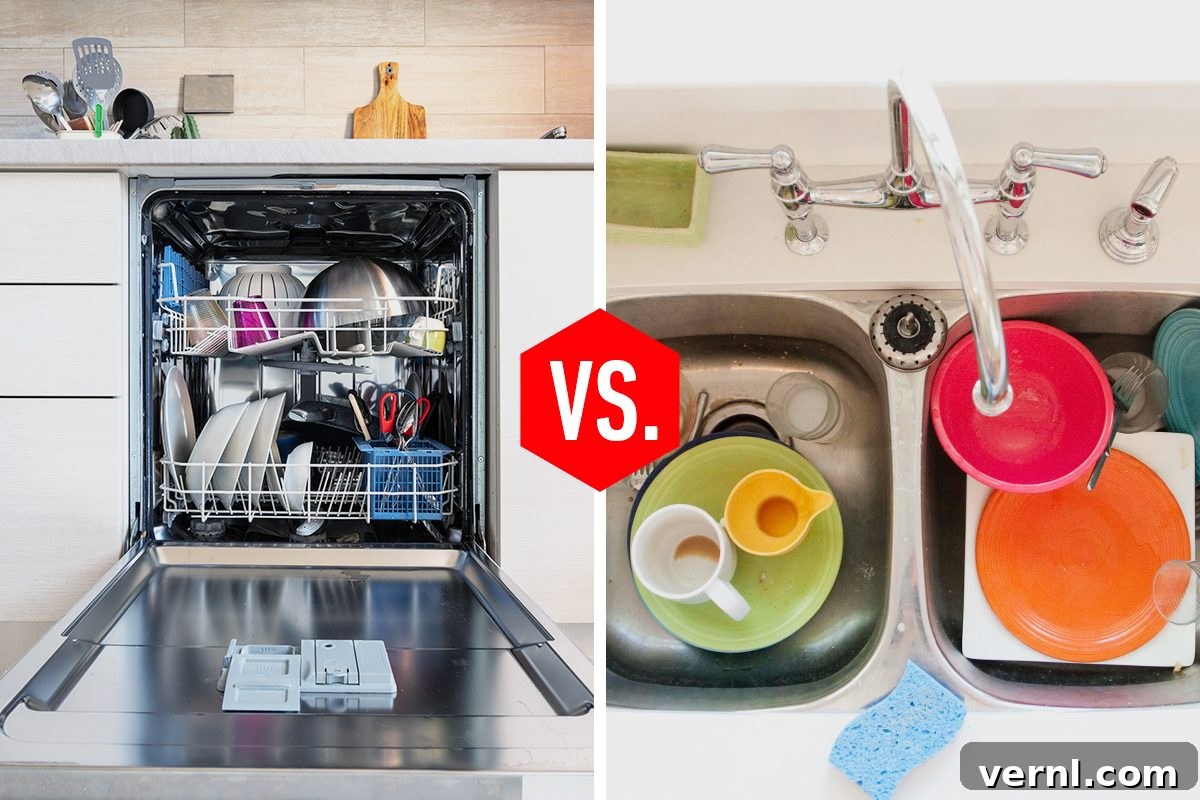
For a significant portion of my life, the absence of a dishwasher in my home was a point of pride, perceived as a commitment to a more sustainable lifestyle. I believed that hand-washing dishes was inherently superior for the environment, a common misconception that many people share.
However, this long-held belief was incorrect.
In reality, modern dishwashers, especially those certified by Energy Star, are overwhelmingly the greener choice for cleaning dishes. These advanced appliances are engineered to consume significantly less water and energy than traditional hand-washing methods, often performing better and more efficiently than models from just a decade ago. Their superior efficiency not only reduces utility bills but also minimizes your household’s ecological footprint, making them a cornerstone of a truly sustainable kitchen.
Investing in a newer, Energy Star certified dishwasher can significantly enhance your home’s environmental credentials and overall operational efficiency. These appliances are designed to maximize performance while minimizing resource consumption. But even if you currently own an older model, utilizing it correctly can still be more environmentally sound than hand-washing in most scenarios. The key lies in understanding and implementing specific best practices to ensure your dishwashing routine is as green and healthy as possible.
This comprehensive guide will provide actionable tips for the most sustainable and hygienic dishwashing practices, whether you rely on the convenience of a machine or prefer to wash by hand. By adopting these methods, you can make a tangible positive impact on your home’s resource consumption and the environment.
Dishwashers: The Unsung Heroes of Water and Energy Conservation
When it comes to conserving precious resources like water and energy, modern dishwashers consistently outperform hand-washing. This isn’t merely a marginal difference; it represents a stark contrast, particularly with the latest advancements in appliance technology and design.
Energy Star-rated dishwashers are engineered for incredible efficiency, typically using an average of just 3.5 gallons of water per cycle. Compare this to the substantial 10 to 40 gallons of water commonly used to hand-wash a sink full of dishes, especially if you leave the tap running while scrubbing. Even older, less efficient dishwasher models, which might consume 10 or more gallons per cycle, still often use less water than a typical hand-washing session. This significant reduction in water consumption translates directly into substantial savings not only on your water bill but also on the energy required to heat that water, making a powerful impact on both your wallet and the environment.
Furthermore, many contemporary dishwashers feature internal water heating elements. This intelligent design ensures that water reaches the optimal temperature for effective cleaning and sterilization with maximum energy efficiency. This eliminates the need to continuously draw hot water from your home’s main water heater for the entire cycle, further reducing overall energy consumption. To maximize these savings even further, consider running your dishwasher on an “eco-mode” or “light wash” setting if available, which typically uses less water and lower temperatures. And always opt for air-drying your dishes rather than activating the heated-dry function. Air-drying consumes zero additional energy, allowing residual heat to naturally evaporate moisture, resulting in spotless, dry dishes without extra power usage or unnecessary greenhouse gas emissions.
Pro Tip: Proper installation is paramount for maximizing your dishwasher’s efficiency and lifespan. Ensure you understand how to install a dishwasher correctly and avoid common mistakes that can lead to leaks, poor performance, or premature wear and tear. A professional or meticulously executed DIY installation ensures your appliance operates at its peak efficiency from day one, contributing to its long-term sustainability.
The Pre-Rinse Myth: How Skipping It Saves Water and Boosts Cleaning
One of the most pervasive dishwashing habits, and a significant source of unnecessary water waste, is pre-rinsing dishes before loading them into the dishwasher. While it might feel instinctively cleaner or more hygienic to rinse off food scraps under running water, this practice is largely unnecessary and, surprisingly, counterproductive with modern detergents and dishwashers.
Contemporary dishwasher detergents are specifically formulated with advanced enzymes that require food particles to activate and effectively break down grime. These enzymes latch onto food debris, initiating the cleaning process. As Tonya Harris, an environmental toxicity specialist and author of the insightful guide The Slightly Greener Method, explains, “Most dishwasher detergent is designed to grab onto food debris to work, so it actually isn’t able to do its job as well with perfectly clean dishware.” This means that excessively clean dishes might actually prevent your detergent from working at its optimal level, potentially leading to less-than-sparkling results. “Load it gunky grime and all!” she advises, emphasizing that simply scraping solid food waste into a compost bin or trash is the only necessary pre-treatment.
Beyond the detergent’s efficacy, pre-rinsing wastes an enormous amount of water. Running water over each plate, bowl, and utensil before loading can quickly consume several gallons, directly negating the water savings achieved by using an energy-efficient dishwasher in the first place. By simply scraping and loading, you significantly reduce your water consumption and allow your appliance to perform as intended, saving both precious resources and your valuable time and effort.
Optimize Your Load: The Art of Filling Without Overstuffing
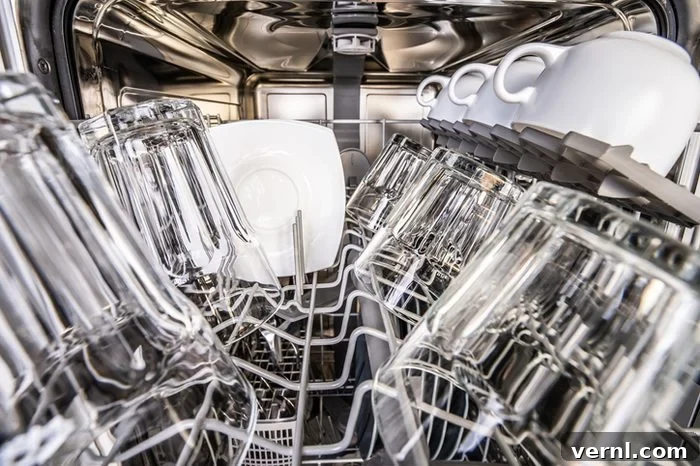
Maximizing the efficiency of your dishwasher means running it only when it’s full. A dishwasher consumes roughly the same amount of energy and water per cycle, regardless of whether it’s half-empty or completely loaded. Therefore, waiting until you have a full load before starting a cycle is a fundamental practice for both sustainability and cost-effectiveness. This approach ensures that every cycle run delivers maximum value for the resources consumed.
However, there’s a crucial distinction that many overlook: “full” does not mean “overloaded.” As Tonya Harris wisely points out, a crammed-full dishwasher can be just as inefficient as a sparsely loaded one, if not more so. When dishes, glasses, and utensils are packed too tightly, overlapping or blocking the crucial spray arms, the water and detergent cannot circulate effectively to reach all surfaces. This often results in poorly cleaned items with dried-on food or residue, forcing you to re-wash them by hand or run another cycle, thereby wasting the very resources you sought to conserve. Proper loading, which allows space for water and detergent to freely access every item, ensures that water jets can thoroughly cleanse every piece of dishware, leading to impeccably clean results every time and avoiding unnecessary re-runs and frustration.
Smart Choices: The Environmental and Health Benefits of Eco-Friendly Detergents
The choice of dishwashing detergent is paramount for both your health and the broader environment. Many conventional dishwashing liquids, gels, and tablets contain harsh chemicals such as phosphates, chlorine bleach, synthetic fragrances, and artificial dyes. These substances can be highly detrimental to aquatic ecosystems upon their release into waterways, contributing to serious issues like harmful algal blooms, oxygen depletion, and posing significant risks to marine life. Furthermore, some individuals may experience skin irritation, allergic reactions, or respiratory issues from exposure to these potent chemicals during dishwashing or from residues left on dishes.
A growing environmental concern also surrounds the use of polyvinyl alcohol (PVA) plastics, frequently found in the dissolvable casings of detergent pods. While these pods are marketed as “dissolvable,” recent scientific studies suggest that PVA may not fully biodegrade in many wastewater treatment plants, potentially contributing to pervasive microplastic pollution in our rivers, lakes, and oceans. These tiny plastic particles can persist in the environment for centuries, entering the food chain, impacting wildlife, and raising potential long-term health concerns for humans.
For a healthier and more sustainable approach to dishwashing, prioritize detergents that have earned certifications from reputable third-party organizations focused on health and environmental standards. Look specifically for labels from entities like GreenSeal and the Environmental Working Group (EWG). These certifications indicate that the products have undergone rigorous testing for ingredient safety, manufacturing processes, and overall environmental impact, ensuring they meet stringent criteria for reduced toxicity and ecological footprint. Always make it a habit to read the ingredient labels carefully, becoming familiar with problematic substances to avoid, such as parabens, phthalates, and harsh sulfates.
Be acutely aware of “greenwashing” – a deceptive marketing tactic where companies make unsubstantiated or misleading claims about the environmental benefits of their products. As Sydney Swanson, a healthy living analyst at EWG, cautions, terms like “non-toxic,” “earth-friendly,” and “natural” often lack legal definitions and are frequently used solely for marketing purposes without genuine scientific or environmental backing. Always seek out specific certifications and transparent ingredient lists over vague, feel-good marketing buzzwords.
Finally, remember that “more soap is not always better,” as Tonya Harris aptly notes. Using an excessive amount of detergent can lead to several problems, including a cloudy film or streaks on your dishes, which often necessitates re-washing and thus wastes more water and energy. It also unnecessarily increases your expenditure on detergent. Follow the manufacturer’s recommended dosage for optimal cleaning without residue, saving money and reducing your overall environmental impact.
Regular Maintenance: The Crucial Role of a Clean Dishwasher Filter
Many dishwasher owners, often unknowingly, overlook a critical maintenance task: regularly cleaning the dishwasher filter. This small but vital component plays an enormous role in the overall performance, longevity, and hygiene of your appliance. I confess, I was one of them for quite some time, neglecting this simple yet impactful chore!
The dishwasher filter is meticulously designed to trap food particles, grease, and other debris, preventing them from recirculating during the wash cycle and potentially re-depositing onto your “clean” dishes. A clogged or dirty filter can lead to several noticeable problems: dishes that emerge with gritty residue, a significant decrease in cleaning effectiveness, and the development of unpleasant odors emanating from the machine itself. Over time, an uncleaned filter can also strain the dishwasher’s pump and motor, potentially shortening the appliance’s lifespan and leading to costly repairs. Neglecting the filter means your dishwasher works harder, less efficiently, and produces inferior results.
Fortunately, cleaning most dishwasher filters is a straightforward process that typically takes only a few minutes. Your dishwasher’s owner’s manual will provide specific instructions tailored to your model, but generally, it involves locating and twisting or unclipping the filter assembly, rinsing it thoroughly under running water to remove loose debris, and gently scrubbing it with a brush and mild soap to dislodge stubborn grime and oils. Regular cleaning, ideally once a month or more frequently based on your usage and the type of food residue you typically wash, will ensure your dishes emerge sparkling clean and your dishwasher operates efficiently for years to come. Some advanced dishwasher models, like this one from Beko, even feature innovative self-cleaning filters, minimizing the need for manual intervention and making maintenance even simpler.
Dishwasher Don’ts: Protecting Delicate and Specialized Items
While dishwashers offer unparalleled convenience for daily dishwashing, it’s crucial to recognize that not everything belongs inside. Certain items can be irreparably damaged by the dishwasher’s intense heat, powerful water jets, or strong detergents, potentially ruining your belongings and, in some cases, even damaging your appliance itself. Being aware of these exceptions is essential for preserving your kitchenware and ensuring effective cleaning strategies for all items.
- Wooden Items: Wooden cutting boards, bowls, and utensils should never go into the dishwasher. The extreme heat and prolonged exposure to water can cause wood to warp, crack, splinter, and lose its protective finish and natural oils, drastically shortening its lifespan. Hand-washing with mild soap and water, followed by immediate and thorough drying, is the best approach to maintain their integrity.
- Cast Iron: Cast iron cookware requires careful seasoning – a layer of polymerized oil that creates a natural, non-stick surface and protects against rust. Dishwashers mercilessly strip away this essential seasoning, leading to rust formation and diminishing the pan’s prized non-stick performance. Always hand-wash cast iron with hot water and a stiff brush, then thoroughly dry and re-season as needed.
- Fine China, Crystal, and Hand-Painted Items: Delicate china, lead crystal, and items with intricate hand-painted patterns or metallic accents are highly susceptible to chipping, fading, etching, or dulling from the dishwasher’s harsh environment. The high temperatures and abrasive detergents can permanently mar these cherished pieces. These heirlooms and decorative items are best cleaned gently by hand to preserve their beauty and value.
- High-Quality Knives: The abrasive action of dishwasher detergents, combined with the impact and jostling against other items during a cycle, can quickly dull knife blades and damage their handles. Washing premium knives by hand helps maintain their razor sharpness, preserves the handle material, and significantly extends their lifespan.
- Thin Plastic Containers: Lightweight or thin plastic containers, especially those not explicitly marked as “dishwasher-safe,” can warp, melt, or leach potentially harmful chemicals when exposed to the high temperatures of a dishwasher’s drying cycle. Stick to hand-washing these items or ensure they are placed only on the top rack if explicitly labeled for dishwasher safety.
- Insulated Mugs and Water Bottles: The vacuum seal essential for the insulating properties of these popular drinkware items can be compromised or entirely destroyed by the dishwasher’s intense heat. This leads to a complete loss of their ability to keep beverages hot or cold. Hand-washing is strongly recommended to preserve their thermal efficiency.
- Silver and Pewter: Silver can tarnish, and pewter can pit or discolor when exposed to certain harsh dishwasher detergents or when they come into prolonged contact with stainless steel items in the wash. Hand-wash these precious metals to maintain their natural luster and prevent irreversible damage.
For these specific categories of kitchenware, a gentle hand-wash is not just preferable but absolutely essential to ensure their longevity, appearance, and functionality.
Mastering Hand-Washing: Efficient, Hygienic, and Sustainable Techniques
While modern dishwashers often offer superior efficiency, there are undeniably times when hand-washing is necessary or simply preferred for certain items. When you do wash dishes by hand, adopting smart practices can significantly reduce water and energy consumption while simultaneously ensuring hygienic results. Tonya Harris offers valuable insights for cultivating an efficient and sustainable hand-washing routine:
- Begin with a Pristine Sink: Before you even think about immersing dishes, ensure your sink itself is thoroughly clean. Washing dishes in a dirty sink filled with old food particles or residual grime can inadvertently transfer bacteria and other germs back onto the very items you’re trying to sanitize, completely undermining your cleaning efforts. A quick rinse and wipe of the sink basin creates a fresh, hygienic starting point for your dishwashing session.
- Strategically Soak Stuck-On Messes: Avoid wasting precious time and water scrubbing vigorously at dried-on food. For heavily soiled pots and pans, or dishes with stubborn, baked-on residue, allow them to soak in warm, soapy water for 20 to 30 minutes. This pre-soaking softens the food particles dramatically, making them much easier to wipe away with minimal scrubbing, thereby saving both water and effort. However, a crucial safety note: never soak sharp knives in a sink full of murky, soapy water where they can’t be easily seen. This poses a significant risk of accidental cuts. Always wash knives immediately and separately, handling them with extreme care.
- Utilize Fresh, Warm Water Efficiently: Once items are adequately soaked or for general washing, refill your sink or a basin with clean, warm water and add an appropriate amount of eco-friendly dish soap. Warm water is significantly more effective at breaking down grease and food particles than cold water, while fresh water ensures optimal hygiene for your wash. Avoid leaving the tap running constantly; fill the basin, wash, and then rinse.
- Implement a Strategic Washing Order: Adopt a smart washing order to maintain cleaner water for longer. Begin with the cleanest items first, such as glasses and lightly soiled plates, and then progressively move to more heavily soiled items like greasy pots and pans. This technique helps to keep your wash water cleaner for a longer duration, allowing you to clean more items before needing to refresh the water, ultimately conserving both water and dish soap.
- Prioritize Air Drying: After washing and rinsing, place items on a drying rack and allow them to air dry naturally. This simple practice eliminates the need for energy-consuming heated drying and minimizes the usage of towels, which in turn reduces laundry and its associated water and energy consumption. For items particularly prone to water spots, such as glasses and silverware, a quick wipe with a clean, lint-free dishcloth immediately after rinsing will ensure a pristine, spot-free finish.
- Regularly Sanitize Your Sponge: Your dishwashing sponge can quickly become a prime breeding ground for bacteria and odors. After every use, thoroughly rinse your sponge to remove any food particles. To sanitize it effectively, ensure the sponge is wet, then place it in the microwave for one minute on high power. The intense heat generated will kill most common germs. Always wait several minutes after microwaving before handling, as the sponge will be extremely hot. Allow it to air dry completely on a counter or rack to prevent mildew and further bacterial growth. As an effective alternative, you can also run your sponge through the dishwasher during a regular cycle. This practice also serves as a good reminder of why dishwashers need hot water to work their best, as high temperatures are key to effective sanitization and germ elimination.
Embracing a Greener Kitchen Future Through Mindful Dishwashing
By making conscious, informed choices about how you wash your dishes, you contribute significantly to a more sustainable home and a healthier planet. Whether you’re leveraging the advanced efficiency of a modern, Energy Star certified dishwasher or meticulously hand-washing delicate items with care, understanding and implementing these best practices empowers you to conserve precious water, save valuable energy, reduce your exposure to harmful chemicals, and consistently maintain a cleaner, more hygienic kitchen environment. Every small step, from thoughtfully skipping the pre-rinse to diligently choosing eco-friendly detergents and maintaining your appliances, collectively creates a larger, more impactful positive change. Embrace these sustainable dishwashing habits and enjoy the benefits of a cleaner, greener, and more responsible kitchen.