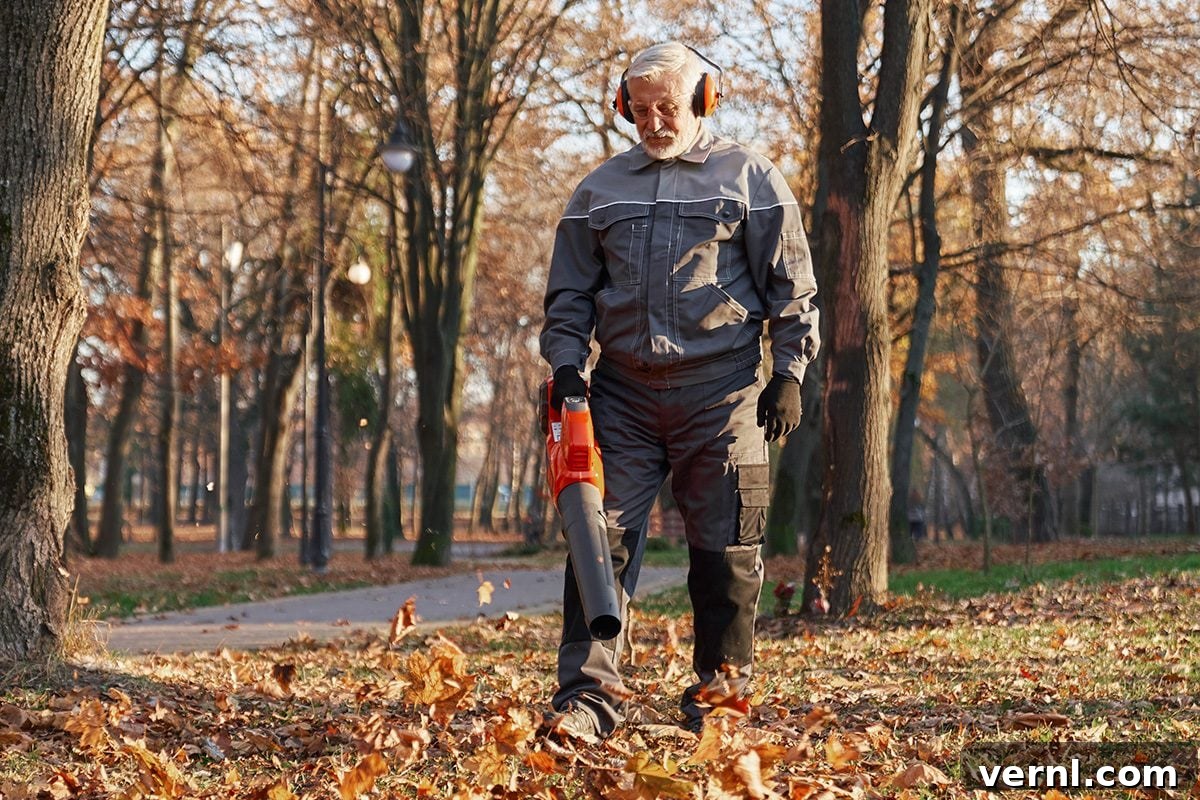
For many homeowners, the thought of clearing fallen leaves without the aid of a powerful leaf blower seems like an overwhelming task. These machines promise efficiency and convenience, transforming what could be hours of strenuous raking into mere minutes of blowing. Indeed, leaf blowers can significantly streamline yard work, making autumn cleanup less daunting and freeing up valuable time. However, this convenience often comes with a hidden cost, particularly for older adults whose bodies may be less resilient to the physical demands and potential hazards posed by these potent tools.
My own recent experience highlighted this concern vividly when my partner, while using a leaf blower to clear our deck, found his pre-existing tendonitis severely aggravated. It served as a stark reminder that as we advance in years, the cumulative effects of physical strain, repetitive motion, and environmental exposure from operating such equipment can lead to unexpected health issues. What might feel like an easy and quick chore in one’s younger years can evolve into a source of discomfort, chronic pain, or even serious injury as the body’s natural wear and tear progresses.
“A common misconception is that, as we age, using a leaf blower is easy and won’t cause any strain or discomfort,” explains Zack Moorin, a homeowner-solution expert with extensive landscaping experience. “This, however, is not true for all, and especially for those with physical barriers or health concerns.” Moorin’s insight underscores a critical point often overlooked: the perception of ease can be deceptive, masking genuine and escalating risks that become more pronounced with age and accumulated physical vulnerabilities.
Understanding these specific risks is the foundational step toward engaging in safer outdoor maintenance practices. This comprehensive guide aims to delve deeply into the unique health challenges leaf blowers present to older individuals, provide actionable and practical tips for mitigating these dangers, and help you identify crucial warning signs that indicate it might be time to consider alternative methods or seek assistance. Our ultimate goal is to empower you to continue enjoying your yard and maintaining your home without inadvertently compromising your health and overall well-being. By making informed choices and adopting safer habits, you can ensure your yard work contributes to your peace of mind, not your physical decline.
Unveiling the Risks: How Leaf Blowers Impact Health As We Age
While leaf blowers offer undeniable convenience for tidying up outdoor spaces, their operation can introduce a spectrum of significant health risks, particularly as our bodies undergo the natural, age-related changes. The combined factors of intense physical exertion, the inherent weight of the machinery, constant vibration, and environmental exposure can create a challenging and potentially hazardous environment for older adults. Let’s explore these specific risks in detail, acknowledging that our strength, balance, hearing, and overall physical resilience naturally diminish over time, making us more susceptible to acute injuries, chronic conditions, and environmental stressors.
Musculoskeletal Strain and Injury: The Silent Wear and Tear
One of the most immediate and pervasive threats from leaf blowers is to our musculoskeletal system. These powerful tools are often considerably heavier than they appear, and the constant, often jarring force they generate – commonly referred to as kickback – can exert immense stress on muscles, tendons, ligaments, and joints throughout the body. As we age, our muscles inherently tend to lose mass and strength (sarcopenia), our joints become less flexible and more prone to stiffness, and our connective tissues can gradually become less elastic and more brittle. This physiological decline makes us significantly more vulnerable to injuries stemming from repetitive movements, sustained gripping, and prolonged physical effort.
- Exacerbated Tendonitis and Bursitis: The characteristic cyclical sweeping motion, combined with the sustained, firm grip required to operate a leaf blower, can lead to severe inflammation of tendons (tendonitis) and bursae (bursitis). This commonly manifests as debilitating pain in areas such as the elbows (e.g., “tennis elbow” or lateral epicondylitis), shoulders (e.g., rotator cuff tendonitis), and wrists, which can become chronic and severely limit mobility.
- Carpal Tunnel Syndrome and Other Nerve Compressions: Prolonged exposure to high-frequency vibration and repetitive wrist movements, particularly when combined with an awkward or forceful grip, can lead to the compression of the median nerve within the carpal tunnel of the wrist. This results in the hallmark symptoms of carpal tunnel syndrome: numbness, tingling, weakness, and radiating pain in the hand and arm, significantly impairing manual dexterity and comfort.
- Back and Shoulder Issues: The substantial weight of the blower, especially handheld models, coupled with sustained awkward postures, bending, and twisting motions, can place tremendous strain on the lower back, upper back, and shoulders. This can lead to a range of issues from acute muscle spasms and minor aches to severe conditions such as herniated discs, pinched nerves, or rotator cuff tears. Even backpack blowers, while designed to distribute weight more evenly, still impose considerable load and strain during prolonged periods of use and maneuvering.
“A major issue is musculoskeletal injuries,” reiterates Zack Moorin, highlighting the prevalence and severity of these conditions. “Using a leaf blower involves a cyclical range of motion and can be taxing on arms, shoulders, and back, resulting in conditions from tendonitis to bursitis and carpal tunnel syndrome.” The constant vibration emanating from the motor also contributes significantly to muscle fatigue and can intensify the inflammatory response and nerve irritation, prolonging recovery times.
Increased Risk of Falls and Balance Issues: A Critical Concern for Seniors
Maintaining stable balance while simultaneously operating a powerful, vibrating machine on potentially uneven, slippery, or debris-covered surfaces (such as leaf-strewn paths or damp patios) presents a significant challenge. For older adults, who may already experience age-related declines in balance, proprioception (the body’s sense of its position in space), and muscle reaction time, this risk is dramatically heightened. A momentary lapse in concentration, an unexpected strong gust of air from the blower, or tripping over an unseen obstacle beneath a pile of leaves can easily lead to a debilitating fall. Falls are tragically a leading cause of severe injury among seniors, frequently resulting in bone fractures (especially hip fractures), head injuries, and a devastating loss of independence and mobility.
Hearing Damage from Loud Decibels: An Insidious Threat
Leaf blowers are notoriously loud, with many conventional models producing noise levels that range between 65 and an alarming 105 decibels. To put this into critical perspective, prolonged or repeated exposure to sounds exceeding 85 decibels can cause permanent and irreversible hearing damage. Without the consistent use of proper hearing protection, even relatively short periods of leaf blower operation can contribute to cumulative hearing loss, trigger or exacerbate tinnitus (a persistent ringing or buzzing in the ears), or significantly worsen pre-existing hearing impairments. Gas-powered models are typically the loudest culprits, but even certain high-power battery-powered options can exceed safe noise thresholds.
Respiratory Difficulties and Air Quality Concerns: Breathing in Trouble
The act of operating a leaf blower inevitably stirs up a considerable amount of fine dust, pollen, microscopic mold spores, dried animal waste, pesticides, and other airborne allergens and particulate matter. For individuals with existing respiratory conditions such as asthma, chronic obstructive pulmonary disease (COPD), or severe seasonal allergies, inhaling these suspended particles can trigger acute and severe attacks, cause significant irritation to the airways, or gravely exacerbate underlying symptoms. Furthermore, gas-powered leaf blowers emit noxious exhaust fumes containing carbon monoxide, unburned hydrocarbons, nitrogen oxides, and other fine particulate matter, all of which are highly harmful to inhale. These fumes can lead to headaches, dizziness, nausea, and, in poorly ventilated or enclosed areas, even more serious health consequences, including carbon monoxide poisoning. The physical exertion involved in using the blower also increases breathing rate, causing the user to inhale a greater volume of these harmful substances into their lungs.
Cardiovascular Strain and Heart Health: Pushing the Limits
The considerable physical effort involved in pushing, pulling, lifting, and maneuvering a heavy leaf blower, especially when combined with challenging environmental conditions like high temperatures or humidity, can place significant and dangerous strain on the cardiovascular system. For older adults with diagnosed underlying heart conditions, undiagnosed cardiac issues, or those already at an elevated risk of heart disease, this level of exertion can be genuinely perilous. Symptoms such as acute chest pain (angina), severe shortness of breath, sudden dizziness, profound lightheadedness, or irregular heartbeats (palpitations) experienced during or immediately after use are critical warning signs that should never be ignored. The confluence of physical strain, potential heat stress, and exposure to exhaust fumes can collectively elevate blood pressure and heart rate to unsafe levels, posing a direct threat to cardiac health and increasing the risk of cardiac events.
Risk of Burns and Other Accidents: Unexpected Dangers
Gas-powered leaf blowers inherently contain hot engine components and exhaust manifolds that can cause severe burns if accidentally touched during or immediately after operation. Fuel spills during the refueling process can also lead to painful skin irritation or, in rare and unfortunate circumstances, result in ignition or fire hazards. Additionally, the powerful, high-velocity airflow generated by leaf blowers can propel small stones, twigs, metal fragments, or other hidden debris at dangerously high speeds, posing a significant risk of severe eye injury if robust safety glasses are not consistently worn. While less common, electrical faults in corded blowers or battery malfunctions in cordless models can also present hazards such such as electric shock or thermal runaway.
Strategies for Safe Leaf Blower Use and Healthy Yard Maintenance As You Age
While the potential health risks associated with leaf blower use are undeniably real and warrant serious consideration, it does not necessarily mean you have to abandon your leaf blower entirely. With the adoption of proper precautions, intelligent planning, and mindful practices, you can significantly reduce the potential for injury, discomfort, and long-term health issues. The fundamental key is to approach yard work intelligently, always prioritizing your health, safety, and overall well-being. Here are essential and actionable tips for safely using a leaf blower as you age, along with important considerations for alternative approaches when necessary.
Prioritize Physical Preparation and Ergonomics: Setting the Stage for Safety
- Stretch and Warm Up Your Muscles Thoroughly: Just as you would for any other form of moderate to strenuous physical activity, preparing your body is absolutely crucial. “Spend a few minutes doing simple stretches, including arm circles and wrist rolls, to prepare your body for the challenge,” advises Zack Moorin. Focus particularly on dynamic stretches for your arms, shoulders, back, and wrists. A light cardiovascular warm-up, such as a brisk walk for five to ten minutes, can also significantly increase blood flow to your major muscle groups, making them more pliable, less prone to strain, and improving joint lubrication.
- Maintain Impeccable Posture and Mindful Body Mechanics: A keen awareness of your body’s movements and positioning is paramount. “Avoid twisting as you move your back, and keep your back straight while blowing leaves,” Moorin emphasizes. Actively engage your core abdominal muscles to provide critical support for your spine. Instead of twisting your torso from the waist, pivot your entire body, using your feet to steer and direct the blower. “Use alternating arms instead of favoring one side to prevent overuse injuries.” If operating a handheld blower, switch hands frequently—every few minutes—to distribute the workload and reduce localized muscle fatigue. For backpack blowers, ensure the shoulder straps and waist belt are correctly adjusted for optimal weight distribution and to minimize pressure points.
- Choose the Right Blower for Your Unique Body and Yard:
- Weight and Balance are Key: Always opt for the lightest possible model that is still robust enough to effectively handle the specific needs of your yard. Handheld electric or battery-powered blowers are consistently lighter and easier to manage than their heavier, more cumbersome gas-powered counterparts. For larger properties or extensive tasks, a well-fitted backpack blower might offer superior weight distribution across your shoulders and back, potentially reducing direct arm and wrist strain compared to carrying a handheld unit for extended periods. Before purchasing, always physically test the balance and weight of a blower to ensure it feels manageable for you.
- Consider the Power Source: A battery-powered model is often the healthiest and most manageable choice for older adults. They are typically significantly lighter, operate much more quietly, and produce absolutely no harmful exhaust fumes. While gas blowers offer more raw power and longer continuous run times, their increased weight, noise pollution, vibrations, and noxious fumes can be significant health and safety drawbacks. Corded electric blowers are light and powerful but severely limit mobility due require constant management of an extension cord, which can be a tripping hazard.
- Look for Ergonomic Features: Seek out models that incorporate anti-vibration handles, which can drastically reduce the impact of vibration on your hands and arms. Adjustable nozzles and variable speed controls can also enhance user comfort, allow for precise control, and reduce overall physical strain by letting you tailor the blower’s output to the task at hand.
Wear Comprehensive Protective Gear: Your First Line of Defense
Wearing appropriate personal protective equipment (PPE) is non-negotiable when operating any type of leaf blower. Investing in the right gear can prevent a vast array of common injuries and significantly mitigate health risks.
- Eye Protection is Paramount: Always wear sturdy, impact-resistant safety glasses or goggles that meet industry standards (e.g., ANSI Z87.1) to shield your eyes from rapidly flying debris such as twigs, pebbles, dirt, and dust. Standard prescription eyeglasses or sunglasses do not provide adequate protection.
- Hearing Protection is Essential: Given the high decibel levels produced by most leaf blowers, effective hearing protection is an absolute must. Industrial-grade earmuffs or high-quality foam earplugs specifically designed for noise reduction can prevent permanent, irreversible hearing damage and protect against the onset of tinnitus.
- Hand Protection for Grip and Vibration: Wear durable work gloves that offer a good, non-slip grip and possess vibration-dampening qualities. This type of glove can help prevent blisters, reduce the harmful impact of vibration on your hands and wrists, and provide a firmer, more secure hold on the machine, reducing the effort needed to control it.
- Respiratory Protection for Air Quality: If you are using a gas-powered model, or if you are working in environments that are particularly dusty, pollen-heavy, or contain mold spores, always wear an N95 mask (or higher filtration rating) to effectively filter out harmful exhaust fumes, fine dust particles, allergens, and mold. This is critically important for individuals with any respiratory sensitivities or pre-existing lung conditions.
- Sturdy Footwear for Stability: Always wear closed-toe shoes or boots with robust soles and excellent traction. This will help prevent slips and falls on uneven or debris-covered surfaces and protect your feet from any dropped tools or falling debris.
Practice Smart Usage and Environmental Awareness: Work Smarter, Not Harder
- Take Frequent and Timely Breaks: Avoid prolonged, continuous use of the leaf blower. “Furthermore, take frequent breaks and listen to your body,” advises Dr. Pamela Tambini, MD, medical director at Engage Massachusetts. Step away from the machine, remove your ear protection to give your ears a rest, hydrate with water, and allow your muscles to recover. This helps prevent the accumulation of fatigue, which often leads to compromised form, reduced alertness, and an increased risk of injury.
- Stay Adequately Hydrated: Especially when performing physical labor outdoors, consume plenty of water before, during, and after your task to prevent dehydration and heat exhaustion. Both conditions can severely impair judgment, reduce physical capacity, and contribute to rapid fatigue.
- Monitor Weather and Air Quality Conditions: Avoid using a leaf blower on excessively windy days, as this can make the task significantly harder, reduce effectiveness, and blow debris back directly at you. If local air quality reports indicate high levels of allergens, pollution, or particulate matter, consider postponing the task to a day with better air conditions.
- Clear the Area of Obstacles: Before you even start the blower, take a few minutes to quickly scan the entire area you plan to clear. Remove any large debris, toys, loose power cords, or other potential obstacles that could become dangerous projectiles when hit by the powerful air stream, or create tripping hazards for yourself.
Consider Alternatives and Professional Help: Knowing Your Limits
Sometimes, the safest and wisest option is to re-evaluate the task itself and consider alternative methods.
- Embrace Manual Alternatives: For smaller yards, specific areas like patios, or light leaf coverage, consider reverting to a good old-fashioned rake and broom. These manual tools provide light to moderate physical exercise without the noise, fumes, vibration, or high-impact strain of a leaf blower. They can also be surprisingly therapeutic and offer a quiet way to connect with your outdoor space.
- Delegate or Hire Professional Help: “If you have a heart, lung or joint condition, consider delegating the task,” suggests Dr. Tambini. There is absolutely no shame in recognizing and respecting your physical limitations. Enlist the help of willing family members, responsible neighbors, or hire professional landscaping services. This ensures that the job gets done efficiently and safely without putting your precious health at undue risk.
- Consult Your Physician: When in any doubt whatsoever about your physical ability to safely use a leaf blower, or if you have any pre-existing health conditions that concern you, consult your primary care physician. They can provide personalized medical advice based on your current health status, medical history, and specific conditions, helping you make the safest decision for your individual circumstances.
Knowing When to Stop: Identifying Critical Warning Signs for Leaf Blower Use in Seniors
It’s vital to understand that there is no universal, magic age at which every individual should automatically cease using a leaf blower. The decision is profoundly personal, dependent entirely on an individual’s unique health profile, current physical capabilities, and the presence of any pre-existing medical conditions. What might be perfectly manageable and safe for one active 70-year-old could prove genuinely perilous for another of the same age. However, there are unequivocal physical and cognitive signs that serve as critical indicators that it is definitively time to either stop using a leaf blower altogether or to significantly alter your approach to outdoor maintenance. Paying close and honest attention to your body’s signals is paramount for preventing serious injury, avoiding chronic pain, and maintaining your long-term health and independence.

Key Physical Indicators That Suggest It’s Time to Reconsider
These are the body’s explicit warnings that the activity may be causing more harm than good:
- Pronounced Balance or Stability Problems: If you find yourself frequently stumbling, experiencing sudden unsteadiness, or struggling significantly to maintain your footing even on relatively flat ground, operating a heavy, powerful, and vibrating machine becomes an extremely dangerous endeavor. The risk of a fall, with potentially severe and life-altering consequences (such as hip fractures), dramatically increases.
- Numbness, Tingling, or Weakness in Arms or Hands: These symptoms can be telltale signs of nerve compression, circulatory issues, or developing musculoskeletal problems, which are frequently exacerbated by the prolonged vibration and forceful gripping required to operate a leaf blower. Losing sensation or strength in your hands while operating a powerful tool could lead to a catastrophic loss of control, inadvertently dropping the blower, or an inability to react quickly and effectively to sudden hazards.
- Feeling Weak or Fatigued Rapidly: If you experience a rapid onset of profound weakness or overwhelming exhaustion after only a surprisingly short period of leaf blower use, it is a clear and undeniable sign that your body is struggling to cope with the physical demands of the task. This premature fatigue severely compromises your ability to maintain proper posture, safely maneuver the machine with control, and remain mentally alert to your surroundings.
- Persistent or Worsening Musculoskeletal Pain or Weakness: Chronic or recurring pain in your back, shoulders, elbows, wrists, or hands that lingers for an extended period after using the blower, or a noticeable worsening of pre-existing conditions like arthritis, tendonitis, or carpal tunnel syndrome, unequivocally indicates that the activity is causing more harm than benefit. This persistent pain is your body’s insistent way of signaling that it is being consistently overstressed and is struggling to recover.
- Respiratory Issues During or After Use: Experiencing symptoms such as significant shortness of breath, wheezing, persistent coughing spells, or an uncomfortable tightness in your chest, particularly if you have a pre-existing condition like asthma or COPD, signals that either the physical exertion or the exposure to airborne particles and exhaust fumes is adversely affecting your lungs and airways. This is a very serious warning sign that demands immediate attention.
- Increased Hearing Loss or Sensitivity Post-Use: If you consciously notice your hearing quality worsening, experience the onset of persistent tinnitus (a bothersome ringing or buzzing in the ears), or find sounds generally more irritating or painful after using the blower, it’s a strong indication that the noise levels are causing damage, even if you are using some form of protection.
- Critical Cardiovascular Warning Signs: Any manifestation of sudden dizziness, acute lightheadedness, chest pain (angina), heart palpitations, or unusual, disproportionate shortness of breath experienced during or immediately after using a leaf blower demands immediate and serious attention. These are critical indicators of potential heart strain or a cardiac event and necessitate stopping the activity immediately and seeking urgent medical consultation.
Cognitive and Behavioral Clues: Beyond the Physical
It’s not solely physical symptoms that matter. Subtle cognitive and behavioral changes can also signal a pressing need for caution and reassessment:
- Needing Frequent and Prolonged Recovery Time: “If you find yourself needing frequent recovery time after short use, having difficulty starting or maneuvering the blower, neighbors or family expressing concern, or feeling mentally foggy or easily distracted, it may be time to stop or switch to a safer alternative,” strongly advises Dr. Tambini. If a relatively simple yard chore leaves you feeling incapacitated, utterly exhausted, or in pain for hours or even days afterward, the significant personal cost far outweighs any perceived benefit.
- Difficulty Starting or Maneuvering the Blower: Struggling significantly with the pull-start mechanism of a gas blower, or finding it increasingly challenging to control the machine’s inherent weight, power, and kickback, is a clear and practical indication that your physical strength, coordination, or endurance is no longer adequate for safe and effective operation.
- Concerns Expressed by Family or Neighbors: Sometimes, those closest to us notice subtle changes or difficulties before we do ourselves. If family members, friends, or even observant neighbors express genuine concern about your safety, apparent struggles, or increasing difficulty with yard work tasks, it is highly advisable to take their observations seriously and reflect on them.
- Mental Fogginess, Lack of Focus, or Easy Distraction: A noticeable reduction in concentration, increased forgetfulness, or heightened distractibility during the operation of a potentially dangerous tool can lead directly to accidents. Safe and effective tool use demands focused attention and sound judgment; if your cognitive faculties are diminished, you might easily miss critical hazards or operate the machine in an unsafe manner.
Ultimately, the decision to continue or cease using a leaf blower is a deeply personal one, but it must be an informed decision grounded in honest self-assessment, careful consideration of your physical and cognitive state, and, when appropriate, professional medical advice. Prioritizing your health, safety, and long-term well-being ensures that you can continue to enjoy the beauty of your home and outdoor spaces for many fulfilling years to come, perhaps through different, safer, and equally effective means of yard maintenance that align with your evolving physical capabilities.
About the Experts
Our comprehensive insights and practical advice are significantly enriched by the valuable perspectives and professional expertise of leading professionals in both health and home solutions:
- Dr. Pamela Tambini, MD, serves as the distinguished medical director at Engage Massachusetts in Acton. She holds double board certifications in both addiction medicine and internal medicine, bringing a comprehensive and holistic medical understanding to the critical discussion of physical health, aging, and overall well-being in the context of everyday activities.
- Zack Moorin is the visionary founder of Zack Buys Houses, a reputable, family-owned business based in Charlotte, North Carolina. His company is dedicated to helping homeowners find practical, effective, and often creative solutions to a wide array of property-related challenges. With extensive hands-on landscaping experience, Zack offers a pragmatic, real-world perspective on home maintenance, yard care, and the practicalities and safety considerations of outdoor power equipment.