
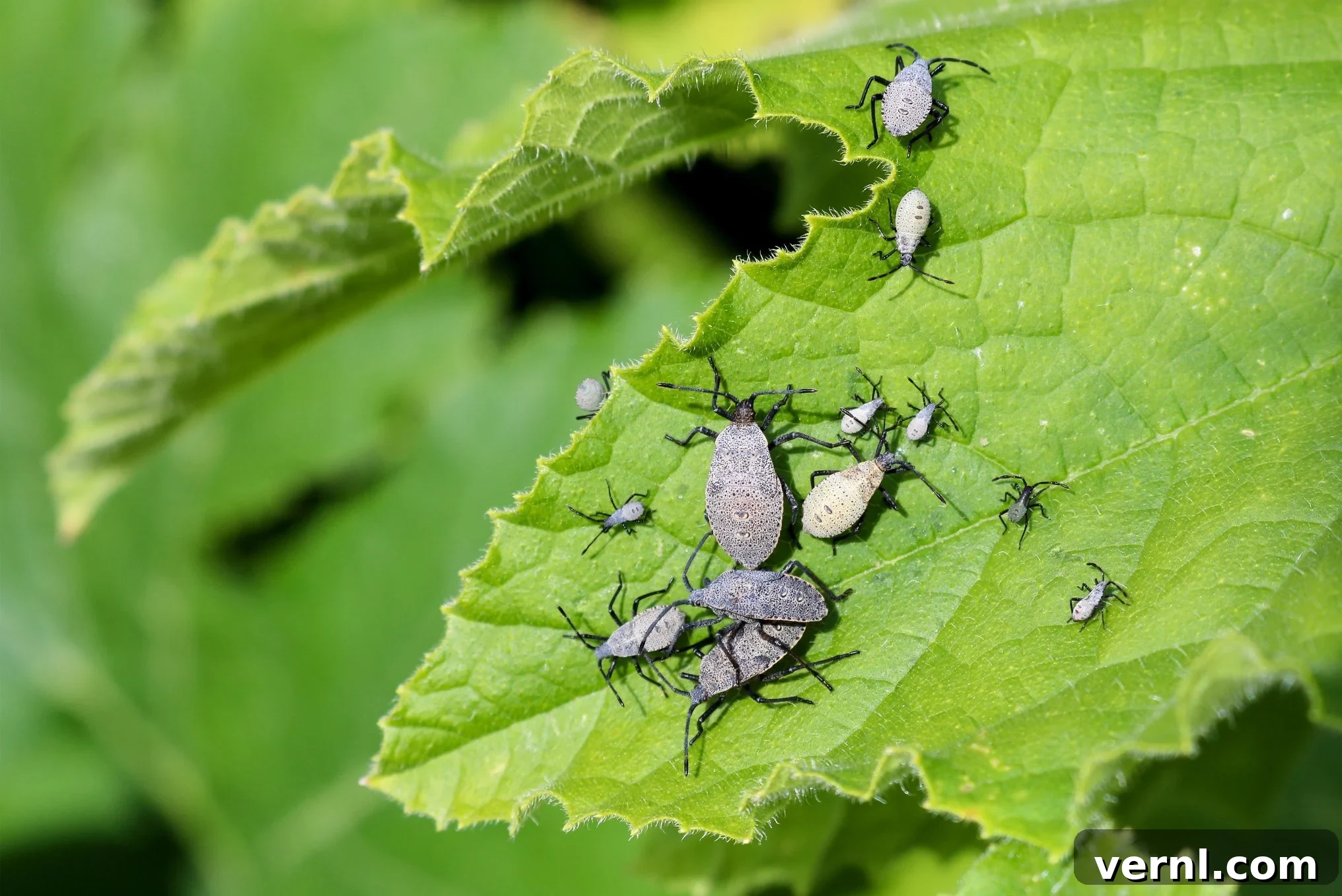
The Elusive Garden Menace: A Comprehensive Guide to Identifying, Preventing, and Controlling Squash Bugs
Unless you are an experienced farmer or an enthusiastic backyard gardener who cultivates cucurbits such as squash, zucchini, pumpkins, cucumbers, and melons, the term “squash bug” might not ring a bell. Yet, for those who nurture these popular vine crops, the squash bug (Anasa tristis) represents a significant and often devastating threat. These resilient pests can rapidly turn a promising harvest into a disheartening loss.
This comprehensive guide will demystify the squash bug, offering crucial insights into its life cycle, the tell-tale signs of an infestation, and, most importantly, effective strategies for both preventing their unwelcome arrival and managing them if they’ve already taken root in your garden. Understanding this elusive garden menace is the first step toward protecting your precious plants and ensuring a bountiful yield.
What Exactly Are Squash Bugs? Understanding Anasa tristis
The squash bug (Anasa tristis) is classified as a “true bug” within the order Hemiptera, a group characterized by their distinctive piercing-sucking mouthparts. Unlike chewing insects, squash bugs possess a hypodermic-needle-like proboscis that they insert into plant tissues to extract subsurface fluids. This feeding method effectively drains the life out of young, tender plants, making them a formidable foe for cucurbit growers.
Appearance and Life Cycle
Adult squash bugs measure approximately 5/8 to 3/4 inches in length, presenting a sturdy, somewhat flattened appearance. Their coloration ranges from dark gray to dark brownish-gray, often with subtle orange and brown stripes or mottling on their abdomens, which can be seen when their wings are spread. They bear a resemblance to stink bugs but can be differentiated by their more slender body shape and the distinct “buggy” odor they emit when crushed or disturbed, though less potent than a true stink bug.
The life cycle of the squash bug begins with its tiny, oval-shaped eggs, typically laid in clusters on the undersides of leaves, particularly along the veins. These eggs are about 1/16-inch long and possess a metallic sheen, often appearing copper or bronze. Under favorable conditions, these eggs hatch in about 7 to 10 days, giving rise to nymphs.
Squash bug nymphs undergo five distinct developmental stages, or instars, before reaching full maturity. Young nymphs are initially light green with black heads and legs, making them somewhat difficult to spot against the foliage. As they grow, they gradually change color, transitioning to a light gray, and finally to a brownish-gray hue, resembling miniature versions of the adults but lacking fully developed wings. This entire nymphal development period typically spans four to six weeks, after which they emerge as mature, reproductive adults ready to continue the cycle. In many regions, squash bugs can produce one to two generations per year, sometimes even more in warmer climates, leading to rapidly escalating populations.
The Devastating Impact: How Squash Bugs Damage Your Garden
Squash bugs are a major threat to any garden cultivating members of the cucurbit family. Their primary targets include squash (both summer and winter varieties), zucchini, pumpkins, cucumbers, and various types of melons. These problematic pests don’t discriminate, feasting voraciously on plant tissues from leaves to stems and even the developing fruits. The damage inflicted can be severe, leading to significant reductions in fruit yield and, in severe cases, the complete demise of the plant.
The mechanism of damage is two-fold: direct feeding and disease transmission. When a squash bug inserts its piercing mouthparts into a plant, it extracts vital sap, disrupting the plant’s vascular system. This disruption impedes the flow of water and nutrients, effectively starving the plant. Early feeding damage often manifests as small, yellow or light green spots on leaves, which gradually darken and can become bronze or brown over time. As feeding progresses, plant leaves may develop a scorched or burnt appearance along their edges, becoming crispy and brittle.
Beyond direct feeding, squash bugs are notorious vectors for a devastating bacterial disease known as Cucurbit Yellow Vine Disease (CYVD). This bacterium, once transmitted, can cause systemic wilting, yellowing of foliage, and eventual collapse of the entire plant. According to the U.S. Department of Agriculture (USDA), CYVD can result in significant economic losses for commercial growers and complete crop failure for home gardeners. Early detection and control of squash bug populations are absolutely critical to prevent the spread of this destructive pathogen. VTechWorks, a leading agricultural research institution, highlights that “The squash bug is a serious insect pest of summer squash across the United States. Squash bugs inflict damage by feeding on plant leaves, stems and fruits, leading to significant reductions in fruit yield and overall economic losses for growers.”
Spotting the Enemy: Signs of Squash Bug Infestations
Vigilance is your strongest defense against squash bugs. These pests often overwinter as adults in protected locations such as under plant debris, beneath rocks, around foundations, or even within cracks and crevices. They emerge in spring, ready to begin heavy feeding and reproduction once host plants are available. Recognizing the early signs of an infestation can mean the difference between minor damage and a ruined harvest.
Key Indicators of a Squash Bug Presence:
1. Direct Sightings: The most obvious sign is observing adult squash bugs, their nymphs, or distinctive egg clusters. Adults are often found congregating at the base of plants or hiding under leaves. Egg clusters are usually on the undersides of leaves, particularly along the veins, and resemble metallic copper or bronze dots.
2. Yellow Lesions: Initial feeding damage appears as small, irregular yellow lesions on leaves, stems, and vines. These spots are where the bugs have drained sap. Over time, these lesions will enlarge and darken, turning brown or black.
3. Scorched Leaf Edges: As feeding intensifies, the margins of affected leaves will begin to turn brown, dry out, and take on a burnt, crispy appearance. This is a clear indication of severe sap loss.
4. Progressive Wilting: Despite regular watering, your cucurbit plants may exhibit signs of wilting. Initially, wilting might be localized to individual leaves or branches, but it can quickly spread to entire stalks and vines. This “false wilt” is a classic symptom of squash bug feeding, as their saliva can be toxic to plant tissues.
5. Dead or Dying Plants: In advanced stages of infestation, particularly if CYVD is transmitted, entire plants may collapse and die prematurely. This is the ultimate, unfortunate outcome of an unchecked squash bug population.
Early detection is paramount. Regular inspection of your cucurbit plants, especially the undersides of leaves, will help you identify and address infestations before they become widespread. Immediate action with natural squash bug repellents and control methods is essential to save your plants and prevent further damage.
DIY and Sustainable Solutions for Squash Bug Control
Combating squash bugs can be a persistent challenge for gardeners. However, a combination of diligent monitoring and sustainable pest control methods can effectively manage their populations. Focusing on non-chemical approaches first helps preserve beneficial insects and maintain a healthy garden ecosystem.
Effective DIY and Sustainable Strategies:
* Manual Removal of Eggs: This is perhaps the most critical early intervention. Regularly inspect the undersides of leaves for the distinctive copper-bronze egg clusters. Use your finger, a piece of tape, or a stiff brush to scrape the eggs off the leaf and then crush them or drop them into soapy water. This prevents nymphs from hatching and multiplying. Make this a routine task, especially during peak laying season.
* Hand-Picking Nymphs and Adults: While adult squash bugs are hardier, nymphs are vulnerable. When you spot nymphs or adults, carefully pick them off the plants and drop them into a bucket of soapy water. The soap breaks the surface tension, causing them to drown. Hand-picking is most effective in the early morning or late evening when the bugs are less active. Wear gloves if you prefer not to touch them directly.
* Introducing Beneficial Insects: Nature often provides its own solutions. Encourage natural predators like the tachinid fly (family Tachinidae). These parasitic flies lay their eggs directly on or near the thoraxes of adult squash bugs. When the fly eggs hatch, the larvae burrow into the squash bug’s body, slowly consuming it from the inside, eventually killing the host. You can attract tachinid flies to your garden by planting dill, parsley, and other flowering herbs that provide nectar and pollen.
* Diatomaceous Earth (DE): This natural, finely powdered fossilized algae acts as a mechanical insecticide. When squash bugs crawl over diatomaceous earth, the sharp microscopic edges of the DE particles cut into their exoskeletons, causing dehydration and death. Apply a light dusting to the leaves and around the base of affected plants. Reapply after rain or heavy watering. Ensure you use food-grade DE and apply it when plants are dry.
* Neem Oil: Derived from the neem tree, neem oil acts as a repellent, an anti-feedant, and an insect growth regulator. It disrupts the feeding and reproductive cycles of squash bugs and can be effective against nymphs. Mix neem oil concentrate with water according to package directions and spray thoroughly, ensuring coverage on both the top and undersides of leaves. Apply in the cooler parts of the day to avoid leaf burn.
* Insecticide Application (with Caution): For severe infestations, particularly targeting nymphs, certain organic or low-impact insecticides might be considered. However, home garden insecticides are generally not effective against hardy adult squash bugs. If you choose to use a pesticide, always read the product label carefully to ensure it is registered for use on the specific vegetables you are treating and follow all safety instructions. Be mindful of pollinators and beneficial insects, applying only when necessary and at times when beneficials are less active.
Prevention is Key: Safeguarding Your Cucurbit Crops
The most effective strategy against squash bugs is prevention. A proactive approach, combining cultural, mechanical, and biological techniques, can significantly reduce the likelihood of an infestation and protect your cucurbit plants. Jeffrey Hahn and Suzanne Wold-Burkness of the College of Food, Agricultural and Natural Resource Sciences at the University of Minnesota Extension offer valuable insights into robust prevention methods.
Integrated Prevention Techniques:
* Foster Plant Health: Healthy plants are more resilient to pest attacks. Ensure your cucurbits receive proper fertilization, adequate and consistent watering, and are grown in well-draining, nutrient-rich soil. Strong, vigorous plants can often withstand minor pest pressure more effectively.
* Early Planting: Planting cucurbit crops early in the season, when feasible, allows them to establish and grow larger before squash bug populations peak. Mature, robust plants tend to be hardier and less susceptible to severe damage from early-season squash bug feeding.
* Garden Sanitation: Throughout the growing season, consistently remove all plant debris, weeds, and fallen leaves from around your cucurbit plants. This eliminates crucial hiding spots for squash bugs during the day and reduces overwintering sites for the next season.
* Fall Cleanup: After harvest, conduct a thorough cleanup of all cucurbit plant matter. Remove and destroy old vines, leaves, and any remaining fruits. Do not compost infested material, as this can allow bugs to overwinter successfully. This critical step drastically reduces the number of squash bugs that can survive the winter and emerge to infest your garden the following spring.
* Crop Rotation: Avoid planting cucurbits in the same location year after year. Rotating your crops to different garden beds can break the life cycle of pests like squash bugs that overwinter in the soil or surrounding debris.
* Resistant Varieties: While no cucurbit variety is completely immune, some types of squash and pumpkins show more resistance to squash bugs. Varieties like ‘Butternut’ squash or ‘Green Striped Cushaw’ are often less preferred by squash bugs than ‘Hubbard’ or ‘Yellow Straightneck’ squash. Researching and selecting these varieties can be a valuable part of your prevention strategy.
Non-Chemical, Biodiverse-Centered Approaches:
* Companion Planting: Utilize the power of companion planting, a method that strategically pairs certain plants to deter pests or attract beneficial insects. Several plants are known to repel squash bugs:
* Radishes: The pungent aroma of radishes can confuse and deter squash bugs.
* Nasturtiums: These vibrant flowers act as a trap crop, luring squash bugs away from your main cucurbit plants. They can also attract beneficial insects.
* Marigolds: Especially French marigolds (Tagetes patula), emit compounds from their roots and foliage that can repel a variety of garden pests, including squash bugs.
* Bee Balm (Monarda): Its strong, minty fragrance is disliked by many pests, and it also attracts pollinators.
* Catnip: A member of the mint family, catnip is a potent deterrent for numerous insects, including squash bugs.
* Mint: Like catnip, various mints have strong aromas that can confuse pests. However, plant mint in containers as it can be very invasive.
* Oregano: Another aromatic herb that can help repel pests.
* Floating Row Covers: These lightweight, translucent fabric covers create a physical barrier that prevents adult squash bugs from accessing your plants to feed or lay eggs. Install them immediately after planting seedlings or direct sowing seeds.
* Pro Tip: Floating row covers are highly effective, but they must be removed when your cucurbit plants begin to flower. This allows essential pollinators (like bees) to access the blooms, which is critical for fruit set. Reapply covers after pollination if pest pressure remains high, or shift to other control methods.
Responding to an Invasion: What To Do When Squash Bugs Invade
Despite the best preventative measures, squash bugs (Anasa tristis) can sometimes breach defenses and establish a foothold in your garden. When an invasion occurs, timely and decisive action is crucial to minimize damage to your valuable cucurbit crops, which could include melons, cucumbers, pumpkins, and various squash varieties.
Key Strategies for Managing an Invasion:
* Intensified Monitoring: If you suspect or confirm an invasion, increase the frequency of your garden inspections. Daily checks are ideal, focusing on the undersides of leaves, the base of stems, and any wilting or discolored foliage. Early detection of new egg masses or emerging nymphs allows for prompt intervention.
* Immediate Egg and Nymph Removal: This remains the most effective immediate control measure. Systematically go through your plants, scraping off and destroying any egg masses you find. Hand-pick as many nymphs and adult squash bugs as possible, dropping them into a bucket of soapy water. Consistency is vital, as new eggs can be laid daily.
* Garden Sanitation and Debris Removal: Reiterate and intensify garden hygiene. Remove any fallen leaves, weeds, and spent plant parts that can serve as hiding places for squash bugs. A clean garden reduces available shelter and makes pests easier to spot and remove. Remember, pests are often attracted to debris, which can also harbor diseases that spread to your trees and other plants.
* Strategic Trap Cropping: This unique technique involves planting a more attractive “sacrificial” plant variety specifically to lure pests away from your main crop. For squash bugs, the Blue Hubbard squash is an excellent trap crop. Its broad leaves and vigorous growth are highly appealing to squash bugs. Plant Blue Hubbard squash in a secluded area of your garden, perhaps around the perimeter of your main cucurbit patch, about 1-2 weeks before your desired crops. The squash bugs will congregate on the trap crop, allowing you to concentrate your manual removal efforts (hand-picking, egg scraping) or even targeted organic pesticide applications on this specific area, thereby protecting your primary harvest. This method can significantly reduce pest pressure on your valued plants.
* Integrated Pest Management (IPM): When dealing with an active invasion, a holistic Integrated Pest Management approach is most effective. This means combining multiple strategies:
* Cultural controls: Maintaining plant health and garden cleanliness.
* Mechanical controls: Hand-picking, using row covers, and trap cropping.
* Biological controls: Encouraging beneficial insects.
* Chemical controls: Using targeted, low-impact pesticides as a last resort, always following label instructions and considering their impact on the environment and beneficials.
By employing a combination of these proactive and reactive strategies, gardeners can significantly mitigate the damage caused by squash bugs and strive for a healthier, more productive garden. Regular monitoring and a willingness to adapt your approach are the hallmarks of successful pest management.
About the Experts
- Marissa Schuh is an Extension educator with the University of Minnesota. She specializes in integrated pest management for fruit and vegetable crops.
- Jeffrey Hahn was an Extension entomologist. He is now retired. His field was insect identification and pest control.
- Suzanne Wold-Burkness is a researcher at the College of Food, Agricultural and Natural Resource Sciences. Her area of study is on insect monitoring and field studies to support sustainable agriculture.
Sources:
- University of Minnesota: “Squash bugs”
- VTechWorks: “Integrated pest management of squash bug, Anasa tristis, for conventional and organic cucurbit systems in Virginia”
- Lincoln University: “Trap Cropping to Control Cucumber Beetles and Squash Bugs in Cucurbit Crops”
- University of Missouri: “Trap cropping: A simple, effective, and affordable Integrated Pest Management strategy to control squash bugs and squash vine borers”
- New Mexico State University: “Integrated Pest Management (IPM) for Squash Bug for Home Gardens and Small-scale Growers”