
Debunking the Viral TikTok Fabric Softener Toilet Hack: Risks and Safer Alternatives
In the vast and often unconventional world of TikTok, household cleaning hacks frequently go viral, promising effortless solutions to common problems. One such trend that has captivated many users involves pouring fabric softener directly into the toilet tank to maintain a continuously fresh-smelling bathroom. The idea is simple and appealing: every flush releases a burst of laundry-fresh scent. However, as with many quick fixes found online, the question arises: Is this hack truly as effective and safe as it appears? Plumbing and cleaning experts overwhelmingly agree that this particular trick is not only ineffective in the long run but also poses significant risks to your toilet’s internal mechanisms, your home’s plumbing, and even the environment.
The Allure and Premise of the Fabric Softener Toilet Tank Hack
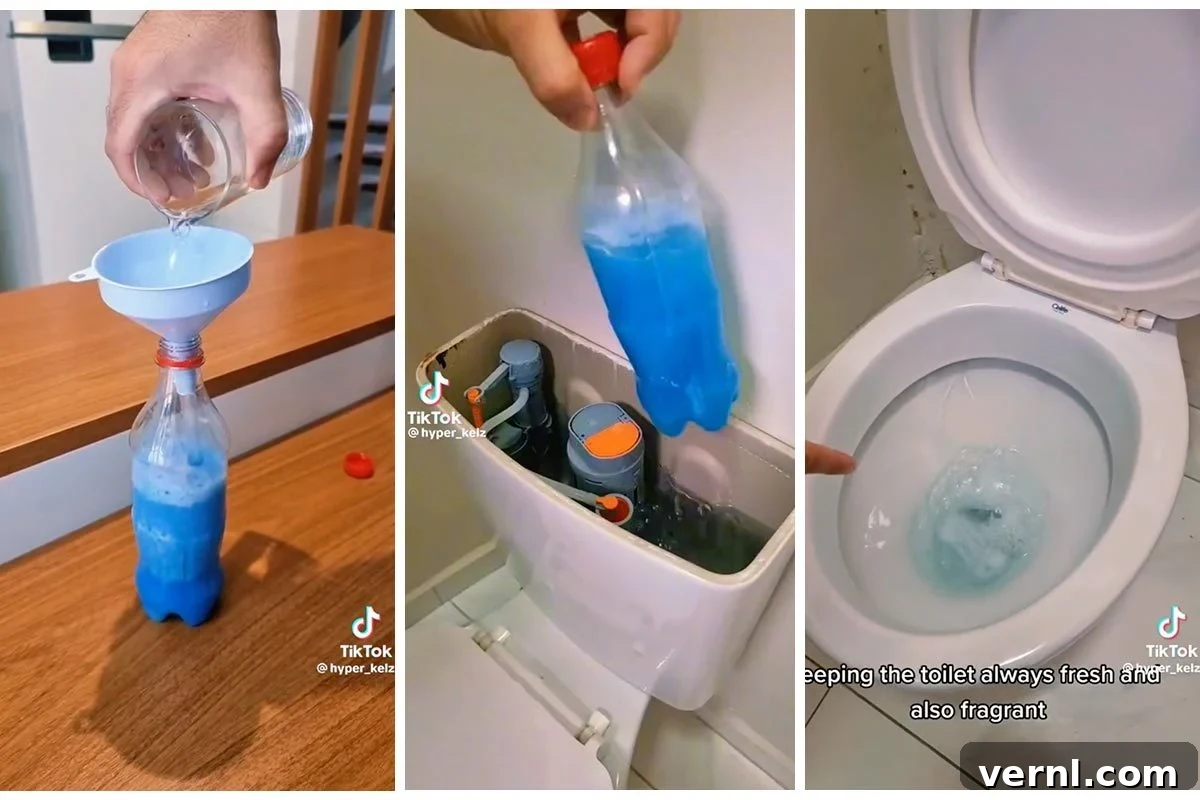
The concept behind this trending hack is deceptively straightforward: by introducing fabric softener into your toilet tank, each flush supposedly infuses your bathroom with the pleasant aroma of freshly laundered clothes. This seemingly ingenious method promises an easy way to combat bathroom odors without needing constant cleaning or air fresheners. Variations of the hack suggest different approaches, from diluting fabric softener with water in a bottle and placing it in the tank, to simply pouring the softener directly into the water. Videos showcasing this hack often depict sparkling clean toilets and happy users, making it an irresistible temptation for those seeking a perpetually fragrant bathroom.
A popular TikTok video from @hyper_kelz, for instance, encourages viewers to “Try This Amazing Tip For A Clean And Fresh Bathroom And Thank Me Later ✌️.” Such content, amplified by hashtags like #cleaninghacks and #tiktokviral, easily convinces many to try this appealing, yet problematic, method.
But what do the professionals, who understand the intricate workings of home plumbing systems, have to say about this viral sensation?
Why Experts Strongly Advise Against This Trend: Major Plumbing Risks
The consensus among plumbing and cleaning professionals is clear and emphatic: do not put fabric softener in your toilet tank. While the immediate aromatic effect might be pleasant, the long-term consequences can be costly and frustrating.
Ryan Knoll, owner of Tidy Casa, minces no words: “No, no, no! It may smell nice, but it hurts your toilet and can clog the parts inside, break the rubber seals and trap bacteria, making smells worse.” Constantin Geambasu, owner of Water Rehab, concurs, stating, “Never use fabric softener or any laundry style detergents in your toilet. They can cause major issues as fabric softeners contain many chemicals not suited for toilet plumbing, especially the internal components in the tank.” Let’s delve deeper into the specific dangers highlighted by these experts.
1. The Chemical Composition of Fabric Softeners and Its Impact on Toilet Components
Fabric softeners are formulated with a complex blend of chemicals designed to make textiles soft and fragrant. These typically include cationic surfactants, silicones, emulsifiers, dyes, and perfumes. When introduced into a toilet tank, these chemicals interact in unpredictable and detrimental ways with the tank’s various components, which are primarily made of rubber, plastic, and metal.
- Damage to Rubber Seals and Gaskets: The rubber seals, gaskets, and flapper valves inside your toilet tank are crucial for preventing leaks and ensuring proper flushing. Fabric softener chemicals, particularly the surfactants, can corrode, dissolve, or harden these rubber parts over time. This deterioration leads to premature wear, causing leaks, constant running water, and inefficient flushing, necessitating expensive repairs or replacements.
- Degradation of Plastic and Metal Parts: Beyond rubber, plastic components like the fill valve and overflow tube, along with metal screws and levers, are also vulnerable. The chemicals can cause plastics to become brittle and metals to corrode, compromising the structural integrity of these essential parts.
2. Clogging and Blockages: A Sticky Situation
One of the most immediate problems with using fabric softener in a toilet tank is its propensity to cause clogs. Fabric softeners are designed to coat fibers, and in a toilet tank, they can leave a sticky, waxy residue. This residue easily accumulates on the internal surfaces of the tank, particularly on the flush valve, fill valve, and overflow tube. Over time, this sticky layer attracts and traps dirt, mineral deposits from the water, and other debris, leading to a significant buildup that restricts water flow and impedes the flushing mechanism. This can result in a weak flush, incomplete emptying of the bowl, or even a completely non-functional toilet, requiring professional intervention to clear the blockage.
3. A Breeding Ground for Bacteria and Worse Odors
Ironically, a hack intended to make your bathroom smell better can actually exacerbate odor problems. Fabric softeners contain organic compounds that, when introduced into a moist, stagnant environment like a toilet tank, can become a nutrient source for bacteria and mold. This allows microorganisms to flourish, leading to the development of unpleasant, musty, or even foul odors that can permeate your bathroom. This completely defeats the purpose of the hack and creates a more persistent and challenging sanitation issue than the one it intended to solve.
4. Septic System Nightmare: A Costly Consequence for Homeowners
For homes connected to a septic system, the risks of using fabric softener in the toilet are even more severe. Septic systems rely on a delicate balance of beneficial bacteria to break down waste. The harsh chemicals found in fabric softeners can kill these crucial microorganisms, disrupting the septic system’s natural decomposition process. This can lead to sludge buildup, blockages, system failure, and potentially very costly repairs or even the need for a complete septic system replacement. Protecting your septic system means being highly selective about what goes down your drains.
5. Water Waste, Increased Bills, and Potential Property Damage
Jessie Cannizzaro, a pro plumber from Milestone Plumbing, Inc., expressed significant concerns about this hack, noting that watching the TikTok video made her anxious. Her primary worry was the potential for foreign objects, such as a soda bottle containing diluted softener, to interfere with the internal components of the tank. Such interference, combined with damaged seals from the chemicals, can lead to continuous water running, which translates to wasted water, higher utility bills, and potential property damage from overflows if the toilet malfunctions severely. Cannizzaro emphasizes that “never add anything to the tank that isn’t specifically allowed by the toilet’s manufacturer.”
6. Staining and Etching: Permanent Damage to Your Toilet Bowl
Beyond the internal components, the fabric softener solution, especially if not diluted correctly or if it interacts with hard water minerals, can potentially etch or permanently stain the ceramic surface of the toilet bowl. This can leave unsightly marks that are impossible to remove, diminishing the aesthetic appeal and hygiene of your bathroom fixture. The temporary benefit of a nice scent simply isn’t worth the risk of permanent damage.
Beyond Your Toilet: The Environmental Concerns of Fabric Softeners
The implications of pouring fabric softener down the drain extend far beyond your immediate plumbing system. Modern society increasingly demands sustainable practices, and understanding the environmental footprint of our household choices is crucial. Fabric softeners contain chemicals like quaternary ammonium compounds (quats) and phthalates, which are known to be harmful to aquatic life and ecosystems.
Every time you flush fabric softener-infused water, these chemicals enter the wastewater system. While treatment plants are designed to remove many pollutants, some of these compounds can persist and make their way into rivers, lakes, and oceans. Here, they can contribute to water pollution, negatively impact aquatic flora and fauna, and potentially disrupt delicate ecological balances. Choosing plumbing-safe and eco-friendly alternatives is not just about protecting your home, but also about contributing to broader environmental health and sustainability.
Safer and Smarter Ways to Achieve a Fresh-Smelling Bathroom
A fresh-smelling bathroom is undoubtedly a desirable outcome, and thankfully, there are numerous safe, effective, and eco-friendly methods that don’t jeopardize your plumbing or the environment. My own bathroom maintains a clean and inviting aroma, thanks to simple, natural solutions. Often, a few drops of a pet-safe essential oil mixed into a spray bottle of water and white vinegar creates a wonderful, refreshing air freshener.
I also enjoy crafting pomanders by drying oranges in my dehydrator, studding them with cloves, and adorning them with ribbons and cinnamon sticks before hanging them. These provide a long-lasting, natural fragrance. Here are several other excellent options to consider:
1. Embrace Essential Oil Diffusers for Continuous Scent
For a consistent and delightful aroma, an essential oil diffuser is an excellent choice. If you don’t have pets, you can explore a wider range of scents. Diffusers automatically disperse natural essential oils into the air, allowing you to customize the fragrance intensity and choose from a variety of therapeutic scents. Popular and effective choices for bathrooms include lavender for relaxation, eucalyptus for a clean and invigorating feel, lemon or citrus oils for a bright and uplifting atmosphere, and peppermint for odor neutralization.
2. Baking Soda: The Ultimate Odor Neutralizer
A simple yet incredibly effective trick is to place a small, open dish of baking soda in an inconspicuous spot in your bathroom. Baking soda is a natural absorbent that effectively neutralizes most odors rather than just masking them. For an added touch of fragrance, you can mix a few drops of your favorite essential oil directly into the baking soda before placing it in the dish. Replace it every month or so for optimal freshness.
3. Maintain a Consistent Natural Cleaning Routine
Often, the best way to ensure a fresh-smelling bathroom is through regular and thorough cleaning. Utilizing natural, non-toxic products like white vinegar and baking soda can keep surfaces spotless and eliminate odor-causing bacteria without introducing harsh chemicals. A routine of cleaning the toilet, sink, shower, and floor prevents odors from building up in the first place.
4. Improve Ventilation and Airflow
Proper ventilation is key to a fresh bathroom. Ensure your bathroom fan is functioning correctly and use it during and after showers to remove moisture and odors. Opening a window for a short period daily can also help air circulation. Additionally, incorporating air-purifying plants, such as snake plants or peace lilies, can naturally improve air quality and add a touch of greenery.
Frequently Asked Questions (FAQs) About Toilet Tank Maintenance
What else should I avoid putting in my toilet tank?
To preserve your toilet’s integrity and avoid costly repairs, steer clear of these common mistakes:
- Cleaning Tablets with Bleach: While they seem convenient, many drop-in bleach tablets can corrode and damage the rubber and plastic components inside your toilet tank, leading to leaks and flushing mechanism failure over time.
- Vinegar (for prolonged exposure): While vinegar is excellent for cleaning the bowl or parts with a quick scrub, allowing it to sit in the tank for extended periods can harm rubber seals and gaskets, similar to bleach. It’s safe for cleaning, but not for continuous residence in the tank.
- DIY Deodorizers like Oils and Scent Beads: Any oily substance or small beads can accumulate, clog the delicate mechanisms, and become sticky, leading to blockages and malfunctions.
Additionally, Constantin Geambasu issues a stern warning: “Never ever use Drano or similar products in your toilets. These products are very dangerous and can cause severe plumbing issues. These are also dangerous if you hire a plumber because it can burn their skin.” Harsh chemical drain cleaners are meant for specific types of clogs and can cause significant damage to pipes and pose safety risks.
What should I do if I’ve already put fabric softener in my toilet?
If you’ve already tried the fabric softener hack, don’t panic! It’s usually not a big deal if it was a one-time occurrence. Ryan Knoll advises: “Just clean it out.” Here’s a detailed plan to remedy the situation:
- Step 1: Turn off the Water and Empty the Tank. Locate the shut-off valve behind the toilet and turn it clockwise to stop the water supply. Flush the toilet to empty the tank completely.
- Step 2: Scrub the Tank Thoroughly. Using a stiff brush, warm water, and a mild cleaner (either a couple of drops of dish soap or white vinegar), scrub the inside of the tank. Pay close attention to all the crevices, the sides of the tank, and especially the rubber flapper, chain, and fill valve components where residue might have accumulated.
- Step 3: Rinse Liberally. Once you’ve scrubbed away any residue, rinse the tank thoroughly with warm water. You might need to refill and flush the tank a few times with the water supply briefly turned back on to ensure all cleaning agents and fabric softener residue are completely washed away.
- Step 4: Refill and Flush. Turn the water supply back on fully and let the tank refill. Flush a few times until the water appears clear and there’s no remaining suds or scent of fabric softener.
- Step 5: Inspect Internal Components. After cleaning and flushing, carefully observe the parts inside the tank. Listen for any unusual sounds, check for leaks, or notice if the toilet runs continuously or flushes abnormally. If you detect any issues, a component might have been damaged and may need replacement.
Meet Our Plumbing and Cleaning Experts
Our article benefits from the insights of experienced professionals dedicated to home maintenance and plumbing health:
- Ryan Knoll: As the founder of Tidy Casa in 2015, Ryan oversees a company that cleans more than 600 homes monthly across Phoenix and Tucson, bringing extensive practical cleaning knowledge.
- Constantin Geambasu: Owner of Water Rehab in Gilbert, Arizona, Constantin is a seasoned professional with over 25 years of experience in the plumbing industry, offering invaluable expertise on water systems.
- Jessie Cannizzaro: A professional plumber with Milestone Plumbing, Inc., Jessie provides real-world insights into the mechanics of home plumbing and the potential risks of trending hacks.
Ultimately, while the allure of a simple, fragranced bathroom is strong, the potential damage and environmental impact of the fabric softener toilet hack far outweigh its perceived benefits. Opting for expert-approved, plumbing-safe, and eco-friendly alternatives will ensure your bathroom remains fresh and your plumbing system remains intact for years to come.